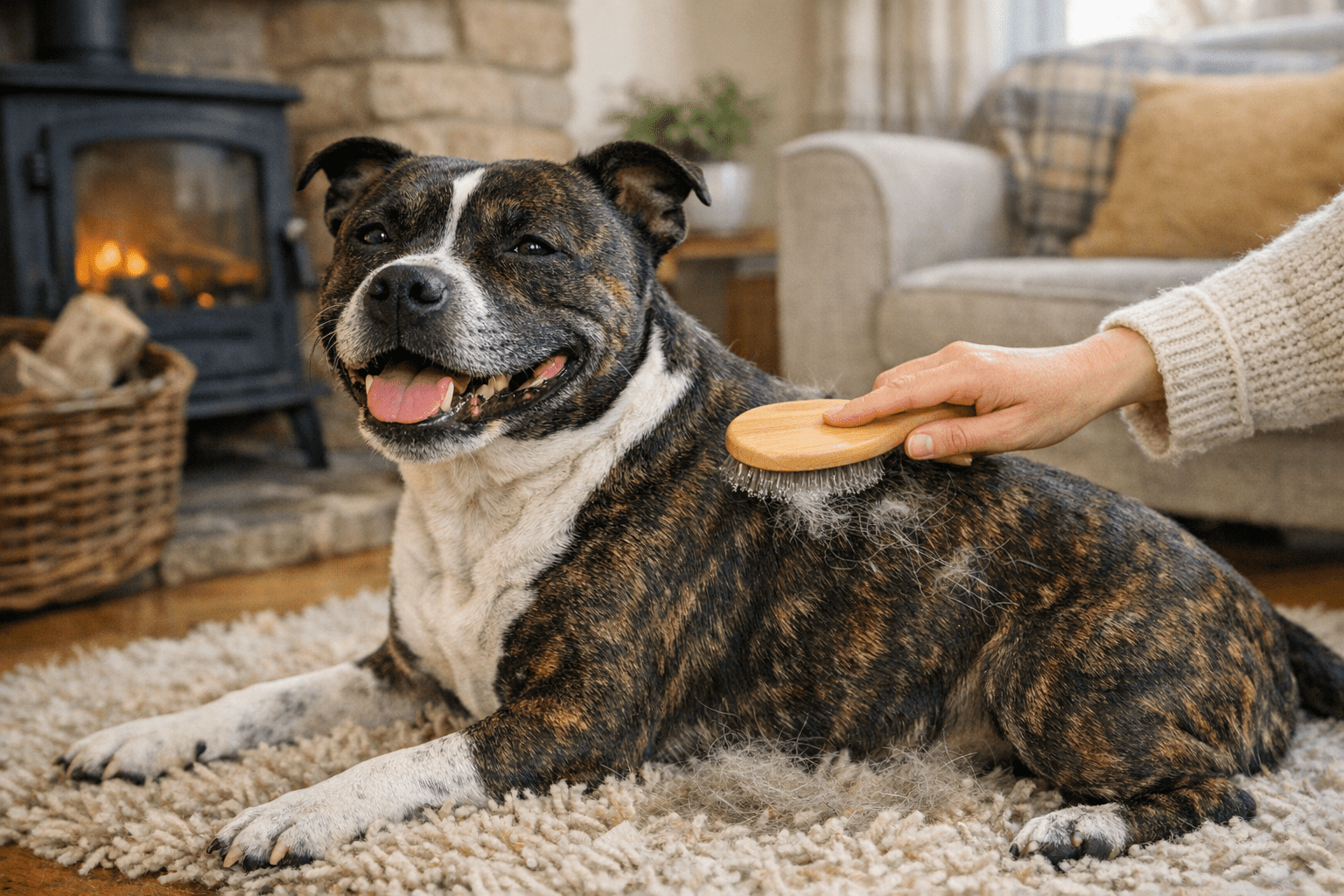
🐶 How to Train a Cocker Spaniel
Cocker Spaniels are smart, gentle, and love to please their owners. They are sensitive dogs, so training them with kindness and positive words works best.
This guide will help you learn practical ways to train your Cocker Spaniel, whether it’s a puppy or an adult dog, so you can have a happy, well-behaved friend.
🔑 What You’ll Learn & Why It Matters
- Positive reinforcement training: Builds trust and encourages faster learning for sensitive Cocker Spaniels.
- Early command training and socialisation: Ensures a well-behaved, confident, and safe dog.
- Mental stimulation and advanced training: Keeps the Cocker Spaniel happy, calm, and responsive throughout life.
✅ 1. Use Positive Reinforcement (Very Important)
When trainin’ a Cocker Spaniel, it’s mighty important to use positive reinforcement. That means givin’ treats, sayin’ “good girl” or “good boy,” usin’ their favorite toys, and offerin’ lots of hugs and pats.
These sweet pups don’t take kindly to shoutin’ or punishin’ ’cause they’re real sensitive. If you’re gentle and kind, your Cocker will be happier and learn faster, waggin’ their tail with joy.
Shoutin’ or scoldin’ can make ‘em scared, so stick to encouragin’ words and rewards for the best results.
Source: American Kennel Club
🐕🦺 2. Start Early with Basic Commands
Start training your Cocker Spaniel early to help them be well-behaved and happy. Teach these easy commands first: sit, down, stay, come, leave it, and heel.
These commands help your dog listen and stay safe. Practice short training sessions 3 to 4 times a day, each lasting about 5 to 10 minutes.
Remember to give treats or praise right away—within one second after they do the right thing. This quick reward helps your dog understand what you want.
Cocker Spaniels are smart and learn fast when training is fun and kind. Using positive timing follows the best dog training rules, making your pup listen better and enjoy learning.
Starting early with these basics sets a good path for your dog’s whole life.
🦮 3. Socialisation (Crucial for Cockers)
It’s real important to start socialising your Cocker Spaniel when they’re young. Because Cockers are friendly but sensitive, they need to meet lots of people like men, women, and kids, plus other dogs, and see busy road traffic and different sounds.
You wanna gently handle them with grooming tools too, so they don’t get scared later on. Doing this helps stop problems like being nervous, barking too much, or getting anxious when alone.
Experts say if you give your Cocker new experiences two or three times a week, it makes them happy and calm for their whole life.
Try taking your dog to a park, quiet shops, or visiting neighbors, so they get used to the world around them.
[Source: ASPCA]
🏡 4. House Training
Trainin’ a Cocker Spaniel proper starts with takin’ ’em outside right after they wake up, eat, drink, play, or have a nap. This helps ’em learn where it’s right to go potty.
Use a crate, too — them little spaces help dogs hold their bladder and keep ’em safe. Puppies usually need to go out every 2 to 3 hours at first ‘cause their bladders are small.
Dog trainers say bein’ gentle and patient works best, so praise your pup when they ‘do right. Stick to this plan, and your Cocker will catch on quick, like learnin’ to hoe rows in the garden real steady.
Source: American Kennel Club
🦮 5. Leash Training
Leash training your Cocker Spaniel is mighty important ’cause these dogs love to sniff and explore. When your spaniel starts to pull on the leash, stop the walk right away so they learn that pulling won’t get ’em anywhere.
Use tasty treats at your knee level to reward your pup when they walk nicely beside you. Changing directions often keeps your dog focused on you instead of all the smells around.
Instead of long walks, try short, frequent ones to help your Cocker stay attentive. These tricks come from pro dog training ideas that make leash time fun and safe for your furry friend.
Source: American Kennel Club
🧘 6. Encourage Calm Behaviour
When training a Cocker Spaniel, it’s important not to make them extra excited. You can ask your dog to sit before opening doors or wait quietly before meals.
If they jump up, ignore it, and only give treats when they’re calm. These steps help make your dog polite and gentle instead of wild and bouncy.
Experts say using calm rewards helps high-energy dogs learn to control themselves better. This way, your Cocker grows into a well-behaved pet everyone loves.
🧠 7. Mental Stimulation (Key for Cockers)
Cocker Spaniels need mental stimulation every day to stay happy and calm. If they get bored, they might chew on things they shouldn’t or get super hyper and noisy.
Doing fun brain games like scent games, puzzle feeders, snuffle mats, hide and seek, or learning new tricks helps keep their minds sharp.
Experts say 10 to 20 minutes of this brain work daily makes a big difference. These activities are easy to do and teach your dog to focus and behave better.
Keeping your Cocker’s mind busy stops bad habits and makes training easier, just like the dog training books explain.
🏠 8. Preventing Separation Anxiety
Preventing separation anxiety in your Cocker Spaniel is important because these dogs love their owners very much and can get sad when left alone. To help them feel brave, you can practice leaving for just 3 to 5 minutes, going away calmly, and not making a big deal when you leave or come back.
Giving your dog puzzle toys to play with while you’re gone and teaching them a “settle” command on a comfy mat can also keep them relaxed.
Just remember, don’t sneak away quietly because that might make your dog more anxious. These tips come from certified animal behaviour experts.
👂 9. Ear Handling and Care
Ear handling is real important for Cocker Spaniels because their floppy ears can catch infections. You want to start early by gently cleaning their ears, checking for redness or smell, and grooming carefully.
Use soft hands and give lots of treats and praise so your Cocker learns to like ear care. Experts and vets say gentle touch and rewards make ear training less scary and keep your dog healthy and happy.
This way, you stop infections before they start and keep your Cocker’s ears nice and clean.
Source: American Veterinary Medical Association
🏅 10. Advanced Training
Advanced training is real fun for Cocker Spaniels since it uses their smart brains and lots of energy. Dogs can do agility courses, scent work, obedience sport, and gundog-style games that play to their natural skills.
Fetching games also help them use their hunting instincts. Experts in dog sports say these activities keep Cockers happy and healthy by giving them jobs to do.
Training a Cocker Spaniel this way helps them stay calm at home and joyful when playing outside.
Source: American Kennel Club
📝 Final Summary: How to Train a Cocker Spaniel
Trainin’ a Cocker Spaniel best works with gentle, positive reinforcement and startin’ early with obedience. Socialisin’ ’em well and usin’ crate training helps with calm manners and stoppin’ anxiety.
Keepin’ their minds busy with puzzles and games, takin’ care of their ears, and includin’ fun activities makes ’em responsive and loyal companions.
Followin’ this guide brings a polite, gentle, and joyful dog who’s a true friend for life. With care and patience, your Cocker Spaniel will be a happy, well-trained pal.
Source: American Kennel Club
Sources
- ASPCA – Separation Anxiety in Dogs
- ASPCA – Dog Socialization
- American Veterinary Medical Association – Ear Care for Pets
- American Kennel Club – Advanced Training for Cocker Spaniels
- American Kennel Club – How to House Train a Puppy
- American Kennel Club – How to Train a Cocker Spaniel
- American Kennel Club – Leash Training Tips for Puppies
- American Kennel Club – Positive Reinforcement Training
- American Kennel Club