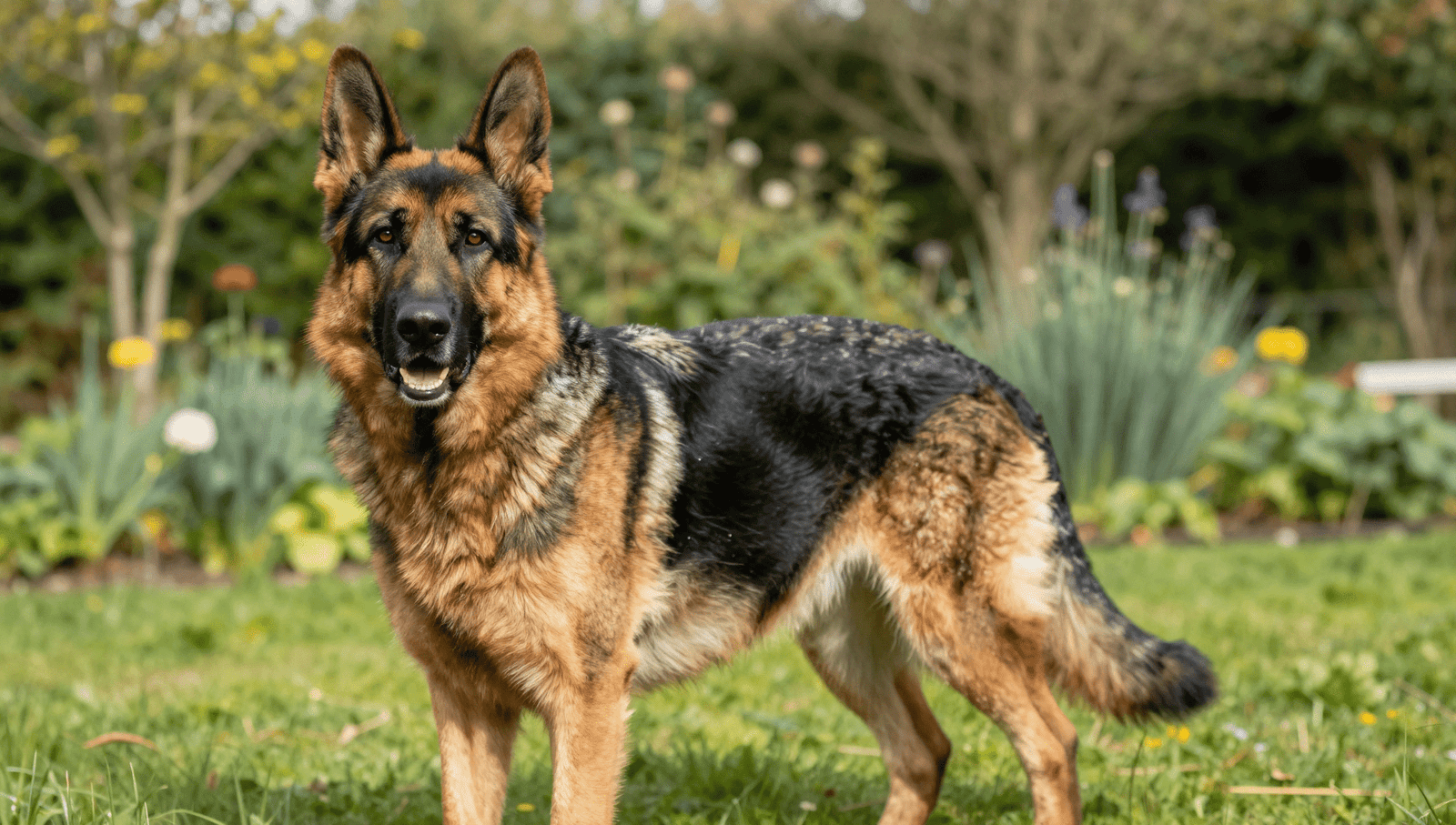
Let me be straight with you — owning a German Shepherd is not for the faint-hearted. These dogs are brilliant, loyal, and incredibly hardworking, but they also come with a fair share of challenges. I’ve spent years around these magnificent creatures, and I can tell you this: they will change your life. For the better? Absolutely. But not without some serious effort on your part.
When I first met a German Shepherd up close, I was struck by how intelligent their eyes looked. It’s almost like they’re constantly calculating something — and honestly, they probably are. Ranked as the third most intelligent dog breed (behind Border Collies and Poodles), these dogs are basically four-legged geniuses wrapped in fur.
But here’s the thing: intelligence without direction can be a recipe for disaster. A bored German Shepherd is a destructive German Shepherd. I’ve seen sofas reduced to stuffing, gardens turned into moonscapes, and owners at their wit’s end. That’s why I’m writing this guide — to help you understand what you’re really signing up for.
In this article, I’ll walk you through everything you need to know about the German Shepherd breed. We’ll cover temperament, training, health concerns, diet, grooming, and the real costs of ownership. Whether you’re considering getting one or already have one, you’ll find practical, honest advice here.
So grab a cuppa ☕, and let’s dive into the wonderful, chaotic, and deeply rewarding world of the German Shepherd.
Temperament and Personality Traits
Let me paint you a picture. Imagine a dog that’s fiercely loyal, incredibly smart, and always ready to protect its family. That’s your German Shepherd in a nutshell. But there’s so much more beneath the surface.
These dogs were bred for work, and it shows in every aspect of their personality. They have this incredible work ethic that puts most humans to shame. I’ve watched German Shepherds tackle training sessions with the same intensity as a marathon runner approaching the finish line. They genuinely want to please you — and they’ll work tirelessly to do it.
However, this drive comes with a catch. German Shepherds need a job. Whether it’s guarding the house, learning new tricks, or accompanying you on runs, they need purpose. Without it, they can become anxious, destructive, or even aggressive.
One thing I absolutely love about this breed is their emotional intelligence. They’re incredibly attuned to their owner’s feelings. If you’re having a bad day, your German Shepherd will know. They’ll come over, rest their head on your lap, and just be there for you. It’s no surprise they’re used as therapy dogs — they have an uncanny ability to sense when you need comfort.
But let’s talk about the not-so-rosy side. German Shepherds are naturally wary of strangers. This isn’t aggression — it’s their protective instinct kicking in. Early socialisation is absolutely critical. I cannot stress this enough. If you don’t expose them to different people, animals, and environments during puppyhood, you could end up with a reactive adult dog.
Here’s a quick breakdown of their key traits:
- Intelligence: Top 3 most intelligent breeds
- Loyalty: Will literally protect you with their life
- Energy: High — they’re not couch potatoes
- Trainability: Excellent, but they need consistent guidance
- Stranger wariness: Natural instinct, manageable with training
- Affection: Surprisingly cuddly with their family
In short, a German Shepherd is a dog that demands respect, attention, and effort. Give them that, and they’ll give you everything they’ve got.
How Much Exercise Does a German Shepherd Actually Need?
If you’re someone who enjoys a gentle 20-minute stroll around the block, I’m going to stop you right there. A German Shepherd will eat that walk for breakfast — literally — and then look at you like “Is that it?”
The honest answer is that adult German Shepherds need around two hours of exercise daily. And I don’t mean leisurely sniffing walks. I’m talking about purposeful activity — long walks, jogs, fetch sessions, or agility training. These dogs were built to work, and their bodies need movement.
I remember taking my friend’s German Shepherd for a “long walk” — about 45 minutes — thinking I’d tire him out. Nope. He came home, drank some water, grabbed a toy, and was ready for round two. That’s when I realised: these dogs have seemingly endless stamina.
Here’s what I recommend for exercise:
- Two walks per day: One in the morning, one in the evening, each at least 45 minutes
- Off-leash running: A secure field or park for sprinting
- Mental stimulation: Hide-and-seek, puzzle toys, scent work
- Structured activities: Agility, obedience drills, fetch with commands
Now, a crucial warning for puppy owners. Do NOT over-exercise your German Shepherd puppy. Their joints are still developing, and too much high-impact activity can lead to hip dysplasia or elbow problems later in life. Stick to the five-minute rule: five minutes of exercise per month of age, twice a day. So a three-month-old puppy gets 15 minutes, twice daily.
As your dog matures (around 12-18 months), you can gradually increase activity levels. By two years old, they should be able to handle the full two-hour routine.
One more thing: never underestimate the power of mental stimulation. A game of tug-of-war or a puzzle toy can be just as tiring as a long walk. German Shepherds need both physical and mental challenges to stay happy. Without them, you’ll end up with a dog that’s bouncing off the walls — or worse, destroying them.
Training Your German Shepherd: The Right Way
Training a German Shepherd is both a joy and a challenge. On one hand, they’re incredibly smart and pick up commands quickly. On the other hand, they’re strong-willed and will test boundaries if given half a chance.
I always tell new owners: consistency is everything. These dogs are like sponges — they absorb everything you teach them, including bad habits. If you let them jump on the sofa once, they’ll remember it forever. If you allow them to pull on the lead because “they’re just excited,” you’re setting yourself up for months of struggle.
Here’s my training framework for German Shepherds:
1. Start socialisation early — I mean really early
From eight weeks old, expose your puppy to everything. Other dogs, people, traffic noises, vacuum cleaners, children, cats. The more they experience, the more confident they’ll become. A well-socialised German Shepherd is a joy to be around. A poorly socialised one can become reactive and difficult to manage.
2. Use positive reinforcement
German Shepherds respond brilliantly to praise and treats. They want to please you. Use that to your advantage. Reward good behaviour immediately, and ignore unwanted behaviour (unless it’s dangerous). Avoid harsh punishment — it can damage the trust between you and make your dog fearful.
3. Teach impulse control
This is huge for German Shepherds. Commands like “wait,” “leave it,” and “stay” teach your dog to think before acting. I always practice this with food — making my dog wait until I give the release command before eating. It’s a simple exercise that builds discipline.
4. Keep sessions short and fun
German Shepherds have great attention spans, but they also get bored with repetition. Keep training sessions to 5-10 minutes, make them fun, and end on a positive note. If your dog successfully learns a command, stop there. Don’t push for more.
5. Address separation anxiety early
This breed bonds intensely with their owners. They can develop separation anxiety if left alone for long periods. Start building independence gradually — leave them alone for short periods, provide enrichment toys, and never make a big fuss when leaving or returning.
One common mistake I see is owners thinking “my dog is smart, so they’ll figure it out.” No, they won’t. Intelligence without guidance leads to confusion. Be clear, be consistent, and be patient.
Feeding and Nutrition for a Healthy German Shepherd
Let’s talk about food — because a German Shepherd can eat. A lot. These dogs have big bodies, high energy levels, and specific nutritional needs that you need to get right.
First, the basics. Adult German Shepherds typically need 1,000 to 1,500 calories per day, depending on their activity level. That usually translates to around 400-600 grams of high-quality dry food daily, split into two meals.
Why two meals? Because German Shepherds are prone to bloat (gastric dilatation-volvulus). This is a life-threatening condition where the stomach twists on itself. Feeding one large meal increases the risk significantly. Always split their daily food into two portions, and wait at least an hour after exercise before feeding.
Here’s what I look for in a German Shepherd’s diet:
- High-quality protein: Chicken, turkey, fish, or lamb as the first ingredient
- Healthy fats: Omega-3 and Omega-6 for coat and joint health
- Glucosamine and chondroitin: These support joint health, crucial for this breed
- Limited fillers: Avoid foods with corn, wheat, or soy as main ingredients
- Appropriate calcium levels: Too much calcium in puppy food can lead to bone issues
Puppy feeding: For the first 12-18 months, feed a large-breed puppy formula. These have controlled calcium and phosphorus levels to support healthy bone development. Don’t overfeed — a chubby puppy is more likely to develop joint problems.
Adult feeding: Switch to adult food around 12-18 months. Look for formulas with joint support ingredients. I personally prefer foods that include glucosamine, chondroitin, and collagen — they make a real difference in mobility as your dog ages.
Senior feeding: Around seven years old, switch to a senior formula. These are lower in calories and higher in joint-supporting nutrients. Many older German Shepherds also benefit from fish oil supplements for cognitive health.
One thing I always recommend: add natural toppers to your dog’s food. A spoonful of plain yogurt for probiotics, a drizzle of salmon oil for omega-3s, or some cooked vegetables for fibre. Small additions can make a big difference.
And please — don’t free-feed. Measure your dog’s food, split it into two meals, and stick to a schedule. This helps with digestion, weight management, and bloat prevention.
Common Health Issues Every German Shepherd Owner Should Know
I’m not going to sugarcoat this: German Shepherds have a higher-than-average number of health problems. It’s unfortunate, but it’s reality. Responsible breeding has improved things, but there are still conditions you need to watch for.
Hip and Elbow Dysplasia
This is the big one. Dysplasia happens when the hip or elbow joint doesn’t fit together properly. It can cause pain, lameness, and arthritis. Responsible breeders screen their dogs for this, but it’s still common. If you’re buying a puppy, ask for the parents’ hip scores.
Signs to watch for: limping, bunny-hopping when running, difficulty rising, reluctance to climb stairs.
Degenerative Myelopathy
This is a heartbreaking condition. It’s a progressive neurological disease that affects the spinal cord, eventually leading to paralysis in the hind legs. Symptoms usually start around eight years old. There’s no cure, although supportive care can help maintain quality of life.
Bloat (GDV)
I mentioned this earlier, but it bears repeating. Bloat is a medical emergency. If your dog’s stomach twists, they need surgery immediately. Signs include unproductive retching, drooling, a distended abdomen, and restlessness. If you see these signs, get to a vet now.
Cataracts and Eye Problems
German Shepherds can develop cataracts as early as six months old. They can also suffer from progressive retinal atrophy (PRA), which leads to blindness. Regular eye checks are important.
Allergies
Many German Shepherds suffer from allergies — both food allergies and environmental ones. Symptoms include itchy skin, ear infections, hair loss, and digestive issues. Finding the trigger can be a process of elimination, but it’s worth it.
Digestive Issues
Sensitive stomachs are common. Vomiting, diarrhoea, and inflammatory bowel disease (IBD) all affect this breed. A consistent, high-quality diet helps manage this.
Preventative care checklist:
- Annual vet check-ups (twice yearly for seniors)
- Hip and elbow screening (if buying a puppy)
- Eye examinations
- Blood tests for thyroid function
- Regular dental care
- Weight management (extra weight strains joints)
I know this section sounds scary, but knowledge is power. If you’re prepared for these issues, you can catch them early and manage them effectively. Pet insurance is non-negotiable for this breed — trust me, you’ll thank yourself later.
Grooming: Keeping That Thick Coat Under Control
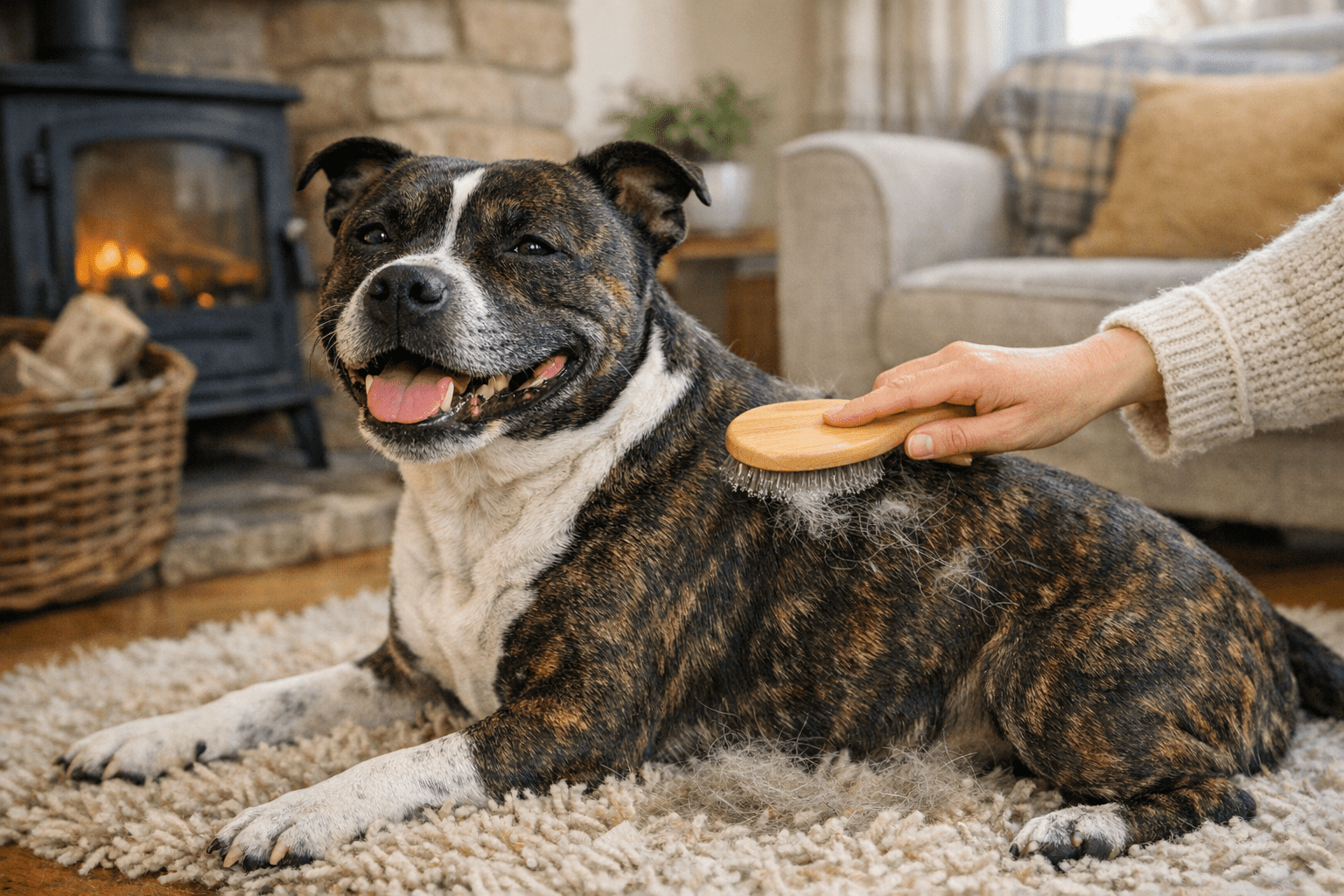
If you’re someone who likes a clean house with no dog hair in sight… well, I’ve got bad news. German Shepherds shed. A lot. And I mean a lot.
This breed has a double coat — a dense undercoat for insulation and a longer outer coat for weather protection. The undercoat sheds heavily twice a year (spring and autumn), but honestly, they shed year-round too.
Here’s my grooming routine for a German Shepherd:
Brushing:
- Weekly brushing during normal periods
- Daily brushing during shedding season
- Use a slicker brush first, then an undercoat rake
- Finish with a pin brush for shine
Don’t make the mistake I did and think “I’ll just vacuum the house more.” Brushing prevents mats, removes loose hair before it ends up on your furniture, and distributes natural oils for a healthy coat.
Bathing:
Only bathe your German Shepherd when necessary — every 2-3 months is fine. Over-bathing strips their coat of natural oils and can cause skin irritation. Use a dog-specific shampoo, and rinse thoroughly (leftover shampoo can cause itching).
Nail trimming:
Check nails monthly. If you can hear them clicking on the floor, they’re too long. If you’re not comfortable trimming yourself, a groomer or vet can do it.
Ear care:
German Shepherds have floppy ears that can trap moisture and debris. Check weekly for redness, discharge, or odour. Clean with a vet-recommended ear cleaner and cotton pad — never use cotton buds inside the ear canal.
Dental care:
Brush teeth 2-3 times per week with dog toothpaste. Dental chews help, but they’re not a replacement for brushing. Bad breath isn’t normal — it could signal dental disease.
Here’s a pro tip: start grooming routines early. Get your puppy used to being handled — paws, ears, mouth, and tail. Make it a positive experience with treats and praise. This will save you years of wrestling with a reluctant adult dog.
And invest in a good vacuum cleaner. Seriously. A cordless Dyson or a robot vacuum will become your best friend. I’m not exaggerating when I say you’ll be vacuuming every single day during shedding season.
The Real Cost of Owning a German Shepherd
Let’s talk money, because German Shepherds aren’t cheap. I want to give you an honest breakdown so there are no surprises.
Initial costs:
- Purchase price: £250–£2,000 (from a breeder)
- Adoption fee: £150–£350 (from a rescue)
- Vaccinations: £40–£70
- Neutering/spaying: £110–£300
- Equipment (crate, bed, bowls, lead, collar): £150–£300
Monthly ongoing costs:
| Expense | Estimated Cost |
|---|---|
| High-quality food | £40–£100 |
| Pet insurance | £30–£60 |
| Flea and worm treatment | £10–£20 |
| Poop bags, treats | £10–£20 |
| Grooming supplies | £5–£15 |
| Total monthly | £95–£215 |
Annual costs:
- Boosters and check-ups: £50–£80
- Dental cleaning (if needed): £150–£400
- Unexpected vet visits: £100–£1,000+
Insurance is non-negotiable.
German Shepherds are prone to expensive health issues. A single hip dysplasia surgery can cost £3,000–£6,000. Without insurance, you could face impossible decisions. I recommend lifetime cover with a good excess level. Compare quotes, read the small print, and don’t go for the cheapest option.
Other considerations:
- Boarding or dog sitters when you travel
- Training classes (£50–£150 for a course)
- Replacement of chewed items (yes, this is a real budget line)
- Supplements for joints and skin
Honestly, owning a German Shepherd costs around £100–£200 per month on average, plus initial setup costs. That’s a significant commitment. But if you’re prepared, it’s absolutely worth it.
Pros and Cons of Owning a German Shepherd
Every breed has its strengths and weaknesses. Here’s my honest assessment based on years of experience.
Pros:
- Unwavering loyalty — they’ll be your shadow
- Incredible intelligence — easy to train
- Excellent guard dogs — you’ll feel safe
- Great with children when properly socialised
- Highly versatile — hiking, agility, therapy work
- Emotionally intuitive — they sense your mood
- Long lifespan for a large breed (9-13 years)
Cons:
- Heavy shedding — invest in a good vacuum
- High exercise needs — not for couch potatoes
- Prone to health issues — expensive vet bills
- Can be wary of strangers — requires socialisation
- Separation anxiety potential — need company
- Strong-willed — inexperienced owners may struggle
- Barking — they’re vocal, especially if bored
Who should NOT get a German Shepherd:
- People who work long hours away from home
- Inactive individuals who don’t enjoy daily exercise
- First-time dog owners without support
- People on a tight budget
- Those who want a low-maintenance pet
Who should get a German Shepherd:
- Active individuals or families
- People with experience in dog training
- Those with time for daily exercise and enrichment
- Owners who can afford vet care and insurance
- People who want a loyal, protective companion
I always say: a German Shepherd is not a “starter dog.” They’re for people ready to commit to an active, intelligent, and demanding breed. But for the right owner, there’s no better dog in the world.
Frequently Asked Questions About German Shepherds
Are German Shepherds good with children?
Yes, they can be excellent with children. They’re protective, patient, and gentle with their family’s little ones. However, supervision is always necessary — no dog should be left unsupervised with very young children. Teach your kids how to interact respectfully (no pulling ears, no disturbing while eating), and your German Shepherd will be their best friend and protector.
How much should a German Shepherd eat per day?
Adult German Shepherds typically need 400–600 grams of high-quality dry food daily, split into two meals. Puppies need more frequent meals (3–4 times a day) with a large-breed puppy formula. Always check the feeding guide on your specific food brand, as calorie content varies. Adjust based on your dog’s activity level and body condition.
Do German Shepherds bark a lot?
They can be vocal, yes. They bark to alert you of visitors, unusual noises, or anything they perceive as a threat. However, excessive barking often indicates boredom, anxiety, or lack of stimulation. A well-exercised and mentally stimulated German Shepherd is much quieter. Training can also help manage barking behaviour.
What is the lifespan of a German Shepherd?
The average lifespan is 9–13 years, with most living around 10–12 years. Smaller females tend to live slightly longer than larger males. Providing good nutrition, regular exercise, preventative veterinary care, and a loving home can help maximise their years with you.
Are German Shepherds easy to train?
Absolutely — they’re one of the most trainable breeds. Their intelligence, eagerness to please, and strong work ethic make them excellent students. However, they’re also strong-willed and need consistent, positive training. Harsh methods won’t work. With patience and positive reinforcement, you’ll be amazed at what they can learn.
Do German Shepherds get along with other dogs?
Usually yes, especially if raised together. They have a natural pack mentality and generally get along well with other dogs in the household. However, introductions to new dogs should be done carefully and slowly. Individual personalities vary, so always supervise initial interactions.
Can German Shepherds live in apartments?
Technically yes, but it’s not ideal. They’re large, active dogs that need space to move. If you live in an apartment, you must commit to providing ample daily exercise (2+ hours) and mental stimulation. They’re also loud barkers, which neighbours may not appreciate. A house with a garden is definitely preferable.
Conclusion
So there you have it — the complete guide to owning a German Shepherd. I’ve covered temperament, exercise, training, diet, health, grooming, and costs. It’s a lot of information, but that’s because this breed deserves an owner who’s fully prepared.
Let me leave you with this: a German Shepherd is not just a pet. They’re a partner, a protector, a workout buddy, and a confidante. They’ll challenge you, frustrate you, and occasionally drive you crazy. But they’ll also love you with an intensity that’s hard to describe.
If you’re ready to commit to an active lifestyle, invest time in training, budget for vet care, and deal with daily shedding, then this breed will reward you in ways you never imagined.
If you’re still on the fence, do more research. Talk to owners. Visit a breeder or rescue. Spend time with adult German Shepherds. Know exactly what you’re getting into before making a decision.
But if you’re ready… welcome to one of the most rewarding relationships you’ll ever have. 🐾