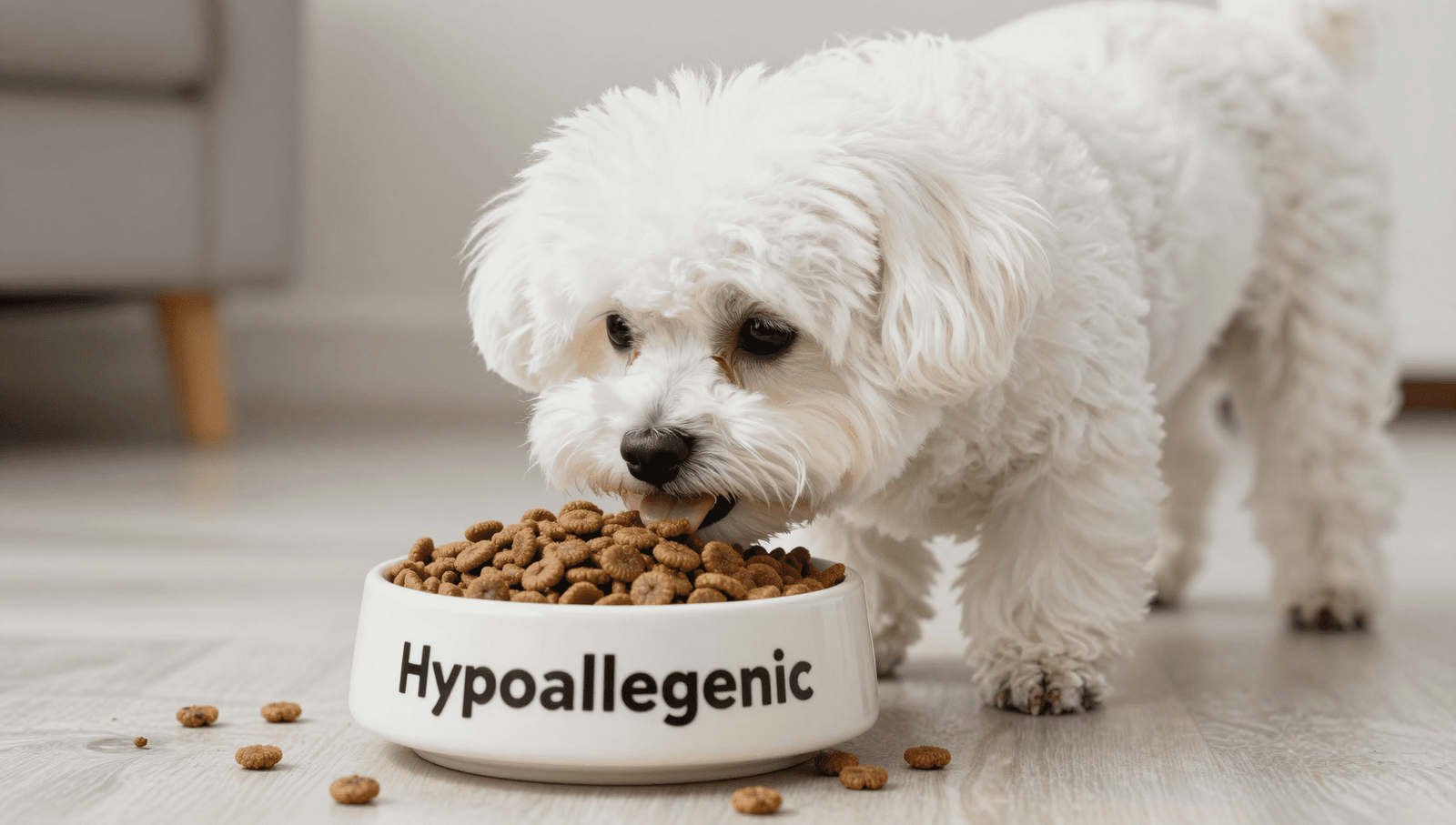
Understanding Royal Canin Hypoallergenic and Its Role in Canine Health
Every dog owner dreads the moment their beloved companion starts scratching incessantly, developing hot spots, or suffering from chronic digestive upset. After months of trial and error with various commercial diets, countless vet visits, and growing frustration, many discover that Royal Canin Hypoallergenic offers a scientifically backed solution. As someone who has personally navigated the challenging journey of managing a dog with severe food sensitivities, I can attest to the transformative power of this veterinary-exclusive diet.
Royal Canin Hypoallergenic represents a paradigm shift in how we approach canine nutrition for dogs suffering from adverse food reactions. Unlike standard commercial dog foods that rely on common protein sources like chicken, beef, or lamb, this specialized formula utilizes hydrolyzed soy protein isolate. The hydrolysis process breaks down protein molecules into such tiny fragments that the dog’s immune system fails to recognize them as potential allergens, effectively bypassing the allergic response mechanism entirely.
The Royal Canin Hypoallergenic Small variety specifically caters to smaller breeds, offering appropriately sized kibble that accommodates their unique dental structure and eating habits. This attention to breed-specific needs exemplifies why Royal Canin Hypoallergenic has earned its reputation as a trusted solution among veterinarians worldwide.
The Science Behind Hydrolyzed Protein Technology
Understanding why Royal Canin Hypoallergenic works requires diving into the fascinating world of protein chemistry and canine immunology. When a dog develops a food allergy, their immune system mistakenly identifies certain protein structures as dangerous invaders. This triggers an inflammatory cascade resulting in skin issues, gastrointestinal distress, or both.
The hydrolyzed soy protein isolate found in Royal Canin Hypoallergenic undergoes enzymatic processing that reduces protein molecular weight to under 12,000 Daltons. At this microscopic size, the protein fragments are too small to cross-link with immunoglobulin E antibodies on mast cells, preventing the histamine release that causes allergic symptoms. This technological innovation sets Royal Canin Hypoallergenic apart from limited ingredient diets that simply use novel proteins like venison or kangaroo, which can still trigger reactions in sensitive individuals.
During my personal experience with a Jack Russell Terrier suffering from ulcerative colitis, the Royal Canin Hypoallergenic formula proved miraculous. Within two weeks of transitioning to this diet, the bloody diarrhea ceased, and the constant licking of paws diminished noticeably. The hydrolyzed protein technology essentially “tricks” the immune system into accepting the food without mounting an inflammatory response, allowing the gut lining to heal and restore proper digestive function.
Comprehensive Ingredient Analysis of Royal Canin Hypoallergenic
The ingredient profile of Royal Canin Hypoallergenic reveals a carefully constructed nutritional matrix designed to support dogs with multiple sensitivities. Rice serves as the primary carbohydrate source, providing easily digestible energy without the common allergens found in wheat, corn, or soy. The hydrolyzed soy protein isolate delivers essential amino acids without triggering immune responses.
Animal fats contribute necessary fatty acids for energy density and palatability, while hydrolyzed poultry liver enhances flavor acceptance without introducing intact protein structures. Soya oil and fish oil provide omega-3 and omega-6 essential fatty acids, including EPA and DHA, which modulate inflammatory responses and support skin barrier function. This is particularly important because Royal Canin Hypoallergenic not only prevents allergic reactions but actively repairs the damage caused by chronic inflammation.
Beet pulp offers a moderate fiber source that promotes healthy digestion and stool quality. Fructo-oligosaccharides (FOS) act as prebiotics, nourishing beneficial gut bacteria and supporting the microbiome. The addition of sodium polyphosphate helps maintain dental health by binding calcium in saliva, reducing tartar formation. Taurine supports cardiac function, while borage oil provides gamma-linolenic acid for additional anti-inflammatory support. Marigold extract contributes lutein, an antioxidant that supports eye health and immune function.
Clinical Applications and Veterinary Recommendations
Veterinarians frequently prescribe Royal Canin Hypoallergenic for dogs diagnosed with adverse food reactions manifesting as dermatological or gastrointestinal symptoms. The Hypoallergenic formula excels in elimination diet trials, where the goal is to identify problematic ingredients by feeding a strictly controlled diet for eight to twelve weeks.
During this diagnostic period, owners must commit to feeding Royal Canin Hypoallergenic exclusively, eliminating all treats, table scraps, and flavored medications. This discipline proves challenging but essential for accurate diagnosis. After the elimination period, if symptoms have resolved, controlled challenges with specific proteins can be introduced to identify specific triggers.
The Veterinary Diet designation means Royal Canin Hypoallergenic requires professional oversight. This ensures appropriate use, as some dogs may need the diet long-term while others can transition to maintenance foods after healing. My veterinarian emphasized that Royal Canin Hypoallergenic should not be fed indefinitely without professional guidance, as the highly digestible nature may not provide sufficient challenge for dogs with normal digestive function.
Comparing Royal Canin Hypoallergenic to Alternative Hypoallergenic Options
When evaluating Royal Canin Hypoallergenic against competitors, several distinguishing features emerge. Brands like Hills Prescription Diet z/d and Purina Pro Plan Veterinary Diets HA offer similar hydrolyzed protein technologies, but Royal Canin Hypoallergenic differentiates itself through breed-specific formulations.
The Small variety provides kibble sized for small mouths, making it particularly suitable for breeds like Chihuahuas, Yorkshire Terriers, and Pomeranians. Additionally, Royal Canin Hypoallergenic contains a proprietary skin barrier complex that targets transepidermal water loss, strengthening the skin’s natural defense mechanisms.
Customer reviews consistently highlight that Royal Canin Hypoallergenic resolves itching, scratching, and gastrointestinal issues faster than alternative diets. Many owners report visible improvements within two weeks, with full resolution of symptoms by the eight-week mark. The high palatability ensures even picky eaters accept the diet readily, reducing the stress of convincing a sick dog to eat.
Practical Feeding Guidelines for Royal Canin Hypoallergenic
Transitioning to Royal Canin Hypoallergenic requires patience and adherence to proper protocols. Begin by mixing 25% Royal Canin Hypoallergenic with 75% of the current food for two to three days. Gradually increase the proportion to 50/50, then 75/25, before feeding exclusively Royal Canin Hypoallergenic. This gradual transition minimizes digestive upset and allows the gut microbiome to adjust.
Portion control is crucial, as Royal Canin Hypoallergenic is calorie-dense compared to many commercial foods. The Weight Control formulation helps maintain ideal body condition, but owners must follow feeding guidelines based on their dog’s ideal weight, not current weight. Small breed dogs typically require between 130 to 185 grams daily, divided into two meals.
Fresh water should always be available, especially when feeding dry kibble exclusively. Some dogs may experience increased thirst initially as their bodies adjust to the concentrated nutrition. Monitoring water intake and urinary output provides valuable insight into kidney function and hydration status.
Managing Expectations: Results Timeline with Royal Canin Hypoallergenic
Realistic expectations are essential when starting Royal Canin Hypoallergenic. While some dogs show dramatic improvement within days, others require the full eight-week elimination period before noticeable changes occur. The hydrolyzed protein technology works by preventing new allergic reactions, but existing inflammation must resolve naturally.
Gastrointestinal symptoms typically improve first, with firmer stools and reduced frequency within one to two weeks. Skin symptoms lag behind, as the healing process requires time for new skin cell production and hair regrowth. Dogs with chronic ear infections often show improvement in three to four weeks as the inflammatory mediators subside.
The Hypoallergenic formula’s long-term use depends on individual response. Some dogs transition to over-the-counter limited ingredient diets after successful elimination trials. Others require lifelong Royal Canin Hypoallergenic management for optimal health. Regular veterinary reassessment ensures appropriate dietary adjustments as the dog ages or health status changes.
Potential Drawbacks and Considerations
No diet is perfect, and Royal Canin Hypoallergenic has limitations that owners should understand. The premium pricing reflects the sophisticated manufacturing processes required for protein hydrolysis. A 3.5-kilogram bag may cost significantly more than standard dog foods, representing a substantial ongoing investment for large breed owners.
Some dogs simply refuse to eat Royal Canin Hypoallergenic, particularly those accustomed to wet food or varied diets. The dry kibble texture may not appeal to all palates, though the hydrolyzed poultry liver coating enhances acceptance. Mixing with warm water to create a gravy-like consistency sometimes helps reluctant eaters accept the diet.
The Ferret Hypoallergenic ** formula contains higher sodium levels than some alternative diets, which may be problematic for dogs with cardiac or renal conditions. Veterinary supervision ensures appropriate monitoring of electrolyte balance and organ function. Additionally, the concentrated nutrition may cause weight gain if portions are not carefully measured and adjusted for activity levels.
Success Stories: Real Owners, Real Results
The Amazon product page for Royal Canin Hypoallergenic reveals hundreds of five-star reviews from grateful owners. One reviewer describes how their Bichon Frise stopped chewing at his legs within days of starting Royal Canin Hypoallergenic , resolving a months-long battle with skin allergies. Another owner reports that their Cavapoo’s ulcerative colitis finally healed after multiple failed treatments with other diets.
These testimonials underscore the emotional and financial relief that Royal Canin Hypoallergenic provides. Watching a beloved pet suffer from chronic itching, vomiting, or diarrhea takes an enormous toll on families. The Veterinary Diet formulation offers hope when conventional approaches have failed, restoring quality of life for both dogs and their humans.
One particularly moving account describes a senior Shih Tzu who had lost most of her coat due to severe allergies. After three months on Royal Canin Hypoallergenic , her fur grew back glossier than ever, and her energy levels returned to normal. The owner credits the diet with giving their elderly dog an additional two years of comfortable, happy life.
Integrating Royal Canin Hypoallergenic with Veterinary Care
Successful use of Royal Canin Hypoallergenic requires collaboration between owners and veterinarians. Before starting the diet, your vet should perform a thorough examination to rule out other causes of symptoms, such as parasites, bacterial infections, or environmental allergies. Blood work and skin scrapings may be necessary to establish baseline health markers.
During the elimination period, regular check-ins with your veterinarian track progress and adjust treatment protocols. Some dogs require additional support, such as omega-3 supplements or probiotics, to maximize the benefits of Royal Canin Hypoallergenic. Your vet can recommend appropriate adjunctive therapies based on your dog’s specific presentation.
After successful resolution of symptoms, your veterinarian may recommend challenge testing to identify trigger ingredients. This involves temporarily adding single protein sources to the diet and monitoring for reactions. Documenting these challenges creates a comprehensive allergy profile that guides long-term dietary choices.
Long-Term Health Maintenance with Royal Canin Hypoallergenic
For dogs requiring lifelong management, Royal Canin Hypoallergenic provides complete and balanced nutrition meeting Association of American Feed Control Officials standards for all life stages. The Canin formulation includes appropriate calcium-to-phosphorus ratios for skeletal health, optimal protein levels for muscle maintenance, and balanced omega fatty acids for coat condition.
Regular veterinary wellness exams remain essential for dogs on Royal Canin Hypoallergenic. Blood work monitoring kidney and liver function ensures the diet continues meeting individual metabolic needs. As dogs age, their nutritional requirements change, and your veterinarian may recommend transitioning to senior-specific formulas within the Royal Canin Hypoallergenic family.
Dental health deserves particular attention, as the Dental Care benefits of Royal Canin Hypoallergenic derive from kibble texture and sodium polyphosphate content. Regular dental cleanings and at-home care remain important for complete oral hygiene. The diet reduces tartar accumulation but cannot replace professional dental care entirely.
Frequently Asked Questions About Royal Canin Hypoallergenic
Question: Can I feed Royal Canin Hypoallergenic to my puppy?
Answer: Royal Canin Hypoallergenic is formulated for adult dogs above twelve months of age. Puppies have different nutritional requirements, and your veterinarian should recommend age-appropriate alternatives if needed.
Question: How long will one bag of Royal Canin Hypoallergenic last?
Answer: A 3.5-kilogram bag of Royal Canin Hypoallergenic typically lasts a small breed dog approximately one month, assuming standard feeding portions. Actual duration depends on your dog’s size, activity level, and metabolic rate.
Question: Can I mix Royal Canin Hypoallergenic with other foods?
Answer: During the elimination trial, Royal Canin Hypoallergenic should be fed exclusively to ensure accurate results. After successful treatment, your veterinarian may recommend transitioning to other foods, but mixing should only occur under professional supervision.
Question: Does Royal Canin Hypoallergenic contain grains?
Answer: Yes, Royal Canin Hypoallergenic contains rice, which is a grain. However, rice is naturally gluten-free and rarely triggers allergic reactions in dogs. The hydrolyzed protein technology, not grain-free formulation, makes this diet hypoallergenic.
Question: Is Royal Canin Hypoallergenic available without a prescription?
Answer: While Royal Canin Hypoallergenic appears on Amazon and other online retailers, veterinary supervision is strongly recommended. The diet should only be used under professional guidance to ensure appropriate diagnosis and treatment.
Conclusion: Is Royal Canin Hypoallergenic Right for Your Dog?
After extensive research and personal experience with Royal Canin Hypoallergenic , I can confidently recommend this veterinary diet for dogs suffering from confirmed or suspected food allergies. The sophisticated hydrolyzed protein technology, combined with targeted nutritional support for skin and digestive health, addresses the root causes of adverse food reactions effectively.
The Royal Canin Hypoallergenic formula represents a significant investment financially, but the return on that investment manifests as improved quality of life, reduced veterinary expenses for symptom management, and the profound relief of watching your dog thrive without constant discomfort. The Veterinary Diet designation ensures that your dog receives nutrition backed by decades of research and clinical validation.
Before purchasing Royal Canin Hypoallergenic , consult with your veterinarian to confirm that food allergy is indeed causing your dog’s symptoms. Eliminate other potential causes and commit to the recommended feeding protocol for optimal results. With patience, dedication, and the right nutritional support, your sensitive dog can enjoy a comfortable, symptom-free life.
The journey from a scratching, vomiting, miserable dog to a glossy-coated, energetic companion seems impossible when you are in the throes of managing symptoms daily. Royal Canin Hypoallergenic offers a scientifically proven path to achievable healing. Trust the process, follow veterinary guidance, and prepare to witness the remarkable transformation that proper nutrition can achieve. Your dog deserves nothing less than the best, and Royal Canin Hypoallergenic delivers exactly that.