When you first lay eyes on a Staffordshire Bull Terrier, with that big, blocky head and a grin that could melt a polar bear’s heart, you might think you’ve found the perfect low-maintenance dog. They are muscular, active, and look like they’d be a breeze to keep clean. But before you sign the adoption papers or bring that bouncy puppy home, there is one question that crosses the mind of every prospective owner who values their black trousers and beige sofas: Do Staffordshire Bull Terriers moult?
It’s a valid concern. Nobody wants to spend their weekends drowning in a sea of dog hair or armed with a lint roller before every meeting. As a dog owner myself, I know the struggle of maintaining a fur-free home is real. The Staffie, with its short, smooth coat, often gets a reputation for being “hypoallergenic” or “non-shedding.” But is that reputation earned, or is it just a myth passed down through the dog park?
In this comprehensive guide, we are going to dig deep into the shedding habits of the Staffordshire Bull Terrier. We’ll explore their coat type, the science behind their shedding cycles, and how to manage the fur situation so you can spend less time vacuuming and more time playing with your muscular companion. Let’s get to the bottom of the fur mystery! 🐾
The Short Answer: Do Staffordshire Bull Terriers Moult?
Let’s not beat around the bush here. If you are looking for a dog that produces absolutely zero hair on your clothes, the Staffie is not the breed for you. Yes, Staffordshire Bull Terriers do moult.
Related Posts
However—and this is a big “however”—they are nowhere near the worst offenders in the canine kingdom. While you won’t find tumbleweeds of fur rolling across your hallway like you might with a German Shepherd or a Golden Retriever, you will definitely find evidence of your dog’s existence on your upholstery.
Staffies are generally considered a low-to-moderate shedding breed. Because their coats are short, the hairs they drop are often small, wiry, and stubborn. They have a knack for weaving themselves into fabric fibres, making them surprisingly difficult to hoover up if left too long. So, while they won’t leave clumps of fur floating in the air, they will leave a fine dusting of “Staffie glitter” on everything they touch. If you have ever owned a Staffie, you know exactly what I mean—it’s that short, prickly hair that gets stuck in the weave of your socks. 😅
Understanding the Staffie Coat Type
To understand why Staffies shed, we need to look at what they are actually wearing. The Staffordshire Bull Terrier has a short, smooth, and close-fitting coat. Unlike double-coated breeds (like Huskies) that have a fluffy undercoat to keep them warm, Staffies typically have a single coat.
However, there is some debate among breeders and owners about whether Staffies have a true single coat. Many experts believe they have a very fine, sparse undercoat that sits beneath the guard hairs. This is why you might notice your Staffie getting a slightly thicker coat as winter approaches and shedding it out as the weather warms up.
Their coat is designed to be functional and low-maintenance. It lies flat against the skin, showing off their incredible muscle definition. Because the hair is short and stiff, it doesn’t tend to “float” in the air for long periods, which is good news for allergy sufferers, though it doesn’t make them hypoallergenic. The dander (skin flakes) is usually the bigger issue for allergies than the hair itself.
How Much Do Staffordshire Bull Terriers Moult?
If we were to put shedding on a scale of 1 to 10, with 1 being a Poodle (minimal shedding) and 10 being an Alaskan Malamute (constant blizzard of fur), I would rate the Staffordshire Bull Terrier around a 3 or 4.
They are definitely not the messiest breed. Most of the year, the shedding is barely noticeable. You might not even realize they are shedding until you sit down on a dark sofa in a pair of light trousers. But during their seasonal “blowouts,” the amount of hair increases.
Staffie vs. Labrador: The Fluff Showdown
To give you a better idea of where the Staffie stands in the shedding hall of fame, let’s compare them to the UK’s other favourite breed: the Labrador Retriever.
| Feature | Staffordshire Bull Terrier | Labrador Retriever |
|---|---|---|
| Coat Type | Single coat (short, smooth) | Double coat (dense undercoat) |
| Shedding Volume | Low to Moderate | High |
| Hair Visibility | Short, wiry, hard to see on some surfaces | Long, soft, very visible |
| Grooming Effort | Minimal (weekly brush) | High (daily brushing during shedding season) |
| “Tumbleweeds” | Rare | Common |
As you can see, if you choose a Staffie over a Lab, you are signing up for significantly less cleaning duty. It’s a trade-off: the Staffie requires less grooming effort but lacks that plush, cuddly fur texture.
Seasonal Shedding: When Does the Hair Hit the Floor?
Like most dogs, the Staffordshire Bull Terrier’s shedding is largely dictated by the sun. Dogs are photoperiodic, meaning their hair growth cycles are triggered by the amount of daylight they are exposed to.
In the Spring, as the days get longer, your Staffie will shed their thicker winter coat to prepare for the warmer weather. This is often called “blowing their coat.” It’s the time of year when you will see the most hair coming off them. You might find yourself needing to brush them every day rather than once a week.
In the Autumn, they will shed their lighter summer coat to make room for the denser winter fur. This helps them insulate against the dropping temperatures.
However, if you live in the UK, where the weather is famously unpredictable and we spend a lot of time indoors with central heating, your Staffie might not get the clear signal to stop shedding. Indoor dogs often shed a small amount consistently all year round because artificial lighting and heating disrupt their natural cycles.
Health Factors: Why Is My Staffie Shedding So Much?
If you find yourself asking, “Do Staffordshire Bull Terriers moult this much?!” and the answer feels like “yes, way too much,” then something else might be going on. Excessive shedding is often a red flag that your dog’s health is compromised in some way.
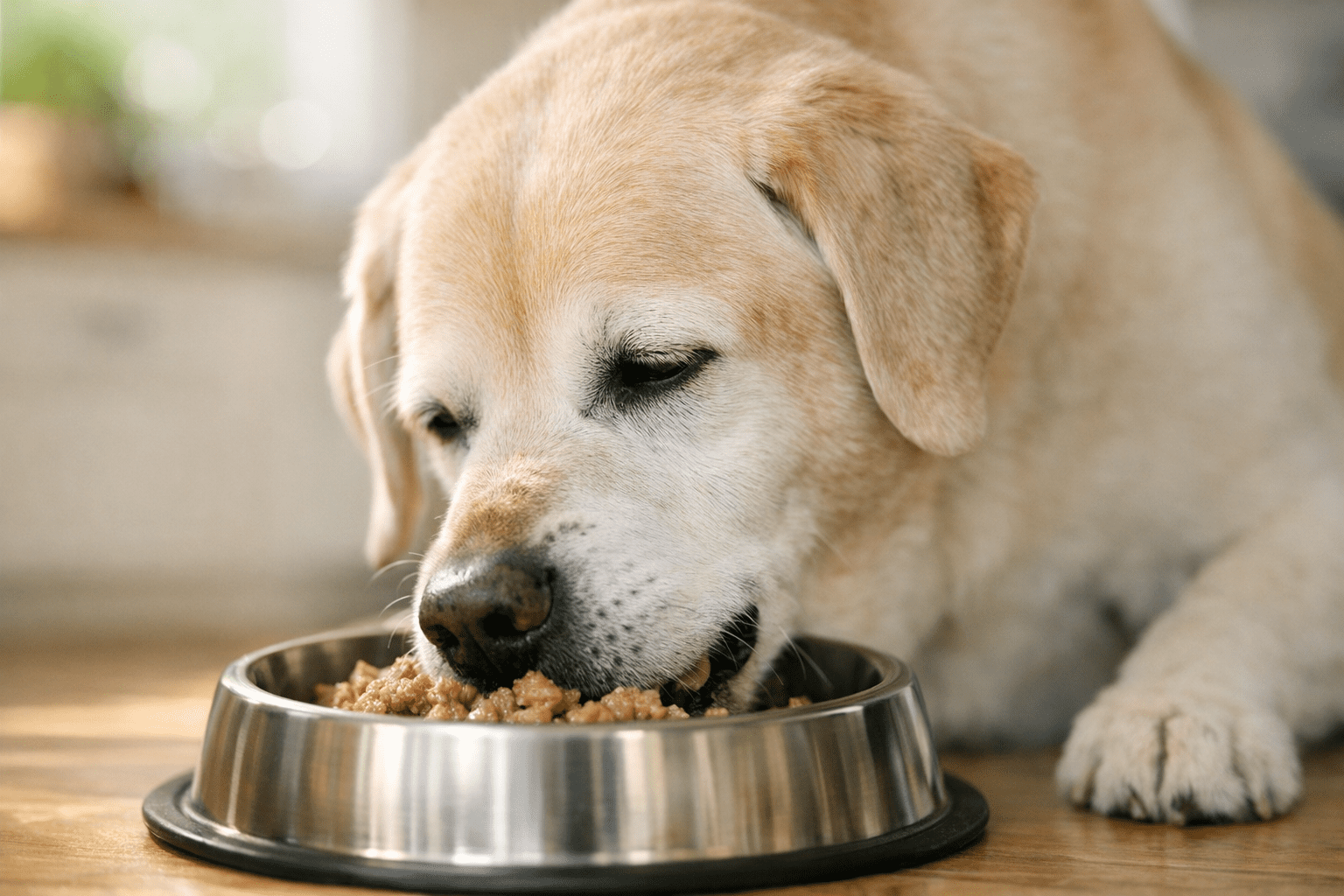
Diet and Nutrition: Staffies are prone to skin sensitivities. If they are eating low-quality food filled with fillers, grains, or artificial additives, their coat will suffer. A dull coat often leads to brittle hair and excessive shedding. Look for high-quality protein sources and consider adding a little salmon oil to their dinner for those Omega-3 fatty acids.
Allergies: Staffies are notorious allergy sufferers. They can be allergic to pollen, dust mites, or even their food. A common symptom of allergies is intense itching and scratching, which leads to hair loss. If your dog is constantly nibbling at their paws or rubbing their face on the carpet, they might be dealing with atopic dermatitis.
Stress: Just like humans, dogs can lose hair when they are stressed. Changes in the household, separation anxiety, or a lack of mental stimulation can cause your Staffie to shed more than usual.
Skin Infections: Due to their short coat, Staffies are exposed to the elements. They can pick up bacterial infections or parasites (like fleas or mites) more easily. If you notice bald patches or red skin, a trip to the vet is in order.
Grooming 101: Managing the Staffie Moult
The good news is that managing a Staffie’s shedding is incredibly easy. You don’t need to book them in for expensive grooming sessions every month. You can handle it all at home with the right tools and a little bit of consistency.
The Right Tools: Because they have short hair, you don’t need a heavy-duty slicker brush. In fact, using a wire brush can scratch their skin. Instead, invest in:
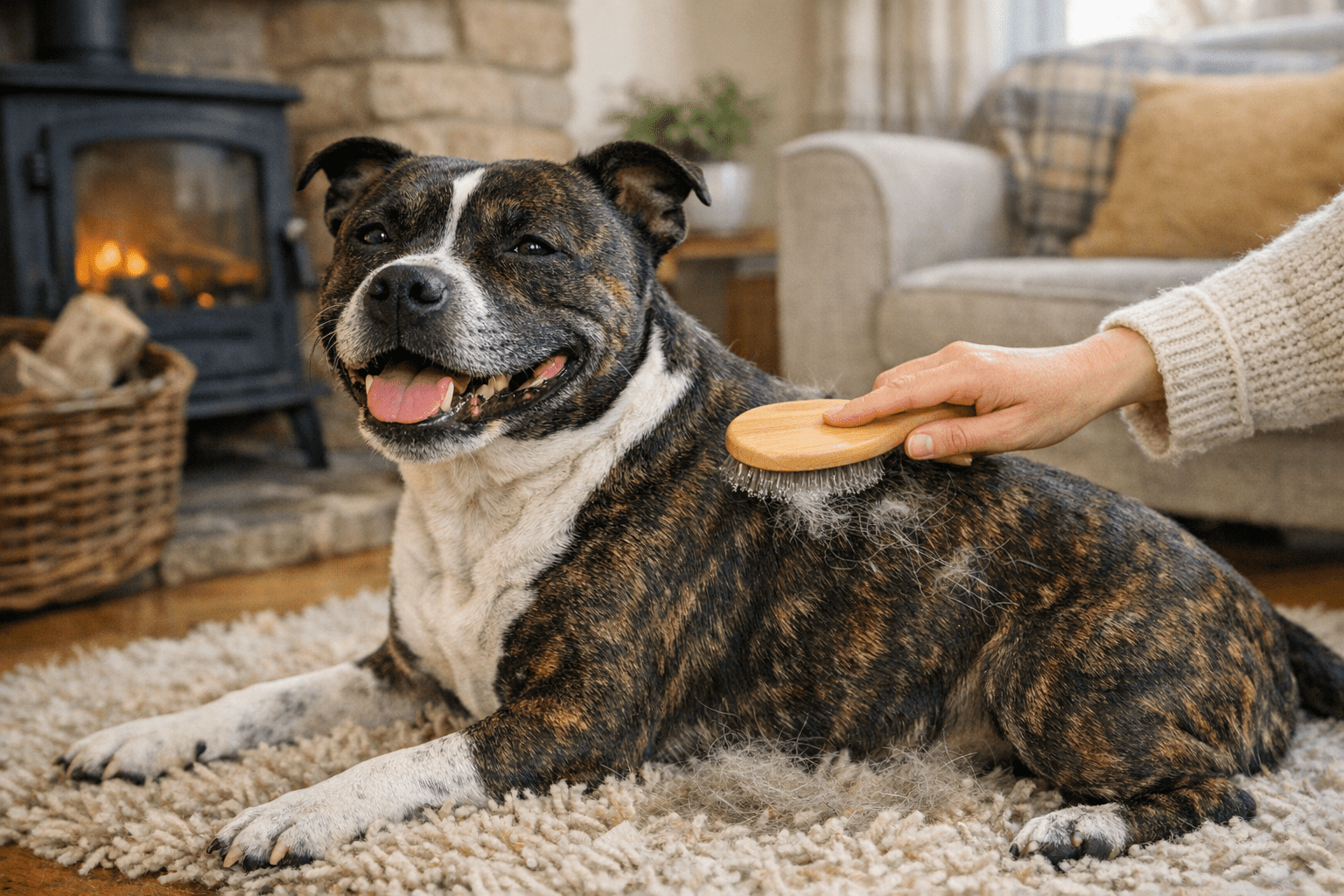
- A Rubber Grooming Mitt or Curry Comb: This is perfect for Staffies. You can pet your dog with it, and it removes loose hair and massages the skin simultaneously.
- A Bristle Brush: Good for finishing off and distributing natural oils to make the coat shiny.
- Lint Rollers: Your best friend for the sofa.
The Routine: I recommend giving your Staffie a quick once-over with the grooming mitt once or twice a week. It takes about five minutes. Not only does this remove loose fur before it hits the carpet, but it also allows you to check for any lumps, bumps, or skin irritations that might be hiding under that blue, red, or brindle coat.
Bathing: Don’t overdo the baths! Staffies have sensitive skin, and washing them too often (more than once every few months) can strip their natural oils, leading to dry skin and more shedding. When you do bathe them, use a gentle, hypoallergenic dog shampoo.
Pros and Cons of a Low-Shedding Dog
If you are still on the fence about whether the Staffie shedding level is manageable for you, here is a quick breakdown of the pros and cons of their coat type.
Pros:
- Less Housework: You won’t need to hoover every single day.
- Less Doggy Smell: Short coats tend to trap less odour than long, thick double coats.
- Quick Drying: Bath time is a breeze, and they dry off in minutes (perfect for rainy UK walks).
- Easy Inspection: Ticks, fleas, and skin issues are easier to spot on a short coat.
Cons:
- The “Velcro” Hair: The short, bristly hairs can be tough to get out of certain fabrics.
- Sensitivity: With less fur protection, their skin is more exposed to sunburn (yes, dogs can get sunburned!) and scrapes.
- Cold Intolerance: They get cold quickly in winter and may need a doggy coat.
Frequently Asked Questions
Do Staffordshire Bull Terriers shed more than French Bulldogs?
Generally, they shed at a similar rate. Both are short-haired breeds. However, French Bulldogs have more skin folds that require cleaning, whereas Staffies are smoother and require less overall skin maintenance.
Are Staffordshire Bull Terriers hypoallergenic?
No dog is 100% hypoallergenic. While Staffies don’t shed as much as other breeds, they still produce dander and saliva, which are the primary sources of allergens for humans.
Why is my Staffie scratching so much?
If your Staffie is scratching excessively, it’s likely not just moulting. It could be allergies, fleas, or a skin infection. It is always best to consult your vet if the scratching is causing hair loss or hot spots.
How often should I brush my Staffie to control shedding?
Once a week is usually sufficient for most of the year. During the spring and autumn shedding seasons, you might want to increase this to every other day to keep the loose fur under control.
Can I shave my Staffie to stop them shedding?
Please do not shave your Staffie! Their coat protects their skin from the sun and the cold. Shaving can disrupt their natural hair growth cycle, cause the hair to grow back patchy, and expose them to sunburn and insect bites.
Do Staffies moult more as puppies?
Puppy coats are softer and fluffier than adult coats. When your Staffie transitions from their puppy coat to their adult coat (usually between 6 to 12 months), you might notice a slightly higher amount of shedding as the texture changes.
Final Thoughts
So, do Staffordshire Bull Terriers moult? Absolutely. They are dogs, after all, and shedding is a natural, healthy process that helps them regulate their body temperature and get rid of old, damaged hair.
However, compared to many other popular breeds, the Staffie is a doddle. Their shedding is manageable, predictable, and easy to maintain with a weekly brush and a good diet. If you are willing to embrace a few short hairs on your jumper and commit to a quick grooming session once a week, the Staffie’s shedding should not put you off.
When you weigh up the pros and cons, the small amount of hair they leave behind is a tiny price to pay for the immense amount of love, loyalty, and joy these little muscular companions bring into our lives. Now, pass the lint roller and let’s go for a walk! 🐕