
Welcome, fellow dog lovers! If you are reading this, chances are you have fallen head over heels for those big brown eyes and that eternally wagging tail. The Labrador Retriever is, quite simply, the nation’s sweetheart. They are loyal, boisterous, intelligent, and let’s be honest, they have a bottomless pit for a stomach. But before you rush out to buy a crate and a mountain of tennis balls, we need to talk about the elephant—or rather, the puppy—in the room: the cost.
When I was looking for my first dog, I was shocked to see how prices varied. It felt a bit like shopping for a used car, but with more drool. In this guide, we are going to break down exactly how much is a Labrador Retriever puppy in the UK. We will look at the market rates, what influences the price, and why “cheap” can sometimes mean “expensive” in the long run. By the end of this article, you will be fully clued up on puppy prices, dog nutrition costs, and vet bills. Let’s dive in! 🐶
Understanding the Current Labrador Market
The Labrador Retriever has topped the popularity charts in the UK for decades. They are the go-to choice for families, gundog enthusiasts, and assistance dog charities alike. Because they are so popular, the market is always bustling. However, the cost of owning a dog is not static. Factors like inflation, rising veterinary costs, and demand for specific traits (like Fox Red or Silver coats) all play a role.
If you look at the current listings on sites like Labrador Owners, you will see a wide range of prices. Currently, the market is seeing prices ranging anywhere from £500 to £2,500. That is a massive gap! But why the difference? It generally comes down to the pedigree, the breeder’s investment in health testing, and the location. A Labrador from a long line of Field Trial Champions in Yorkshire will cost a lot more than a pet-bred puppy from a farm in rural Wales. It is a classic case of supply and demand, mixed with quality assurance.
Related Posts


Key Factors Influencing the Price
You might be wondering why one puppy is £600 and another is £2,000. It is not just about the colour of the fur, though that plays a part. Here are the main factors that dictate the price tag:
- Breeder Reputation: Licensed breeders and those with Kennel Club (KC) Assured Breeder status invest heavily in their dogs. They pay for licenses, inspections, and top-tier healthcare. This overhead is reflected in the price.
- Health Testing: This is the big one. Responsible breeders test for conditions like Hip Dysplasia, Elbow Dysplasia, and Progressive Retinal Atrophy (PRA). These tests cost money but save you heartache and vet bills later.
- Pedigree: Is the dad a Field Trial Champion (FTCh)? If so, expect to pay a premium.
- Location: Prices in London and the South East tend to be higher than in the North or Scotland due to the general cost of living.
Price Breakdown by Breeder Type
To give you a clearer picture, I have put together a table comparing what you might expect to pay based on the seller type. This is based on current market analysis of UK listings.
| Seller Type | Typical Price Range (£) | What You Are Paying For | Risk Level |
|---|---|---|---|
| Private Seller (Pet Home) | £500 – £1,200 | A family pet having puppies; usually fewer health checks. | Medium to High |
| Hobby Breeder (Unlicensed) | £1,000 – £1,600 | Good care, but may not have full KC registration or all health tests. | Medium |
| KC Registered Breeder | £1,500 – £2,000 | Full pedigree, KC papers, standard health tests, contract. | Low |
| Licensed Specialist Breeder | £1,800 – £2,500+ | Extensive health testing, show/work lines, lifetime support. | Very Low |
As you can see, knowing how much is a Labrador Retriever puppy in the UK depends heavily on who you buy from. While that private seller on Gumtree might seem like a bargain, you might be inheriting a dog with hidden health issues.
The Hidden Costs: Beyond the Purchase Price
Buying the puppy is just the entry fee. I like to tell new owners that the price of the puppy is the “down payment” on a much larger investment. You need to budget for dog care, puppy training, and gear. Here is a rough idea of what you will spend in the first year alone:
- Vaccinations & Microchipping: £100 – £150
- Neutering/Spaying: £150 – £300
- Insurance: £400 – £800 (Crucial for Labradors due to joint issues)
- Food (High Quality): £500 – £700 per year
- Training Classes: £100 – £200
- Grooming & Gear: £200+
When you add this up, the first year of ownership can easily cost over £1,500 on top of the puppy price. So, before you ask “how much is a Labrador Retriever puppy in the UK”, ask yourself, “Can I afford the lifestyle?” It is a financial commitment that requires planning, just like a mortgage, but with a lot more tail wagging.
Health Testing: Why It Saves You Money
Let’s talk about health. Labradors are generally robust, but they are prone to certain genetic issues. The most common are Hip and Elbow Dysplasia. Treating these conditions can cost thousands of pounds, often requiring surgery and physiotherapy.
This is why I always advocate for buying from a breeder who does full health testing. A breeder who checks hip scores (aim for 0-10 combined, with breed average being lower) and elbow scores (0/0 is best) is doing their bit to ensure you get a healthy dog. It might cost more upfront, but it is an investment in your dog’s lifespan and your wallet. I learned this the hard way with my first dog, who had undiagnosed joint issues—trust me, the vet bills were eye-watering. Always ask to see the certificates; a good breeder will be proud to show them off.
Choosing the Right Breeder
With so many adverts online, how do you spot a good breeder? It is a bit like online dating; you have to sift through a lot of duds to find “the one.”
- Ask Questions: A good breeder will interview you. They want to know about your home, garden, and work schedule. If they are happy to sell to anyone with cash, walk away.
- Visit the Home: Never buy a puppy without seeing it with its mother. If they suggest meeting in a car park, run for the hills. This is a massive red flag for puppy farms.
- Check Reviews: Look for breeders listed on reputable sites or those with a history of happy owners.
- The Contract: Expect a contract that requires you to return the dog if you can’t keep it. This shows the breeder cares about the dog’s life-long welfare.
Coat Colours and Price Variations
Colour is a hot topic in the Labrador world. You have your standard colours: Black, Yellow, and Chocolate. Then you have the “fashionable” colours: Fox Red, Charcoal, and Silver.
Fox Red Labradors are very popular right now, and you will often see them priced higher than a standard yellow or black puppy. “Silver” and “Charcoal” Labradors are controversial; the Kennel Club does not recognise them as a standard colour, and they are often associated with diluted genes. While they look striking, I would urge caution. Breeders focusing solely on rare colours might prioritize looks over temperament and health. If you are just looking for a family pet, save your money and go for a classic Black or Yellow—they are just as loveable and usually easier to find at a standard price.
Labrador Nutrition and Diet Costs
Once you have your puppy, you need to feed it. And oh boy, do Labradors love to eat. 🍗 They are notorious for being “food vacuums,” which makes them easy to train but also prone to obesity.
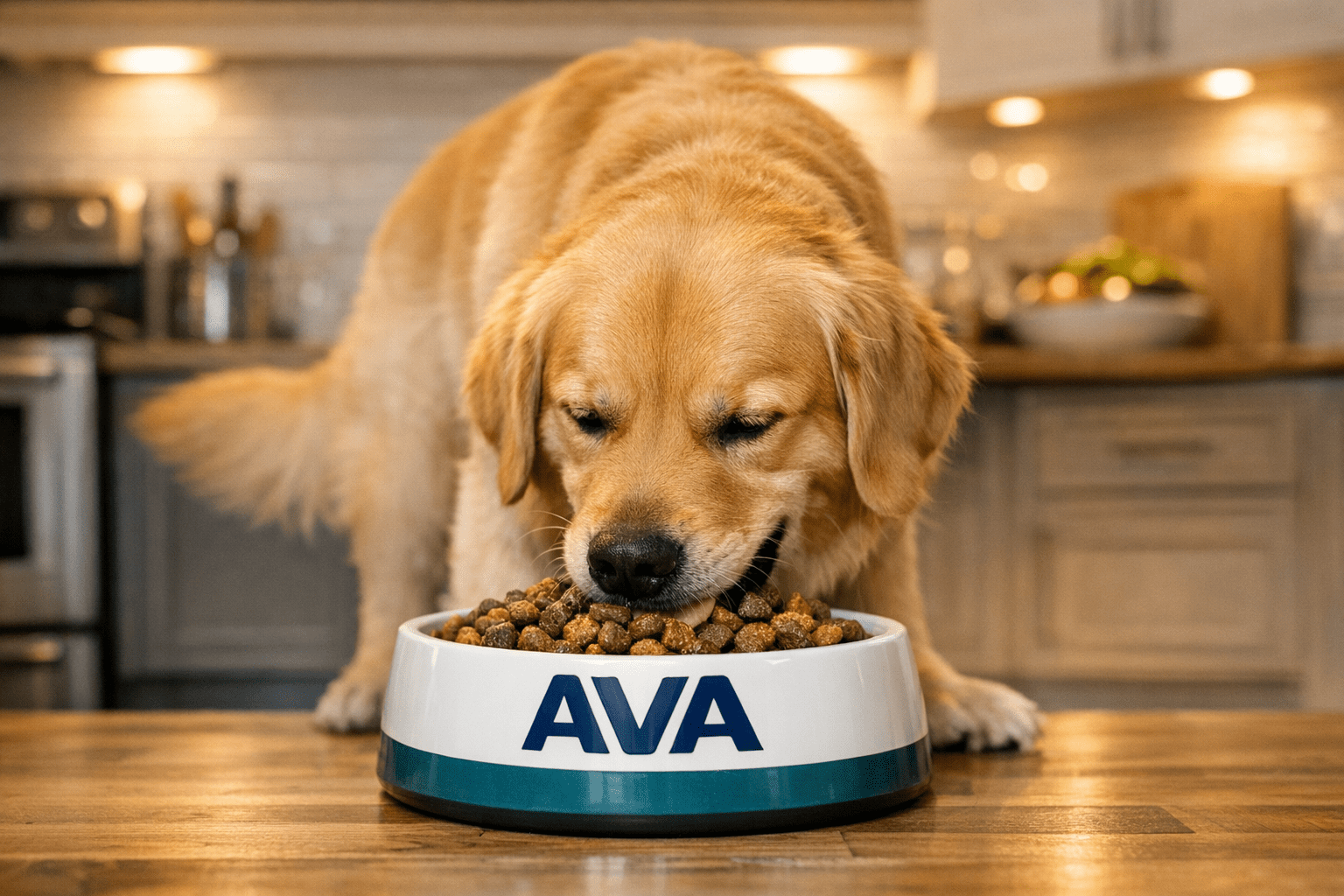
You will want to budget for high-quality dog nutrition. Avoid the cheap kibble filled with grains and fillers; it can lead to skin allergies and poor digestion. Look for foods where meat is the first ingredient. A 12kg bag of premium food costs around £40-£60 and will last about a month for an adult Labrador.
Don’t forget treats! You will need a supply of healthy training treats for puppy training classes. However, be careful not to overdo it. A fat Labrador is not a happy Labrador; it puts immense strain on their joints. I usually use a portion of their daily kibble allowance as treats to keep their weight in check.
Training and Socialisation
Labradors are working dogs. They were bred to retrieve game all day, so they have high energy and sharp minds. If you don’t give them a job, they will make their own job—and that usually involves eating your sofa or digging up the garden. 🛋️
Budgeting for puppy training classes is non-negotiable. In the UK, group classes usually cost between £80 and £150 for a 6-week course. It is not just about “sit” and “stay”; it is about socialisation. Your puppy needs to learn how to interact with other dogs and people.
I remember taking my Labrador to his first class. He was a tornado of fur and excitement, completely deaf to my commands. But by week six, he was a different dog. The investment in training pays off massively in terms of a harmonious household. It also helps with recall, which is vital for Labradors who love to run off after squirrels.
Grooming and Maintenance
Labradors have a double coat that sheds. A lot. If you wear black trousers, be prepared to leave the house looking like a furry carpet. 🐾
Grooming costs are relatively low compared to Poodles or Cockapoos, as they don’t need professional clipping. However, you will need to invest in a good vacuum cleaner and a Furminator brush. You should brush them at least twice a week to manage the shedding.
You also need to budget for dental care. Labradors are prone to dental issues if you don’t care for their teeth. Dental sticks, toothbrushes, or professional cleans (which can cost £200+) are part of the routine. Ear cleaning is also essential, as their floppy ears can trap moisture and lead to infections. A bottle of ear cleaner is cheap, but a vet visit for an ear infection is not.
Insurance and Veterinary Care
I cannot stress this enough: get pet insurance. Labradors are adventurous and clumsy. They eat things they shouldn’t (socks, corn on the cob handles, remote controls). Surgery for a foreign body obstruction can easily run into the thousands.
Basic accident-only insurance is cheap, but lifetime cover is better for breeds like Labradors. It covers ongoing conditions like arthritis or allergies year after year. Expect to pay around £30-£60 a month. It might feel like money down the drain when they are healthy, but it is a lifesaver when they are not. Also, remember that insurance doesn’t cover routine vet care like flea and worming treatments, which cost around £10-£15 a month.
Is a Labrador Retriever Worth the Cost?
So, we have looked at the bills, the training, and the grooming. Is it worth it? Absolutely, 100%, yes.
A Labrador brings a joy to your life that money cannot buy. They are there when you are sad, they make you laugh with their goofy antics, and they force you to get outside and exercise even when it is raining (which, in the UK, is often). The bond you form with a Labrador is unlike any other. They aren’t just dogs; they are family members.
Understanding how much is a Labrador Retriever puppy in the UK helps you prepare, but don’t let the numbers scare you off. If you budget wisely, buy from a reputable source, and invest in their health, you will have a companion for life. They will pay you back in affection a million times over. ❤️
FAQs
How much is a Labrador Retriever puppy in the UK on average?
Based on the last 6 months of market data, the average price for a Labrador puppy in the UK is approximately £1,450. However, this can range from £500 for a puppy without papers to over £2,500 for a puppy from a top show or working line breeder with extensive health testing. Always factor in the cost of vet checks and initial setup when budgeting.
Why are some Labrador puppies so cheap?
Cheap puppies usually come from breeders who cut corners. They might skip expensive health tests (like hip scoring), house the dogs in poor conditions, or not socialise the puppies. While the initial cost is low, you risk paying thousands in vet bills later. If a price seems too good to be true, it usually is.
What is the difference between KC Registered and non-KC Registered?
A Kennel Club (KC) registered puppy comes with papers that prove its parentage and lineage. It means the parents are KC registered and likely meet certain breed standards. Non-KC puppies are still lovely pets, but you have less assurance about their purebred status or the breeding conditions.
Are Labrador Retrievers high maintenance?
In terms of grooming, no—they are low maintenance. However, in terms of exercise and mental stimulation, they are high maintenance. They need at least 1-2 hours of exercise a day and plenty of training. They can also be prone to separation anxiety, so they don’t like being left alone for long periods.
Is it better to buy a Labrador from a licensed breeder?
Yes, in the UK, any breeder producing three or more litters a year must be licensed by the local council. Licensed breeders are inspected for welfare standards and are required to follow certain rules regarding puppy sales, offering you greater consumer protection.
How much does it cost to feed a Labrador per month?
Feeding a Labrador a high-quality diet typically costs between £40 and £70 per month. This depends on the brand of food you choose and the size of your dog. Labradors are known for their appetites, so this is a recurring cost you must budget for.
Conclusion
To wrap it all up, the answer to how much is a Labrador Retriever puppy in the UK is: it depends. You are looking at an average of £1,450, but the range is wide. The key takeaway here is to prioritize health and temperament over a bargain price. Buy from a breeder who health tests, ask the tough questions, and prepare your home (and bank account) for a whirlwind of fur and fun.
Labradors are the UK’s favourite dog for a reason. They are versatile, loving, and endlessly entertaining. If you do your homework and choose wisely, that puppy price will be the best money you ever spend. Good luck with your search, and may your home soon be filled with the pitter-patter of very large paws! 🐾