If you’ve ever watched a Greyhound sprint across a park, you’ll know they are breathtaking creatures. Sleek, elegant, and surprisingly gentle, these dogs make incredible companions. But there’s one practical question that crosses every prospective owner’s mind: Do Greyhounds shed?
I’ve spent years around these graceful hounds, and I can tell you the answer isn’t as straightforward as you might hope. They aren’t the fur-storm that a Husky or Golden Retriever can be, but they certainly aren’t hairless either. Living with a Greyhound means accepting a certain level of dog hair on your clothes, furniture, and car seats. However, compared to many other breeds, their shedding is remarkably manageable.
In this comprehensive guide, we’ll explore everything you need to know about Greyhound shedding, from the science behind their coat to practical grooming tips and diet recommendations. Whether you’re considering adopting a retired racing Greyhound or you already share your sofa with one, this article will help you understand and manage their shedding like a pro. Let’s dive in! 🐶
Understanding the Greyhound Coat
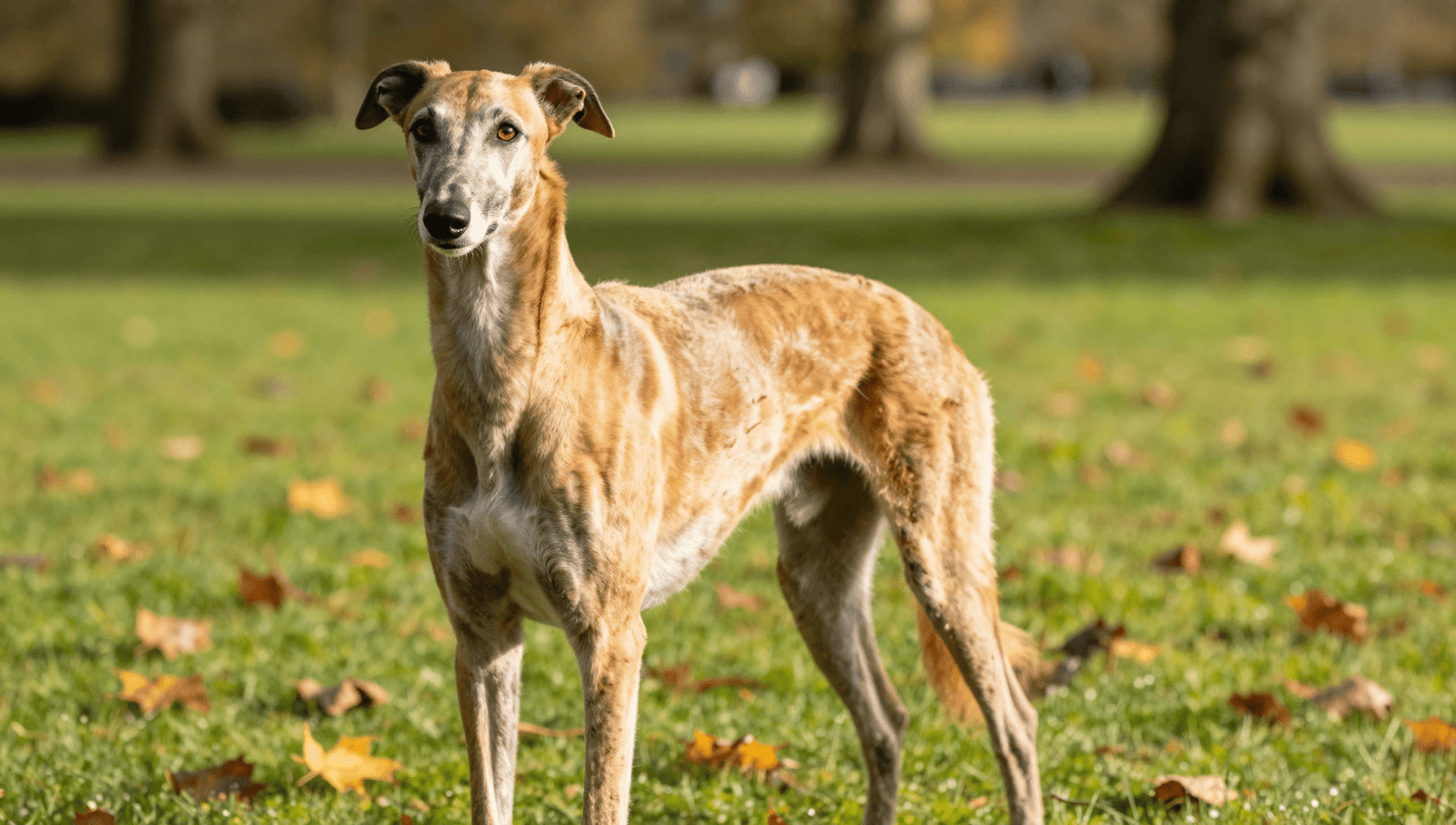
To understand shedding, you first need to understand the unique anatomy of a Greyhound’s coat. Unlike fluffy breeds such as the Samoyed or the Collie, Greyhounds possess what we call a single coat. This means they lack that thick, insulating undercoat that many other dogs rely on for warmth.
Their fur is incredibly short, fine, and lies flat against the skin. If you’ve ever stroked a Greyhound, you’ll know their coat feels almost like velvet. This sleek design is no accident—it’s an evolutionary trait built for speed. Less fur means less wind resistance when sprinting at up to 45 miles per hour!
However, this thin coat comes with a trade-off. Greyhound skin is notably thinner than most breeds, making them more vulnerable to cuts, scrapes, and temperature extremes. Their skin is so delicate that many owners invest in dog coats and jumpers during the colder months.
Here’s a quick comparison to help you understand how the Greyhound coat stacks up against other breeds:
| Breed | Coat Type | Undercoat? | Shedding Level |
|---|---|---|---|
| Greyhound | Single, short | No | Low to moderate |
| Husky | Double, thick | Yes | Very high |
| Labrador | Double, short | Yes | High |
| Poodle | Single, curly | No | Very low |
| German Shepherd | Double, medium | Yes | Very high |
As you can see, Greyhounds sit comfortably in the “low to moderate” shedding category. Their single coat is the key reason they shed significantly less than double-coated breeds.
Do Greyhounds Shed? The Honest Answer
Let me give it to you straight: Yes, Greyhounds do shed.
I know some websites might list them as “non-shedding,” but that’s simply not true. Every dog with hair sheds—it’s a natural biological process where old or damaged hair falls out to make way for new growth. The real question isn’t whether they shed, but how much.
Here’s what I’ve observed from years of living with and caring for these beautiful hounds:
- Year-round shedding: Greyhounds shed consistently throughout the year. You’ll find fine hairs on dark clothing, upholstery, and car seats.
- Seasonal increases: You may notice slightly more shedding during spring and autumn as their coat adjusts to temperature changes.
- Individual variation: Some Greyhounds shed more than others. Diet, health, and genetics all play a role.
The good news? Because their hair is so short and fine, it’s far less noticeable than the tumbleweeds of fur that double-coated breeds produce. You won’t need to vacuum twice a day, and a quick once-over with a lint roller before leaving the house usually does the trick.
Think of it this way: owning a Greyhound is like living with a cat that occasionally leaves tiny hair gifts on your black trousers. It’s there, but it’s manageable. 😊
Why Greyhounds Shed Less Than Other Breeds
Ever wondered why your mate’s Husky seems to shed enough fur to knit a new jumper every week, while your Greyhound leaves only a light dusting? The answer lies in biology.
The hair growth cycle is the key. All dogs go through four stages of hair growth:
- Anagen – Active growth phase
- Catagen – Transitional phase
- Telogen – Resting phase
- Exogen – Shedding phase
Dogs with thick double coats, like Huskies and German Shepherds, have a rapid growth cycle. Their undercoat is designed to be shed and regrown quickly to adapt to seasonal temperature changes. That’s why they “blow their coat” twice a year in massive shedding events.
Greyhounds, on the other hand, have a slower growth cycle. Their hair grows to a short length and then enters a longer resting phase. This means less frequent shedding and lower overall hair production.
Additionally, the absence of an undercoat is a game-changer. That soft, fluffy layer beneath the outer coat is what creates the bulk of the mess in double-coated breeds. Greyhounds simply don’t have this, which is why their shedding is more of a gentle, continuous process rather than a seasonal explosion.
Factors That Influence Greyhound Shedding
While Greyhounds are generally low shedders, several factors can influence how much hair you find around your home. Understanding these can help you manage shedding more effectively.
Diet and Nutrition This is the single biggest factor. A poor diet leads to dry, flaky skin, which in turn causes excessive shedding. If your Greyhound is eating low-quality dog food filled with fillers and artificial additives, their coat will suffer.
Stress and Anxiety Greyhounds are sensitive souls. Changes in their environment, separation anxiety, or loud noises (fireworks, anyone?) can trigger stress-related shedding. I’ve seen dogs lose clumps of fur during thunderstorms or when moving to a new home.
Health Conditions Skin allergies, mites, hormonal imbalances (like hypothyroidism), and infections can all cause excessive or patchy shedding. If you notice sudden changes in your dog’s coat, it’s time to visit the vet.
Age Puppies may shed their soft puppy coat as they mature, and senior dogs may experience changes in their coat density and shedding patterns.
Seasonal Changes Even single-coated dogs react to the seasons. As the UK autumn arrives and daylight hours shorten, you might notice a slight uptick in shedding as your Greyhound’s body adjusts.
Here’s a quick pros and cons list to summarise:
Pros of Greyhound Shedding:
- ✅ Low to moderate shedding overall
- ✅ Short hair is easy to clean
- ✅ No massive seasonal “coat blowouts”
- ✅ Less grooming required than fluffy breeds
Cons of Greyhound Shedding:
- ❌ Fine hair can embed in fabrics
- ❌ Still requires regular grooming
- ❌ Diet-sensitive shedding
- ❌ Not hypoallergenic
Grooming Essentials for Your Greyhound
One of the joys of owning a Greyhound is that their grooming routine is refreshingly simple. You won’t need expensive trips to a professional groomer every six weeks. Here’s what I recommend:
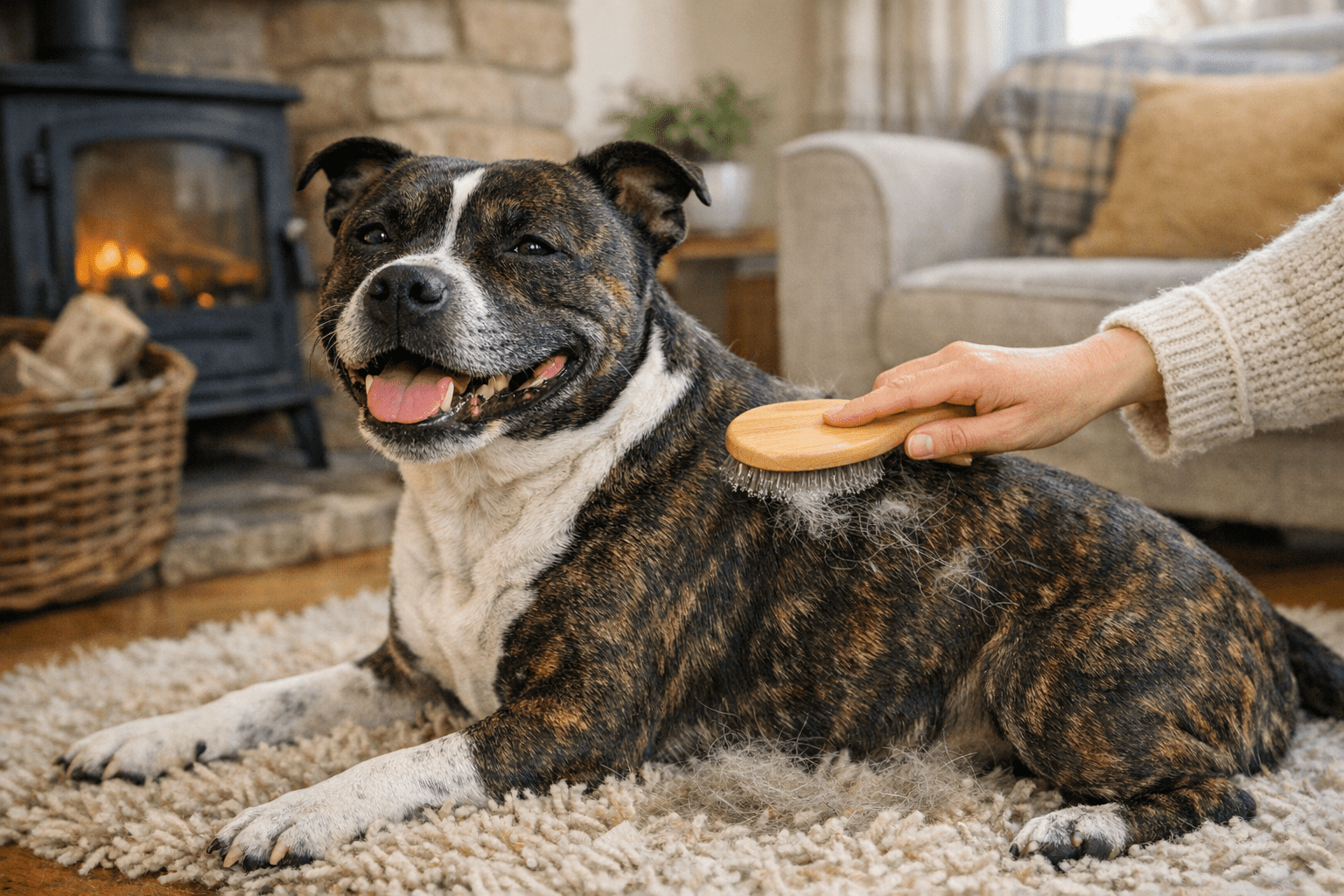
Brushing Use a rubber grooming mitt or a soft-bristle brush once or twice a week. This removes loose hair, stimulates blood circulation, and distributes natural oils across their coat. Most Greyhounds absolutely love being brushed—it’s like a spa day for them! 🛁
Bathing Greyhounds are naturally clean dogs with minimal “doggy odour.” You only need to bathe them every one to two months, or when they’ve rolled in something unpleasant at the park. Over-bathing strips essential oils from their skin, leading to dryness and more shedding.
Nail Care Don’t forget those nails! Greyhounds are notorious for having brittle nails that require regular trimming. Aim to trim them every two to three weeks.
Skin Checks Because their skin is so thin, I recommend running your hands over your Greyhound’s body daily. This helps you catch cuts, scrapes, or lumps early before they become problematic.
Ear Cleaning Check their ears weekly for redness, odour, or wax buildup. A gentle wipe with a dog-safe ear cleaner keeps infections at bay.
Best Diet for a Healthy Greyhound Coat
If you want to minimise shedding, look at the food bowl first. Nutrition plays a massive role in coat health, and I cannot stress this enough.
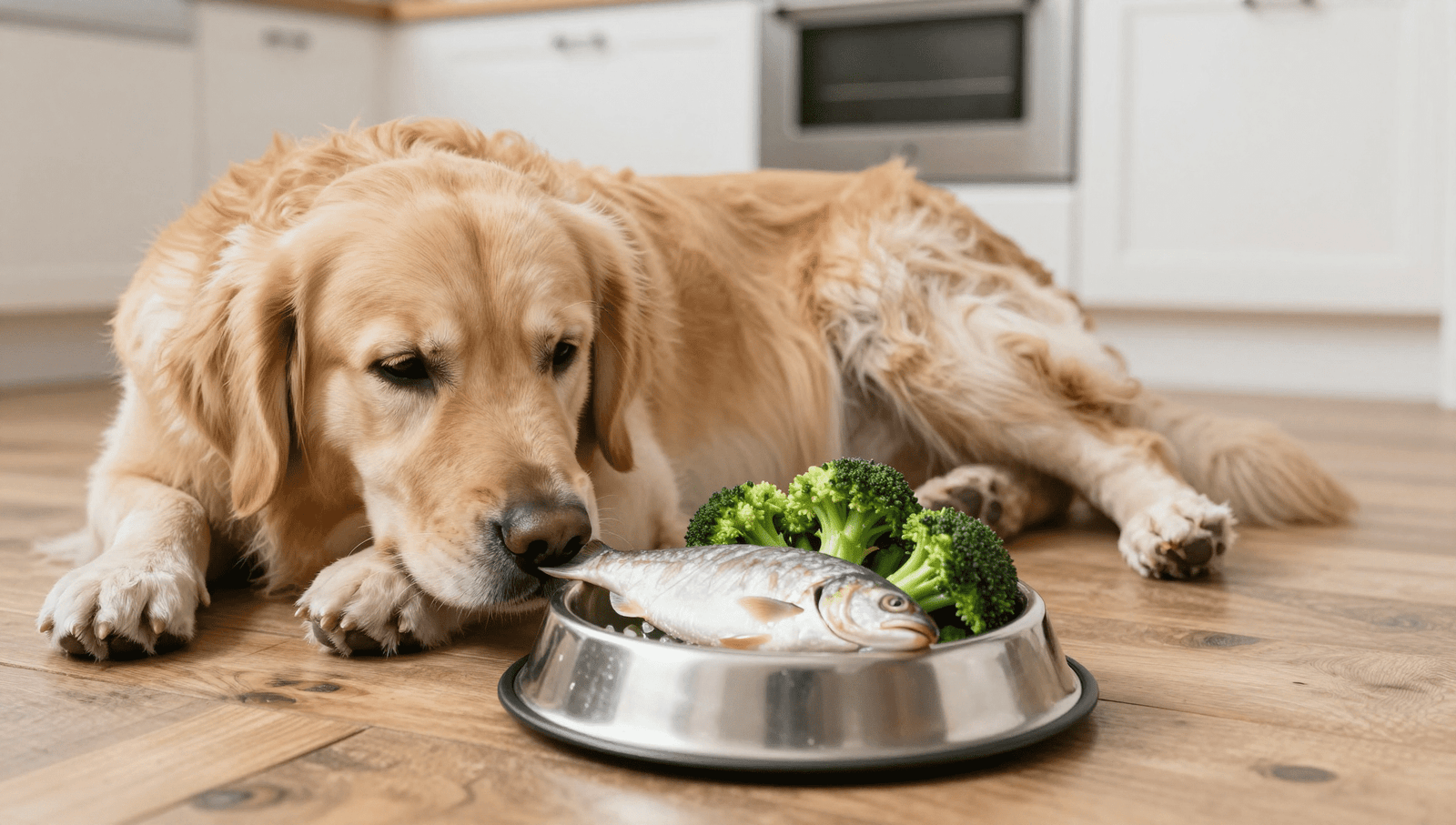
Essential Fatty Acids Omega-3 and Omega-6 fatty acids are the building blocks of healthy skin cells. They reduce inflammation, combat dryness, and promote a glossy coat. Look for dog food that includes:
- Oily fish (salmon, sardines, mackerel)
- Flaxseed
- Fish oil supplements
Quality Protein Greyhounds are athletic dogs that need high-quality animal protein. Fresh meat should be the first ingredient in their food, not fillers like corn or wheat.
Hydration Always ensure your Greyhound has access to fresh, clean water. Dehydration leads to dry skin and increased shedding.
Fresh Dog Food I’m a huge advocate for fresh dog food over heavily processed kibble. Fresh food retains its nutritional integrity and is more bioavailable, meaning your dog absorbs more nutrients. If your Greyhound is currently on budget kibble and shedding excessively, switching to a high-quality fresh diet can make a remarkable difference within weeks.
Here’s a simple comparison of food types:
| Food Type | Nutritional Quality | Impact on Coat | Cost |
|---|---|---|---|
| Budget Kibble | Low | Poor – can cause dry skin | £ |
| Premium Kibble | Medium | Moderate improvement | ££ |
| Fresh Dog Food | High | Excellent – promotes healthy coat | £££ |
| Raw Diet | High | Excellent – but requires careful prep | £££ |
Common Greyhound Skin Issues
Because Greyhounds have such thin skin, they’re prone to specific health issues that other breeds rarely encounter. Being aware of these helps you spot problems early.
Greyhound Corns These painful keratin growths on the foot pads are incredibly common in the breed. They cause limping and discomfort and often require veterinary treatment. While not directly related to shedding, they can cause stress, which may trigger hair loss.
Alopecia Some Greyhounds, particularly retired racers, develop “Greyhound Bald Thigh Syndrome.” This genetic condition causes hair thinning or loss on the back of the thighs and belly. It’s purely cosmetic and not harmful, but it does affect their appearance.
Sunburn With thin fur and thin skin, Greyhounds are susceptible to sunburn, especially on their ears, nose, and belly. This can cause peeling skin and hair loss. Apply dog-safe sunscreen to exposed areas during sunny days.
Skin Tears and Cuts Their paper-thin skin tears easily. A run through brambles that wouldn’t bother a Labrador can leave a Greyhound needing stitches. Always check their skin after walks.
Pressure Sores Lying on hard surfaces can cause calluses and sores on their elbows and hips. Provide soft bedding to prevent this.
Cleaning Tips for Greyhound Owners
Let’s be practical: you will need a lint roller. But compared to owning a German Shepherd or a Husky, cleaning up after a Greyhound is a walk in the park.
Invest in a Good Vacuum A vacuum with strong suction and a HEPA filter is ideal for picking up fine dog hair and reducing dander in your home.
Sofa Covers and Throws Greyhounds are famous “40mph couch potatoes.” They will claim your sofa as their own. Invest in washable throws or blankets to protect your upholstery.
Wash Bedding Weekly Dog beds are hotspots for hair and dander. Wash your Greyhound’s bedding at least once a week in hot water to keep things fresh.
Lint Rollers Everywhere Keep lint rollers in your car, by the front door, and at work. Trust me on this one! 😄
Quick Grooming Before Indoor Time Keep a grooming mitt by the door and give your Greyhound a quick once-over after walks. It takes 30 seconds and catches loose hair before it hits your carpet.
Are Greyhounds Hypoallergenic?
This is one of the most common questions I hear, and the answer is important: No, Greyhounds are not hypoallergenic.
No dog breed is truly hypoallergenic. Allergies in humans are triggered by dander (dead skin flakes), saliva, and urine—not just fur. While Greyhounds produce less dander than heavy-shedding breeds, they still produce it.
If you have mild allergies, a Greyhound may be more tolerable than a Husky or Labrador, but there are no guarantees. I always recommend spending time with the breed before committing if allergies are a concern.
For those seeking truly low-allergy options, breeds like Poodles or Bichon Frises are better choices. But if your heart is set on a Greyhound, regular grooming, frequent cleaning, and air purifiers can help manage allergy symptoms.
Frequently Asked Questions
How much do Greyhounds shed compared to other dogs?
Greyhounds are considered low to moderate shedders. They shed significantly less than double-coated breeds like Huskies, German Shepherds, and Labrador Retrievers. However, they do shed consistently year-round, so you’ll still find some hair around your home. Their fine, short hair is less noticeable than the fluffy tumbleweeds produced by other breeds.
Do retired racing Greyhounds shed more than pet-bred Greyhounds?
Retired racers may initially shed more due to stress from their transition, dietary changes, or previous neglect. Once they settle into a loving home with a quality diet, their shedding typically normalises. Some retired racers also have thinner coats due to years of wearing blankets in kennels.
How often should I bathe my Greyhound?
Bathing every one to two months is sufficient for most Greyhounds. They’re naturally clean dogs with minimal odour. Over-bathing strips essential oils from their thin skin, leading to dryness and increased shedding. Use a mild, dog-specific shampoo when you do bathe them.
Can diet really reduce my Greyhound’s shedding?
Absolutely. A diet rich in Omega-3 and Omega-6 fatty acids promotes healthy skin and a strong coat. Switching from low-quality kibble to fresh, nutrient-dense dog food can significantly reduce excessive shedding within a few weeks. Always ensure your dog stays well-hydrated too.
Do Greyhounds need coats in winter?
Yes! Greyhounds feel the cold intensely due to their thin skin, low body fat, and lack of undercoat. A good winter coat or jumper is essential during cold UK winters. Many owners also use indoor pyjamas to keep their hounds comfortable during chilly evenings.
Are Greyhounds good dogs for people with allergies?
While they shed less than many breeds, Greyhounds are not hypoallergenic. They still produce dander, which triggers allergies. If you have severe allergies, spend time with Greyhounds before adopting to test your reaction. Air purifiers and regular cleaning can help manage mild symptoms.
Conclusion
So, do Greyhounds shed? Yes, they absolutely do—but it’s far from a dealbreaker. Their shedding is low to moderate, consistent, and manageable with the right approach.
Here are the key takeaways:
- Greyhounds have a single coat with no undercoat, which means less shedding than double-coated breeds
- Diet is crucial – high-quality food rich in Omega fatty acids promotes a healthy coat and reduces shedding
- Grooming is simple – a weekly brush with a grooming mitt keeps shedding under control
- They’re not hypoallergenic – allergy sufferers should spend time with the breed before committing
- Thin skin requires care – regular skin checks, warm coats in winter, and soft bedding are essential
A little fur on your jumper is a small price to pay for the love, loyalty, and gentle companionship of one of the most elegant dog breeds on the planet. If you can embrace the lint roller lifestyle, you’ll find a devoted friend who will steal your heart (and the best spot on the sofa). 🐾