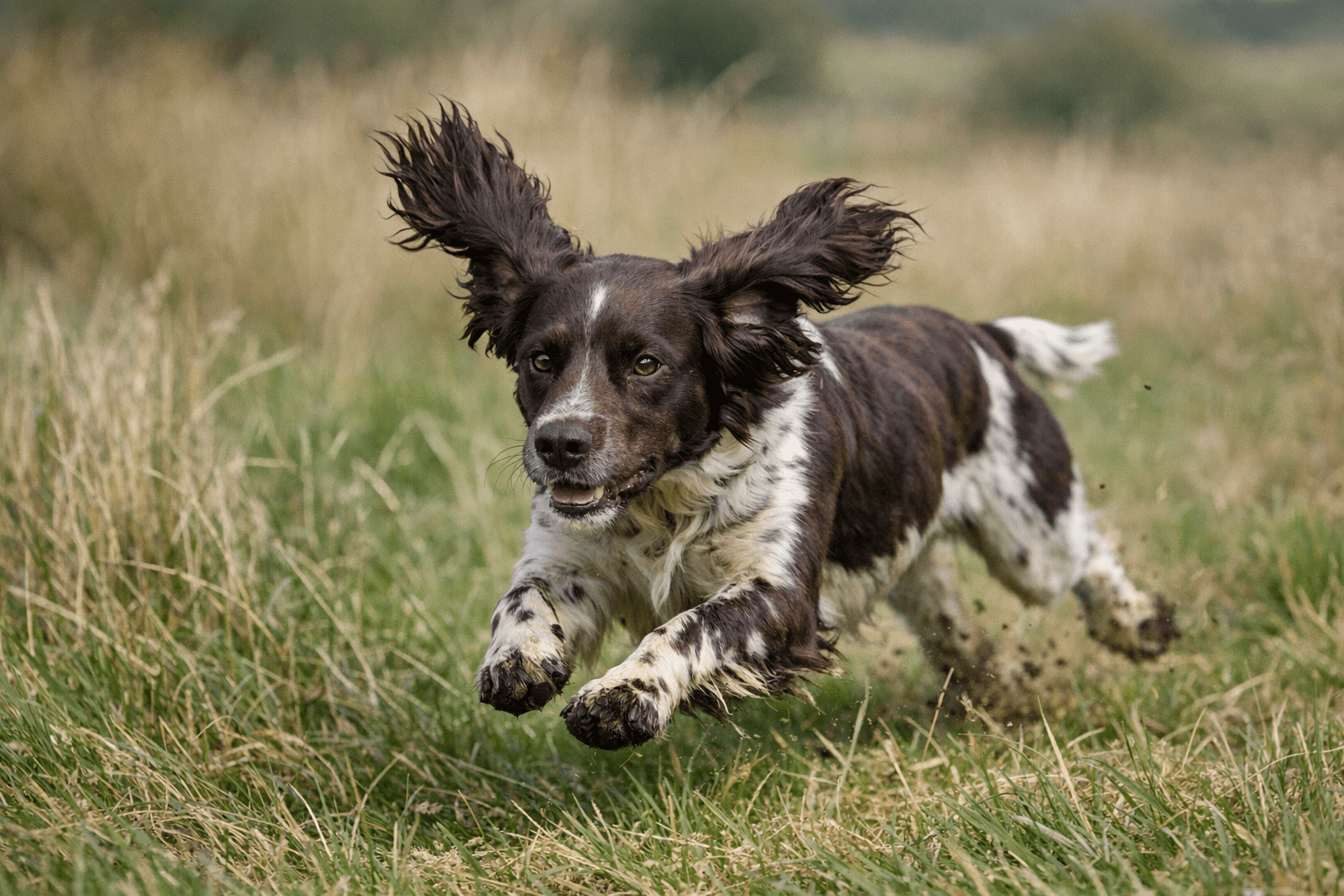
When I first met a Working Cocker Spaniel, I quickly realised this wasn’t just another cute dog—it was a tiny bundle of energy built for serious work 😄. From chasing birds to splashing through muddy fields, this dog acts like it has a full-time job and absolutely loves it. I remember watching one run back and forth in a field, nose to the ground, tail wagging like crazy—it honestly looked like it was having the best day ever. That’s when I thought, “Okay, this breed takes hunting very seriously.” If someone enjoys outdoor life, adventure, and a dog that never says “I’m tired,” this one definitely stands out.
1. Origins of the Working Cocker Spaniel
When I looked into the history, I realised these dogs come from a long line of spaniel hunting dogs that were bred for one purpose—helping humans hunt. The name “cocker” actually comes from woodcock birds, which made me smile because it sounds so old-school. Back in the day, families didn’t worry about looks; they cared about performance. That’s why this type developed separately from show cocker spaniels.
I like to imagine old hunters saying, “If the dog can find birds, it stays!” 😄 That’s how field trial dogs became so skilled. Over time, breeders focused on speed, nose, and stamina. So today’s version still carries that hardworking DNA. It feels like owning a little athlete with centuries of experience built in.
2. Physical Characteristics Designed for Work
When I see one, I immediately notice the working dog build—lean, strong, and ready to move. Unlike fluffier dogs, this one looks practical. The coat is shorter, which is perfect because I don’t want to spend hours pulling sticks and mud out of fur 🌿.
Their size is ideal too. They’re small enough to squeeze through thick bushes but strong enough to run for hours. That’s what makes them great for hunting efficiency. I once saw one disappear into tall grass and pop out again like a magician—it was hilarious and impressive at the same time.
Everything about their body makes sense. Nothing is “extra.” It’s all designed for getting the job done.
3. Exceptional Hunting Instincts
This is where things get wild (literally). The natural hunting instincts in these dogs are incredible. I’ve seen them go from calm to full focus in seconds. It’s like someone pressed a “hunt mode” button 🎯.
They are brilliant at flushing game birds, running into bushes and making birds fly out for hunters. Then comes retrieving—they love bringing things back. Honestly, they treat it like a fun game!
What amazes me most is their ability as scent tracking dogs. Their nose leads everything they do. I sometimes joke they could find a biscuit I dropped two days ago!
4. Intelligence and Trainability
Training one feels like teaching a clever child. As part of highly trainable dog breeds, they pick up commands fast—but they also get bored fast 😅. So I have to keep things fun.
I usually use treats and praise, which works great with positive reinforcement training. One time, I taught “sit” in just a few minutes because the dog was so eager.
But here’s the funny part—if I repeat the same thing too much, they start giving me “really?” looks. These dogs like challenges. It keeps me on my toes!
5. Energy Levels and Exercise Needs
I’ll be honest—keeping up with them can be exhausting. These are part of high energy dog breeds, and they don’t believe in lazy days. If I don’t give enough exercise, I regret it later (usually when something gets chewed 😬).
Activities like fetch or running fit their active dog lifestyle perfectly. I once threw a ball for 20 minutes, and the dog still wanted more.
It’s like having a gym partner that never gets tired. Great motivation—but also slightly terrifying!
6. Temperament and Personality
Despite all that energy, they’re incredibly sweet. I’ve found them to be friendly family dogs that love being part of everything.
They follow me around like little shadows, always curious about what I’m doing. Their affectionate dog breed side comes out when they settle down for a cuddle.
It’s funny—one minute they’re zooming around, the next they’re curled up quietly like nothing happened 😊.
7. Compatibility with Families
From what I’ve seen, they fit nicely into active homes. As good family pets, they bring fun and energy into the house.
They’re especially great as dogs good with children, as they love games and running around. I’d still supervise though, because excitement levels can go sky high!
With proper dog socialization training, they can live well with other pets too. Early introductions make everything smoother.
8. Training for Hunting Excellence
Training them for hunting feels structured but rewarding. I always start with basic obedience training, like sit and stay.
Then I introduce retriever training techniques, using toys to practise fetching. Watching them improve is honestly satisfying.
The advanced part is gun dog training, where whistle commands come in. It feels quite professional—like I’m training a working partner, not just a pet.
9. Health and Lifespan
They’re generally strong, but I keep an eye on common spaniel health issues, especially ear infections. Those floppy ears can trap moisture.
Regular vet visits are part of good dog health care. I also make sure they stay active—it keeps them fit and happy.
With proper care, they can live long lives, which is always reassuring for me.
10. Grooming and Maintenance
Luckily, grooming is manageable. Their low maintenance dog coat doesn’t need constant attention.
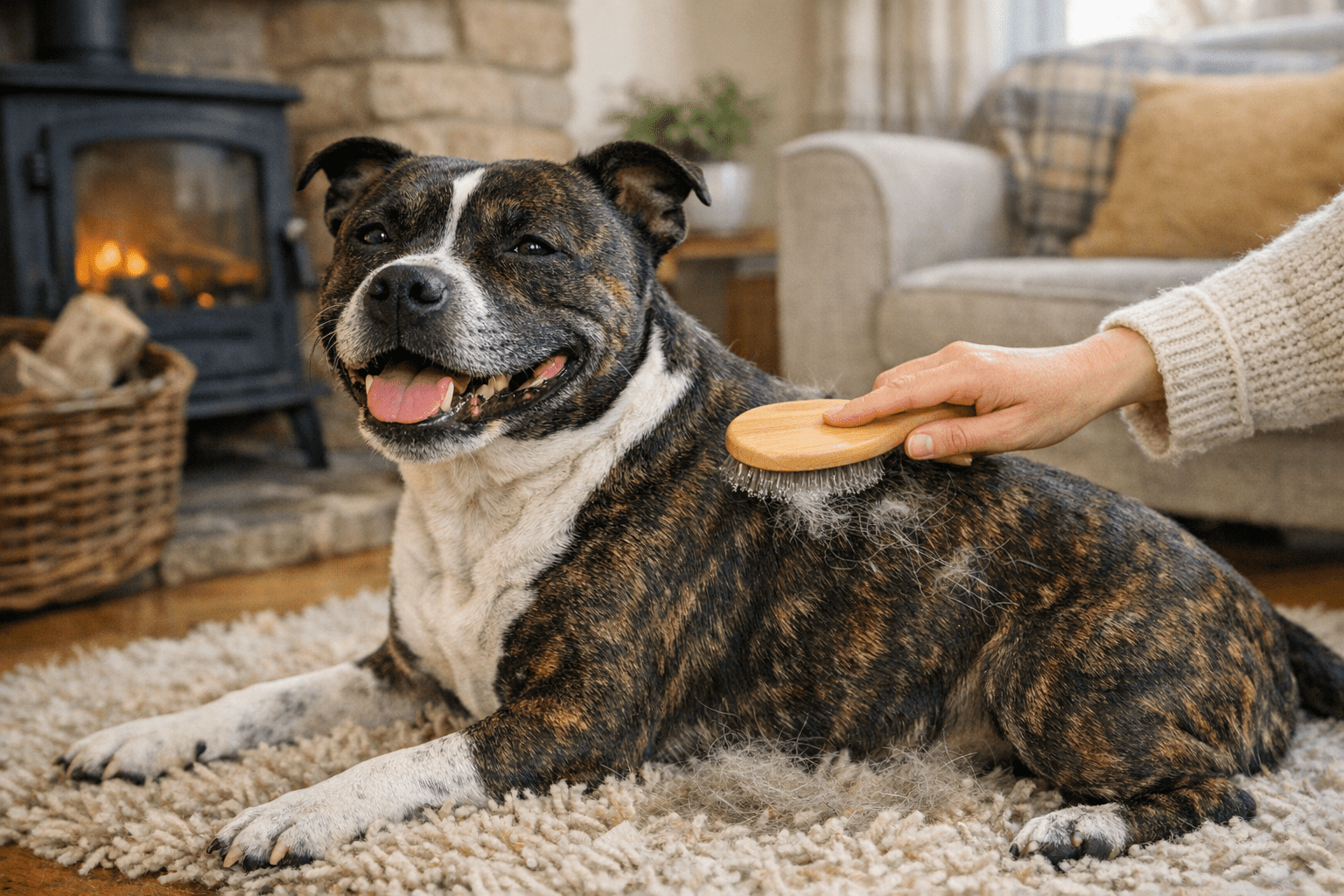
I brush weekly and clean them after muddy walks. My dog grooming routine is pretty simple—nothing fancy.
Less grooming means more time playing, which I think they definitely prefer 😄.
11. Why Hunters Choose This Breed
Hunters love them for a reason. As versatile hunting dogs, they adapt to different environments easily.
They’re reliable field hunting companions, working with energy and focus. I’ve seen them stay consistent even after long sessions.
That dedication is what makes them stand out.
12. Challenges of Owning One
They’re amazing, but not easy. Their high energy dog care needs can be overwhelming if I’m not prepared.
Without activity, I notice bored dog behavior, like barking or chewing.
It’s a reminder that they need both physical and mental stimulation every day.
13. Working vs Show Cocker Spaniel
The difference between types is clear. The working vs show cocker spaniel comparison shows one is built for action, the other for looks.
It’s a classic dog breed comparison—function vs appearance.
Personally, I prefer the active type, but it depends on lifestyle.
14. Tips for First-Time Owners
If I were new, I’d focus on basics from first-time dog owner tips.
Start early, stay consistent, and keep training fun. That’s my advice.
Following simple puppy training advice builds a strong bond and makes life easier later.
15. Conclusion
After everything I’ve learned, I truly believe this breed offers something special. It’s energetic, loyal, and incredibly capable. With the right care, it becomes more than just a pet—it becomes a partner. If I had to sum it up, the Working Cocker Spaniel is like a cheerful athlete who just wants to work, play, and be by my side ❤️