If you have ever shared your sofa with a French Bulldog, you will know the feeling. You stand up, look down, and realise you are wearing a brand-new fur coat — one you definitely did not ask for. I have been there more times than I care to admit, and it always makes me chuckle (and reach for the lint roller).
So, do French Bulldogs shed? The short answer is yes, they absolutely do. But before you panic and start vacuuming twice a day, let me reassure you. French Bulldog shedding is completely manageable once you understand why it happens and how to stay on top of it. In this guide, I will walk you through everything I have learned about Frenchie fur — from the science behind shedding to the best grooming tools and diet tips that actually work. Whether you are a first-time Frenchie parent or a seasoned dog owner, you will find practical advice here to keep your home (relatively) fur-free and your pup’s coat in tip-top condition. Let us dive in! 🐾
Do French Bulldogs Shed?
Yes, French Bulldogs do shed. There is no sugar-coating it. If you are hoping for a completely hypoallergenic, fur-free experience, the Frenchie is not your breed. However, compared to heavy shedders like Labrador Retrievers or German Shepherds, French Bulldog shedding is moderate and very manageable.
French Bulldogs have a short, smooth, single-layer coat. Unlike double-coated breeds, they do not have a thick undercoat that blows out seasonally in massive clumps. Their shedding is more of a steady, low-level affair — think of it as a gentle, persistent snowfall rather than a blizzard. You will find fine hairs on your clothes, furniture, and car seats, but it is not the kind of fur-pocalypse you might experience with a Husky.
One thing I always tell new Frenchie owners is this: shedding is a sign of a healthy, functioning dog. Hair growth follows a natural cycle — growth, rest, and fall. When old hair falls out, new hair pushes through. It is biology doing its thing. The key is not to eliminate shedding (that is impossible) but to manage it so it does not take over your life. And trust me, with the right approach, you can absolutely keep it under control.
Why French Bulldogs Shed
To understand French Bulldog shedding, it helps to know a bit about the hair growth cycle in dogs. Every hair follicle goes through three phases:
- Anagen — the active growth phase
- Catagen — a transitional phase where growth slows
- Telogen — the resting phase before the hair falls out
In French Bulldogs, this cycle runs continuously, which is why they shed year-round. Unlike breeds with thick double coats that “blow” their coats twice a year, Frenchies lose hair gradually and consistently. It is a bit like how we humans lose around 50 to 100 hairs a day — mostly unnoticeable, but it adds up.
Environmental factors also play a role. Indoor French Bulldogs, who spend most of their time in centrally heated homes, may shed more consistently because their bodies do not need to adapt to dramatic temperature changes. Artificial lighting and heating can confuse the natural shedding cycle, leading to a more even distribution of fur loss throughout the year.
I remember when I first noticed my Frenchie shedding more in winter. I was baffled — surely they should shed less when it is cold? But it turns out that indoor heating dries out their skin, which can trigger increased shedding. A good moisturising diet and regular grooming made a world of difference.
When Do French Bulldogs Shed the Most?
While Frenchies are year-round shedders, there are definitely times when the fur flies a little more freely. The two peak shedding seasons are spring and autumn. During these transitional months, your Frenchie’s body responds to changes in daylight and temperature by adjusting its coat.
In spring, your dog sheds its thicker winter coat to prepare for warmer weather. In autumn, the lighter summer coat is replaced by something a bit cosier. It is nature’s way of helping your pup regulate their body temperature, and it is perfectly normal.
There is also a special shedding event that every Frenchie puppy owner should know about: the puppy coat transition. Between around four and six months of age, your Frenchie puppy will shed its soft, fluffy puppy coat and grow its adult coat. This can look quite dramatic — you might think your puppy is moulting a small animal — but it is entirely temporary.
Here is a quick breakdown of shedding patterns:
| Time / Stage | Shedding Level | Notes |
|---|---|---|
| Year-round (baseline) | Low to moderate | Steady, consistent shedding |
| Spring (March–May) | Moderate to high | Coat transition for warmer weather |
| Autumn (September–November) | Moderate to high | Thicker coat growing in |
| Puppy coat change (4–6 months) | High | Temporary; adult coat replaces puppy fluff |
| Indoor winter (heating on) | Moderate | Dry skin from central heating |
Common Causes of Excessive Shedding in Frenchies
Now, normal shedding is one thing. But if your Frenchie is losing fur in clumps, developing bald patches, or scratching constantly, something else might be going on. Here are the most common causes of excessive shedding in French Bulldogs:
Poor Diet — This is the number one culprit I see. A diet lacking in essential fatty acids, quality protein, and key vitamins will show up in your dog’s coat first. Cheap, filler-heavy dog food is often the root cause.
Allergies — Frenchies are prone to both food allergies and environmental allergies. Common triggers include chicken, wheat, dairy, pollen, dust mites, and certain cleaning products. Allergies often cause itching, redness, and — you guessed it — excessive shedding.
Stress and Anxiety — Dogs shed more when they are stressed. Moving house, a new baby, separation anxiety, or changes in routine can all trigger increased fur loss. I have seen this first-hand when we redecorated — my Frenchie shed like mad for a week.
Parasites — Fleas, ticks, and mites (including those causing mange) can lead to significant hair loss. Regular flea treatment is essential.
Skin Infections — Bacterial or fungal infections can cause localised hair loss and require veterinary treatment.
Hormonal Imbalances — Conditions like hypothyroidism or Cushing’s disease can cause excessive shedding and should be diagnosed by a vet.
If you notice sudden or dramatic changes in your Frenchie’s shedding, a trip to the vet is always a good idea.
How to Manage French Bulldog Shedding
Managing French Bulldog shedding comes down to three pillars: grooming, bathing, and environment. Let me break each one down.
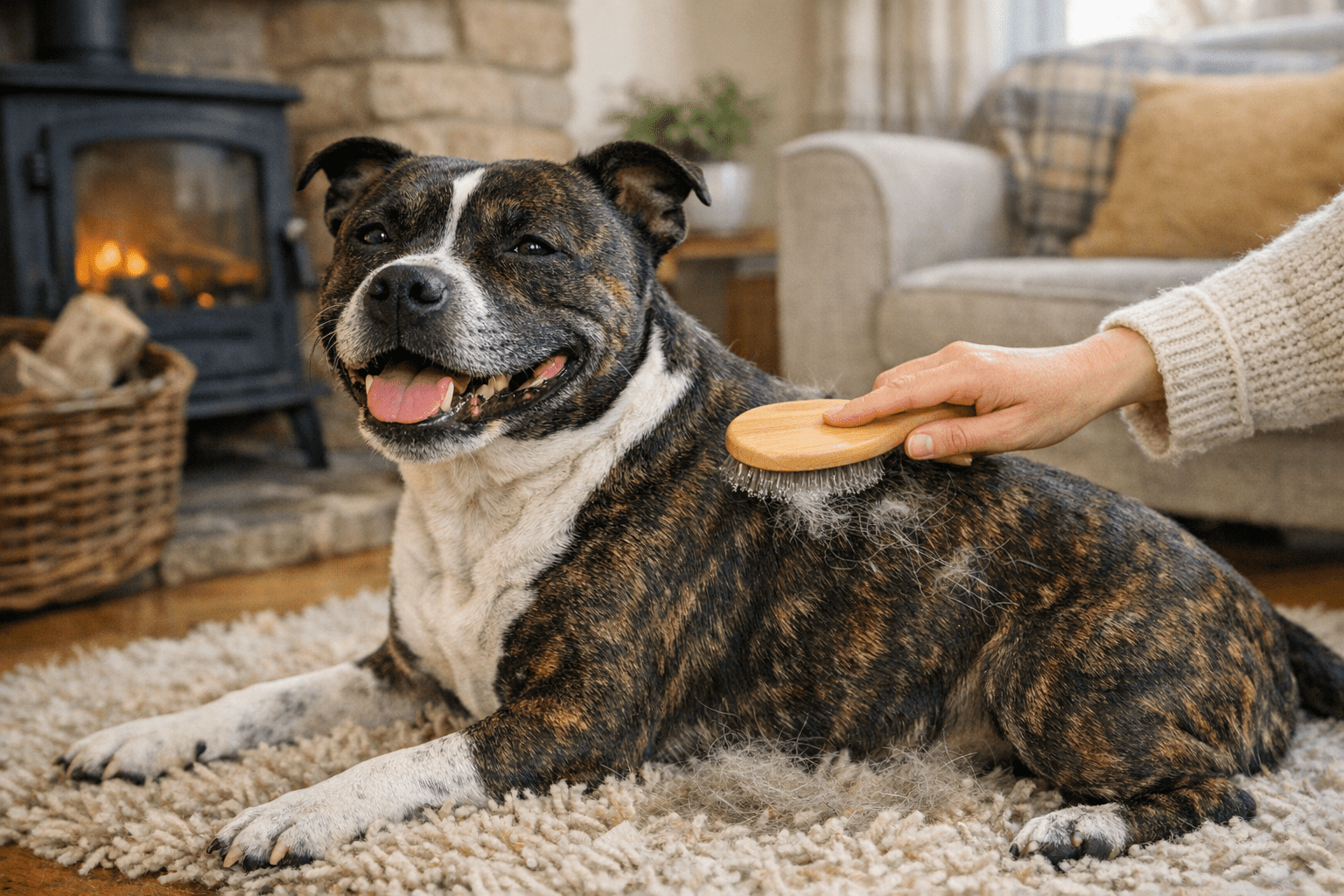
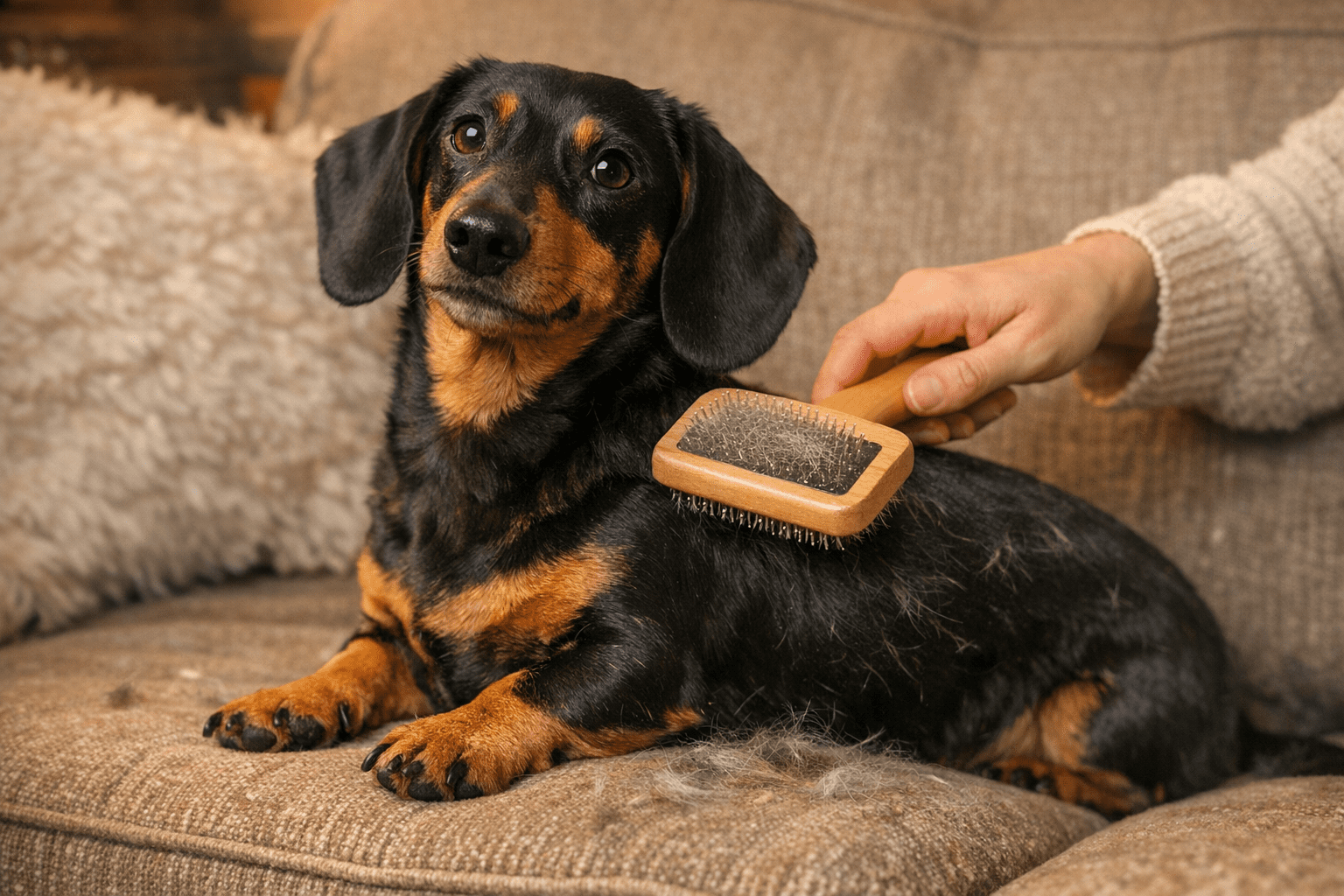
Brushing is your best friend. I brush my Frenchie at least once a week, and during shedding season, I bump it up to two or three times. A soft-bristle brush or grooming glove works beautifully on their short coat. The goal is to remove loose hair before it ends up on your sofa. Bonus: most Frenchies absolutely love being brushed. It doubles as quality bonding time.
Bathing helps too, but do not overdo it. Once a month is plenty for most Frenchies. Over-bathing strips the natural oils from their skin, which can actually make shedding worse. Always use a gentle, dog-specific shampoo — never human shampoo, as the pH levels are different.
Environment matters more than you might think. Keep your home at a comfortable, consistent temperature. Use a humidifier in winter if your home gets very dry. And invest in a good lint roller — or five. You will need them. 😄
Here is my quick grooming schedule:
| Task | Frequency | Tools / Notes |
|---|---|---|
| Brushing | 1–3 times per week | Soft-bristle brush or grooming glove |
| Bathing | Once per month | Gentle dog shampoo, lukewarm water |
| Ear cleaning | Weekly | Vet-approved ear cleaner |
| Skin check | Weekly | Look for redness, bumps, or bald spots |
| Lint rolling furniture | Daily (let us be honest) | Keep one in every room 😂 |
Best Diet for a Healthy Frenchie Coat
I cannot stress this enough: what you feed your French Bulldog has a direct impact on how much they shed. A poor diet leads to dry skin, a dull coat, and increased shedding. A great diet? It promotes a shiny, healthy coat and keeps fur loss to a minimum.
The foundation of a coat-friendly diet is high-quality animal protein. Look for dog foods where a named meat source (like chicken, beef, lamb, or duck) is the first ingredient. Avoid foods loaded with cheap fillers like corn, wheat, and soy — these offer little nutritional value and can even trigger allergies in sensitive Frenchies.
Essential fatty acids are the real heroes here. Omega-3 and omega-6 fatty acids support skin moisture, reduce inflammation, and promote a glossy coat. Great sources include:
- Fish oil (salmon oil is brilliant)
- Flaxseed
- Krill oil
- Chicken fat (in balanced amounts)
Vitamins and minerals also play a supporting role. Vitamin E, zinc, and biotin all contribute to skin and coat health.
If you are looking for a dog food that ticks all these boxes, consider options like CHARM® Pet Food’s Grass-Fed Beef or Cage-Free Chicken recipes. They are grain-free, rich in animal protein, and formulated with functional ingredients to support coat health from the inside out.
A quick tip: always ensure your Frenchie has access to fresh water. Proper hydration supports skin elasticity and overall coat condition.
Grooming Tools Every Frenchie Owner Needs
Not all grooming tools are created equal, and choosing the right ones makes a real difference. Here is what I recommend based on years of trial and error:
| Tool | Best For | Price Range | My Verdict |
|---|---|---|---|
| Soft-bristle brush | Weekly grooming, sensitive skin | £5–£15 | Gentle and effective for short coats |
| Grooming glove | Daily use, bonding time | £5–£10 | My personal favourite — easy and fuss-free |
| Slicker brush | Removing loose fur, preventing mats | £8–£20 | Great during shedding season |
| De-shedding tool | Targeting undercoat during peak shedding | £10–£25 | Use sparingly to avoid irritation |
| Rubber curry brush | Bath time, distributing natural oils | £5–£12 | Excellent for use in the tub |
My top pick for everyday use is the grooming glove. It slips on like a mitten, and you simply pet your dog. Loose hair sticks to the glove, and your Frenchie thinks they are getting a lovely belly rub. Everyone wins. 🐾
French Bulldog Shedding vs Other Breeds
Curious how the Frenchie stacks up against other popular breeds? Here is a handy comparison:
| Breed | Coat Type | Shedding Level | Grooming Needs |
|---|---|---|---|
| French Bulldog | Short, single coat | Low to moderate | Weekly brushing |
| Pug | Short, double coat | High | Frequent brushing |
| Labrador Retriever | Short, double coat | Very high | Daily brushing in season |
| Beagle | Short, double coat | Moderate to high | Weekly brushing |
| Cavalier King Charles | Medium, silky | Moderate | Regular brushing and trimming |
| Bichon Frise | Curly, hypoallergenic | Very low | Professional grooming needed |
As you can see, French Bulldogs are on the lower end of the shedding spectrum. They are not hypoallergenic, but they shed significantly less than many other popular breeds. If shedding is a major concern for you, the Frenchie is actually a pretty solid choice.
Pros and Cons of French Bulldog Ownership
Before you commit to life with a Frenchie, it is worth weighing up the good with the not-so-good:
Pros:
- 🐶 Affectionate, loyal, and wonderful companions
- 🏡 Adaptable to flat and apartment living
- 🚶 Moderate exercise needs — short walks and playtime are enough
- 👶 Generally great with children and other pets
- 😂 Hilarious personalities — they will keep you laughing daily
- 🧹 Manageable shedding compared to many breeds
Cons:
- 🏥 Prone to health issues (breathing problems, joint issues, allergies)
- 💰 Can be expensive to buy and insure
- 🌡️ Sensitive to heat — summer requires extra care
- 😤 Can be stubborn during training (patience is key)
- 💸 Vet bills can be significant due to breed-specific conditions
- 🐕 Can suffer from separation anxiety if left alone too long
Overall, I believe the pros far outweigh the cons. French Bulldogs bring so much joy into a home. But it is important to go in with your eyes open.
Frequently Asked Questions
Do French Bulldogs shed more than Pugs?
Generally, no. Pugs have a double coat and tend to shed more heavily, especially during seasonal changes. French Bulldogs have a single coat and shed less overall. However, both breeds shed year-round and require regular grooming to keep fur under control.
Are French Bulldogs hypoallergenic?
No, French Bulldogs are not hypoallergenic. No dog breed is truly 100% hypoallergenic. However, because they shed less than many breeds, some allergy sufferers find them more tolerable. If you have allergies, spend time with Frenchies before committing to one.
How often should I brush my French Bulldog?
I recommend brushing your Frenchie at least once a week during normal periods and two to three times a week during peak shedding seasons (spring and autumn). A soft-bristle brush or grooming glove works best for their short coat.
Can diet really affect how much my French Bulldog sheds?
Absolutely. A diet rich in high-quality protein and essential fatty acids (omega-3 and omega-6) promotes healthy skin and a strong coat, which reduces excessive shedding. Poor nutrition is one of the most common causes of increased fur loss in dogs.
When should I be worried about my French Bulldog’s shedding?
If you notice bald patches, redness, excessive itching, skin sores, or a sudden dramatic increase in shedding, it is time to visit the vet. These symptoms can indicate allergies, infections, hormonal imbalances, or parasites that need professional treatment.
Do French Bulldog puppies shed?
Yes, French Bulldog puppies do shed, and they go through a particularly noticeable shedding phase when they transition from their puppy coat to their adult coat at around four to six months of age. This is completely normal and temporary.
What is the best brush for a French Bulldog?
For most Frenchie owners, a soft-bristle brush or a grooming glove is ideal for regular use. During heavy shedding seasons, a slicker brush or de-shedding tool can help remove more loose hair. Avoid hard or wire brushes, as these can irritate their sensitive skin.
Conclusion
So, do French Bulldogs shed? Yes, they do — but it is far from a dealbreaker. With their short, single coats and moderate shedding habits, Frenchies are actually one of the more manageable breeds when it comes to fur. The key is consistency: regular brushing, a high-quality diet rich in essential fatty acids, appropriate bathing, and keeping an eye out for any signs of excessive shedding that might indicate a health issue.
I have shared my home with Frenchies for years, and while I will never be completely free of fur on my black trousers, I have learned to manage it with a simple routine and the right tools. The joy, laughter, and unconditional love these little dogs bring into your life far outweighs the odd stray hair.
If you are thinking about bringing a Frenchie into your family, do not let shedding hold you back. Armed with the tips in this guide, you will be well-prepared to keep your pup’s coat healthy and your home fur-free(ish). 🐾😊