🐕 My Journey into Senior Dog Nutrition
Let me tell you a story. Last year, my sweet old Labrador, Max, started giving me the side-eye every time I put his food bowl down. At first, I thought he was being picky—you know, the canine equivalent of a teenager refusing to eat vegetables. But then I noticed he’d leave half his kibble untouched and started losing weight. My vet took one look in his mouth and said those words every pet parent dreads: “His teeth are in rough shape.”
That’s when I began my deep dive into finding the best dog food for senior dogs with bad teeth. And let me tell you, it was a journey filled with chewy disasters, soggy kibble experiments, and one particularly memorable incident involving a blender and what I can only describe as “meat smoothie.” My dog forgave me. My blender did not.
If you’re reading this, you’re probably in the same boat. Your senior pup has dental issues, and you’re wondering what to feed them without causing pain—or making a mess that requires a hazmat team to clean up. Well, grab a cup of coffee (or tea, I don’t judge), and let me walk you through everything I’ve learned. I promise to keep it real, keep it helpful, and maybe make you laugh along the way. After all, if we can’t joke about the time we accidentally bought food that smelled like canned tuna mixed with regret, what can we joke about?
Best Food for Senior Dogs With Dental Issues — A Complete Feeding Guide for UK Dog Owners 🐾
🦷 Why Dental Problems Turn Mealtime into a Nightmare for Senior Dogs
Picture this: you’ve got a nasty toothache, and someone hands you a stale baguette. Not fun, right? Well, that’s exactly what hard kibble feels like for a senior dog with dental issues. And according to the American Veterinary Dental College, over 80% of dogs show signs of periodontal disease by the time they’re three years old. By the time they’re seniors, the problem has usually gotten much worse.
I remember watching Max struggle with his food one evening. He’d pick up a piece of kibble, hold it in his mouth for a few seconds, and then let it drop onto the floor with a sad little clatter. Then he’d look at me as if to say, “Mom, I’m not being dramatic—this genuinely hurts.” And he was right. Dogs develop gum disease, tooth decay, and loose teeth just like humans do, except they can’t tell us with words. They show us through their behavior instead.
Here are the signs I wish I’d recognized earlier:
- Dropping food while eating (I thought Max was just messy)
- Chewing on only one side (he looked like he was trying to start a chewing contest)
- Bad breath that could clear a room (seriously, I considered buying him a breath mint company)
- Weight loss (the most alarming sign of all)
The culprit is often periodontal disease, which hides below the gum line like a sneaky villain in a superhero movie. The crown of the tooth might look fine, but underneath, there could be infections, abscesses, or bone loss. Hard kibble and large treats become painful obstacles rather than enjoyable meals. That’s why switching to softer options isn’t just a nice idea—it’s essential for your senior dog’s health and happiness.
What is the One Meat to Never Feed a Dog? A Vet-Backed Warning for UK Pet Owners
🥩 What to Look for in Senior Dog Food for Sensitive Teeth
When I started shopping for Max, I felt like I’d stumbled into a maze with no map. There are thousands of dog food options out there, and most of them are hard as rocks. But after many trial-and-error moments (and one particularly disastrous attempt at “softening” kibble with warm water that turned into a slimy soup), I learned exactly what to look for.
The ideal food for senior dogs with dental problems is soft, moist, and nutrient-dense. Think of it as comfort food for your pup—the canine equivalent of mashed potatoes and gravy. Soft foods require minimal chewing while still providing all the essential nutrients your aging dog needs. Plus, they’re usually more palatable, which means your dog is more likely to actually eat them rather than sniff them and walk away in disgust.
Here are the key features I now look for in every bag (or roll) of food I buy:
High protein content: Senior dogs need protein to maintain muscle mass. As they age, they naturally lose muscle, so you want to combat that with quality protein sources like chicken, salmon, or beef.
Real, whole-food ingredients: I avoid anything with a laundry list of unrecognizable ingredients. If I can’t pronounce it, Max probably shouldn’t eat it.
Added moisture: Hydration is crucial for aging dogs, especially those with kidney issues. Wet food or fresh food with high moisture content helps keep them hydrated without forcing them to drink more water.
Joint-supporting nutrients: Glucosamine and omega-3 fatty acids are fantastic for senior dogs. They support joint health, which becomes increasingly important as your pup gets older.
No artificial preservatives: Fresh is best. Period.
I also learned that fresh food is often a game-changer for seniors with bad teeth. Unlike dry kibble, fresh recipes are gently cooked, making them easy to chew and swallow. Brands like Freshpet take this concept to the next level with minimally processed recipes made from real ingredients. The first time I gave Max a fresh food option, he looked at me like I’d just handed him a Michelin-star meal. And honestly? I felt like a five-star chef.
🥣 Why Freshpet Changed Everything for My Senior Dog
Okay, I need to confess something. Before I discovered fresh refrigerated dog food, I was a kibble loyalist. I thought dry food was perfectly fine. I mean, dogs have been eating it for decades, right? But when Max’s dental issues made kibble impossible, I had to expand my horizons. And that’s when Freshpet entered my life like a culinary hero in a refrigerated cape.
Freshpet’s refrigerated recipes are designed to be gentle on sensitive teeth while packing a serious nutritional punch. They’re gently steam-cooked, which means the ingredients retain more nutrients than traditional high-heat processing. Plus, the texture is soft and tender—perfect for sore gums, loose teeth, or missing teeth.
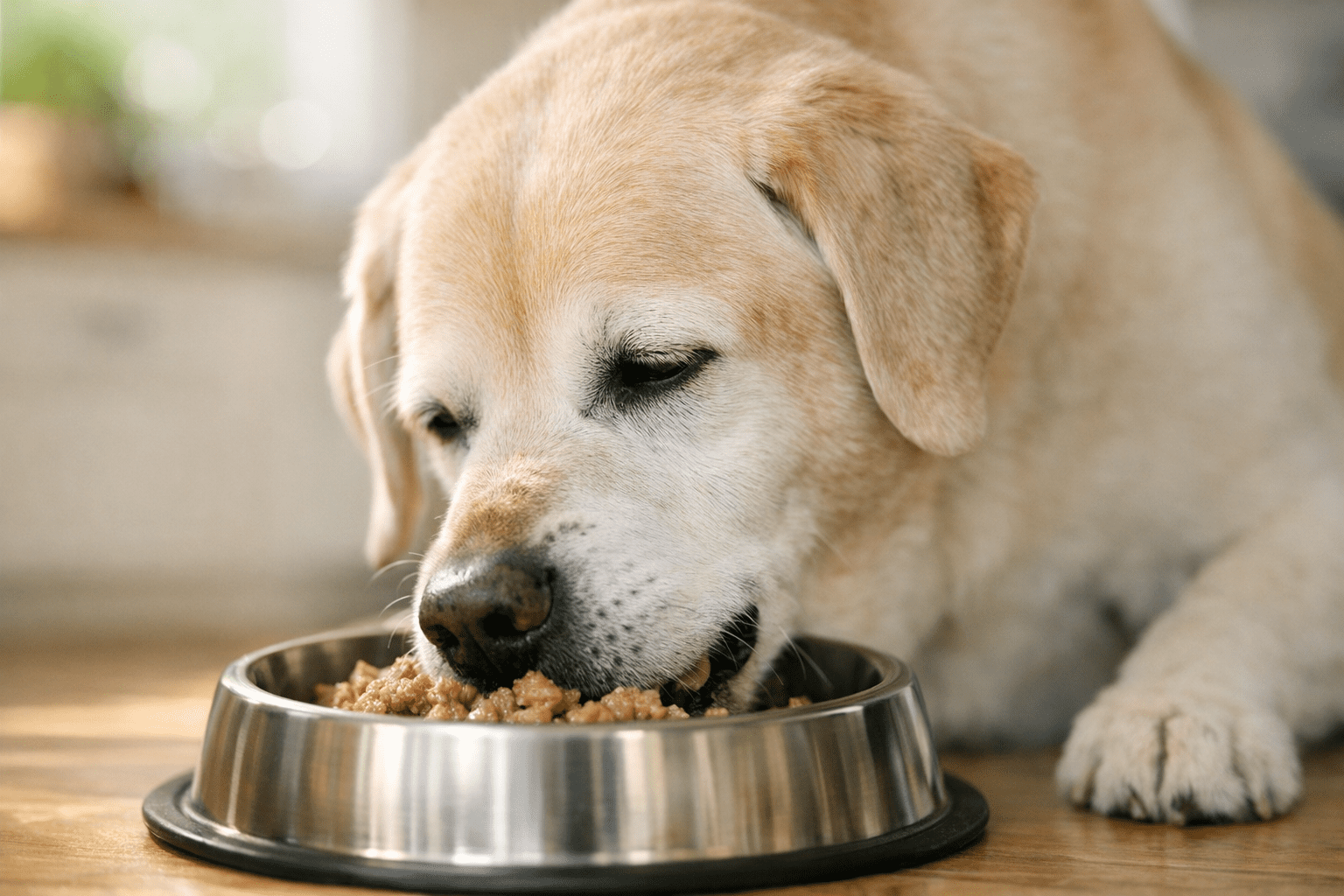
I started with their Healthy Aging Chicken and Salmon with Cranberries, Sweet Potatoes, and Carrots. It sounds fancy, I know. But honestly, it smells pretty good too (I may have considered tasting it—don’t judge me). This recipe is formulated by veterinary nutritionists, which made me feel better about my choices. It contains glucosamine for joint support and omega-3s for healthy aging. Max devoured it like he hadn’t eaten in weeks, even though I’d fed him just hours earlier.
The difference was night and day. No more dropping food. No more sad looks at his bowl. Just happy tail wags and a clean plate. I actually cried a little the first time he finished his entire meal without struggle. Yes, I’m that pet parent. No regrets.
Another recipe that worked wonders was the Multi-Protein Complete Meal with Chicken, Beef, Egg, and Salmon. This one is packed with protein and features wholesome veggies like sweet potatoes and green beans. The omega fatty acids gave Max’s coat a beautiful shine, and his energy levels improved noticeably. He started acting like a younger dog again, which was the best gift I could have asked for.
Of course, Freshpet isn’t the only option out there. But for dogs with severe dental issues, it’s hard to beat the combination of soft texture, high-quality ingredients, and enhanced flavor. Sometimes, the best dog food for senior dogs with bad teeth is the one they’ll actually eat without pain.
🍗 The Best Freshpet Recipes for Senior Dogs with Dental Problems
Let me break down the specific recipes that have been absolute lifesavers for Max and could be for your pup too. I’ve tried more dog foods than I care to admit, and these stand out for their texture, nutrition, and ability to make even the grumpiest senior dog wag their tail.
Healthy Aging Chicken and Salmon Recipe
This one is my go-to recommendation for any senior dog with dental issues. It’s formulated specifically for aging dogs, which means it addresses their unique nutritional needs without adding unnecessary fillers. The recipe includes:
- Chicken and salmon as high-quality protein sources
- Cranberries for urinary tract health
- Sweet potatoes for vitamins and fiber
- Carrots for beta-carotene and eye health
The texture is soft and moist, making it easy for dogs with sore gums or missing teeth to eat. I usually serve it at room temperature (never microwave it—you don’t want hot spots), and Max finishes it within minutes.
Multi-Protein Complete Meal
If your dog gets bored with the same food every day (and let’s be honest, who doesn’t?), this recipe offers variety with four protein sources: chicken, beef, egg, and salmon. It’s like a buffet in a bowl. The vegetables add texture and nutrition, while the gentle steam cooking ensures everything is tender enough for sensitive mouths.
Fresh from the Kitchen Home Cooked Chicken Recipe
This one has a home-cooked feel that dogs absolutely love. It’s simple, wholesome, and perfect for dogs who need extra encouragement to eat. The chicken is the star, but the recipe also includes carrots, peas, and brown rice for balanced nutrition.
I rotate between these recipes to keep Max excited about mealtime. The key is finding what works for your individual dog. Some seniors prefer chicken over fish, while others will eat anything that smells vaguely meaty. Don’t be afraid to experiment—within reason, of course. Your dog’s dental comfort is worth a few taste tests.
🏥 Dental Health Beyond Diet: What Else I Learned
Here’s something that blew my mind: dogs’ teeth are like icebergs. Only the crown shows above the gums, while the root—where serious problems like infections and bone loss happen—is hidden below. A tooth can look perfectly healthy while being severely diseased underneath. Learning this completely changed how I approach Max’s dental care.
When I first adopted Max, I’ll admit I wasn’t great about dental hygiene. I brushed his teeth occasionally (okay, rarely), and I figured that was enough. But the older he got, the more I realized that dental health requires consistent effort. And no, “consistent” doesn’t mean “once a month when I remember.” It means building habits that actually stick.
Here’s what my vet recommended, and what I now swear by:
Annual dental X-rays: These are non-negotiable. X-rays allow vets to see what’s happening below the gum line. They can detect abscesses, fractures, or root damage before these issues cause pain or tooth loss. Yes, it costs money. Yes, it’s worth every penny. Trust me, emergency dental surgery is far more expensive—and far more stressful for your dog.
Regular brushing: I know, I know. Brushing a dog’s teeth sounds like a recipe for disaster. But it doesn’t have to be a battle. Start slow, use dog-specific toothpaste (never human toothpaste—it’s toxic to dogs), and be patient. Even brushing two to three times per week makes a significant difference in plaque buildup.
Alternative cleaning methods: If your dog absolutely refuses to let you brush (Max still gives me the side-eye), try dental wipes, water additives, or vet-approved chews. These aren’t as effective as brushing, but they’re better than nothing.
I also learned that soft food alone isn’t enough to maintain dental health. While it’s gentler on teeth and gums, it doesn’t provide the abrasive cleaning effect that some harder foods offer. That’s why I incorporate dental treats and chews (the soft, vet-approved kind) into Max’s routine. It’s all about balance.
💧 The Hydration Connection You Can’t Ignore
Here’s something I didn’t think about until my vet pointed it out: senior dogs with dental problems often don’t drink enough water. Why? Because drinking can be painful when your mouth hurts. It sounds obvious now, but at the time, it was a revelation. Max was probably dehydrated on top of everything else.
Wet food and fresh food with high moisture content are excellent ways to boost your dog’s hydration without forcing them to drink more. Think about it: dry kibble contains around 10% moisture, while fresh or wet food can contain 70% or more. That’s a massive difference, especially for senior dogs whose kidneys may not be working as efficiently as they used to.
Dehydration in dogs can lead to serious health issues, including:
- Kidney problems
- Urinary tract infections
- Lethargy
- Poor coat condition
- Digestive issues
The good news is that switching to fresh food often resolves hydration issues naturally. Max’s water bowl consumption actually decreased when I switched him to fresh food, but his hydration levels improved because he was getting moisture from his meals. It’s like sneaking vegetables into a kid’s mac and cheese—they get the benefits without even realizing it.
I also started adding a little warm water to his food during winter months (yes, I’m that extra). He seems to enjoy the soupy consistency, and it gives me peace of mind knowing he’s staying hydrated. Plus, warming the food slightly enhances the aroma, which is great for senior dogs whose sense of smell might be declining.
🎯 My Top Tips for Transitioning Your Senior Dog to Soft Food
Switching your senior dog’s diet isn’t always smooth sailing. Some dogs adjust immediately, while others look at you like you’ve betrayed their entire lineage by changing their dinner. Here’s what worked for me, complete with the lessons I learned the hard way.
Go Slow and Steady
When I first tried to switch Max to soft food, I made the classic mistake of changing his diet overnight. Bad idea. He ate the new food but then had digestive issues that kept both of us up all night. Not fun for anyone involved.
Instead, mix the new food with the old food gradually:
- Days 1-3: 25% new food, 75% old food
- Days 4-6: 50% new food, 50% old food
- Days 7-9: 75% new food, 25% old food
- Day 10: 100% new food
This gradual transition gives your dog’s digestive system time to adjust. It also gives them time to get used to the new texture and flavor.
Warm It Up (But Not Too Much)
Serving food at room temperature enhances the aroma and makes it more appealing. For senior dogs with a diminished sense of smell, this can be a game-changer. Just avoid microwaving—it can create hot spots that burn your dog’s mouth. I learned this the hard way when Max gave me the most offended look I’ve ever seen from a dog.
Add a Topper for Extra Appeal
If your dog is hesitant, try adding a small amount of something irresistible on top. Plain yogurt, pumpkin puree, or a splash of low-sodium broth can work wonders. Just make sure whatever you add is dog-safe and doesn’t contain xylitol (which is toxic to dogs).
Be Patient and Positive
Your dog can sense your frustration. If you’re stressed about mealtime, they’ll pick up on that energy. Stay calm, use an encouraging tone, and praise them for eating. Make mealtime feel safe and positive, not stressful and painful.
🧠 What I Wish Someone Had Told Me Sooner
Looking back on my journey with Max, there are so many things I wish I’d known earlier. I’m sharing them with you so you can skip the mistakes I made and get straight to helping your senior dog thrive.
Dental health is connected to overall health. I used to think of dental care as separate from everything else. But oral health affects the heart, kidneys, and immune system. Bacteria from dental infections can enter the bloodstream and cause serious systemic issues. Taking care of your dog’s teeth isn’t just about their mouth—it’s about their whole body.
Expensive doesn’t always mean better. I bought some outrageously priced “premium” foods that Max absolutely hated. Meanwhile, some mid-range options were hits. Don’t assume that price equals quality. Read ingredients, check reviews, and pay attention to what your dog actually enjoys eating.
Your vet is your best resource. I made the mistake of Googling my way through Max’s dental issues before finally consulting my vet. While the internet has helpful information, nothing beats professional advice tailored to your specific dog. Vets can perform dental exams, recommend specific foods, and address underlying health issues that might be affecting your dog’s appetite.
It’s okay to mourn the loss of kibble. I know this sounds silly, but dry kibble is convenient. It stays fresh, doesn’t need refrigeration, and is easy to measure. Switching to fresh or wet food requires more effort—more trips to the store, more refrigeration space, more cleanup. Give yourself permission to be annoyed by the extra work while still doing what’s best for your dog.
Your dog will thank you. Seriously. The first time Max ate a full meal without pain, he wagged his tail so hard I thought it might fly off. He curled up next to me afterward and let out this contented little sigh. In that moment, every extra minute of effort was worth it.
🌟 Final Thoughts: You’ve Got This, Pet Parent
Caring for a senior dog with dental issues is challenging. I won’t pretend otherwise. There are days when you’ll feel overwhelmed, days when you’ll worry about their health, and days when you’ll wonder if you’re doing enough. But here’s the truth: the fact that you’re reading this article means you care deeply about your furry friend. And that caring attitude—that willingness to learn and adapt—is exactly what your dog needs.
Finding the best dog food for senior dogs with bad teeth isn’t about perfection. It’s about progress. It’s about trying different options until you find what works. It’s about celebrating the small victories—a full meal eaten without pain, a happy tail wag, a peaceful night’s sleep.
I’m not a veterinarian or a pet nutritionist. I’m just a pet parent who loves their dog and wants to share what I’ve learned. Every dog is unique, and what works for Max might not work for your pup. But I hope my journey gives you ideas, encouragement, and maybe a few laughs along the way.
Your senior dog has spent years being your loyal companion. They’ve greeted you at the door, snuggled with you on the couch, and loved you unconditionally. Now it’s your turn to return that love by making mealtime comfortable and enjoyable. You’ve got this. And your dog? They’re going to be so grateful.
Now if you’ll excuse me, Max is giving me his “it’s dinner time” look. And I have a fresh roll of his favorite food waiting in the fridge. 🐾❤️