Introduction
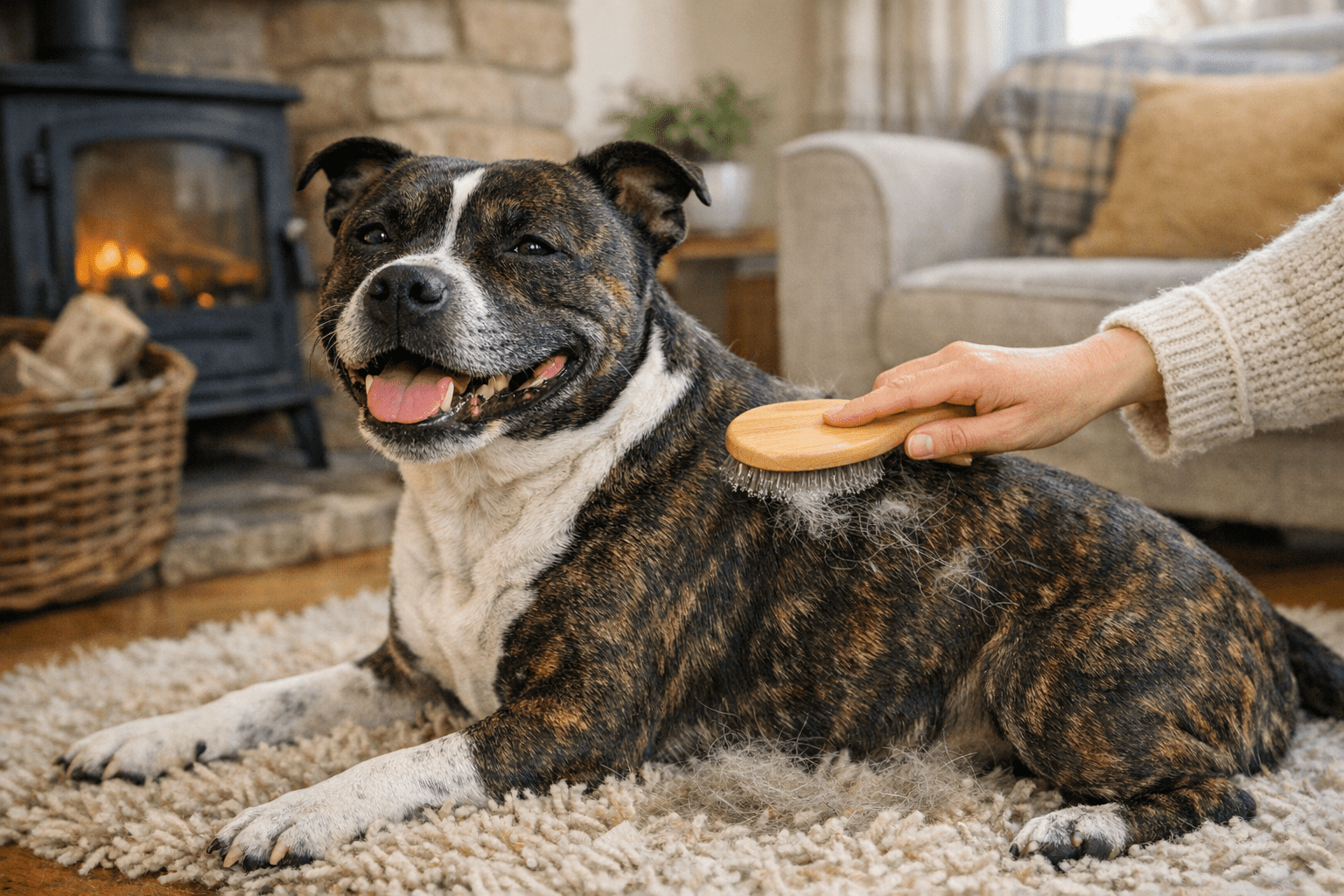
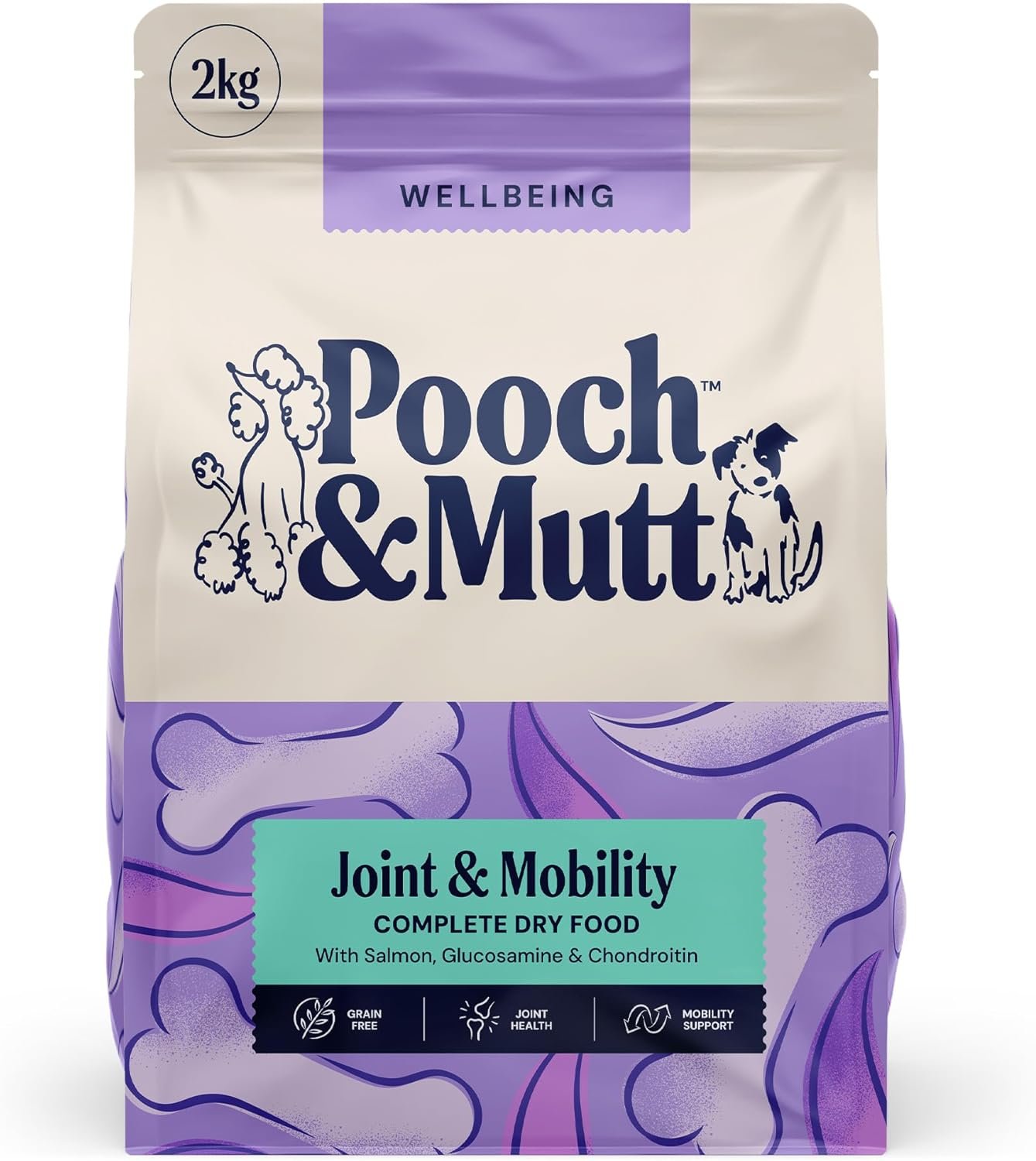
I’ll be honest with you — watching my Labrador, Buster, struggle to jump onto the sofa was heartbreaking. He’s twelve years old, his muzzle is grey, and for a while, I thought those days of long walks and fetch in the park were behind us. I tried supplements, I tried expensive vet-prescribed diets, and nothing seemed to make a real difference. That’s when a fellow dog owner at the park told me about Pooch & Mutt Joint Care Dog Food. I was sceptical at first — how could a bag of kibble possibly help with joint stiffness? But after three months of feeding Buster this grain-free salmon recipe, I’m a convert. He’s bouncing around like a puppy again, and I want to share everything I’ve learned.
In this article, I’m going to break down exactly why Pooch & Mutt Joint Care Dog Food stands out from the crowd. I’ll cover the science behind the ingredients, share real feeding tips, and help you decide if this is the right choice for your four-legged friend. Whether you’ve got a senior dog with creaky hips or an active breed that needs extra support, stick around — this could be the game-changer you’ve been searching for.
Why Joint Health Matters for Dogs (And Why Most Owners Miss the Signs)
You might think that a dog slowing down is just part of getting older — and you’re not entirely wrong. However, there’s a big difference between a dog who’s simply maturing and a dog who’s suffering silently. I’ve learned the hard way that dogs are masters at hiding pain. In the wild, showing weakness makes you vulnerable, so our pampered pups often hide their discomfort until it’s really bad.
Common signs of joint issues include:
- Reluctance to climb stairs or jump into the car
- Stiffness after lying down for a long time
- Lagging behind on walks when they used to lead
- Licking or chewing at specific joints
- Changes in temperament — even grumpiness
I noticed Buster would stand at the bottom of the stairs and just stare up at me. At first, I thought he was being lazy. Turns out, he was in real discomfort. Joint health isn’t just about comfort — it affects their quality of life, their mood, and even their appetite. That’s why choosing the right diet is so critical. A food like Pooch & Mutt Joint Care Dog Food isn’t just a meal; it’s a proactive approach to keeping your dog active and happy for years to come.
What Makes Pooch & Mutt Joint Care Dog Food Different?
Let’s cut through the marketing fluff. There are hundreds of dog foods on the market claiming to support joints, but most of them fall short. They add a tiny amount of glucosamine, slap a “joint health” label on the bag, and call it a day. Pooch & Mutt takes a completely different approach, and that’s why it’s earned my trust.
The standout feature is the ingredient synergy. This isn’t a one-trick pony. The recipe combines multiple joint-supporting compounds that work together. You’ve got:
- Green Lipped Mussel – this isn’t something you see in every dog food. It’s a natural source of omega-3s and glycosaminoglycans that actively reduce inflammation.
- Glucosamine and Chondroitin – the classic duo that supports cartilage repair and reduces friction in the joints.
- MSM (Methyl Sulphonyl Methane) – helps maintain flexible connective tissue.
- Boswellia Serrata – a herb traditionally used to support joint comfort.
What I love is that these aren’t just token amounts. The percentages are real and meaningful. Plus, the Salmon base provides natural anti-inflammatory omega-3 fatty acids. It’s grain-free and poultry-free too, which makes it ideal for dogs with sensitive stomachs or allergies. When you compare this to a standard supermarket brand, the difference is night and day.
The Star Ingredient: Why Salmon Beats Chicken for Joint Support
I used to think chicken was the gold standard for dog food protein. It’s lean, it’s affordable, and most dogs love it. But for joint health, salmon is the clear winner, and here’s why.
Salmon is packed with omega-3 fatty acids, specifically EPA and DHA. These aren’t just good for your dog’s coat — they’re powerful anti-inflammatory agents. Joint pain in dogs is often caused by chronic inflammation. By reducing that inflammation, you’re tackling the root cause rather than just masking the symptoms.
Pooch & Mutt Joint Care Dog Food uses fresh salmon as the first ingredient (25%), followed by salmon protein (16%). That’s a serious amount of quality fish. Compare that to foods where the first ingredient is “chicken meal” or “corn”, and you’ll see the difference immediately.
Buster, for example, used to have dry, flaky skin alongside his joint issues. Within two weeks of switching to this salmon-based recipe, his coat was noticeably shinier and softer. The omega-3s were doing their job. If your dog has any signs of skin irritation or a dull coat alongside mobility problems, this food could address both issues at once.
Grain-Free and Hypoallergenic: Why It Matters
Here’s something that surprised me: many dogs with joint problems also have undiagnosed food sensitivities. The two often go hand in hand. If your dog’s immune system is constantly battling an inflammatory response to something in their food, their joints will suffer too.
Pooch & Mutt Joint Care Dog Food is completely grain-free and poultry-free. That means no wheat, no corn, no soy, and no chicken. For dogs with allergies, this is a godsend. I’ve spoken to owners whose dogs had chronic ear infections or itchy paws, and switching to this food cleared those issues up within weeks.
The sweet potato provides a healthy, low-glycemic carbohydrate source that gives your dog steady energy without the blood sugar spikes you get from grains. Plus, the inclusion of prebiotics (Fructo-oligosaccharides) and postbiotics (inactivated Lactobacillus acidophilus) supports gut health. A healthy gut means better nutrient absorption, which means your dog gets more out of every meal. It’s a holistic approach that goes far beyond just adding glucosamine to a bag of cheap kibble.
My Personal Experience: 90 Days of Pooch & Mutt Joint Care Dog Food
I’m a firm believer in testing before recommending, so I documented Buster’s journey over three months. Here’s what happened.
Week 1-2: The transition was smooth. I mixed his old food with the new food gradually over a week. Buster, who can be a fussy eater, gobbled it up from day one. The kibble size is perfect for medium to large dogs — not too tiny, not too huge.
Week 3-4: I started noticing subtle changes. He was getting up from his bed more eagerly in the morning. The hesitation before jumping off the sofa was still there, but it was less pronounced.
Week 5-8: This was the turning point. We went for a walk, and Buster actually pulled on the lead to get to the park — something he hadn’t done in over a year. I almost cried. His stool quality was excellent too — firm and consistent, which told me his digestion was happy.
Week 9-12: He’s now a different dog. Not miraculously young, but definitely more comfortable. He plays with his toys again, he greets me at the door with a wagging tail instead of just looking up from his bed, and he can manage the three stairs to the garden without assistance.
I’m not saying this food is magic. But for Buster, the combination of targeted joint ingredients and high-quality nutrition has genuinely improved his quality of life. That’s worth every penny.
Feeding Guidelines: How to Get the Best Results
Getting the dosage right is crucial. Pooch & Mutt Joint Care Dog Food provides clear feeding guidelines based on weight, but these are rough guides. You’ll need to adjust based on your dog’s activity level, age, and whether they need to lose or gain weight.
| Dog Size | Weight Range | Daily Amount |
|---|---|---|
| Toy Dogs | 0–5 kg | 30–100 g |
| Small Dogs | 5–10 kg | 100–165 g |
| Medium Dogs | 10–25 kg | 165–330 g |
| Large Dogs | 25–50 kg | 330–550 g |
| Giant Dogs | 50 kg+ | 550+ g |
Buster is a 32 kg Labrador, so I feed him around 400 g per day, split into two meals. I always make sure fresh drinking water is available — this is non-negotiable with dry kibble.
One tip I’ve picked up: if your dog is already on joint supplements, you might be able to reduce them after a few weeks on this food. I’ve cut Buster’s liquid glucosamine dose by half, and he’s doing brilliantly. Obviously, consult your vet before making any changes.
Pros and Cons of Pooch & Mutt Joint Care Dog Food
Let’s be balanced here — no product is perfect, and honesty is important.
Pros:
- ✅ Vet-approved and nutritionally complete
- ✅ High-quality salmon as the primary protein
- ✅ Multiple joint-supporting ingredients working together
- ✅ Grain-free and poultry-free for sensitive dogs
- ✅ Includes prebiotics and postbiotics for digestive health
- ✅ Great palatability — even fussy eaters love it
- ✅ Resealable bag keeps kibble fresh
- ✅ Positive reviews from thousands of dog owners
Cons:
- ❌ Premium price point — it’s more expensive than standard kibble
- ❌ Some dogs might find the kibble size too large (though they offer a small breed variant)
- ❌ Availability can be patchy on Amazon at times
- ❌ Not suitable for puppies under 8 weeks
If you’re on a tight budget, this might feel expensive. But when you compare the cost to buying cheap food plus separate joint supplements, the price becomes much more reasonable. Plus, you’re getting a complete, balanced meal that does the heavy lifting for you.
Comparing Pooch & Mutt Joint Care Dog Food to Other Joint Health Foods
I’ve tried several brands before settling on this one, so I want to give you a fair comparison. Here’s how it stacks up:
| Feature | Pooch & Mutt Joint Care | Brand X (Supermarket) | Brand Y (Vet Prescription) |
|---|---|---|---|
| Protein Source | Fresh Salmon | Chicken Meal | Hydrolyzed Protein |
| Grain-Free | Yes | No | Yes |
| Glucosamine Content | 260 mg/kg | 150 mg/kg | 400 mg/kg |
| Chondroitin Content | 160 mg/kg | 50 mg/kg | 200 mg/kg |
| Green Lipped Mussel | Yes | No | Sometimes |
| Prebiotics | Yes | No | Yes |
| Price per kg | £8.50 | £3.00 | £12.00 |
| Palatability | Excellent | Good | Poor |
The vet prescription food had higher levels of glucosamine, but Buster flat-out refused to eat it. What’s the point of having the best ingredients if your dog won’t touch them? Pooch & Mutt Joint Care Dog Food strikes the perfect balance between quality and taste.
Frequently Asked Questions
How long does it take to see results with Pooch & Mutt Joint Care Dog Food?
Most owners, including myself, start seeing noticeable improvements within 3–4 weeks. However, every dog is different. Some dogs respond more quickly, especially if they’re younger or have less severe joint issues. For older dogs with chronic conditions, it might take 6–8 weeks to see significant changes.
Can I feed this to a puppy?
The manufacturer recommends this specific variant for adult dogs. While puppies can technically eat it from 8 weeks according to the brand’s general guidelines, I’d suggest sticking to a dedicated puppy formula for growing dogs. Puppies have different calcium-to-phosphorus ratio requirements.
Is this food suitable for dogs with allergies?
Absolutely. It’s grain-free, poultry-free, gluten-free, and wheat-free. The single protein source (salmon) reduces the risk of allergic reactions. If your dog has known allergies to fish, obviously avoid it, but for most dogs with food sensitivities, this is an excellent option.
Do I still need to give joint supplements?
This depends on your dog’s condition. The food contains meaningful amounts of glucosamine, chondroitin, and other joint-supporting compounds. For mild to moderate issues, this might be sufficient. For severe arthritis, you might still want to add a supplement. I recommend discussing this with your vet.
How does the kibble size compare to other brands?
The regular kibble is about 1.7 cm in size, which is larger than many standard kibbles. If you have a small breed dog, they offer a smaller kibble variant. Buster, being a Labrador, had no issues, but I’ve seen reviews from owners of tiny breeds who preferred the smaller option.
Can I mix this with wet food?
Yes, absolutely. Many owners, myself included, mix a handful of this kibble with wet food or bone broth to add variety. The flavours complement each other well. Just be mindful of the total calorie intake to avoid overfeeding.
Conclusion
If you’ve made it this far, you’re clearly someone who cares deeply about their dog’s wellbeing. I know how frustrating it is to watch your best friend slow down and feel helpless. Pooch & Mutt Joint Care Dog Food isn’t a miracle cure, but it is a scientifically formulated, thoughtfully crafted solution that addresses joint health from multiple angles.
The combination of fresh salmon, glucosamine, chondroitin, green lipped mussel, MSM, and Boswellia Serrata makes this one of the most comprehensive joint-supporting foods I’ve ever come across. Add in the grain-free, hypoallergenic formula and the digestive health benefits, and you’ve got a product that truly delivers.
Buster is twelve years old and still has plenty of life left in him. Thanks to this food, he’s enjoying his golden years with dignity and comfort. If your dog is showing signs of stiffness or slowing down, give Pooch & Mutt Joint Care Dog Food a try. Your dog deserves to feel good every single day.
Here’s to many more happy walks, fetch sessions, and sofa snuggles. 🐾