Introduction
Let me tell you something about German Shepherds – they’re absolute legends. 🐾 I’ve owned one myself, and honestly, there’s no dog quite like them. They’re loyal, intelligent, and have that “I’ve got your back” attitude that makes you feel like the safest person on the planet. But here’s the thing no one tells you at the puppy stage: these beautiful beasts come with a list of health concerns that can make even the most experienced dog owner panic.
When I first brought my GSD puppy home, I thought I was prepared. I had the food, the crate, the toys, and enough enthusiasm to power a small city. But within a few months, I started noticing things – a slight limp here, some digestive issues there – and realised I knew next to nothing about the common health problems in German Shepherds. So I hit the books, talked to vets, and learned the hard way what to watch out for.
This article is everything I wish I’d known from day one. No fluff, no sugar-coating – just honest, practical advice from someone who’s been through the trenches with a GSD. Whether you’re thinking of getting one or already share your home with a four-legged fur missile, this guide will help you spot problems early and keep your dog thriving.
Why German Shepherds Are Prone to Health Issues
German Shepherds didn’t get their health problems by accident. It’s a sad reality of breeding history. These dogs were originally developed in Germany in the late 19th century for herding and working purposes. Over time, breeders focused heavily on specific traits – intelligence, loyalty, that iconic sloping back – but sometimes at the expense of genetic diversity.
The result? A breed that’s prone to a whole host of inherited conditions. I’m not saying every GSD will develop problems, but the statistics don’t lie. According to the Orthopedic Foundation for Animals, around 20% of German Shepherds have hip dysplasia. That’s one in five dogs, folks.
Think of it like this: if you were to buy a sports car that looked amazing but had a tendency to overheat, you’d want to know about it before you took it on a long road trip. Same goes for GSDs. Knowing what they’re predisposed to means you can prepare, prevent, and act fast when something goes wrong.
And let’s be honest – these dogs are worth every bit of effort. Their intelligence and loyalty are unmatched. But being a responsible owner means understanding that common health problems in German Shepherds are part of the package. Accept it, prepare for it, and your best mate will thank you with years of tail wags and slobbery kisses.
Hip Dysplasia: The Big One You Need to Know About
If there’s one health issue that haunts every German Shepherd owner, it’s hip dysplasia. I remember the day my vet first mentioned it to me. My pup started favouring one leg after a long walk, and I assumed it was just a sprain. Nope – hip dysplasia.
So what exactly is it? Basically, the ball-and-socket joint of the hip doesn’t fit together properly. Instead of sliding smoothly, the bones rub against each other, causing pain, inflammation, and eventually arthritis. It’s a developmental condition, meaning it starts forming when the dog is a puppy.
Here’s the kicker: not all dogs with hip dysplasia show symptoms. Some are walking around with bad hips and you’d never know. Others start limping as early as 5 months old. Signs to watch for include:
- Bunny-hopping when running
- Reluctance to climb stairs
- Stiffness after lying down
- Decreased activity levels
The good news? There’s plenty you can do. Weight management is huge – every extra pound puts more strain on those hips. I switched my dog to a high-quality diet with glucosamine and chondroitin supplements, and it made a noticeable difference. Anti-inflammatory supplements can help too.
But let me be real with you: severe cases may require surgery. It’s expensive, yes, but it can give your dog a whole new lease on life. The best approach is prevention – only buy from breeders who screen for hip dysplasia and maintain a healthy weight from puppyhood.
Elbow Dysplasia: The Silent Joint Problem
Hip dysplasia gets all the attention, but elbow dysplasia is just as common and equally troublesome. In fact, studies show nearly 19% of German Shepherds develop this condition. That’s almost one in five dogs.
Elbow dysplasia covers a few different developmental issues in the elbow joint. The bones don’t form properly, leading to pain, lameness, and eventually arthritis. It usually appears between 4 and 18 months of age, which is exactly when you’re enjoying all that puppy energy – until suddenly, your dog starts holding one front leg up.
What’s frustrating is that elbow dysplasia can be tricky to diagnose. X-rays are needed, and even then, it can be missed if the vet isn’t experienced with the condition. My friend’s GSD was treated for a “sprained wrist” for months before someone finally spotted the elbow issue.
Treatment ranges from conservative management – rest, weight control, joint supplements – to surgery in severe cases. Recovery can be long, but dogs often do well with proper care. The key is early detection, so if your puppy shows any sign of front-leg lameness, don’t just wait it out. Get those X-rays done.
And here’s a tip from personal experience: keep your puppy’s nails trimmed short. Long nails change the way they walk, putting extra stress on already compromised joints. It’s a small thing that makes a big difference.
Degenerative Myelopathy: The Progressive Threat
Degenerative myelopathy is one of those conditions that still gives me chills thinking about it. It’s a progressive disease of the spinal cord, similar to ALS in humans, that gradually robs your dog of the ability to use their back legs.
Unlike hip dysplasia or elbow problems, this one isn’t painful – but watching it happen is heartbreaking. It usually affects older dogs, between 8 and 14 years of age. The first signs are subtle: a slight wobble in the hind end, dragging of the back feet, or difficulty getting up from a lying position.
I’ll never forget the story of my neighbour’s GSD, Max. He was a gorgeous 9-year-old male who suddenly started crossing his back legs when he walked. The vet diagnosed degenerative myelopathy, and within 6 months, Max was using a wheelchair harness. The dog adapted amazingly well, but it was tough for the owner.
The sad truth is that there’s no cure. Management focuses on maintaining quality of life: physical therapy, supportive care, and mobility aids. Some owners find that acupuncture and hydrotherapy help slow progression.
Testing is available for the genetic mutation that causes DM, so if you’re getting a puppy, ask the breeder if they test their breeding stock. It’s one of those common health problems in German Shepherds that can be bred out over time – if breeders commit to responsible practices.
Bloat (GDV): The Emergency You Must Know
If you remember only one thing from this article, let it be this: bloat kills. Fast. Gastric Dilatation-Volvulus, or GDV, is when the stomach fills with gas and twists on itself, cutting off blood supply. Without emergency treatment, death can occur within 30 to 60 minutes.
German Shepherds are one of the breeds most at risk because of their deep, narrow chests. I’ve had two close calls with bloat in my years of owning GSDs – one was a false alarm, the other was a genuine emergency that required rushing to the vet at 2 a.m.
Signs of bloat include:
- Restlessness and pacing
- Unproductive retching (trying to vomit but nothing comes up)
- A distended, hard belly
- Drooling and signs of distress
If you see these signs, drop everything and go to the nearest emergency vet. Do not wait, do not “see if he feels better in the morning.” Minutes matter.
Prevention is your best bet. Feed smaller meals throughout the day rather than one big one. Avoid vigorous exercise immediately before or after meals. Some vets recommend a prophylactic gastropexy surgery – where the stomach is tacked to the abdominal wall to prevent twisting – especially for high-risk breeds like GSDs.
I had the surgery done on my current GSD when he was neutered, and while it’s an extra cost, the peace of mind is priceless. Talk to your vet about whether it’s right for your dog.
Exocrine Pancreatic Insufficiency (EPI): The Starving German Shepherd
Exocrine Pancreatic Insufficiency, or EPI, is a condition that sounds scarier than it is once you understand it. Basically, the pancreas stops producing enough enzymes to digest food. The dog eats normally – sometimes even more than normal – but the nutrients pass right through undigested.
This condition is so strongly linked to German Shepherds that studies have found two-thirds of all EPI cases occur in this breed. That’s a staggering statistic. Symptoms include chronic diarrhoea, weight loss despite a good appetite, and a dull, greasy coat.
I once fostered a GSD with EPI, and honestly, the transformation with treatment was incredible. He came to me looking like a skeleton with fur, eating double portions but still losing weight. Within two weeks of starting enzyme replacement therapy, he was putting on weight and his stools were normal.
Treatment involves adding pancreatic enzymes to every meal for the rest of the dog’s life. It’s not cheap, but it’s manageable. Most dogs also need a special diet – easily digestible, low-fibre foods – and regular veterinary monitoring.
The good news? Once diagnosed and treated, dogs with EPI can live long, normal lives. The bad news is that diagnosis can be tricky, as symptoms mimic other digestive issues. If your GSD has chronic loose stools and is losing weight, push your vet for a specific EPI blood test. Don’t let them dismiss it as “just a sensitive stomach.”
Allergies and Skin Problems in German Shepherds
German Shepherds seem to be allergic to everything – or at least that’s how it feels when you’re dealing with a constantly scratching dog. Allergies are one of the most frustrating common health problems in German Shepherds because they’re often chronic and require ongoing management.
My own GSD is allergic to grass. Yes, grass. Try explaining that to a dog who loves rolling in the backyard. His skin breaks out in red, itchy patches, and if I don’t stay on top of it, he develops bacterial infections.
Allergies in GSDs typically fall into three categories:
- Environmental allergens (pollen, dust mites, mould)
- Food allergies (chicken, beef, dairy are common triggers)
- Flea allergy dermatitis
Symptoms include excessive scratching, licking paws, ear infections, hair loss, and red, inflamed skin. The breed’s thick double coat can hide early signs, so you have to be vigilant.
Treatment varies. Some dogs respond well to antihistamines, while others need immunotherapy (allergy shots). Omega-3 fatty acid supplements can improve skin health. For food allergies, an elimination diet is the gold standard – and yes, that means 8 to 12 weeks of boring, single-ingredient meals while you figure out the culprit.
My advice? Start with the basics: feed a high-quality diet, use a flea preventative religiously, and bathe your GSD with a gentle, hypoallergenic shampoo. And get ready to be your dog’s personal itchiologist – because with German Shepherds, you’ll spend a fair amount of time playing detective.
A Complete Guide to Common Health Problems in German Shepherds
Let’s bring everything together in one clear, actionable guide. As a German Shepherd owner myself, I know how overwhelming it can feel when your dog starts showing symptoms and you have no idea what’s going on. So I’ve created this straightforward resource to help you navigate the common health problems in German Shepherds like a seasoned pro.
Here’s the reality check: common health problems in German Shepherds aren’t a death sentence. They’re a heads-up. Knowledge is power, and the more you know, the better prepared you’ll be to keep your dog healthy and happy.
Start with prevention. Buy from a reputable breeder who screens for hip and elbow dysplasia, degenerative myelopathy, and other genetic conditions. Keep your GSD at a healthy weight – those extra pounds are joint killers. Feed a balanced diet appropriate for large breeds, and consider supplements like glucosamine, probiotics, and omega-3s.
Subscribe to yearly veterinary check-ups, and don’t skip the senior wellness exams once your dog hits 7 or 8 years old. Early detection makes a massive difference in outcomes for conditions like cancer (hemangiosarcoma and osteosarcoma are also risks in this breed), kidney disease, and cataracts.
| Condition | Prevalence in GSDs | Main Signs | Prevention/Treatment |
|---|---|---|---|
| Hip Dysplasia | ~20% | Limping, bunny-hopping, stiffness | Weight control, supplements, surgery if severe |
| Elbow Dysplasia | ~19% | Front-leg lameness | Rest, joint supplements, surgery if needed |
| Degenerative Myelopathy | ~14% | Hind-end weakness, wobbling | Physical therapy, mobility aids, no cure |
| Bloat (GDV) | High risk due to chest shape | Distended belly, retching, restlessness | Small meals, gastropexy surgery |
| EPI | Two-thirds of all cases | Weight loss, diarrhoea, dull coat | Enzyme supplements, special diet |
| Allergies | Very common | Itching, ear infections, hair loss | Avoid triggers, antihistamines, immunotherapy |
The bottom line? German Shepherds are amazing dogs, but they’re not low-maintenance when it comes to health. You’ve got to be proactive, not reactive. Spot problems early, act fast, and don’t be afraid to get a second opinion if something doesn’t feel right.
How to Keep Your German Shepherd Healthy Long-Term
Alright, so we’ve covered the scary stuff. Now let’s talk about the fun part – keeping your German Shepherd healthy and thriving for as long as possible. Because trust me, when that big, goofy dog is lying at your feet after a long walk, you’ll know it’s all worth it.
First things first: exercise. German Shepherds need at least 60 to 90 minutes of physical activity daily. This isn’t a suggestion – it’s a requirement. Under-exercised GSDs become destructive, anxious, and barky. I learned this the hard way when my dog redecorated my living room couch with his teeth. Nice look, but not exactly interior design goals.
Mix it up: walks, runs, fetch, agility training, swimming (great for joints). Mental stimulation is equally important. Puzzle toys, obedience training, and scent games keep that brilliant brain busy.
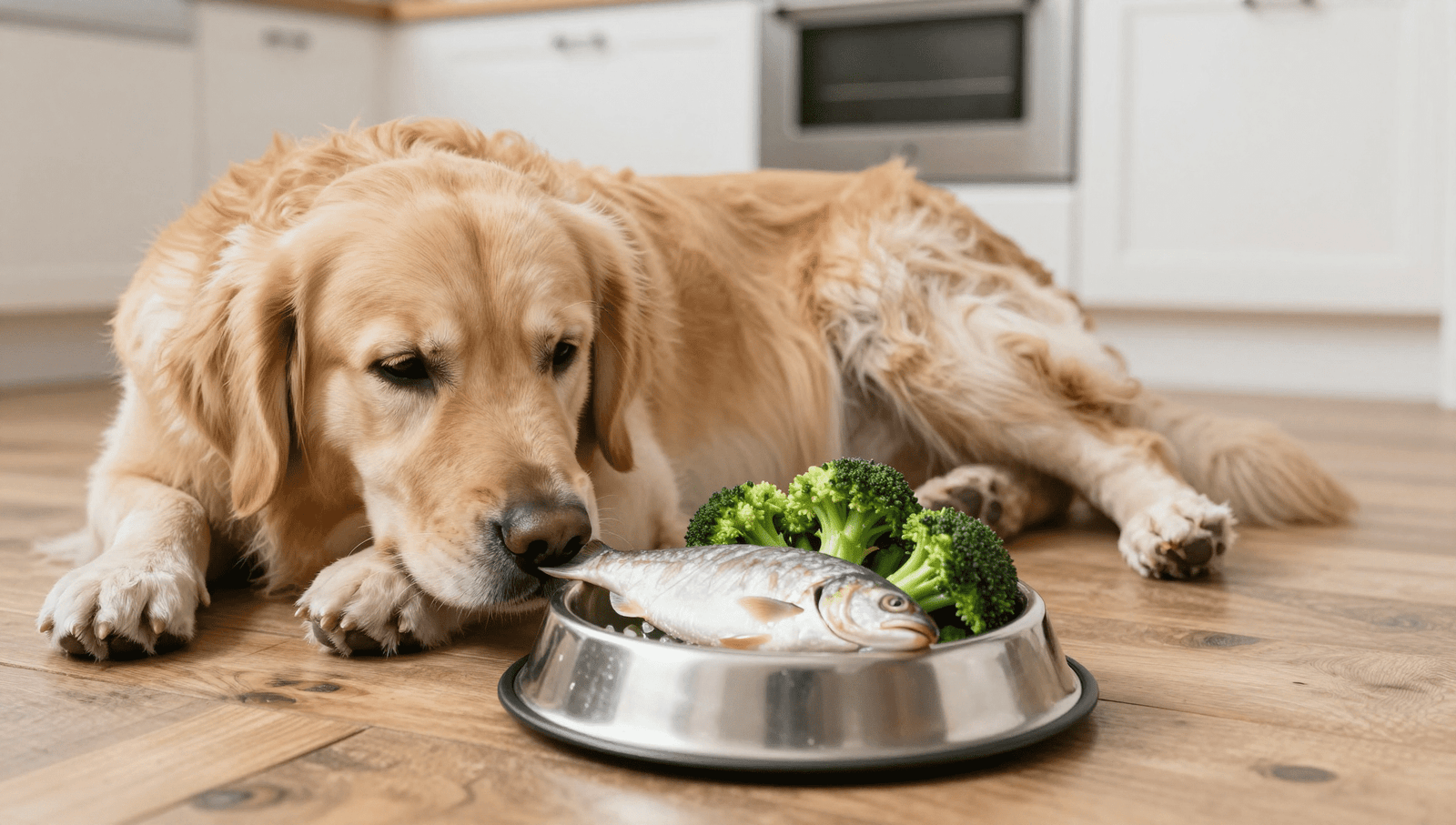
Next, nutrition. Feed a high-quality dog food appropriate for large breeds, especially during the puppy stage when rapid growth can exacerbate joint issues. I personally feed a balanced raw diet, but good-quality kibble works too. Look for foods with glucosamine, omega-3s, and probiotics.
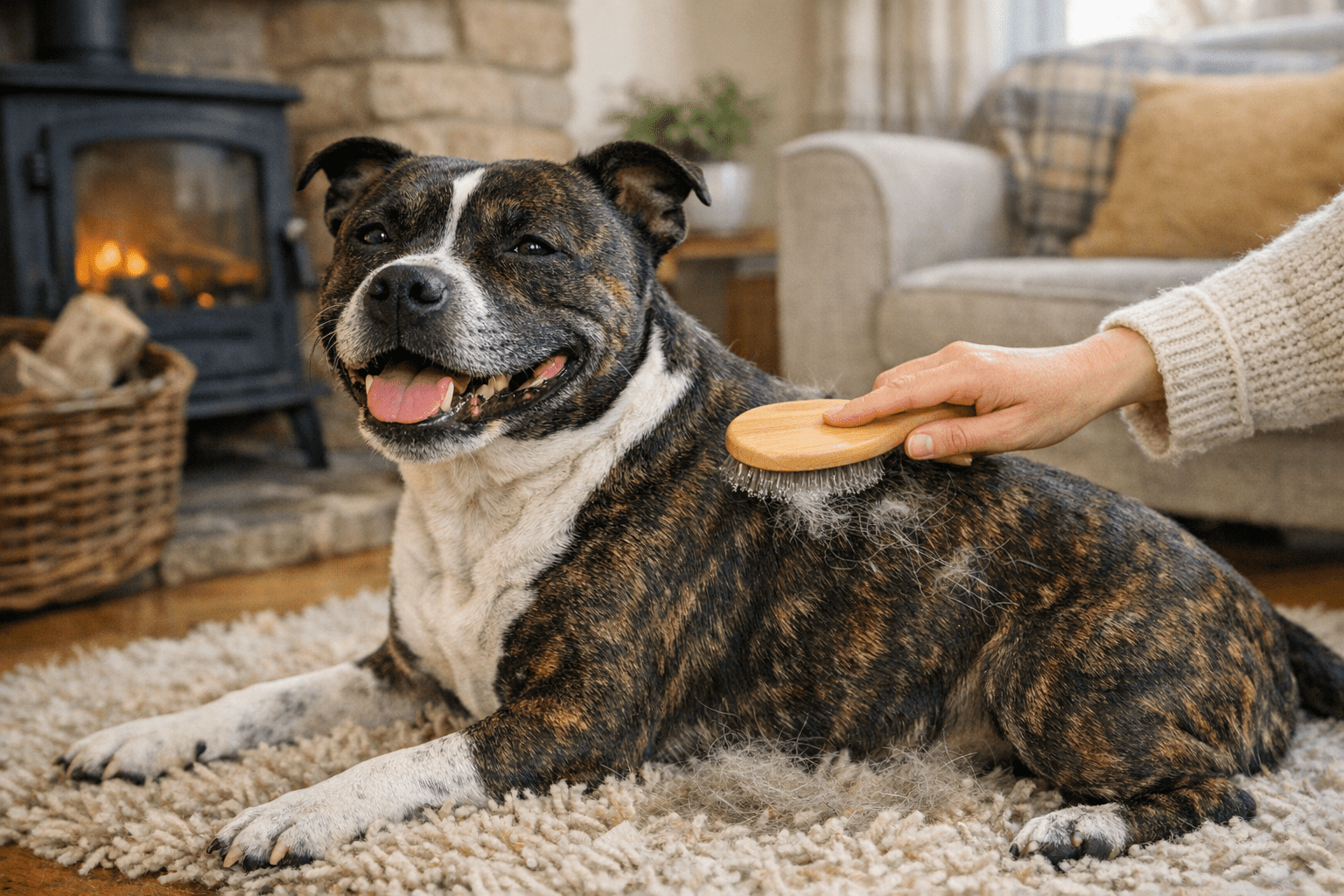
Regular grooming is non-negotiable. German Shepherds shed like it’s their job – because it is. Brush them at least twice a week, more during shedding season. It keeps their coat healthy and gives you a chance to check for skin issues, lumps, or parasites.
Finally, maintain a relationship with a vet you trust. Not just any vet – one who knows the breed and understands common health problems in German Shepherds. Build that relationship early, so when something goes wrong, you’ve got a partner in your dog’s corner.
Pros and Cons of Owning a German Shepherd
Let’s be honest for a minute. Owning a German Shepherd is amazing, but it’s not all sunshine and tail wags. Here’s my unfiltered list of pros and cons based on years of real-world experience:
Pros:
- Unwavering loyalty and protective instincts
- Highly intelligent and trainable – they excel at obedience, agility, and working roles
- Great with families when properly socialised
- Incredible work ethic – they’ll join you on hikes, runs, and adventures
- Their presence alone makes you feel secure
Cons:
- Prone to the common health problems in German Shepherds we’ve discussed – vet bills can be steep
- Heavy shedders – buy a good vacuum cleaner, you’ll need it
- High exercise and mental stimulation requirements – not a couch potato breed
- Can be wary of strangers if not socialised early
- Prone to separation anxiety – leaving them alone for long periods is tough
- Their protective nature can become problematic without proper training
The verdict? If you have the time, space, energy, and budget to handle their needs, a German Shepherd will be the best dog you’ve ever had. If you work 12-hour shifts and live in a tiny flat, maybe reconsider. These dogs deserve owners who can meet them halfway – and they’ll repay you ten times over with love and loyalty.
Frequently Asked Questions
What is the most common health problem in German Shepherds?
Hip dysplasia tops the list, affecting about 20% of the breed. It’s a joint condition where the hip socket doesn’t properly fit the femur, leading to pain and arthritis. Early detection and weight management are crucial for managing this condition.
How can I prevent health problems in my German Shepherd?
Start by choosing a responsible breeder who screens for genetic conditions. Keep your dog at a healthy weight, feed a balanced diet, provide regular exercise, and schedule yearly vet check-ups. Supplements like glucosamine and probiotics can also support joint and digestive health.
Do German Shepherds have sensitive stomachs?
Yes, they definitely can. The breed is prone to digestive issues like EPI and food sensitivities. Many GSD owners find that a limited-ingredient diet or easily digestible food works best. Avoid sudden diet changes and monitor for signs of diarrhoea or discomfort.
At what age do German Shepherds start having health problems?
It varies. Hip and elbow dysplasia can show up as early as 4 to 18 months. Degenerative myelopathy typically appears in senior dogs aged 8 to 14 years. Bloat can happen at any age, but risk increases after 5 years old.
How long do German Shepherds typically live?
The average lifespan is 9 to 13 years. With proper care, good genetics, and regular veterinary attention, some GSDs live into their early teens. The key is proactive health management and early intervention when problems arise.
Are German Shepherds expensive to maintain due to health issues?
They can be. Between regular vet visits, potential surgeries, medications, joint supplements, and special diets, the costs add up. Pet insurance is strongly recommended for this breed. Think of it as an investment in your dog’s long-term wellbeing.
Conclusion
Owning a German Shepherd is one of life’s great joys – and one of life’s great responsibilities. These magnificent dogs give us their whole hearts, but they also bring a list of common health problems in German Shepherds that we have to be ready for. Hip dysplasia, elbow problems, bloat, EPI, allergies – they’re all part of the package.
But here’s what I’ve learned after years of ups and downs with my GSD: don’t let the potential health issues scare you away. Instead, let them prepare you. Be proactive, be observant, and be your dog’s biggest advocate. The love and loyalty you get in return is worth every penny, every vet visit, and every sleepless night worrying about whether that limp is serious.
If you’re a German Shepherd owner or thinking of becoming one, you’ve already taken the first step by educating yourself. That’s what separates good owners from great ones. Now go give your GSD a belly rub, check those joints, and enjoy every moment of the adventure. 🐶❤️
Have you dealt with any health issues in your German Shepherd? Drop a comment below – I’d love to hear your story and what worked for you.