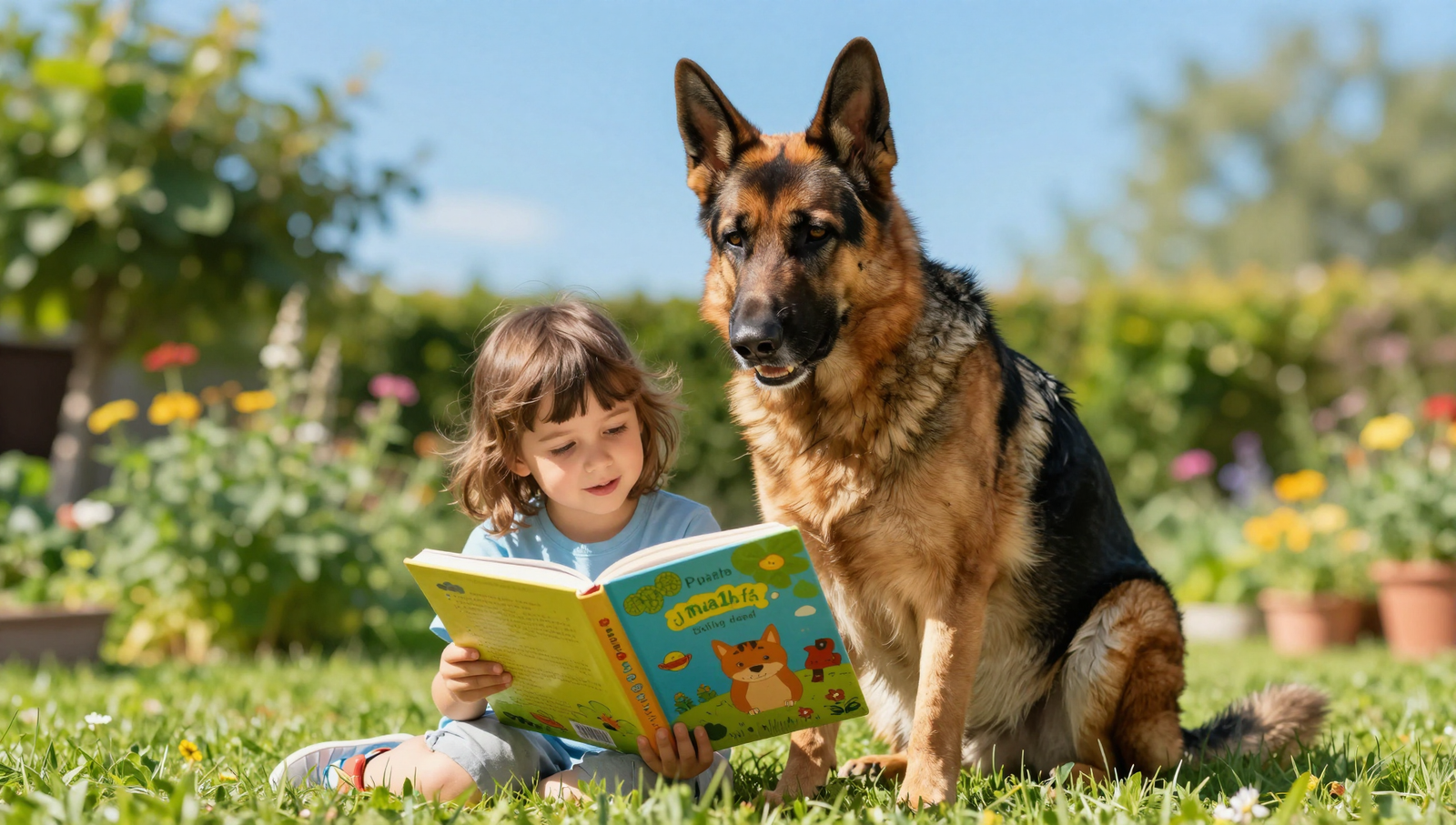
Introduction: Why I Love German Shepherds (And You Will Too!)
Hey there, fellow dog enthusiasts! If you’re reading this, chances are you or your little ones have fallen head over heels for those magnificent German Shepherds. I remember the first time I met a German Shepherd as a kid — it was my neighbour’s dog, Max, and I was absolutely terrified. He was huge, with ears that stood up like satellite dishes, and a bark that could wake the dead! 😅
Fast forward twenty years, and I’ve owned two German Shepherds myself. Let me tell you, these dogs are absolutely magical — but they’re not for everyone. That’s why I’ve put together this comprehensive guide full of German Shepherd facts for kids (and curious adults too!). Whether you’re considering adding one to your family or just want to satisfy your curiosity, you’re in for a treat.
German Shepherds are more than just police dogs and movie stars. They’re loyal companions, goofy family members, and incredibly smart animals. But before you rush out to get one, there’s a lot you need to know. So grab a cuppa, get comfortable, and let’s dive into the wonderful world of these amazing dogs! 🇩🇪🐕
The Incredible History of the German Shepherd 🏆
Did you know that German Shepherds haven’t been around forever? In fact, this breed is relatively young compared to other dogs. The story begins in Germany in the late 1800s. Back then, shepherds needed dogs to help them herd sheep and protect their flocks from wolves and other predators. They wanted dogs that were smart, strong, and loyal — the exact qualities we love today!
A man named Max von Stephanitz is the hero of our story. In 1899, he spotted a dog at a show named Hektor Linksrhein and fell in love instantly. He bought the dog on the spot and renamed him Horand von Grafrath. This single dog became the very first registered German Shepherd, and every single German Shepherd today can trace their family tree back to him. How cool is that? 🐾
Here’s a fun German Shepherd fact for kids: During World War I, these dogs were so brave that soldiers from both sides admired them. But after the war, people in Britain didn’t want to call them “German” anything — so they renamed them “Alsatian Wolf Dogs”! The name stuck for over 50 years before being changed back in 1977.
The breed became super famous thanks to movie stars like Rin Tin Tin and Strongheart. These four-legged celebrities showed the world just how amazing German Shepherds could be. Fast forward to today, and they’re the second most popular breed in the United States!
What Do German Shepherds Look Like? 🎨
Let’s talk about what makes these dogs so distinctive. When you picture a German Shepherd, you probably imagine a large, muscular dog with pointy ears and a bushy tail. And you’d be spot on!
Size and Build
German Shepherds are medium to large-sized dogs. The boys (males) typically stand about 60–65 centimetres tall at the shoulder — that’s roughly the height of a kitchen counter! The girls (females) are slightly smaller at 55–60 centimetres. In terms of weight, males can tip the scales at 30–40 kilograms, while females weigh between 22–32 kilograms.
Here’s a fun German Shepherd fact for kids: These dogs are longer than they are tall! Their body shape follows a 10:8.5 ratio of length to height. That’s why they look so elegant when they run.
Coat and Colours
German Shepherds have a double coat — a thick, soft undercoat for warmth and a denser outer coat for protection. You’ll find them in two coat lengths: medium and long. Long-haired ones are rarer because the gene for long hair is recessive (that’s a fancy way of saying both parents need to carry it).
The most common colours you’ll see are:
- Tan with black saddle — the classic look we all recognise
- Sable — where each hair has multiple colours
- Solid black — striking and beautiful
- Bi-colour — mostly black with small tan markings
Did you know white German Shepherds exist? They do, but most kennel clubs won’t let them compete in shows. Blue and liver colours are considered faults too.
That Famous Face
German Shepherds have a rounded forehead, a long muzzle, and the most intelligent brown eyes. Their ears stand straight up — a trait that develops as they grow. Puppies have floppy ears that gradually become erect around 4–6 months of age. It’s adorable to watch! 🥰
How Smart Are German Shepherds? 🤔
Now we’re getting to the really fun stuff! German Shepherds are absolute brainiacs. In fact, they’re ranked as one of the smartest dog breeds — just behind Border Collies and Poodles. But what does that actually mean?
Intelligence in Action
These dogs can learn new commands in just 5–10 repetitions. Compare that to the average dog which needs 25–40 repetitions! They understand new commands with 95% accuracy on the first try. That’s seriously impressive.
Here’s a German Shepherd fact for kids that will blow your mind: These dogs were ranked second in a study of breeds that bark most as watchdogs. Their intelligence combined with their protective nature makes them incredible guard dogs. But don’t worry — they’re not just barking machines!
How Smart Are They Really?
I’ve owned two German Shepherds, and honestly, sometimes I think they’re smarter than me! My current dog, Bella, knows exactly when it’s walk time. She’ll bring me her lead 10 minutes before our usual schedule, just in case I’m running late. She’s also figured out which cabinet has the treats and will stare at it until I give in. Manipulative? Absolutely. But I love her for it! 😂
Their intelligence means they need mental stimulation. A bored German Shepherd is a destructive German Shepherd. Trust me on this — I learned the hard way when my first dog chewed through a sofa because I didn’t give him enough puzzle toys.
German Shepherd Temperament: Friend or Foe? 🎭
Here’s where things get interesting — and where I need to be completely honest with you. German Shepherds have a reputation for being aggressive, but that’s not the full story.
The Loyal Protector
German Shepherds were bred to be working dogs. They want to protect their family and their home. This makes them incredibly loyal companions. They’ll follow you from room to room, always wanting to be where you are. Sometimes it’s endearing; sometimes it’s a trip hazard!
A well-socialised German Shepherd is confident, curious, and eager to learn. They’re affectionate with family members but can be reserved with strangers. This isn’t aggression — it’s just their nature. They need to assess new people before deciding if they’re friend or foe.
The Playful Side
Despite their serious working dog reputation, German Shepherds have a goofy side. My Bella does this thing called the “German Shepherd Gallop” where she runs sideways with her ears flopping. It’s ridiculous and never fails to make me laugh.
These dogs are excellent with children when properly socialised. They’re protective without being aggressive, patient without being pushy. But here’s the catch: they need early socialisation. You can’t just expect a German Shepherd puppy to automatically love everyone. You have to introduce them to different people, places, and experiences.
Understanding the Bite
Let’s address the elephant in the room. German Shepherds do have a powerful bite — over 238 pounds of force compared to a human’s 86 pounds. Studies have shown they’re involved in severe bites, but context matters. Popular breeds get involved in more incidents simply because there are more of them. When adjusted for popularity, German Shepherds rank much lower.
Caring for Your German Shepherd: The Complete Guide 🛠️
Taking care of a German Shepherd is a big responsibility, but it’s incredibly rewarding. Let me break down everything you need to know.
Exercise Needs
These dogs are athletes. They need at least 1–2 hours of exercise daily. That’s not a suggestion — it’s a minimum requirement. Without enough exercise, you’ll have a hyperactive, destructive, and unhappy dog on your hands.
Here’s what a typical day looks like for my German Shepherd:
- Morning: 45-minute brisk walk with some running
- Afternoon: 20 minutes of fetch or tug-of-war
- Evening: Another 45-minute walk with training exercises
German Shepherd fact for kids: These dogs can run up to 30 miles per hour! That’s as fast as a car in a school zone. No wonder you need a big garden!
Grooming Requirements
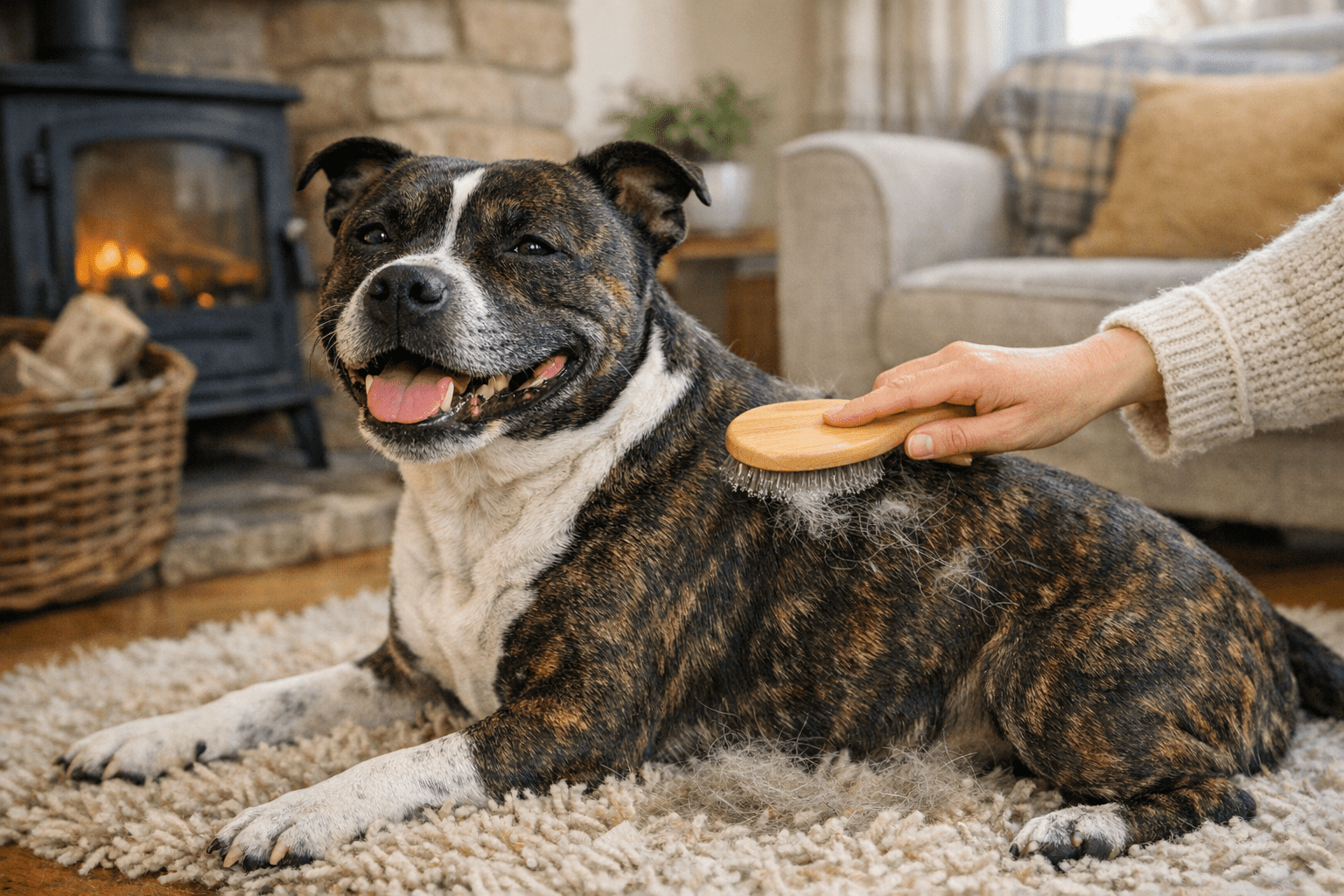
Remember that double coat I mentioned? It sheds. A lot. Like, enough fur to build a second dog. German Shepherds shed year-round, with heavy shedding in spring and autumn. You’ll need to brush them at least 2–3 times per week.
Bathing should happen every 4–6 weeks unless they get particularly muddy (which they will — German Shepherds love mud!). Their nails need trimming monthly, and teeth should be brushed weekly.
Space Considerations
German Shepherds are not apartment dogs. They need space to move around. A house with a securely fenced garden is ideal. If you live in a flat, you’ll need to compensate with extra walks and mental stimulation.
Feeding Your German Shepherd: The Nutrition Guide 🥩
Feeding a German Shepherd properly is crucial for their health and happiness. Let’s talk about what goes into their bowl.
What Makes a Good Diet?
German Shepherds need a balanced diet with these essential components:
| Nutrient | Why It Matters | Good Sources |
|---|---|---|
| Protein | Builds and repairs muscles | Chicken, beef, lamb, fish, eggs |
| Fats | Provides energy and helps absorb vitamins | Chicken fat, fish oil, vegetable oils |
| Carbohydrates | Gives sustained energy | Rice, barley, oats, sweet potatoes |
| Vitamins | Supports various body functions | A, B complex, C, D, E, K |
| Minerals | Essential for bones and body processes | Calcium, phosphorus, zinc, iron |
Feeding Schedule
Puppies need 3–4 small meals daily. Adults do well with 2 meals per day. Seniors (7+ years) may need special senior food with adjusted nutrients.
Watch out for these dangerous human foods:
- Chocolate — extremely toxic (dark chocolate is worst)
- Onions and garlic — damage red blood cells
- Grapes and raisins — can cause kidney failure
- Xylitol — found in sugar-free products, causes rapid blood sugar drop
Portion Control
Always follow the feeding guidelines on your dog food bag. But also check your dog’s body condition. You should be able to feel their ribs without pressing hard, and they should have a visible waist when viewed from above.
Training Your German Shepherd: Tips for Success 🎓
Training a German Shepherd is one of the most satisfying experiences you’ll ever have. These dogs love learning and thrive on structure.
Start Early
Puppy training should begin the day you bring your German Shepherd home. Basic commands like sit, stay, come, and leave it are essential. German Shepherds respond incredibly well to positive reinforcement — treats, praise, and play.
Socialisation
This is non-negotiable. Your German Shepherd needs to meet:
- Different people (men, women, children, people in uniforms)
- Other dogs (of all sizes and temperaments)
- Various environments (busy streets, parks, car rides, vet visits)
Common Training Challenges
German Shepherds can be stubborn. They might test boundaries, especially during adolescence (around 6–18 months). Consistency is key. If you let them get away with something once, they’ll try again.
Here’s a German Shepherd fact for kids about training: These dogs were bred to work independently. That means they can make decisions on their own — which is great for police work but challenging for pet owners! You need to establish yourself as the leader.
Professional Help
Don’t be afraid to work with a professional trainer. I did with my first German Shepherd, and it made a world of difference. Group classes are also great for socialisation.
German Shepherd Health: What Every Owner Needs to Know 🏥
Like all purebred dogs, German Shepherds have some health issues you should know about.
Common Health Problems
| Condition | Description | Frequency |
|---|---|---|
| Hip Dysplasia | Abnormal hip joint development | 19.1% affected |
| Elbow Dysplasia | Similar problem in front legs | Common |
| Degenerative Myelopathy | Spinal cord disease | Higher risk |
| Von Willebrand Disease | Bleeding disorder | Higher risk |
| Pancreatic Insufficiency | Digestive enzyme deficiency | ~1% in UK |
| Bloat | Stomach twisting | Emergency situation |
Lifespan
German Shepherds typically live 9–13 years. A recent UK survey found an average lifespan of 10.95 years. That’s normal for a dog their size.
Preventing Health Issues
- Buy from reputable breeders who health-test their dogs
- Maintain a healthy weight — overweight dogs have more joint problems
- Regular vet checkups — at least annually
- Limit jumping in puppies to protect developing joints
- Consider pet insurance — vet bills can be expensive
German Shepherd Facts for Kids: Fun Trivia to Impress Your Friends 🎉
Alright, here’s the section you’ve been waiting for! Let me share some absolutely brilliant German Shepherd facts for kids that you can use to impress your friends and family.
Fact #1: They Were Almost Called Something Else
After World War I, the UK Kennel Club changed the breed’s name to “Alsatian Wolf Dog” because “German” wasn’t popular. It took 50 years to change it back!
Fact #2: Famous German Shepherds
- Rin Tin Tin — Hollywood star who appeared in 27 films
- Blondi — Adolf Hitler’s pet (yes, that’s dark history)
- Champ and Major — President Joe Biden’s dogs
- Apollo — search and rescue dog who worked at 9/11
Fact #3: They Have Super Speed
German Shepherds can reach speeds of 30 miles per hour. That’s faster than a cheetah? No, but still incredibly fast for a dog!
Fact #4: All German Shepherds Share One Ancestor
Remember Horand von Grafrath? Every single German Shepherd alive today can trace their lineage back to this one dog.
Fact #5: They Come in Many Colours
While you usually see black and tan, German Shepherds can be sable, solid black, white, and even blue or liver (though those are considered faults in shows).
Fact #6: They’re Incredibly Strong
A German Shepherd’s bite exerts over 238 pounds of force. That’s enough to crush a bone!
Pros and Cons of Owning a German Shepherd ⚖️
Let me be completely honest with you. German Shepherds are amazing dogs, but they’re not for everyone.
The Pros ✅
- Incredibly loyal — they’ll stick by you through thick and thin
- Highly intelligent — easy to train and fun to teach
- Versatile workers — excel at police work, search and rescue, and as guide dogs
- Excellent protectors — will guard your family
- Great with children — when properly socialised
- Active companions — perfect for hiking and outdoor adventures
The Cons ❌
- High exercise needs — at least 1–2 hours daily
- Lots of shedding — prepare for fur everywhere
- Can be expensive — quality food, vet bills, training
- Need early socialisation — lack of it can lead to behaviour issues
- Not ideal for first-time owners — they’re challenging
- Separation anxiety — they bond closely and don’t like being alone
Is a German Shepherd Right for You?
If you have time, space, energy, and experience with dogs, a German Shepherd could be your perfect match. If you’re a busy family who’s rarely home, or if you live in a small flat, consider a different breed.
Comparison: German Shepherd vs Other Popular Family Breeds 🏆
| Feature | German Shepherd | Labrador Retriever | Golden Retriever | Border Collie |
|---|---|---|---|---|
| Size | Large (22-40kg) | Large (25-36kg) | Large (25-34kg) | Medium (14-22kg) |
| Exercise Needs | High | High | Moderate-High | Very High |
| Trainability | Very High | High | High | Very High |
| Good with Kids | Yes (socialised) | Yes | Yes | Yes |
| Shedding | Heavy | Moderate | Heavy | Moderate |
| Barking | Moderate | Low | Low | Moderate |
| Protective | Very | Moderate | Low | Moderate |
| Lifespan | 9-13 years | 10-12 years | 10-12 years | 12-15 years |
Frequently Asked Questions ❓
Are German Shepherds good family dogs?
Absolutely, when raised properly! German Shepherds are incredibly loyal and protective of their families. They form strong bonds with children and adults alike. However, they need early socialisation and training. They’re not dogs you can ignore — they need attention, exercise, and mental stimulation. But if you put in the work, you’ll have a devoted family member for years to come.
How much exercise does a German Shepherd need?
German Shepherds need at least 1–2 hours of exercise daily. This should include both physical activities like walking, running, and playing fetch, plus mental stimulation like puzzle toys and training sessions. Without enough exercise, they can become destructive and develop behavioural issues. Trust me, you don’t want to come home to chewed furniture!
Do German Shepherds shed a lot?
Oh yes! German Shepherds are heavy shedders. They have a double coat that sheds year-round, with two major “blowouts” in spring and autumn when they lose their undercoat. Regular brushing (2–3 times per week) helps manage the fur, but you’ll never be completely fur-free. If you’re a neat freak, this might not be the breed for you!
Are German Shepherds easy to train?
Yes and no. German Shepherds are incredibly intelligent and eager to please, which makes training easier than with many other breeds. However, they can also be stubborn and independent. They need consistent, positive reinforcement training and a firm but gentle handler. First-time dog owners might find them challenging. Professional training classes are highly recommended.
How long do German Shepherds live?
German Shepherds typically live 9–13 years, with an average lifespan of about 11 years. That’s standard for a large breed dog. Providing proper nutrition, regular veterinary care, exercise, and a loving home can help maximise their lifespan. Be aware that they’re prone to certain health issues like hip dysplasia and degenerative myelopathy.
Are German Shepherds aggressive?
Not naturally. German Shepherds are protective and can be wary of strangers, but aggression is usually a result of poor breeding, lack of socialisation, or improper training. A well-bred, well-socialised German Shepherd is confident, friendly, and stable. They’re not naturally aggressive — they’re discerning about who they trust. Early socialisation is absolutely essential.
Conclusion: Is a German Shepherd Right for Your Family? 🏠
So there you have it — everything you need to know about German Shepherd facts for kids and adults alike! These magnificent animals are a unique blend of intelligence, loyalty, and strength. They’re not just pets; they’re family members who will protect, entertain, and love you unconditionally.
But let’s be real — German Shepherds aren’t for everyone. They need space, time, energy, and commitment. They shed like crazy, need tons of exercise, and require consistent training. If you’re looking for a low-maintenance lap dog, keep looking! But if you want an active, intelligent, and devoted companion who’ll be your best friend for a decade or more, a German Shepherd might be perfect.
I’ve shared my life with two of these incredible dogs, and I wouldn’t trade the experience for anything. Yes, there were chewed shoes, muddy paw prints, and enough fur to knit a sweater. But there were also wet noses greeting me at the door, warm bodies curled up beside me on the couch, and unwavering loyalty through the good times and bad.
If you’re ready for the commitment, a German Shepherd will reward you with more love and adventure than you ever imagined. And isn’t that what having a dog is all about? 🐾❤️
Got questions about German Shepherds? Drop them in the comments below! And if you found this guide helpful, share it with other dog lovers who are considering this amazing breed.