Introduction
Picture this: you’re sat on the sofa, enjoying a Sunday roast, and those big puppy-dog eyes are fixed on you. That little wagging tail, the gentle paw on your knee, the soft whimper that says, “please, just a tiny bit?” We’ve all been there, and let’s be honest, it’s almost impossible to resist. I know I’ve caved more times than I care to admit.
But here’s the thing – not all human food is safe for our four-legged friends. In fact, there’s one particular meat that I’ve learned the hard way should never, ever end up in your dog’s bowl. I’m talking about what is the one meat to never feed a dog – and the answer might surprise you. It’s not chicken, it’s not beef, and it’s not even lamb. It’s raw pork.
Now, before you scroll past thinking, “but my dog loves bacon!” let me stop you right there. I’m not just being dramatic. Raw pork is genuinely dangerous for dogs, and it’s something every responsible pet owner in the UK needs to understand. Whether you’re feeding a Staffordshire Bull Terrier, a Labrador, or a tiny Chihuahua, this warning applies to you.
In this article, I’m going to walk you through exactly why raw pork is so dangerous, what hidden risks lurk in your kitchen, and how you can keep your pup safe while still treating them like the good boy or girl they are. I’ll also share some real-life stories, practical tips, and a few laughs along the way. Because let’s face it, dog ownership is equal parts joy, chaos, and wiping muddy paws off the kitchen floor.
So grab a cuppa, settle in, and let’s talk about why this one meat is a definite no-go for your canine companion.
Best Dog Food for Senior Dogs with Bad Teeth
Why Raw Pork is the One Meat to Never Feed a Dog
I remember the first time I heard about the dangers of raw pork. I was at the vet with my golden retriever, Bailey, after he’d helped himself to a forgotten pork chop under the dining table. The vet’s face went pale, and she immediately started listing off all the terrifying things that could happen. That’s when I learned the hard truth about what is the one meat to never feed a dog.
Raw pork is dangerous because it can carry a parasite called Trichinella spiralis, which causes a disease known as trichinosis. This nasty little parasite lives in the muscle tissue of pigs, and when your dog eats raw or undercooked pork, those parasites can infect their body. Symptoms include vomiting, diarrhoea, fever, muscle pain, and in severe cases, it can even be fatal.
But that’s not all. Raw pork can also contain Pseudorabies virus, also known as Aujeszky’s disease. This is a viral infection that affects pigs but can be deadly to dogs. It attacks the nervous system and causes intense itching, paralysis, and death. There’s no cure, and it’s almost always fatal.
Now, I’m not saying this to scare you – well, maybe a little – but it’s crucial information. The UK has strict regulations on pig farming, but the risk is still there. That’s why every vet I’ve ever spoken to says the same thing: raw pork is the one meat to never feed a dog.
If you’re thinking about a raw food diet for your dog, which is becoming increasingly popular in the UK, please talk to your vet first. They can advise on safe options like raw beef, chicken, or lamb, which have lower risks. But pork? Leave it out entirely.
Best Food for Senior Dogs With Dental Issues — A Complete Feeding Guide for UK Dog Owners
The Hidden Dangers in Your Kitchen
Your kitchen might look like a safe haven, but it’s full of hidden dangers for your dog. I’ve lost count of the number of times I’ve turned around to find Bailey with his head in the bin, or sniffing around the counter where I’ve left a packet of bacon. Dogs are clever, crafty creatures, and they’ll find trouble faster than you can say “sit.”
Let’s talk about some of the other foods that are dangerous for dogs, because what is the one meat to never feed a dog is just the tip of the iceberg.
Common Kitchen Hazards
| Food Item | Why It’s Dangerous | Symptoms to Watch For |
|---|---|---|
| Raw Pork | Trichinosis, Pseudorabies | Vomiting, fever, muscle pain, paralysis |
| Raw Chicken | Salmonella, Campylobacter | Diarrhoea, vomiting, fever |
| Cooked Bones | Splintering, choking, intestinal blockages | Gagging, vomiting, constipation |
| Onions & Garlic | Damages red blood cells, causes anaemia | Weakness, pale gums, lethargy |
| Grapes & Raisins | Kidney failure | Repeated vomiting, depression, loss of appetite |
| Chocolate | Theobromine poisoning | Hyperactivity, seizures, heart problems |
I keep a list like this on my fridge, and I’d recommend you do the same. It’s a simple way to remind yourself and anyone else in the house what’s safe and what’s not. Trust me, when your mother-in-law comes over and starts feeding your dog bits of roast dinner, you’ll be glad to have that list handy.
Another thing to watch out for is xylitol, an artificial sweetener found in sugar-free gum, some peanut butters, and even toothpaste. It can cause a rapid drop in blood sugar and liver failure in dogs. Always check labels, especially if you’re sharing treats.
The Science Behind the Danger
I’m no scientist, but I’ve done my homework after that scary vet visit with Bailey. Let me break down the science of why what is the one meat to never feed a dog is so dangerous.
Trichinosis is caused by eating raw or undercooked meat containing the larvae of a roundworm called Trichinella. When your dog ingests these larvae, they travel from the stomach to the small intestine, where they mature and reproduce. Then, the new larvae travel through the bloodstream to muscle tissue, where they form cysts. This can cause inflammation, pain, and damage to muscles, including the heart.
The incubation period is usually 5–15 days, but symptoms can appear sooner. Your dog might seem fine one day, then suddenly be sick the next. That’s what happened to a friend of mine whose Border Collie ate raw pork from a neighbour’s BBQ. She thought it was just a tummy upset, but by the time she got to the vet, the infection had spread.
In the UK, trichinosis is rare, but cases do occur. The Food Standards Agency monitors pig meat, but no system is 100% foolproof. That’s why I always err on the side of caution. I’d rather be safe than sorry, especially when it comes to my furry family members.
Cooking pork thoroughly kills the parasite, but here’s the catch – even cooked pork can be risky because of its high fat content. Fatty meats can cause pancreatitis in dogs, which is a painful and potentially life-threatening condition. So even if you cook it, pork isn’t the best choice for your pup.
Safe Meat Alternatives for Your Dog
Now that we’ve established what is the one meat to never feed a dog, let’s talk about what you can feed them. Because let’s be real, dogs love meat, and there’s no reason to deprive them entirely.
I’ve experimented with different meats for Bailey over the years, and I’ve found a few that work brilliantly. Here’s my go-to list of safe meat options:
| Meat Type | Preparation | Benefits |
|---|---|---|
| Cooked Chicken | Boneless, skinless, no seasoning | Lean protein, easy to digest |
| Cooked Turkey | Same as chicken | Great alternative, especially for dogs with allergies |
| Cooked Beef | Lean cuts, no fat | Rich in iron and B vitamins |
| Cooked Lamb | Trimmed of fat | Good for dogs with sensitive stomachs |
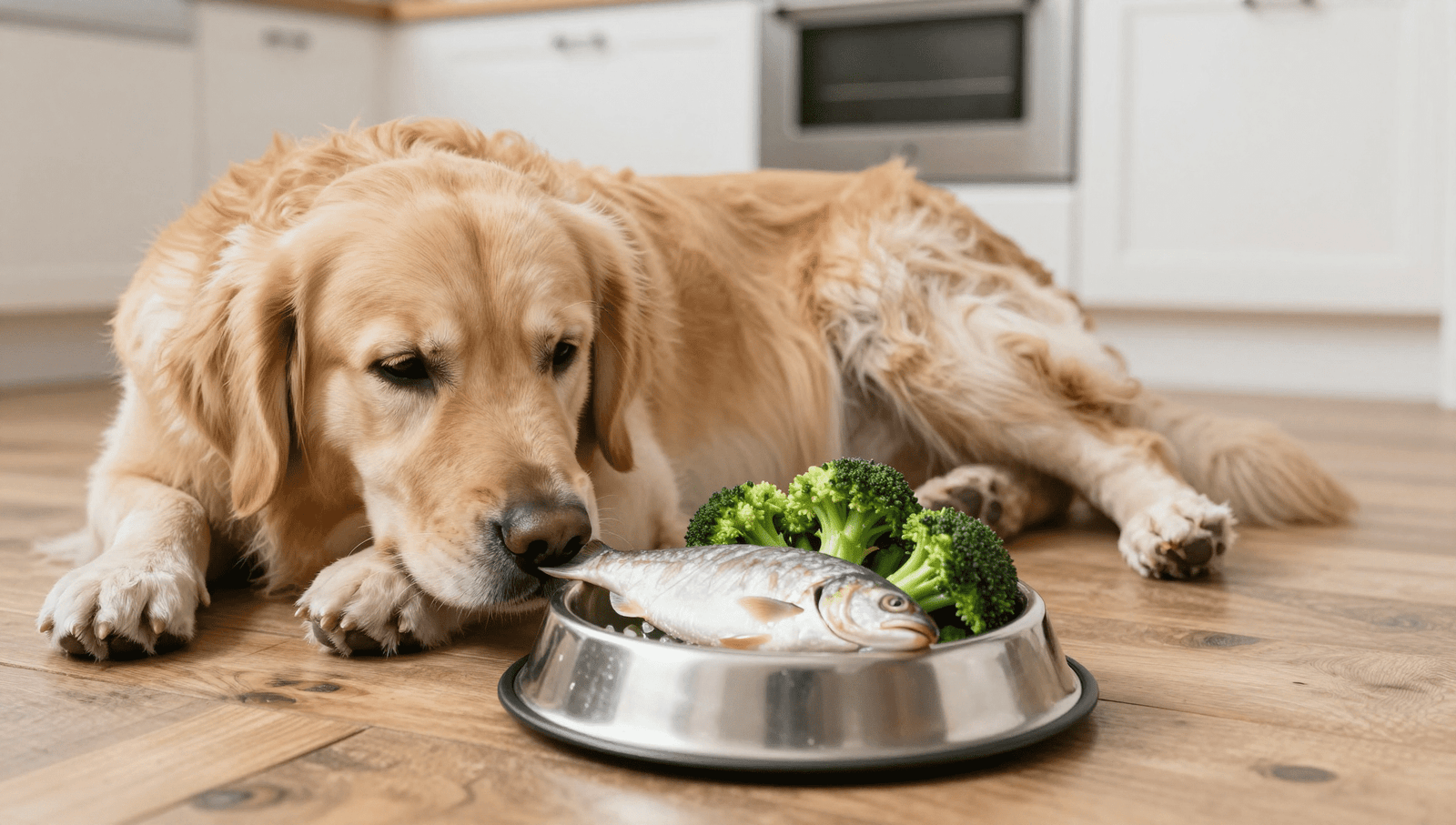
| Cooked Fish (salmon, sardines) | Boneless, fully cooked | Omega-3 fatty acids for coat and joint health |
Notice a pattern? Cooked is the key word. Always cook meat thoroughly before giving it to your dog. And please, no seasoning. No salt, no pepper, no garlic, no onion. Plain, simple, and safe.
I also like to add some vegetables to Bailey’s meals. Carrots, green beans, and sweet potatoes are all excellent choices. They add fibre, vitamins, and a bit of crunch that dogs seem to love. Plus, it’s a great way to use up leftovers from your own dinner.
The Raw Food Diet Debate
The raw food diet for dogs has been gaining popularity in the UK over the last few years. Proponents claim it’s more natural, healthier, and better for your dog’s teeth and coat. I’ve had plenty of conversations with fellow dog owners who swear by it, and I can see the appeal.
But here’s where I have to be honest – I’m not a fan of raw feeding, and here’s why. First, there’s the risk of bacterial contamination. Raw meat can carry salmonella, E. coli, and campylobacter, which can make both your dog and your family sick. Second, there’s the risk of nutritional imbalances. It’s incredibly difficult to get the right balance of proteins, fats, vitamins, and minerals without professional guidance.
And yes, you guessed it – what is the one meat to never feed a dog is a major concern in raw feeding circles. Raw pork is a definite no, but even raw chicken, beef, and lamb carry risks.
If you’re considering a raw diet, I’d strongly advise you to:
- Consult your vet – They can advise on safe options and potential risks.
- Use a commercial raw food supplier – They follow strict hygiene and nutritional standards.
- Handle with care – Raw meat requires careful storage and cleaning to avoid cross-contamination.
I’ve chosen to stick with a high-quality commercial kibble for Bailey, supplemented with cooked meat and vegetables. It’s convenient, balanced, and safe. But everyone’s circumstances are different, so do what’s best for you and your dog.
Common Myths About Feeding Dogs Meat
Over the years, I’ve heard all sorts of myths about feeding dogs meat. Some are harmless, but others are downright dangerous. Let me bust a few of them for you.
Myth 1: Dogs can eat any raw meat This is one of the most common misconceptions. While dogs have stronger stomach acids than humans, they’re not immune to food poisoning. Raw pork is the worst offender, but raw chicken, beef, and fish also carry risks. Always cook meat thoroughly.
Myth 2: A dog’s stomach can handle anything I wish this were true – it would save me a lot of cleaning up. But dogs can get upset stomachs just like we can. Fatty foods, spicy foods, and certain meats can cause vomiting, diarrhoea, and pancreatitis. Stick to plain, cooked meat.
Myth 3: Bones are good for dogs Cooked bones are dangerous because they can splinter and cause internal damage. Raw bones are safer, but they still carry risks like choking and tooth fractures. If you want to give your dog a bone, choose a raw, meaty bone and supervise them closely.
Myth 4: A little bit of pork won’t hurt This is the most dangerous myth of all, especially when it comes to what is the one meat to never feed a dog. Even a small amount of raw pork can contain the trichinella parasite. It’s not worth the risk, plain and simple.
I’ve learned the hard way that it’s better to be cautious. Bailey once ate a whole packet of bacon I’d left on the counter. He was fine, thankfully, but I was a nervous wreck for days. Since then, pork has been on the banned list in our house.
What to Do If Your Dog Eats Something Dangerous
Despite our best efforts, accidents happen. Dogs are quick, sneaky, and determined. If your dog eats something they shouldn’t, here’s what I recommend:
- Stay calm – Your dog will pick up on your stress, so try to stay relaxed.
- Identify what they ate – Check packaging, labels, or any remnants.
- Call your vet immediately – Even if your dog seems fine, it’s better to be safe.
- Watch for symptoms – Vomiting, diarrhoea, lethargy, and unusual behaviour are all red flags.
- Don’t induce vomiting unless told to – Some substances can cause more damage coming back up.
I keep the number of my local vet and the ASPCA Animal Poison Control Center (888-426-4435) on my fridge. In the UK, you can also call the Veterinary Poisons Information Service (VPIS) at 0207 305 5055. Save these numbers in your phone – you never know when you might need them.
The day Bailey ate that pork chop, I was a mess. But because I called the vet straight away, they were able to advise me on what to do. We monitored him for 48 hours, and thankfully he was fine. But I learned a valuable lesson: keep dangerous foods out of reach, and always have emergency numbers handy.
Building a Healthy Diet for Your Dog
Feeding your dog a balanced diet is one of the most important things you can do for their health and happiness. I’ve spent years tweaking Bailey’s diet, and I’ve found a routine that works brilliantly for us.
Here’s my approach to dog nutrition:
- High-quality commercial food – I use a premium kibble that’s complete and balanced for his age, size, and activity level.
- Cooked meat supplements – A few times a week, I add cooked chicken, turkey, or beef to his meals for variety and extra protein.
- Vegetable treats – Carrots, cucumber, and green beans make great low-calorie treats.
- Avoid table scraps – I try to avoid giving him food from our plates, even though it’s tempting.
- Fresh water always – Clean, fresh water should be available at all times.
The key is consistency. Dogs thrive on routine, and a regular feeding schedule helps with digestion and behaviour. I feed Bailey twice a day – morning and evening – and I measure his food to avoid overfeeding.
And of course, I never, ever give him raw pork. What is the one meat to never feed a dog is a lesson I’ll never forget, and I hope you won’t either.
Frequently Asked Questions
Why is raw pork dangerous for dogs?
Raw pork can contain the Trichinella parasite, which causes trichinosis – a serious infection that affects muscles and can be fatal. It can also carry the Pseudorabies virus, which is deadly to dogs. Even small amounts of raw pork can cause illness, so it’s best to avoid it entirely.
Can dogs eat cooked pork safely?
Cooked pork is safer than raw pork because cooking kills the parasite. However, pork is high in fat, which can cause pancreatitis in dogs. If you do give cooked pork, make sure it’s lean, unseasoned, and given in very small amounts. I personally avoid it altogether.
What are the symptoms of trichinosis in dogs?
Symptoms include vomiting, diarrhoea, fever, muscle pain, lethargy, and swelling around the eyes. In severe cases, it can cause difficulty breathing, heart problems, and death. Symptoms usually appear 5–15 days after eating infected meat.
Is pork safe for dogs in any form?
The only safe form of pork for dogs is fully cooked, lean, and unseasoned pork given in very small amounts. However, even then, it’s not recommended due to the high fat content and the risk of pancreatitis. I stick to chicken, turkey, and beef for my dog.
Can dogs eat bacon or ham?
Bacon and ham are processed pork products that are high in salt, fat, and preservatives. They can cause pancreatitis, obesity, and other health problems. A small piece of cooked bacon as a rare treat might not harm your dog, but it’s best avoided. I don’t give Bailey any pork products at all.
What should I do if my dog eats raw pork?
Call your vet immediately, even if your dog seems fine. They can advise on monitoring or treatment. Watch for symptoms like vomiting, diarrhoea, fever, and lethargy. Don’t induce vomiting unless instructed by a vet. Keep the packaging or remnants for identification.
Conclusion
So there you have it – the definitive answer to what is the one meat to never feed a dog: raw pork. It’s not about being overprotective or paranoid; it’s about understanding the real risks that come with feeding our furry friends the wrong foods. I’ve learned through experience, through vet visits, and through plenty of late-night worrying that prevention is always better than cure.
Being a dog owner is one of the most rewarding experiences in life. The unconditional love, the slobbery kisses, the joy of seeing their tail wag when you walk through the door – it’s all worth it. But with that joy comes responsibility. We have to make sure we’re feeding them safe, nutritious food that supports their health and happiness.
I hope this article has given you a clearer understanding of what’s safe and what’s not. And I hope you’ll think twice before sharing that bit of Sunday roast or that forgotten pork chop. Your dog will thank you for it – even if they give you those big, sad eyes in the moment.
Remember, a healthy dog is a happy dog. And a happy dog makes for a happy owner. So next time you’re tempted to slip them something from your plate, think about what is the one meat to never feed a dog and make the safer choice. Your vet will thank you, your dog will thank you, and your bank account will thank you for avoiding emergency visits.
Now go give your pup a cuddle from me. They deserve it. 🐾🐶