Introduction
Let’s be real for a second. You’ve probably spent hours scrolling through endless dog forums, watching YouTube videos of adorable Cockapoo puppies, and reading every article you can find. And somewhere in that journey, one question keeps popping up like a persistent notification: Do Cockapoos shed?
I get it. When I first considered getting a Cockapoo, that was the million-dollar question on my mind too. After all, nobody wants to spend their weekends vacuuming fur off every piece of furniture or sneezing through cuddle sessions. The good news? The answer isn’t black and white, but it’s definitely leaning toward the “fur-friendly” side.
In this guide, I’m going to walk you through everything I’ve learned about Cockapoo shedding—not just the textbook stuff, but real-world experiences from my time with these adorable fluffballs. We’ll dive into genetics, grooming secrets, seasonal shedding patterns, and even how to keep your home cleaner while enjoying every moment with your pup.
By the end of this article, you’ll know exactly what to expect, how to prepare, and whether a Cockapoo is the right fit for your home. So grab a cup of coffee (or tea, no judgment here ☕), and let’s get into it!
What the Heck Is a Cockapoo Anyway?
Before we tackle the shedding question head-on, let’s set the stage. A Cockapoo is what happens when a Cocker Spaniel and a Poodle fall in love and decide to create the cutest hybrid breed you’ve ever seen. Seriously, they look like teddy bears come to life.
Cockapoos are part of the “designer dog” category, and honestly, they’ve earned their popularity. They’re intelligent, affectionate, and they’ve got this goofy personality that makes you smile even on the worst days. I’ve owned dogs my whole life, but my Cockapoo, Charlie, takes the cake for being the most playful yet snuggly companion I’ve ever had.
But here’s the kicker: Because they’re a mix of two very different breeds, their coats can vary drastically. Some Cockapoos have tight, curly coats like a Poodle, while others have wavy or even straight coats more like a Cocker Spaniel. And guess what? That coat type determines how much they shed.
So if you’re expecting a one-size-fits-all answer about shedding, I hate to break it to you—it’s not that simple. But stick with me, and I’ll help you figure out where your potential pup (or current one) falls on the shedding spectrum.
So, Do Cockapoos Shed? Let’s Talk Facts
Here’s the short answer: Yes, Cockapoos do shed, but very little compared to many other breeds. In fact, they’re widely considered a low-shedding breed. But (and this is a big “but”) they’re not completely shedding-free.
Think of it this way: All dogs lose hair, just like humans do. It’s a natural part of life. The difference is how much and how often. Cockapoos, especially those with curlier coats, lose hair at a much slower rate than, say, a Golden Retriever or a Husky.
Why is that? It comes down to their genes. Poodles are known for their hair-like coats that grow continuously and shed minimally. Cocker Spaniels, on the other hand, have double coats that shed moderately. When you mix the two, the result is a spectrum.
In my experience with Charlie, I barely notice any shedding. Sure, I’ll find a few hairs on my couch after a heavy snuggle session, but it’s nothing compared to what I dealt with when I had a Labrador. If shedding is your biggest concern, a Cockapoo is definitely a solid choice.
The Genetics Game: Why Some Cockapoos Shed More
You’ve probably noticed that no two Cockapoos look exactly alike. Some have those tight poodle curls, while others have soft, feathery waves. This isn’t random—it’s genetics at play.
Here’s how it works: A Cockapoo inherits two sets of genes—one from the Poodle parent and one from the Cocker Spaniel parent. The dominant gene for coat type determines whether your pup will be a heavy shedder or a light one.
If your Cockapoo takes after the Poodle side, you’ll likely see a curly coat that grows continuously, like human hair. These pups shed minimally and are often considered “hypoallergenic.” On the flip side, if they lean toward the Cocker Spaniel side, you might end up with a wavy or straight coat that sheds a bit more.
But here’s the sneaky part: Even within the same litter, puppies can have vastly different coat types. I’ve seen litter mates where one sheds almost nothing, and the other leaves a noticeable trail. So if you’re picking out a puppy, ask the breeder about the parents’ coats. It’s the best way to predict shedding levels.
Do Cockapoos Shed During Seasonal Changes?
You bet they do! Even low-shedding breeds can have moments where they suddenly drop more fur than usual. For Cockapoos, this often happens during spring and fall—the classic “blow coat” seasons.
Here’s what happens: As the weather changes, your Cockapoo’s body starts preparing for the new season. In spring, they shed their thicker winter coat to stay cool. In fall, they shed the lighter summer coat to make room for warmer fur. It’s like your dog’s own version of changing closets.
When Charlie experienced his first blow coat, I honestly panicked. One day, he was barely shedding; the next, I was finding little tufts of fur on every surface. But after a deep breath and a good brushing session, everything settled down.
So yes, seasonal shedding is normal. The good news? It’s temporary. With regular grooming, you can manage the extra fur without going crazy.
Hypoallergenic Cockapoos: The Real Truth
This is probably the most misunderstood part about Cockapoos. People often assume that because they don’t shed much, they’re completely hypoallergenic. I’m sorry to burst that bubble, but that’s not entirely true.
Here’s the science: Allergies are caused by dander (dead skin cells), saliva, and urine, not just fur. So even if your Cockapoo barely sheds, they still produce dander. That dander can stick to surfaces and trigger allergies.
That said, Cockapoos are generally considered a hypoallergenic breed because their low shedding means less loose hair and dander floating around your home. Many allergy sufferers live comfortably with Cockapoos, including myself. My sister-in-law has severe pet allergies, but she can visit Charlie without issues.
If you’re an allergy sufferer, spend time with a Cockapoo before committing. Each dog is different, and your reaction might vary. But overall, Cockapoos are a fantastic choice for sensitive folks.
Cockapoo Grooming 101: Your Shedding Survival Guide
Alright, let’s get practical. Grooming is your best friend when it comes to managing Cockapoo shedding. I’ve learned a ton of tricks over the years, and I’m sharing them all with you.
Daily Brushing is Non-Negotiable
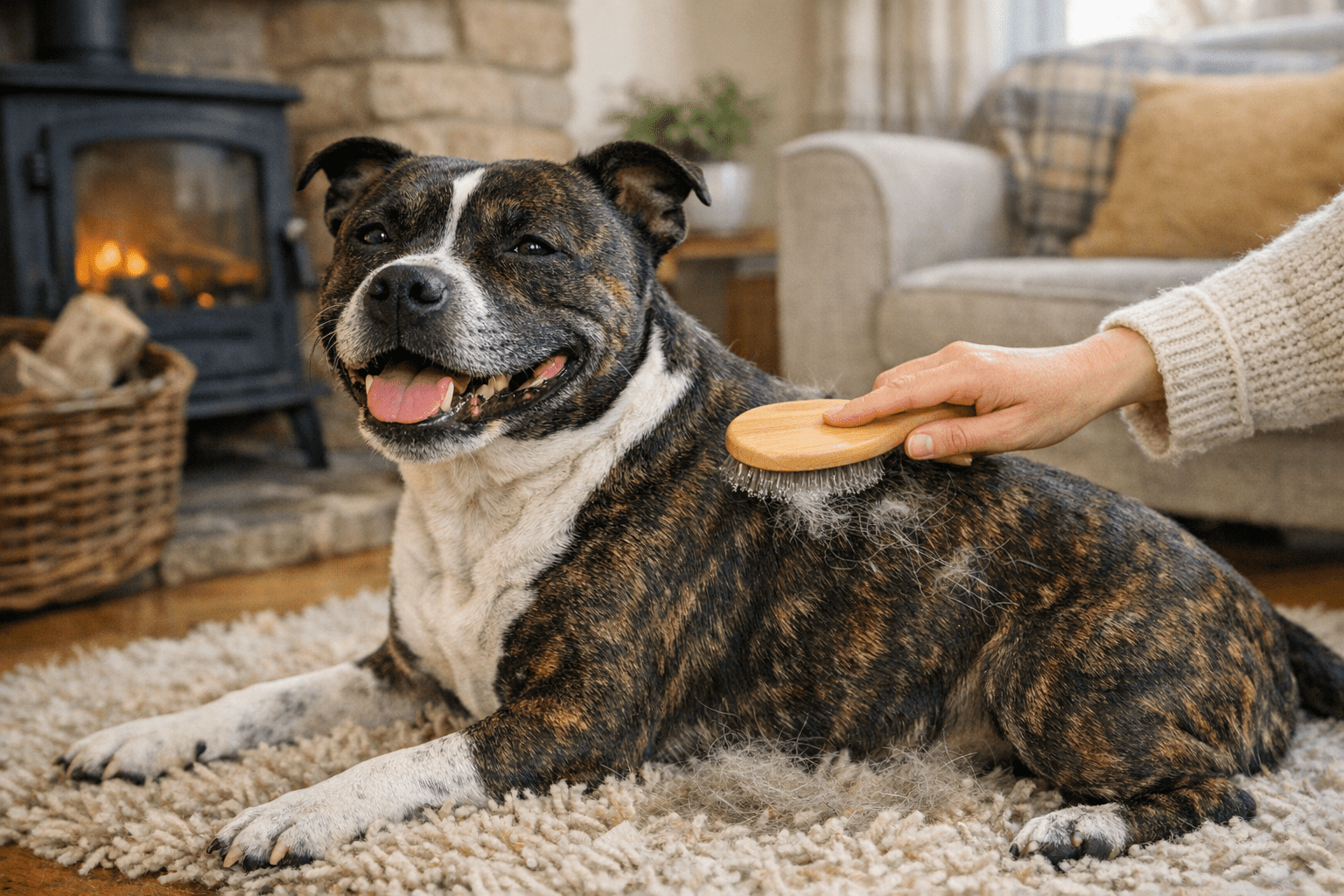
I brush Charlie every morning for about 5–10 minutes using a slicker brush. This isn’t just about removing loose hair—it also prevents painful mats from forming. Cockapoos with curly coats are especially prone to matting, so don’t skip this step.
Bathe Strategically
Bathing your Cockapoo every 3–4 weeks helps remove dead hair and dander. Use a gentle, dog-specific shampoo to avoid drying out their skin. I like to brush Charlie right after his bath for maximum shedding control.
Professional Grooming Every 6–8 Weeks
I cannot stress this enough: invest in a good groomer. They’ll trim the coat, clean the ears, and handle areas that are hard to reach at home. Plus, they can spot potential skin issues early.
The Right Tools Make a Difference
You’ll need a slicker brush, a metal comb for detangling, and a de-shedding tool for heavier shedding periods. Trust me, it’s worth the investment.
Health and Diet: The Secret to a Healthy Coat
Did you know that what’s on the inside shows up on the outside? Your Cockapoo’s diet directly affects their coat health and shedding levels.
I learned this the hard way. In Charlie’s first year, I was feeding him a cheap kibble. His coat looked dull, and he shed noticeably more. After switching to a high-quality dog food with Omega-3 fatty acids, the difference was night and day.
Look for foods rich in:
- Omega-3 and Omega-6 fatty acids (salmon oil is great)
- Biotin and zinc
- High-quality protein (chicken, lamb, fish)
Supplements can also help. I add a fish oil capsule to Charlie’s dinner, and his coat is soft and shiny. Consult your vet before adding anything new, but good nutrition is the foundation of shedding control.
Exercise, Stress, and Shedding: The Connection You Didn’t Expect
Here’s something most people don’t tell you: stress can make your dog shed more. Just like humans lose hair when they’re anxious, dogs do too.
Cockapoos are sensitive creatures. They thrive on routine and love being around their humans. If your Cockapoo is left alone for too long or experiences big changes (like moving homes), they might shed more than usual.
Exercise is also crucial. A bored Cockapoo is a stressed Cockapoo. Daily walks, playtime, and mental stimulation (like puzzle toys) keep them happy and healthy.
I once left Charlie with a friend during a week-long trip. When I came back, he was shedding like crazy. A few days of our normal routine, and everything returned to normal. So yes, happy dogs shed less!
Do Cockapoos Shed Compared to Other Breeds?
Let’s put things in perspective. Here’s a quick comparison table to show you where Cockapoos stand:
| Breed | Shedding Level | Grooming Effort | Hypoallergenic? |
|---|---|---|---|
| Cockapoo | Low–Moderate | High | Yes (generally) |
| Poodle | Very Low | Very High | Yes |
| Cocker Spaniel | Moderate | Moderate | No |
| Golden Retriever | High | Moderate | No |
| Labradoodle | Low–Moderate | High | Yes (generally) |
| Shih Tzu | Low | High | Yes |
As you can see, Cockapoos are on the lower end of the shedding spectrum. If you have allergies or just hate vacuuming, they’re a fantastic option.
Pros and Cons of Cockapoo Ownership
Let’s be real: no breed is perfect. Here’s the good, the bad, and the fuzzy.
Pros:
- Low shedding 🎉
- Affectionate and family-friendly
- Intelligent and easy to train
- Loves cuddling
- Good for apartments
Cons:
- High grooming needs (time and money)
- Can be prone to separation anxiety
- Needs daily exercise
- Potential health issues (ear infections, hip dysplasia)
- Not completely hypoallergenic
I wouldn’t trade Charlie for the world, but I’d be lying if I said grooming wasn’t a commitment. If you’re ready for that responsibility, you’ll be rewarded with an incredible companion.
Do Cockapoos Shed? Real Stories from Real Owners
I asked fellow Cockapoo owners about their shedding experiences, and the responses were eye-opening.
Sarah from Texas told me, “My Cockapoo, Bella, barely leaves a hair behind. I used to have a Golden Retriever, so it’s heaven.”
But Mike from New York had a different experience: “My Cockapoo sheds noticeably. He has a straighter coat, so I vacuum twice a week.”
The lesson? Expect variability. Talk to your breeder, meet the parents, and choose based on your tolerance.
Frequently Asked Questions
Do Cockapoos shed more than Labradoodles?
Cockapoos and Labradoodles both shed minimally, but it depends on the individual coat. Generally, Cockapoos with curlier coats shed less than wavy-coated Labradoodles.
Can I reduce Cockapoo shedding by shaving their coat?
Shaving is not recommended. It can damage the coat’s natural ability to regulate temperature and protect the skin. Stick to regular grooming instead.
How often should I brush my Cockapoo to control shedding?
I recommend daily brushing with a slicker brush. Even 5 minutes a day makes a huge difference in managing loose hair.
Are Cockapoos good for people with severe allergies?
Cockapoos are generally better than many breeds, but individual reactions vary. Spend time with the specific dog you’re considering before committing.
Do Cockapoo puppies shed more than adults?
Puppies typically lose their first coat around 6–12 months. This can be a heavier shedding period, but it normalizes as they mature.
What’s the best brush for Cockapoo shedding?
A slicker brush is my go-to. For detangling, a metal comb works wonders. A de-shedding tool can help during seasonal shedding.
Conclusion
So, do Cockapoos shed? The honest answer is: yes, but not much. They’re a low-shedding breed that’s perfect for allergy sufferers and folks who don’t want fur on every surface. But remember, every dog is an individual, and coat type matters.
If you’re ready for regular grooming sessions, daily brushing, and a lifetime of love from a teddy bear-like companion, a Cockapoo might just be your perfect match.
From my heart to yours, I hope this guide helped you make an informed decision. Cockapoos aren’t just dogs—they’re family members with wagging tails and wet noses ❤️
Have more questions? Drop them in the comments below! I’d love to hear about your Cockapoo journey.