Introduction
Let me be honest with you right off the bat — I fell head over heels for Cockapoos the first time I saw one bouncing down the street like a pint-sized teddy bear on springs. That floppy-eared, curly-coated bundle of joy practically begged me to pick him up, and spoiler alert: I did. Fast forward a few years, and here I am writing this Cockapoo dog breed guide from the heart, based on real-world experience, late-night potty breaks, chewed-up sneakers, and more belly rubs than I can count.
If you’re thinking about bringing one of these adorable crossbreeds into your life — or if you already own one and want to level up your knowledge — you’ve come to the right place. This Cockapoo dog breed guide covers everything: temperament, grooming nightmares (yes, those mats are real), health issues you should watch for, training wins and fails, and whether this breed is truly the perfect family dog everyone claims it is.
Spoiler: Cockapoos are amazing. But they’re not perfect. And that’s okay. Let’s dive in! 🐾
What Exactly Is a Cockapoo?
First things first — what on earth is a Cockapoo? If you’ve been living under a rock (or just haven’t met one yet), a Cockapoo is a cross between a Cocker Spaniel and a Poodle — usually a Miniature or Toy Poodle. Think of it as the ultimate hybrid mashup that combines the happy-go-lucky energy of a Spaniel with the brainpower of a Poodle.
People sometimes call them “designer dogs,” but honestly, Cockapoos have been around since the 1960s — long before every celebrity started carrying a teacup pup in their handbag. They were originally bred to be companion dogs, and boy, did they nail that assignment. These little guys live to love and be loved.
Now, here’s something that’s important: because they’re a mixed breed, every single Cockapoo is unique. You might get one with tight Poodle curls that barely shed, or one with wavy Spaniel hair that sheds more than expected. You might get a couch potato or a tiny tornado. That’s part of the charm — and part of the challenge — of owning one.
In this Cockapoo dog breed guide, we’ll unpack all those variables so you know exactly what you’re signing up for.
Cockapoo Temperament: What’s the Personality Like?
Let me paint you a picture. Imagine a dog who greets you at the door like you’ve been gone for three years instead of three hours. A dog who wants to be involved in literally everything — cooking, watching TV, taking a shower (yes, mine tries to join me). That’s a Cockapoo.
The Cockapoo temperament is best described as bubbly, affectionate, and intelligent. These dogs are people-pleasers to a fault. They thrive on human interaction and absolutely hate being left alone for too long. If you work 12-hour shifts, this might not be the breed for you — unless you have a doggy daycare budget.
Here’s the good news: they’re generally great with kids and other pets, especially if you socialize them early. My Cockapoo, Charlie, thinks every dog we meet is his new best friend. He’s never met a stranger — just friends he hasn’t licked yet.
But here’s the flip side. That same friendly temperament means they can develop separation anxiety if not trained properly. You’ll need to teach them that being alone isn’t the end of the world. I learned this the hard way after coming home to a shredded couch cushion. Live and learn, right?
Cockapoo Size and Appearance: What Will They Look Like?
One of the trickiest parts of the Cockapoo dog breed guide is predicting size. Honestly, it’s a guessing game. Depending on whether the Poodle parent was Toy or Miniature, your Cockapoo could range from 10 pounds to over 25 pounds.
Generally speaking, most Cockapoos stand between 10 and 15 inches tall at the shoulder and weigh 12 to 24 pounds. That puts them firmly in the small-to-medium category — portable enough to carry but sturdy enough to wrestle with the kids.
Their appearance? Picture a teddy bear that came to life. Dark round eyes, a soft muzzle, floppy ears, and that gorgeous curly or wavy coat. Colors range from cream and apricot to chocolate, black, and everything in between. Some have white markings; some are solid. Each one is a little masterpiece.
But here’s the thing I want every prospective owner to understand: you can’t predict the coat type. Some Cockapoos have tight Poodle curls that barely shed. Others have wavy Spaniel hair that needs constant brushing. And yes, some shed more than you’d expect. If allergies are your main concern, this Cockapoo dog breed guide advises caution — no dog is truly 100% hypoallergenic.
Grooming Needs: The Truth About That Beautiful Coat
Okay, let’s talk about the elephant in the room — or should I say, the mat in the fur. 😅
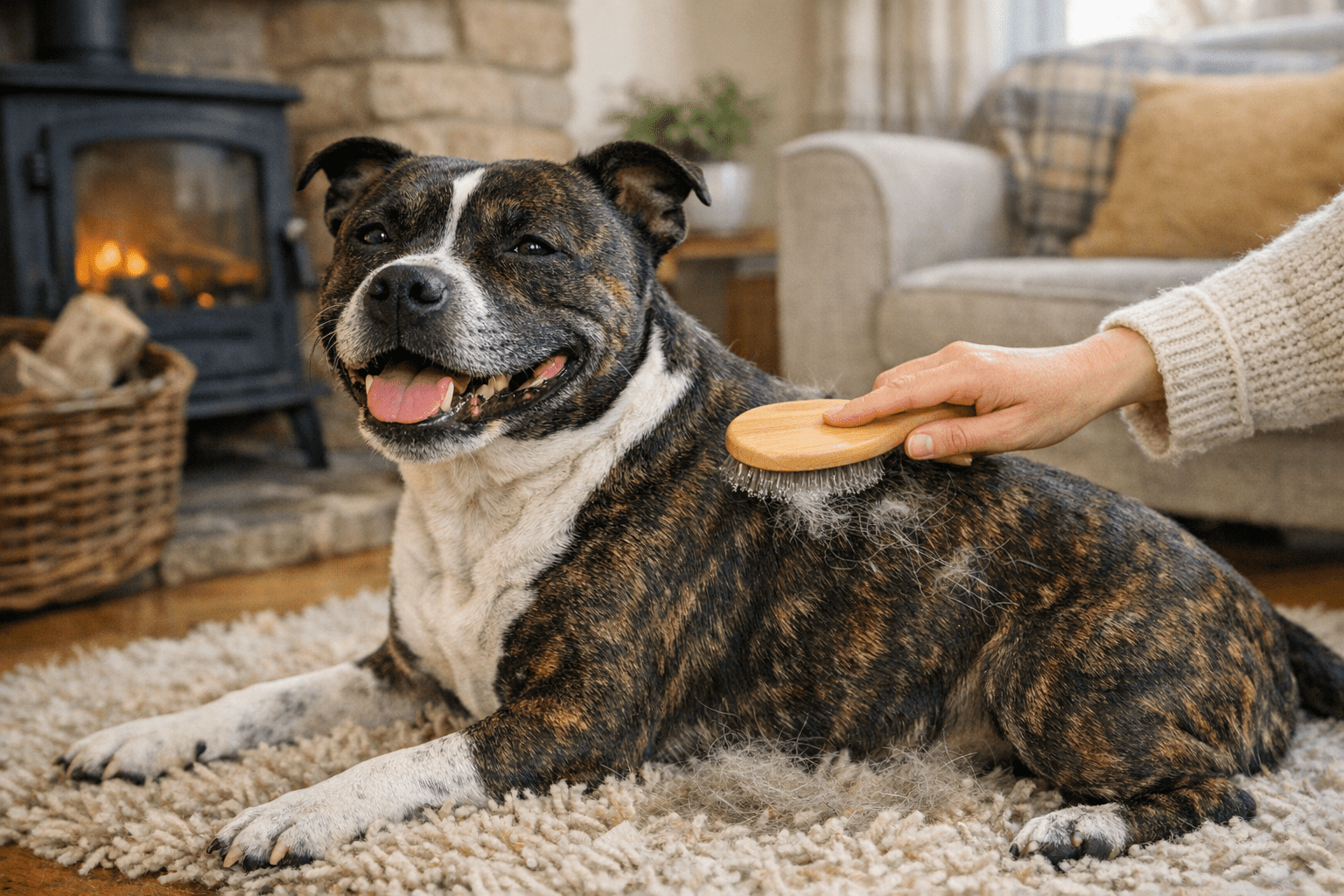
The Cockapoo’s coat is gorgeous, no doubt about it. But maintaining it is a full-time job. I’m not exaggerating when I say you’ll need to brush your Cockapoo at least 3–4 times per week, if not daily. Those beautiful curls love to mat, and matting isn’t just ugly — it’s painful for the dog.
Here’s my grooming routine, and I promise it’s not optional:
- Brushing: Use a slicker brush and metal comb. Brush section by section, getting down to the skin. Miss a spot? Congratulations, you’ve got a mat.
- Professional grooming: Every 6–8 weeks. Find a good groomer and book ahead — the good ones fill up fast.
- Ear cleaning: Cockapoos have floppy ears that trap moisture. Clean them weekly to prevent infections.
- Nail trimming: Every 3–4 weeks. If you hear clicking on the floor, it’s time.
- Dental care: Brush those pearly whites regularly. Dental disease is real and expensive.
Honestly, if you don’t have time for grooming, this breed might not be for you. But if you’re okay with the maintenance, you’ll be rewarded with the softest, cuddliest dog on the block.
Exercise Requirements: How Much Activity Do They Need?
Here’s the million-dollar question in any Cockapoo dog breed guide: how much exercise do they actually need?
The short answer: more than you think, but less than a Border Collie.
Cockapoos are energetic, but they’re not hyperactive. A couple of 20–30 minute walks per day, plus some playtime, is usually enough. They love fetch, tug-of-war, and anything that involves running in circles like a maniac. But they’re also happy to curl up on the couch after a good romp.
Here’s what happens when they don’t get enough exercise: they find their own entertainment. And by entertainment, I mean chewing your shoes, digging up your garden, or barking at leaves. Trust me, a tired Cockapoo is a good Cockapoo.
One thing this Cockapoo dog breed guide wants to emphasize: mental stimulation matters just as much as physical exercise. Puzzle toys, training sessions, hide-and-seek — these dogs are smart, and they need to use that brain. A bored Cockapoo is a destructive Cockapoo.
| Activity Type | Frequency | Duration |
|---|---|---|
| Daily walks | Twice daily | 20–30 min each |
| Playtime | Daily | 15–30 min |
| Mental games | 3–4 times/week | 10–15 min |
| Off-leash run | Weekly | 30 min |
Training Tips: How to Teach Your Cockapoo
If there’s one thing I love about Cockapoos, it’s how trainable they are. These dogs are smart — really smart. They pick up commands quickly because they genuinely want to please you. But that doesn’t mean training is effortless.
Here’s the secret sauce for Cockapoo training:
- Positive reinforcement only. Treats, praise, play — that’s your toolkit. Harsh methods will backfire.
- Keep sessions short. 5–10 minutes, multiple times a day. Their attention span isn’t infinite.
- Be consistent. Use the same commands and rules every single time.
- Socialize early. Expose them to people, dogs, sounds, and environments during puppyhood.
Potty training? Generally straightforward, but expect accidents. Crate training works wonders. My Cockapoo figured out the crate was his “safe space” within a few days. Now he naps in there voluntarily.
One warning: Cockapoos can be stubborn. They’ll look at you with those big brown eyes, fully understanding the command, and choose to ignore you. Don’t fall for the cute act. Stay firm, stay patient, and you’ll have a well-behaved dog.
Cockapoo Health Issues: What Every Owner Should Know
This is probably the most important section of this Cockapoo dog breed guide. Let’s get real about health.
Cockapoos are generally healthy dogs, living 12–15 years on average. But as a mixed breed, they can inherit issues from both parent breeds. Here’s what to watch for:
Common health issues:
- Ear infections: Those floppy ears are a breeding ground for moisture and bacteria. Clean them regularly!
- Hip dysplasia: Painful but manageable with weight control and sometimes surgery.
- Luxating patella: A fancy term for a slipping kneecap. Common in small breeds.
- Eye problems: Cataracts, progressive retinal atrophy, and glaucoma can occur.
- Allergies: Skin allergies and food sensitivities are fairly common.
- Weight gain: Cockapoos love food. Portion control is non-negotiable.
Less common but serious:
- Heart murmurs and heart disease
- Epilepsy (Rage Syndrome) — extremely rare, but worth knowing about
Honestly, the best thing you can do is buy from a reputable breeder who tests for these conditions. Pet insurance is also a lifesaver — vet bills add up fast.
| Health Issue | Frequency | Management |
|---|---|---|
| Ear infections | Common | Regular cleaning |
| Hip dysplasia | Moderate | Weight control, exercise, surgery |
| Luxating patella | Common | Surgery often needed |
| Allergies | Common | Diet changes, medication |
| Eye problems | Moderate | Regular vet checks |
Diet and Nutrition: What to Feed Your Cockapoo
Feeding a Cockapoo is straightforward — until it isn’t. These dogs have sensitive stomachs, so you can’t just feed them anything.
What works:
- High-quality dry kibble with real meat as the first ingredient
- Limited-ingredient diets if allergies are an issue
- Measured portions — no free-feeding!
- Treats in moderation (they add up fast)
Here’s a tip from personal experience: Cockapoos will convince you they’re starving. They’ll give you those pitiful eyes while you’re eating dinner. Don’t fall for it. A chubby Cockapoo is an unhealthy Cockapoo.
I feed my Cockapoo twice a day — morning and evening. Total daily amount depends on his activity level and age, but generally 1/2 to 1 cup of high-quality kibble split between meals. Plus healthy treats like carrot sticks or apple slices.
Foods to avoid:
- Grapes, raisins, onions, garlic, chocolate (obvious, but worth repeating)
- Fatty table scraps (pancreatitis is real and painful)
- Anything with xylitol (artificial sweetener)
Are Cockapoos Good Family Dogs? Pros and Cons
Let me give it to you straight. Cockapoos make fantastic family dogs — but they’re not for everyone.
Pros:
- Affectionate and loving
- Great with kids and other pets
- Intelligent and trainable
- Adaptable to different living situations
- Generally healthy with long lifespan
Cons:
- High grooming needs (time and money)
- Can develop separation anxiety
- Prone to ear infections and allergies
- Need consistent exercise and mental stimulation
- Not truly hypoallergenic despite marketing claims
Would I recommend a Cockapoo to a first-time dog owner? Yes, with caveats. If you’re willing to put in the grooming time and exercise commitment, they’re wonderful companions. If you want a low-maintenance dog, look elsewhere.
Frequently Asked Questions
How much does a Cockapoo puppy cost?
Cockapoo puppies from reputable breeders typically cost between 1,500and3,500. Prices vary based on location, breeder reputation, and coat color. Avoid backyard breeders — you’ll pay more in vet bills later.
Do Cockapoos bark a lot?
Cockapoos can be barkers, especially if bored or anxious. Proper training and exercise reduce excessive barking. Some are naturally quieter than others.
Can Cockapoos be left alone during work hours?
Adult Cockapoos can handle 4–6 hours alone with proper preparation. Puppies need more frequent potty breaks. Consider doggy daycare or a dog walker if you work long hours.
Are Cockapoos good for apartment living?
Absolutely. Their small-to-medium size and adaptable temperament make them excellent apartment dogs. Just make sure they get enough exercise.
How long do Cockapoos live?
The average lifespan is 12–15 years, with some living into their late teens. Good diet, regular vet care, and exercise help maximize their years.
Do Cockapoos shed a lot?
It depends on the coat type. Poodle-like coats shed very little; Spaniel-like coats shed more. No Cockapoo is truly shed-free, but most are considered low-shedding.
Conclusion
So there you have it — the complete Cockapoo dog breed guide from someone who’s been in the trenches. These dogs are smart, loving, and endlessly entertaining. They’ll make you laugh, drive you crazy, and fill your home with more love than you thought possible.
But they’re not perfect. The grooming is real. The ear infections are real. The separation anxiety is real. If you go into Cockapoo ownership with eyes wide open, you’ll have a best friend for 12–15 incredible years.
Are you ready to join the Cockapoo club? Because honestly, once you go Cockapoo, you never go back. 🐶💕