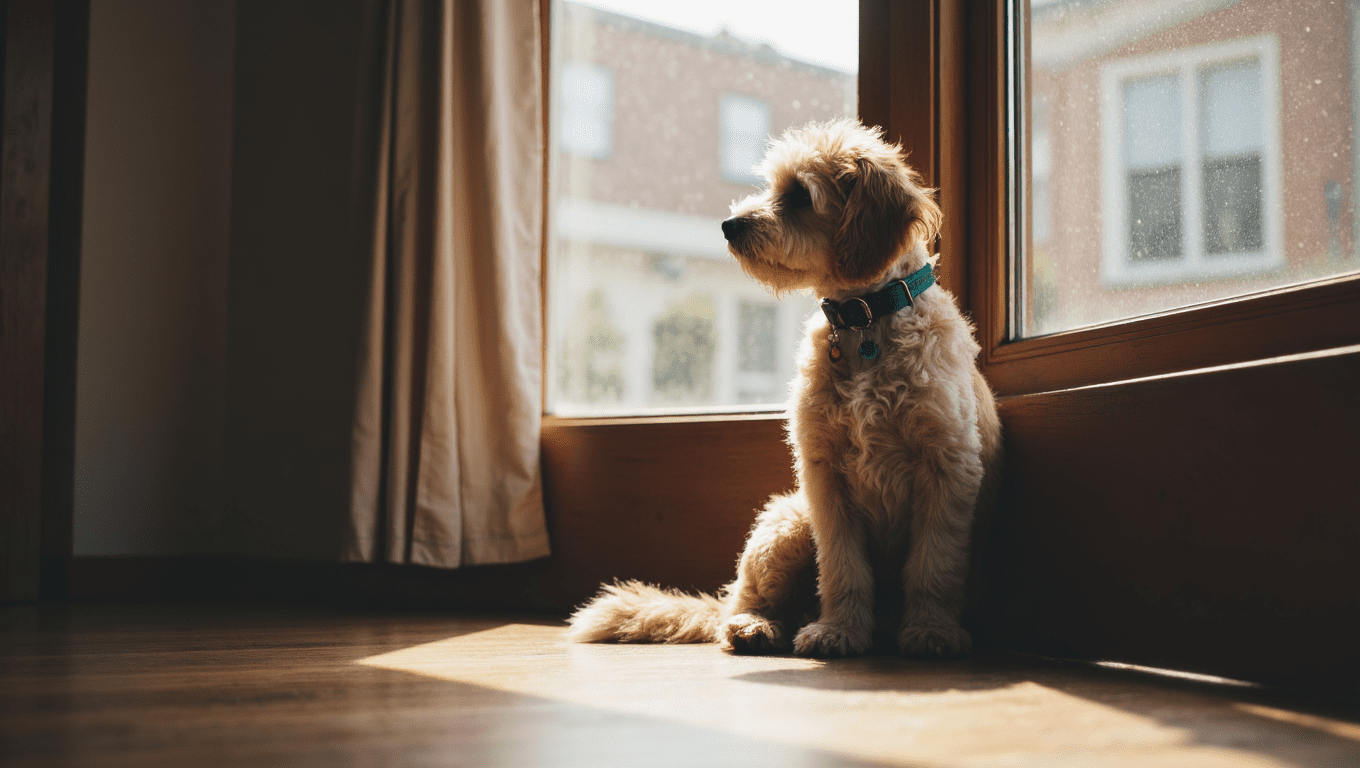
If you own a Cockapoo, you already know the struggle. One minute, your fluffy shadow is glued to your hip, and the next, you’re sneaking out the door like a ninja, praying they don’t notice. But let’s be real—they always notice.
I’ve spent years working with dogs and their owners, and if there’s one breed that tugs at heartstrings (and sometimes chews through them), it’s the Cockapoo. Their separation anxiety isn’t a flaw—it’s a sign of how deeply they love us. The good news? Cockapoo separation anxiety prevention and management tips work wonders when done right.
In this article, I’ll walk you through everything I’ve learned about keeping your Cockapoo calm, confident, and content when you’re not around. No fluff, just real talk from someone who’s been in the trenches.
Understanding the Cockapoo Breed
Let me paint you a picture. Imagine combining the brain of a Poodle with the heart of a Cocker Spaniel. What do you get? A dog that’s smarter than most humans I know and twice as affectionate. That’s your Cockapoo.
These designer dogs exploded in popularity across the US for good reason. They’re intelligent, low-shedding, and have personalities that could win over the grumpiest neighbor. But here’s the catch—their intelligence works against them when left alone. A bored Cockapoo isn’t just a sad dog; they’re a creative escape artist who’ll find ways to entertain themselves (spoiler: your sofa cushions are not toys).
Their temperament makes them fantastic family pets, but it also means they crave constant interaction. This isn’t a breed you can leave in the backyard and forget about. They need mental stimulation, physical exercise, and emotional connection. When those needs aren’t met? That’s when separation anxiety creeps in.
What Causes Separation Anxiety in Dogs?
Before we fix the problem, we need to understand it. Separation anxiety in dogs isn’t about being naughty—it’s genuine distress. Think of it as panic mode. Your Cockapoo doesn’t chew your shoes because they’re mad at you; they chew because chewing releases endorphins that calm their racing heart.
Common triggers include:
- Sudden schedule changes (new job, longer work hours)
- Traumatic experiences (being rehomed, losing a family member)
- Over-attachment (following you everywhere, even to the bathroom)
- Lack of alone-time training during puppyhood
I once worked with a family whose Cockapoo started howling the moment they grabbed their car keys. The dog had associated the jingling sound with abandonment. It broke my heart—but we fixed it. The key is recognizing the signs early.
Recognizing the Signs of Separation Anxiety
Your Cockapoo is trying to tell you something. Are you listening? The signs of separation anxiety can be subtle at first, but they escalate quickly if ignored.
Watch for these red flags:
- Excessive barking or howling that neighbors complain about
- Destructive behavior focused on exits (chewing door frames, scratching windows)
- Accidents in the house from a perfectly potty-trained dog
- Pacing in patterns (circling, back-and-forth pacing)
- Excessive drooling or panting when you prepare to leave
- Refusal to eat when you’re gone, even favorite treats
Here’s the tricky part—some of these behaviors can also mean boredom. How do you tell the difference? Context matters. A bored dog might chew one spot and then nap. An anxious dog will destroy everything in sight while hyperventilating. If your Cockapoo destroys things primarily near doors or windows, that’s anxiety, not mischief.
Puppy Training for Separation Anxiety
The best time to prevent separation anxiety is during puppyhood. I cannot stress this enough. Those first few months shape your Cockapoo’s emotional foundation for life.
Start by creating positive associations with alone time:
- Introduce alone time gradually — Leave for 30 seconds, return. Then 1 minute. Build up slowly.
- Use crate training — A crate should feel like a cozy den, not a prison. Make it comfortable with soft bedding and safe toys.
- Practice “pretend departures” — Grab your keys, put on your coat, then sit down. Repeat until your puppy stops reacting.
- Don’t make a big deal about leaving or coming home — Calm hellos and goodbyes reduce emotional intensity.
I remember training my first Cockapoo puppy, Biscuit. The first time I left for 5 minutes, he howled like I’d abandoned him forever. But after two weeks of gradual practice, he’d settle into his crate with a Kong toy and barely notice my absence. Consistency works miracles.
Creating a Safe Space for Your Cockapoo
Your Cockapoo needs a sanctuary—a place where they feel safe when you’re not home. This isn’t just any room; it’s their personal fortress of solitude.
Set up their safe space with:
- A comfortable crate or bed in a quiet corner
- Familiar scents — An old t-shirt of yours works wonders
- Background noise — Calming music, white noise, or a TV show
- Safe chew toys — Avoid anything they could swallow
- Treat-dispensing puzzles — Keeps their brain occupied
I always tell owners to think of this space as their dog’s bedroom. Would you want to sleep in a noisy, chaotic room? Neither does your Cockapoo. Keep the area consistent and positive. Never use the crate as punishment—that defeats the purpose.
Establishing a Consistent Routine
Dogs thrive on predictability. When your Cockapoo knows what to expect, their anxiety decreases dramatically. Routine creates security.
Structure your day around these pillars:
- Same wake-up time — Consistent mornings reduce anticipation
- Fixed feeding schedule — Predictable meals create comfort
- Regular exercise times — Morning and evening walks signal the day’s rhythm
- Scheduled alone time — Even on weekends, practice short separations
- Bedtime rituals — Wind-down activities signal the day is over
I’ve seen dogs transform when their owners commit to routines. One client’s Cockapoo stopped destroying the house within a week of implementing a structured schedule. The dog knew when to expect walks, meals, and alone time. No surprises meant no panic.
Exercise and Mental Stimulation
Tired dogs are happy dogs. I’ll say it louder for the people in the back: A well-exercised Cockapoo is less likely to develop separation anxiety.
Exercise needs for Cockapoos:
- At least 45-60 minutes of physical activity daily — Walks, runs, fetch
- Mental stimulation — Puzzle toys, training sessions, hide-and-seek
- Variety — Rotate activities to prevent boredom
- Pre-departure exercise — A good walk before you leave tires them out
But here’s something most people miss: mental stimulation is more exhausting than physical exercise. Twenty minutes of nose work (hiding treats around the house) tires a Cockapoo more than a 2-mile run. Their brains need challenges.
I recommend rotating puzzle toys weekly so they don’t get bored. My personal favorites are treat-dispensing balls, snuffle mats, and frozen Kongs filled with peanut butter (xylitol-free, of course!).
Cockapoo Separation Anxiety Prevention & Management Tips
Now we’re getting to the heart of the matter. Cockapoo separation anxiety prevention and management tips require a multi-pronged approach. There’s no magic pill—but there are proven strategies.
Prevention strategies:
- Start early — Puppy training prevents future problems
- Practice alone time daily — Even 15 minutes makes a difference
- Build independence — Encourage your dog to play alone
- Avoid over-attachment — Don’t let them follow you everywhere
- Socialize extensively — Confidence reduces anxiety
Management strategies for established anxiety:
- Use desensitization — Record leaving sounds, play them quietly
- Counter-conditioning — Pair departures with high-value treats
- Consider calming aids — Thunder shirts, pheromone diffusers, calming supplements
- Arrange doggy day care — Social interaction prevents loneliness
- Consult a professional — Behaviorists can create custom plans
I’ve used these strategies with dozens of Cockapoos, and they work. The key is consistency. You can’t practice for three days and expect miracles. But commit to 4-6 weeks of consistent effort, and you’ll see real change.
Common Mistakes to Avoid
Let me save you some heartache. Here are mistakes I see owners make repeatedly—and how to avoid them:
Mistake #1: Punishing anxious behavior Punishment increases fear. Your Cockapoo isn’t being spiteful; they’re panicking. Punishing panic makes everything worse.
Mistake #2: Making departures dramatic Long goodbyes signal something big is happening. Keep it boring. “See you later” with zero fuss.
Mistake #3: Coming home to chaos Rushing to your dog the second you walk in reinforces the excitement. Wait until they’re calm to greet them.
Mistake #4: Giving in to demands If your Cockapoo whines for attention and you give it, you’ve just trained them to whine more. Ignore demanding behavior.
Mistake #5: Skipping professional help Some cases need expert intervention. If your dog is harming themselves or destroying your home, get help.
Diet and Nutrition for Anxiety
What goes into your Cockapoo’s bowl affects their mental state. Nutrition plays a surprising role in anxiety management.
Key nutritional considerations:
- High-quality protein — Supports neurotransmitter function
- Omega-3 fatty acids — Reduces inflammation, supports brain health
- Complex carbohydrates — Provides steady energy, prevents blood sugar crashes
- L-tryptophan — Naturally found in turkey, eggs, and dairy; supports serotonin production
I recommend foods with added calming ingredients like chamomile, L-theanine, or CBD (consult your vet first, please). Avoid foods with artificial colors, preservatives, and fillers—they can exacerbate anxiety in sensitive dogs.
Feeding schedule matters too. Feed your Cockapoo 30-60 minutes before you leave. A full belly promotes calmness and prevents hunger-related stress.
Professional Help and Training Options
Sometimes, despite our best efforts, separation anxiety persists. That’s not failure—it’s reality. Some cases require professional intervention.
When to seek professional help:
- Your Cockapoo injures themselves trying to escape
- Neighbors complain about excessive noise
- Destructive behavior is severe or dangerous
- You’ve tried everything for 6+ weeks with no improvement
- Your dog shows signs of self-harm (licking paws raw, tail chewing)
Professional options include:
- Certified dog behaviorists — Focus on underlying causes
- Veterinary behaviorists — Can prescribe medication if needed
- Positive reinforcement trainers — Teach coping skills
- Online training programs — Convenient for busy owners
Don’t be ashamed to ask for help. I’ve referred countless owners to behaviorists, and the results are often life-changing. Your Cockapoo deserves peace of mind.
Pros and Cons of Cockapoo Ownership
Every breed has trade-offs. Let’s be honest about what you’re signing up for.
Pros:
- Incredibly affectionate and loyal
- Intelligent and trainable
- Low-shedding coat (great for allergies)
- Great with children and other pets
- Adaptable to apartment or house living
- Generally healthy with proper care
Cons:
- Prone to separation anxiety
- Requires significant daily exercise
- Needs regular grooming (every 6-8 weeks)
- Can be stubborn (that Poodle intelligence!)
- May develop small dog syndrome if not trained
- Grooming and vet costs add up
I love Cockapoos, but I also believe in informed ownership. If you work 10-hour days and can’t afford doggy day care, this might not be the right breed for you. Be honest about your lifestyle before committing.
Comparison Table: Anxiety Management Methods
| Method | Effectiveness | Cost | Time Required | Best For |
|---|---|---|---|---|
| Training alone | Moderate | Free | High | Mild cases |
| Professional trainer | High | $50-150/session | Medium | Moderate cases |
| Doggy day care | High | $20-40/day | None | Severe cases |
| Calming supplements | Low-Moderate | $15-40/month | None | Supportive care |
| Behaviorist | Very High | $100-300/session | Medium | Severe cases |
| Medication | Very High | $20-60/month | Low | Severe cases |
Remember, these methods work best combined. A behaviorist might recommend training plus supplements plus routine changes. Approach anxiety holistically, not with a single solution.
Frequently Asked Questions
How long does it take to fix Cockapoo separation anxiety?
Every dog is different, but most owners see significant improvement within 4-8 weeks of consistent training. Severe cases may take 3-6 months. Patience is your greatest ally.
Can I leave my Cockapoo alone for 8 hours?
I wouldn’t recommend it. Cockapoos need bathroom breaks and social interaction. If you work full-time, arrange for a midday dog walker or doggy day care. Four hours is the maximum I suggest for alone time.
Does crate training help with separation anxiety?
Absolutely, when done correctly. A crate provides a safe den-like space. But never force a dog into a crate as punishment. Positive crate training takes time but pays off enormously.
What treats are best for distracting an anxious dog?
High-value treats like freeze-dried liver, cheese cubes, or peanut butter-stuffed Kongs work well. Use treats your dog only gets during alone time. This creates positive associations with your departure.
Should I get another dog to keep my Cockapoo company?
Sometimes this helps, but it’s not guaranteed. Some dogs bond with their human so strongly that another dog doesn’t help. Plus, you’d be managing two dogs with potential anxiety. Consult a behaviorist first.
Is Cockapoo separation anxiety genetic?
Research is limited, but likely yes. Dog breeds with strong attachment tendencies (like Cockapoos) seem predisposed. However, environment and training play massive roles. Good genetics don’t guarantee success, and challenging genetics don’t mean failure.
Conclusion
Cockapoo separation anxiety isn’t a life sentence. With patience, consistency, and the right strategies, you can help your furry friend feel safe and secure when you’re apart. Remember, this isn’t about fixing a broken dog—it’s about understanding their needs and meeting them where they are.
Start small. Implement one or two changes from this article and build from there. Your Cockapoo is worth every ounce of effort. The day you come home to a calm, happy dog instead of a destruction zone? That’s pure gold.
You’ve got this. And if you ever feel stuck, reach out to a professional. We’re all in this together, trying to give our dogs the best lives possible. Now go give your Cockapoo a belly rub—they’ve earned it. 🐾❤️