Introduction: My Cockapoo Walked Me Ragged (Literally)
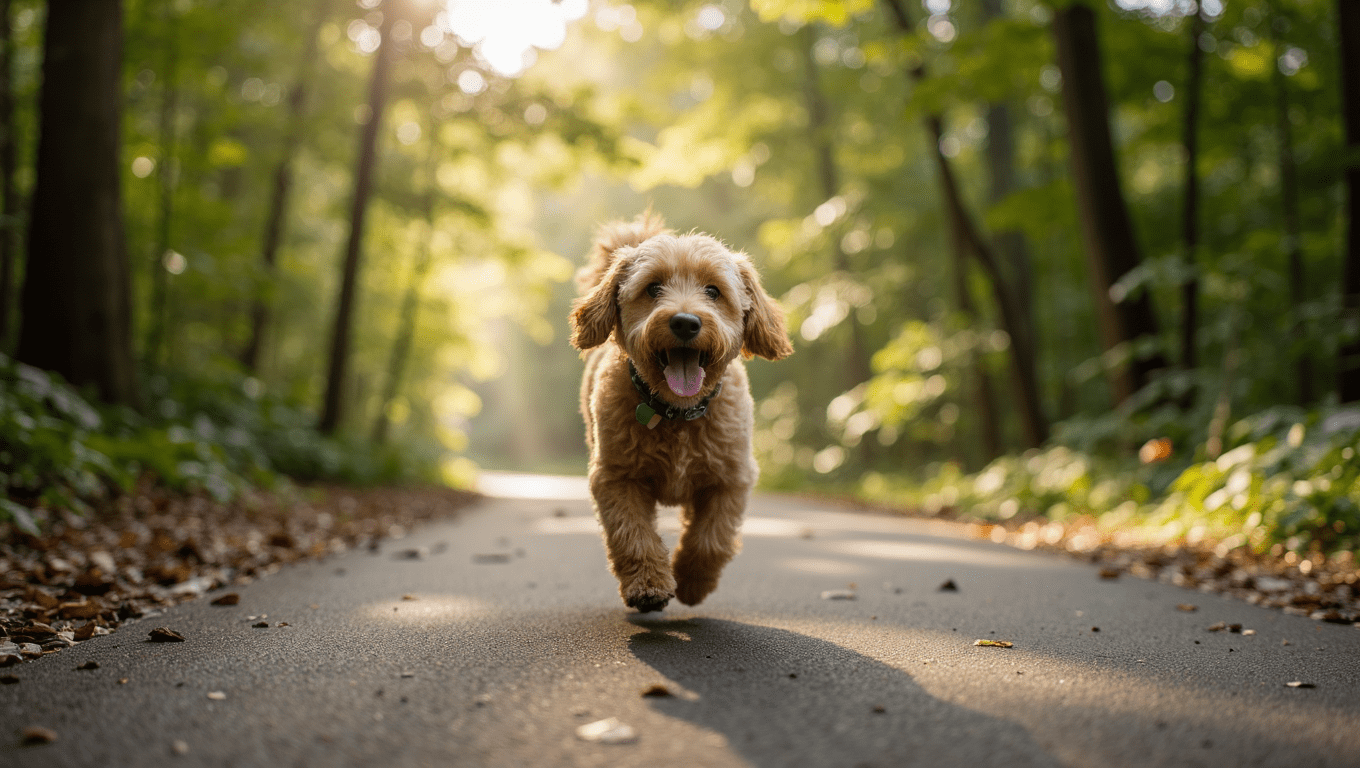
Let me tell you about the day my Cockapoo, Biscuit, decided she was part marathon runner. We were on what I thought would be a nice, gentle two-mile stroll through our neighborhood park. Fast forward an hour and a half later, and I was the one panting while Biscuit was still sniffing every blade of grass like she’d discovered buried treasure. 🐶
That’s when I realized: figuring out the right Cockapoo walking distance isn’t just about how far they can go—it’s about what’s actually good for them. Whether you’ve got a bouncy puppy or a senior who prefers naps to hikes, getting the mileage right makes all the difference between a happy, healthy dog and one that’s either bored stiff or worn to the bone.
In this guide, I’m going to share everything I’ve learned (often the hard way) about Cockapoo exercise, stamina building, and keeping that wagging tail at full throttle. Let’s dive in! 🏃♂️
Why Cockapoo Walking Distance Matters More Than You Think
You’d think walking a dog is straightforward, right? Put on leash, walk until dog stops, go home. But with Cockapoos, it’s a bit more nuanced. These clever little crossbreeds inherit traits from both Cocker Spaniels and Poodles, which means they’ve got:
- The Cocker Spaniel’s energy – These dogs were bred for hunting, so they’ve got stamina to burn
- The Poodle’s intelligence – Mental stimulation is just as important as physical exercise
- A love for people – They’ll keep walking just to stay with you
I remember reading about a friend’s Cockapoo who walked eight miles with her family on a weekend hike. She was fine. But another friend’s Cockapoo conked out after just two miles. Why the difference? It all comes down to individual factors like fitness level, age, and health.
Getting the Cockapoo walking distance right affects everything from their behavior at home (a tired dog is a well-behaved dog) to their long-term joint health. Under-exercise them, and you’ll have a bored pup redecorating your couch. Overdo it, and you risk injury or burnout.
The Golden Rules for Cockapoo Walking Distance by Age
One size definitely does not fit all when it comes to Cockapoo exercise. Here’s what I’ve learned (and what I wish someone had told me sooner):
🐾 Puppies (Under 1 Year)
This is where most owners mess up. You see those cute little legs and think, “What’s the harm in a two-mile walk?” Well, quite a lot actually.
The 5-Minute Rule: Your Cockapoo puppy should get about five minutes of structured exercise per month of age, twice a day. So:
| Age | Daily Exercise |
|---|---|
| 2 months | 10 minutes |
| 4 months | 20 minutes |
| 6 months | 30 minutes |
| 8 months | 40 minutes |
| 10 months | 50 minutes |
| 12 months | 60 minutes |
I know, I know—it seems short. But here’s the thing: their growth plates aren’t fully closed until around 12-18 months. Pushing them too hard on walks can lead to hip dysplasia and other joint problems later in life.
Instead of long walks, focus on:
- Short sniffing sessions (mental stimulation burns energy too!)
- Gentle play in the yard
- Puppy socialization (meeting other vaccinated dogs)
🐾 Adult Cockapoos (1-7 Years)
This is the sweet spot. A healthy adult Cockapoo can typically handle 30-60 minutes of exercise per session and cover 2-5 miles (3-8 km) per day.
But here’s the catch: not all adult Cockapoos are created equal. My Biscuit is a couch potato who’s happy with 30 minutes. My neighbor’s Cockapoo, Pepper, needs a solid hour before she even considers settling down.
Signs your adult Cockapoo is getting the right amount:
- They’re calm at home (not pacing or destructive)
- They sleep well but aren’t constantly exhausted
- They maintain a healthy weight
- They’re eager for walks (not reluctant to leave the house)
🐾 Seniors (7+ Years)
Just like us, Cockapoos slow down with age. Arthritic joints, decreased stamina, and hearing or vision loss mean you need to adjust their walks.
Senior Cockapoo walking tips:
- Shorter, more frequent walks (3-4 15-minute sessions instead of one hour-long walk)
- Soft surfaces (grass or dirt paths instead of concrete)
- Watch for signs of pain (limp, stiffness, reluctance to move)
- Consider joint supplements (glucosamine and chondroitin)
My vet once told me, “It’s better to walk an old dog five minutes three times a day than to try and drag them on a 20-minute death march.” Truer words have never been spoken.
How Weather Affects Your Cockapoo Walking Distance
Here’s something that caught me off guard: weather plays a huge role in how far your Cockapoo can comfortably walk. These dogs have a double coat that makes them prone to overheating.
Hot Weather (Above 75°F / 24°C)
I learned this lesson after dragging Biscuit on a “quick” walk during a heatwave. Within 10 minutes, she was panting like a freight train and lying down on the sidewalk. After that, I invested in:
- A cooling vest – Life-changing for summer walks
- Early morning or late evening walks – Avoid peak heat hours
- Portable water bowl – Hydration breaks every 10-15 minutes
The 5-Second Pavement Test: Press the back of your hand on the pavement for 5 seconds. If it’s too hot for you, it’s too hot for their paws. End of story.
Cold Weather (Below 40°F / 4°C)
Surprisingly, Cockapoos handle cold better than heat thanks to that Poodle heritage. But they’re not Arctic dogs:
- Watch for shivering or lifting paws (signs of cold)
- Dog boots can help protect paw pads from ice and salt
- Shorter walks in extreme cold (15-20 minutes max)
Rain and Mud
Don’t get me started on this one. Cockapoos have Poodle feet that act like mud magnets. You’ll spend as long cleaning their paws as you did walking them. But rain shouldn’t stop you—just have towels ready!
Building Stamina: The Slow and Steady Approach
Remember when you first started going to the gym and could barely handle 10 minutes on the treadmill? That’s exactly how your Cockapoo feels about long walks if they’re not conditioned.
The 10% Rule: Increase your Cockapoo’s walking distance by no more than 10% per week. So if you’re currently doing 2 miles, add just 0.2 miles (about 350 meters) the next week.
Here’s my proven system for building stamina:
Week 1-2: Short, flat walks (1 mile, 15-20 minutes) Week 3-4: Moderate pace, gentle hills (1.5 miles, 25 minutes) Week 5-6: Mix of walking and jogging (2 miles, 30 minutes) Week 7-8: Enjoying the 3-5 mile range with proper conditioning
Warning signs to slow down:
- Excessive panting that doesn’t stop after rest
- Lagging behind or stopping frequently
- Red or dry gums
- Reluctance to continue
I once pushed Biscuit too fast trying to join a local hiking group. Within two weeks, she developed a limp that kept her off walks for a month. Lesson learned: patience pays off.
Beyond Walking: Other Cockapoo Exercise Ideas
Here’s the thing about Cockapoos: they need more than just walking. These intelligent dogs crave mental stimulation just as much as physical exercise. In fact, a 20-minute training session can tire them out more than a 40-minute walk.
Top Cockapoo Activities:
| Activity | Physical | Mental | Notes |
|---|---|---|---|
| Fetch | High | Low | Great for energy release |
| Sniffing walks | Low-Medium | High | Let them stop and sniff! |
| Agility training | High | High | Perfect for smart pups |
| Tug-of-war | Medium | Medium | Good indoors |
| Puzzle toys | Low | High | Excellent for rainy days |
| Swimming | High | Medium | Easy on joints |
| Hide and seek | Low-Medium | High | Fun for the whole family |
My personal favorite? Sniffing walks. Instead of rushing through your route, let your Cockapoo take the lead. Let them sniff, explore, and investigate. Ten minutes of this is worth 30 minutes of structured walking for mental stimulation.
Health Issues That Can Limit Cockapoo Walking Distance
Look, I wish I could tell you that all Cockapoos are perfectly healthy and can walk forever. But that’s just not reality. These dogs can inherit health issues from both parent breeds, and knowing what to watch for is crucial.
Hip Dysplasia: This genetic condition affects the hip joints, causing pain and mobility issues. Signs include:
- Bunny-hopping gait when running
- Reluctance to jump or climb stairs
- Decreased activity level
- Stiffness after rest
Patellar Luxation: Kneecaps that slip out of place. Your Cockapoo might suddenly skip or hold up a leg while walking. Most cases are manageable with weight control and appropriate exercise.
Ear Infections: Those floppy Cocker Spaniel ears are adorable, but they’re also a breeding ground for infections. Signs include head shaking, scratching, and odor. This doesn’t directly affect walking distance, but an uncomfortable dog won’t want to walk.
Weight Management: An overweight Cockapoo will struggle with walks. Period. I’ve seen dogs that should be walking 3 miles breeze through it, while heavier dogs of the same age can barely manage 1 mile.
The Bottom Line: Regular vet check-ups aren’t optional. They’re essential for catching these issues early and adjusting your Cockapoo walking distance accordingly.
Walking Gear That Makes a Real Difference
You don’t need to spend a fortune, but a few key items can transform your walking experience:
Leash and Harness:
- Front-clip harness – Gives you more control without pulling on their neck
- Retractable leash (20-30 feet) – Great for open areas, but be careful with traffic
- Standard 6-foot leash – Perfect for walks in crowded areas
Avoid: Extendable leashes on busy streets or near roads. I learned this one the hard way when Biscuit spotted a squirrel and bolted into traffic. Thankfully, no one was hurt, but it scared me straight.
Cooling Gear:
- Cooling bandana or vest (game-changer in summer)
- Portable water bottle with built-in bowl
- Paw wax (protects against hot pavement and salt)
Safety Items:
- Reflective collar or vest (especially for early morning/evening walks)
- ID tags with updated information
- GPS tracker (for peace of mind)
- Waste bags (because nobody likes stepping in surprises)
Rainy Day Themed Gear:
- Waterproof coat (yes, they make ones for dogs)
- Umbrella attachment for your leash (holds the umbrella over both of you)
- Microfiber towels (easier to dry dirty paws than regular towels)
The Pros and Cons of Pushing Your Cockapoo’s Limits
Let’s be real for a minute. Sometimes we want our dogs to match our own fitness goals. Maybe you’re training for a 5K or want a hiking buddy. Is it fair to push your Cockapoo?
The Pros:
- Strengthens your bond
- Provides excellent exercise for both of you
- Mentally stimulating for the dog
- Can help with behavioral issues (calmer dogs)
- Fun adventures together
The Cons:
- Risk of injury if done too quickly
- Joint problems in growing or senior dogs
- Heat exhaustion in warm weather
- Overexertion leading to fatigue and health issues
- Your schedule becomes dictated by your dog’s needs
My Honest Take: I think it’s fine to have ambitious walking goals if you build up gradually and listen to your dog’s cues. But if your Cockapoo is lying down mid-walk and refusing to move, that’s not disobedience—that’s them telling you they’ve had enough.
Biscuit once walked 8 miles with me on a weekend hike, and she was fine. But I’d built her up over six months, watched her carefully, and carried her a section when she got tired. The key is flexibility, not rigidity.
Common Mistakes Owners Make with Cockapoo Walking Distance
I’ve made almost every mistake in the book (and learned from them). Here are the big ones:
1. Starting Too Strong You get a new puppy or adopt an adult Cockapoo, and immediately take them on a 3-mile “welcome home” walk. Bad idea. Always start with short walks and gradually increase.
2. Ignoring Age Guidelines I see this with puppy owners especially. They think that if their dog has energy, they should walk more. But puppies’ bodies are still developing. Stick to the 5-minute rule.
3. Not Factoring in the “Sniff” Tax You planned a 30-minute walk, but after 20 minutes of sniffing, you’ve only covered half a mile. That’s fine! For Cockapoos, sniffing is more mentally stimulating than walking fast.
4. Over-relying on Walks for Exercise Cockapoos need variety. Mix in fetch, training, and off-leash time in safe areas. Walking alone won’t address all their needs.
5. Ignoring Weather Warnings Hot pavement or cold rain can turn a fun walk into a miserable (or dangerous) experience. Check the weather and plan accordingly.
6. Forgetting the “After-Walk” Care You need to check paws for cuts, clean ears, and hydrate after walks. I once skipped this and ended up with a matted, smelly dog who developed an ear infection a week later.
Frequently Asked Questions About Cockapoo Walking Distance
How far can a Cockapoo puppy walk?
A Cockapoo puppy should follow the 5-minute rule: five minutes of structured exercise per month of age, twice daily. So a 4-month-old puppy gets 20 minutes per walk. Avoid overexerting them to prevent joint issues later in life.
Can I take my Cockapoo on a 10-mile hike?
Some Cockapoos can handle 10 miles if they’re properly conditioned, but this is rare. Start with 3-5 miles and gradually increase. Watch for signs of fatigue, and always carry water. Most Cockapoos are happy with 2-5 miles daily.
Why does my Cockapoo stop during walks?
Stopping could mean they’re tired, overheated, or just wanting to sniff. Check the weather (heat stress?), their paws (injuries?), and their energy level. If they’re stopping frequently, cut the walk short and monitor them.
What’s the best time of day to walk a Cockapoo?
Early morning (before 8 AM) and late evening (after 6 PM) are ideal, especially in summer. These times avoid peak heat, reduce exposure to direct sunlight, and are generally less busy (fewer distractions and safety concerns).
How do I know if I’m over-exercising my Cockapoo?
Signs include excessive panting that doesn’t stop, lagging behind, lying down mid-walk, red or dry gums, reluctance to move the next day, and limping. If you see any of these, rest your dog and reduce future walking distances.
Should I let my Cockapoo off-leash during walks?
Only in secure, designated off-leash areas or fenced yards. Cockapoos have a strong prey drive from their Cocker Spaniel heritage. They might chase a squirrel without looking back. Always prioritize safety.
How do I keep my Cockapoo entertained on rainy days?
Use puzzle toys, indoor fetch (with soft toys), hide and seek, or training sessions. A 15-minute indoor nose work game can tire them out more than a 30-minute walk. Don’t skip mental stimulation just because you can’t go outside.
Conclusion: Finding Your Cockapoo’s Perfect Walking Balance
Look, I’m not going to pretend that figuring out the perfect Cockapoo walking distance is rocket science. It’s not. But it does require paying attention, being flexible, and putting your dog’s needs above your own ambitions.
Here’s what I’ve learned through years of walking Biscuit (and making more than my fair share of mistakes):
- Start slow and build gradually – Rome wasn’t built in a day, and neither is your dog’s stamina
- Listen to your dog – They’ll tell you when they’ve had enough
- Mix it up – Walking is great, but variety is the spice of life (and exercise)
- Prioritize health – Vet check-ups, joint care, and weight management matter
- Enjoy the journey – The best part of walking your Cockapoo isn’t the destination, it’s the time you spend together
Your Cockapoo isn’t a machine. They’re a living, breathing, tail-wagging companion who wants nothing more than to make you happy. The best thing you can do is return the favor by understanding their limits and respecting them.
Now get out there, leash up, and enjoy those walks. Your Cockapoo is waiting! 🐾
P.S. – If you see a golden Cockapoo dragging her owner through the park with a “I could do this all day” expression, that’s probably Biscuit. Wave hello! 😊
Disclaimer: This article is for informational purposes only and does not constitute veterinary advice. Always consult with your veterinarian before making changes to your dog’s exercise routine, especially if your dog has pre-existing health conditions.