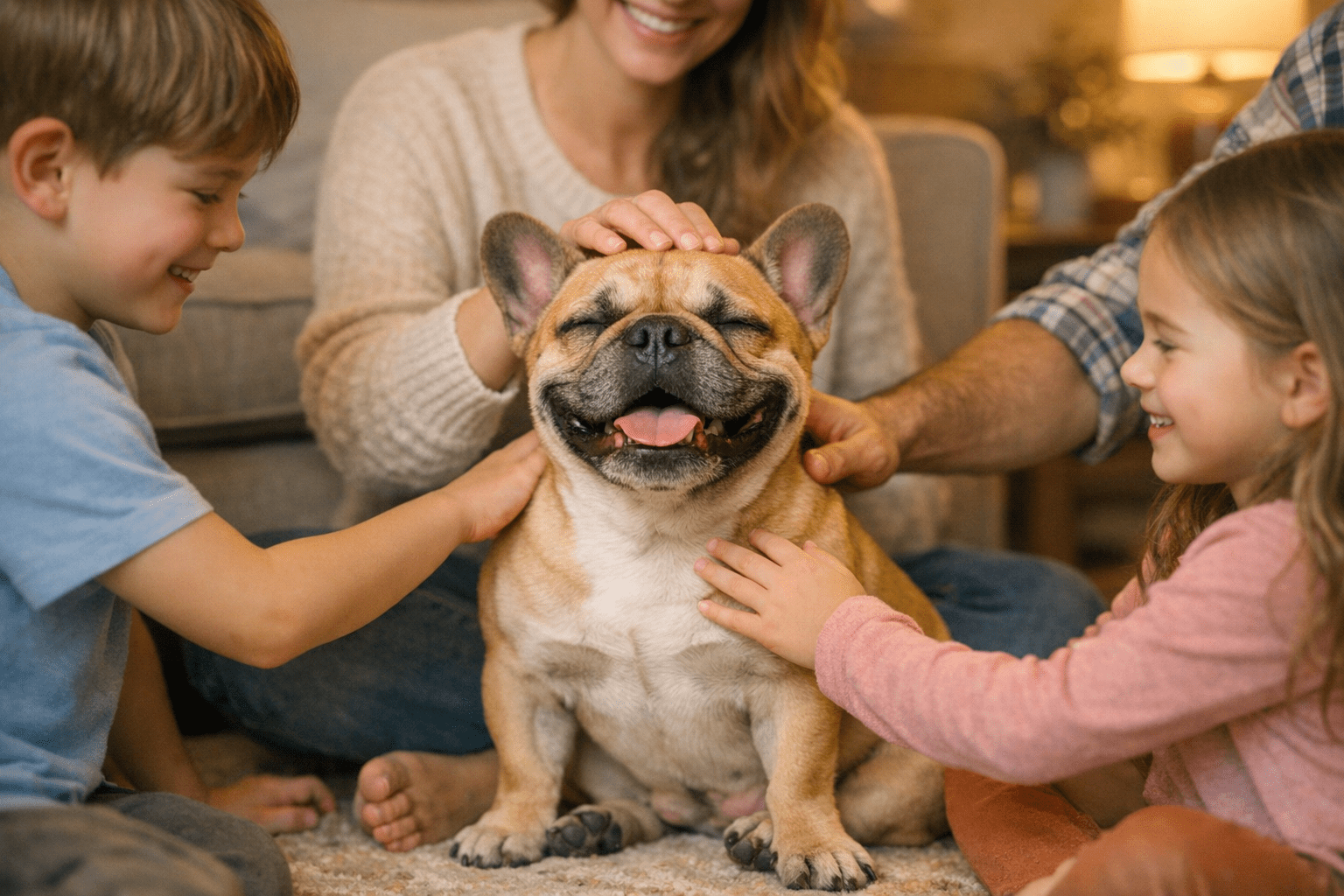
If you’ve walked down any high street in London, Manchester, or Edinburgh recently, you’ve likely spotted them—the bat-eared, waddling bundles of joy that seem to be taking over the UK. There is a massive surge in popularity for this breed, and for good reason. Today, we are going to dive deep into exactly Why French Bulldogs Are Friendly Pets and why they might just be the perfect addition to your household.
I’ve worked with countless dogs over the years, from energetic Border Collies to stoic Bulldogs, but there is something uniquely special about the French Bulldog. They possess a comedic timing that rivals professional stand-ups and a heart that’s bigger than their stocky little bodies. But are they just cute faces, or is there substance behind that smushed mug? Let’s break it down with some real-world insights and a bit of humour. 😊
Why French Bulldogs Are Friendly Pets: The Personality Breakdown
So, what is the secret sauce? Why do people fall head over heels for these dogs? It boils down to their incredible emotional intelligence. Frenchies were bred to be companions. That is their sole job description. Unlike a Labrador, who was bred to retrieve, or a Terrier, who was bred to hunt vermin, the French Bulldog was bred to sit on your lap, keep you warm, and make you laugh.
They have an innate ability to read a room. If you’re having a rubbish day, they seem to know exactly when to nudge your hand for a stroke. If you’re celebrating, they are right there doing the “Frenchie 500″—that crazy zoomie session around the living room that never fails to cheer everyone up. Their friendly nature isn’t an accident; it’s centuries of selective breeding for companionship.
The “Velcro Dog” Trait
You might hear owners refer to Frenchies as “Velcro dogs.” This means they stick to you like glue. Personally, I find this trait endearing, though my shins have occasionally been bruised because I didn’t realise the dog was right behind me!
This clinginess is a massive factor in Why French Bulldogs Are Friendly Pets. They crave human interaction. They want to be involved in every aspect of your life, whether that’s watching the telly, cooking dinner (from a safe distance, of course), or popping to the loo. They are the ultimate “people dogs.” However, this also means they don’t do well being left alone for long periods. If you work from home, they are your perfect desk buddy. If you’re out 10 hours a day, you might need to reconsider or invest in doggy daycare.
Sociability with Strangers
I love how welcoming Frenchies are. While some breeds act as guards and view the postman as a mortal enemy, the French Bulldog is more likely to invite the postman in for a cuppa. They are generally fantastic with guests, often seeking out the person in the room who likes dogs the least and winning them over within five minutes.
However, early puppy training and socialisation are key here. A well-socialised Frenchie is a confident, friendly dog. Take them to the pub (dog-friendly ones, obviously!), let them meet different types of people, and expose them to urban noises. Because they aren’t overly aggressive or territorial, they fit seamlessly into the bustling UK lifestyle.
The History of the French Bulldog
To understand the temperament, you have to look at the history. Despite the name, these dogs actually have British roots! They originated in Nottingham in the 19th century, bred by lace workers who wanted a miniature Bulldog to keep them company in their small workshops.
When the lace workers moved to France during the Industrial Revolution, they took their little dogs with them. In France, the breed was crossed with other breeds (likely Terriers and Pugs) to develop the iconic “bat ears.” They became fashionable companions for Parisian society ladies and gentlemen. This history as a lap dog and a companion animal is deeply embedded in their DNA, which is a major reason Why French Bulldogs Are Friendly Pets. They were never working dogs; they were always lovers.
Care Guide: Keeping Your Frenchie Happy
Owning a Frenchie isn’t all fun and games. They have specific needs that you must attend to. Being a responsible owner means understanding dog care requirements.
Grooming: They have a short, smooth coat that is very easy to maintain. A weekly brush is usually enough to keep shedding under control. However—and this is a big one—you must clean their facial folds. Those adorable wrinkles can trap moisture and bacteria, leading to infections. It takes two minutes a day with a baby wipe, but it’s non-negotiable.
Exercise: Frenchies have moderate energy levels. A couple of 30-minute walks a day is usually sufficient. They love to play, but they are not marathon runners. You won’t be taking a Frenchie on a 10k hike, but they are excellent for strolls around the local park.
Managing Heat and Breathing
This is where I have to be honest with you. Frenchies are Brachycephalic, meaning they have short snouts. This makes them prone to breathing difficulties and overheating. This is a serious dog health consideration in the UK, especially during our increasingly warm summers.
You must avoid walking them during the hottest part of the day. Keep them cool with fans, cooling mats, and plenty of water. If you hear them snoring or snorting excessively, it might be worth a vet check-up to see if their airways need attention.
Training a French Bulldog
Let’s talk puppy training. Are Frenchies easy to train? Well… yes and no. They are incredibly smart and eager to please, if there is something in it for them. They are famously food-motivated, which makes positive reinforcement a breeze.
However, they also have a stubborn streak a mile wide. If a Frenchie decides they don’t want to do something, no amount of pleading will change their mind. I once spent 15 minutes trying to get a Frenchie named Bruno to drop a sock. He just stared at me with those big eyes as if to say, “Make me.”
Consistency is vital. Keep training sessions short (5–10 minutes) to hold their attention. Use high-value treats—small bits of cheese or chicken work wonders. Avoid harsh discipline; their feelings get hurt easily. A happy dog is a trainable dog.
Diet and Nutrition
Dog nutrition is crucial for Frenchies. They are prone to allergies and sensitive stomachs, so you can’t just feed them the cheapest kibble on the shelf.
Look for high-quality, grain-free or limited-ingredient foods. Many owners in the UK opt for raw feeding or high-quality wet food to avoid skin flare-ups. Because they are not very active, they gain weight easily. An overweight Frenchie puts even more pressure on their joints and airways. Use a slow-feeder bowl, too—these dogs inhale their food like a vacuum cleaner, which leads to gas (and trust me, a gassy Frenchie can clear a room instantly 💨).
French Bulldogs vs. Pugs: A Comparison
People often ask me to choose between Frenchies and Pugs. They are both brachycephalic, friendly companions. Here is a quick breakdown:
| Feature | French Bulldog | Pug |
|---|---|---|
| Size | Slightly larger, stockier build (8-14kg). | Smaller, square shape (6-9kg). |
| Ears | Distinctive “Bat Ears” (erect). | “Rose Ears” (folded). |
| Temperament | Calm, playful, less yappy. | Witty, mischievous, can be vocal. |
| Exercise | Moderate; loves a good walk. | Low; prefers lounging. |
| Health | Prone to back and breathing issues. | Prone to eye and breathing issues. |
| Watchdog Ability | Low; loves everyone. | Moderate; may bark at strangers. |
Pros and Cons of Ownership
Before you rush out to buy one, let’s weigh up the reality of owning one of these dogs.
Pros:
- Affectionate: They provide unconditional love.
- Apartment Friendly: Their size and exercise needs suit city living.
- Quiet: They rarely bark without reason.
- Funny: Their personality is a constant source of entertainment.
Cons:
- Health Costs: Vet bills can be high due to breed-specific issues.
- Separation Anxiety: They hate being alone.
- Heat Sensitivity: Summer requires careful management.
- Stubbornness: Training requires the patience of a saint.
FAQs
Are French Bulldogs good with children?
Yes, generally they are fantastic with kids. They are sturdy enough to handle some roughhousing but gentle enough to be safe. However, you should always supervise interactions between dogs and toddlers to ensure both parties are respectful of each other’s space.
Do French Bulldogs bark a lot?
No, they are one of the quieter breeds. They might alert you to a visitor at the door, but they aren’t known for incessant yapping. This makes them excellent neighbours in terraced housing or flats.
How much does a French Bulldog cost in the UK?
Prices can vary wildly, but expect to pay anywhere from £1,500 to £3,000 for a puppy from a reputable breeder. Rare colours can cost even more. Always avoid “bargain” puppies, as they often come from puppy farms with hidden health issues.
Can French Bulldogs swim?
No! This is vital dog care knowledge. Because of their front-heavy build and short legs, most Frenchies cannot swim and will sink like a stone. If you have a pond or take them to the beach, you must keep them on a lead and consider a life jacket.
Why are French Bulldogs so expensive?
The high price tag is due to the breeding process. Frenchies often require artificial insemination and C-sections to give birth, which drives up the cost for breeders. High demand also contributes to the price.
Do they get along with other pets?
Yes, they usually get on very well with other dogs and even cats, especially if introduced from a young age. Their friendly nature extends to the animal kingdom as well.
Conclusion
So, there you have it. It’s clear Why French Bulldogs Are Friendly Pets. They are bred to love, built to cuddle, and programmed to make you smile. Yes, they come with health caveats and a price tag that might make your eyes water, but the return on investment—in terms of love and laughter—is immeasurable.
If you are looking for a loyal companion to share your sofa with, a dog that will adorably greet your guests, and a mate who will stick by your side through thick and thin, the French Bulldog might just be your perfect match. Just make sure you’ve got plenty of cheese for training and a cool spot for them in the summer! 🐶❤️