Let’s be honest, when you bring a Frenchie into your life, you’re not just getting a dog—you’re getting a mate with a personality bigger than their head. But while we often fuss over their squishy faces and bat ears, there’s one crucial area many owners overlook: the tail. If you want a happy, healthy dog, mastering French Bulldogs Tails Care is non-negotiable. Trust me, I’ve learned the hard way that a bit of daily diligence saves a lot of heartache (and vet bills) later on.
I remember with my first Bulldog, I thought the tail was just a cute little button that didn’t need much thought. I was dead wrong. That “cute button” is actually a complex bit of engineering that requires attention. In this guide, I’m going to walk you through everything I’ve picked up over the years—from the anatomy to the daily scrub. We’ll cover the nitty-gritty so you can keep your pup wiggling (in their own unique, stiff way) and comfortable. It’s time to get stuck in!
Understanding the Anatomy of the Frenchie Tail
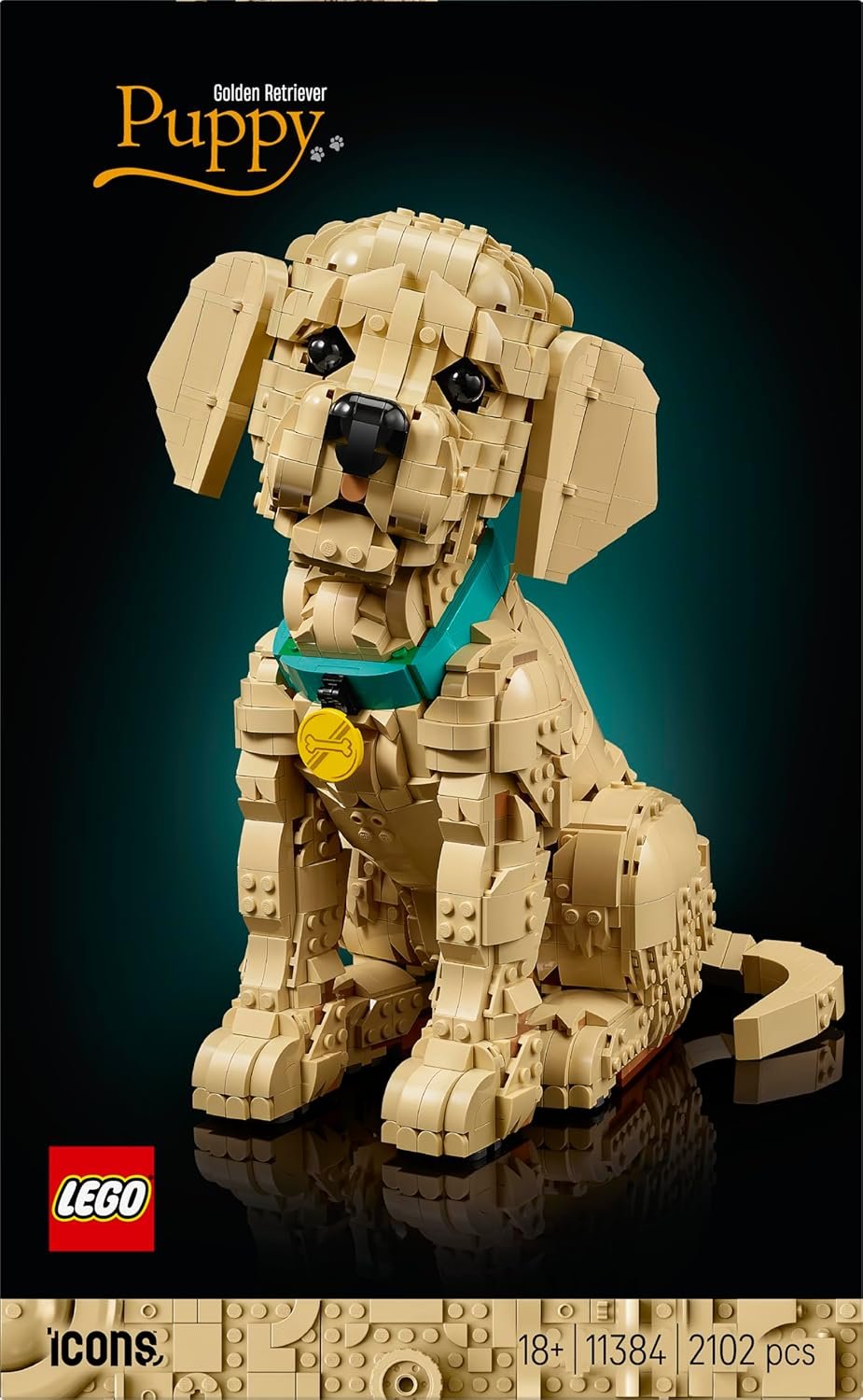
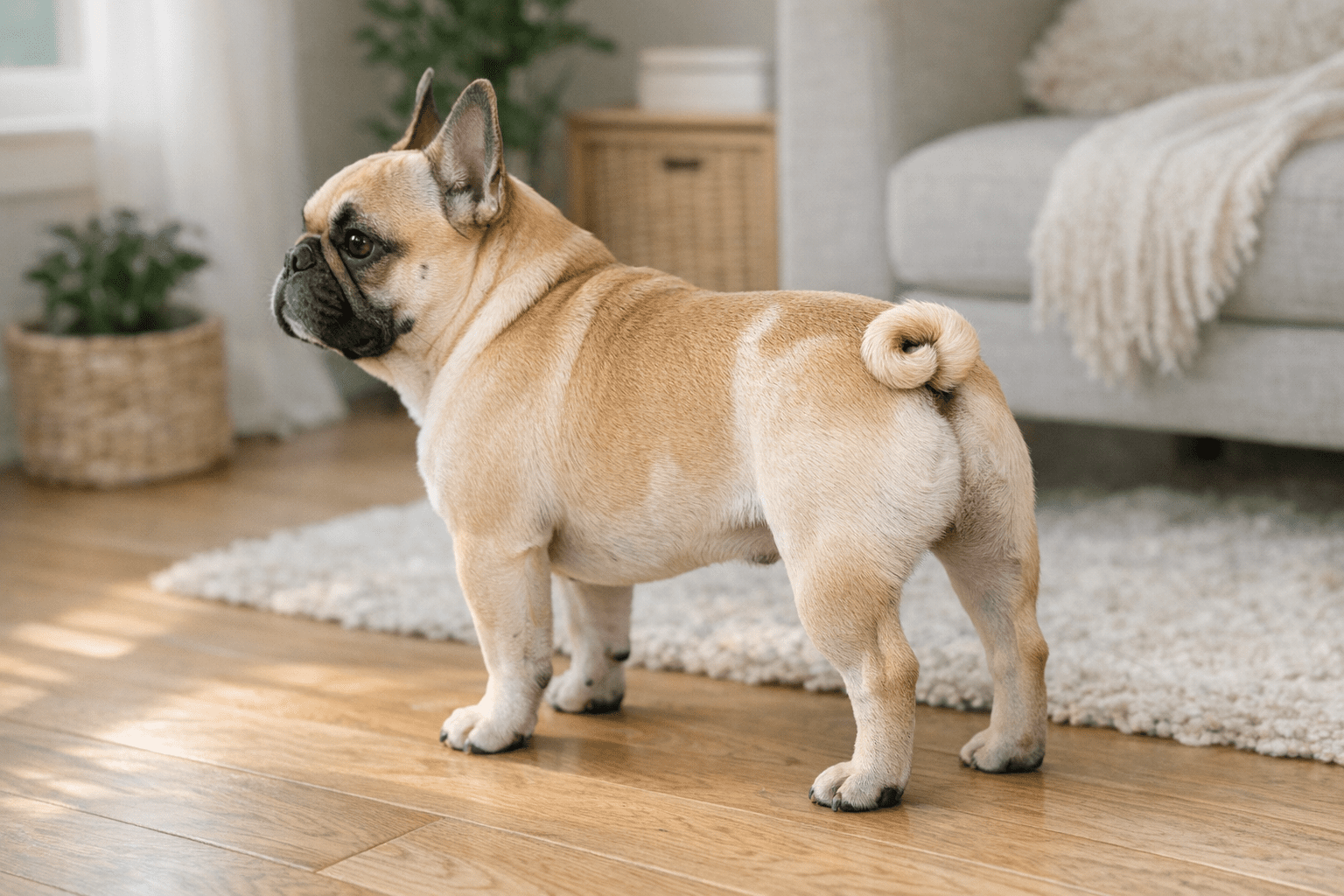
Before we get into the cleaning routine, you have to understand what you’re dealing with. French Bulldogs don’t have tails like a Golden Retriever. They are born with what is known as a “screwpile” or corkscrew tail due to selective breeding. It is essentially a genetic modification where the vertebrae are wedge-shaped or fused, causing the tail to curl tightly against the body.
This creates a unique situation. Because the tail is clamped so tightly against the rump, it doesn’t wag freely in the air. Instead, it presses into the skin, creating deep folds—often referred to as the “tail pocket.” It is a warm, dark, and moist environment, which, if we are being frank, is a breeding ground for bacteria. Understanding this anatomy is the first step in proper French Bulldogs Tails Care. You aren’t just looking at a tail; you are managing a sensitive skin fold that traps debris.
The Tail Pocket: The Hidden Danger Zone
Ah, the infamous tail pocket. If you haven’t found it yet, have a good feel around the base of your Frenchie’s tail. You’ll likely find a small indentation or a deep fold where the tail meets the spine. This is the pocket, and it is notorious for collecting dirt, oils, and moisture.
If left unchecked, this pocket becomes a nightmare. I recall a summer a few years back when my dog started scooting across the living room carpet. I initially thought it was worms, but a trip to the vet revealed a severe infection in the tail pocket caused by trapped moisture. It was red, angry, and smelled terrible. This is why French Bulldogs Tails Care is so vital. The pocket can become impacted with faecal matter or just general gunk, leading to a condition known as intertrigo (skin fold dermatitis).
Recognising the Signs of Tail Problems
How do you know when things have gone south? Your Frenchie can’t text you to say, “My bum hurts.” You have to be a detective. The most obvious sign is a foul odour emanating from the rear end. If your dog smells like mouldy cheese despite having had a bath, check the tail.
Other signs include:
- Redness and Swelling: The skin inside the fold looks angry or raw.
- Excessive Licking: You might catch your dog twisting around trying to lick the tail base obsessively.
- Hair Loss: Bald patches or thinning hair around the tail.
- Scooting: Dragging their bottom across the floor.
- Pain: Whimpering or snapping if you try to touch the tail.
Catching these early is a massive part of French Bulldogs Tails Care. If you ignore the signs, you’re heading for an expensive vet bill and a very unhappy pup.
Daily and Weekly Cleaning Routines
Prevention is better than cure, right? Establishing a cleaning routine is easier than you think. You don’t need fancy equipment; just some cotton pads (or soft wipes) and a vet-approved antiseptic solution or plain warm water.
The Daily Wipe-Down: I make it a habit to give my Frenchie a quick wipe around the tail every evening after his last walk. I lift the tail gently and wipe inside the fold to remove any sweat, dirt, or debris accumulated during the day.
The Deep Clean (Weekly): Once a week, I perform a more thorough clean. I use a medicated wipe or a cotton pad soaked in a gentle antiseptic solution. I clean inside the tail pocket, ensuring I get right into the crevices. You’d be surprised what comes out of there! The key to excellent French Bulldogs Tails Care is consistency. You cannot skip days, especially in the humid UK summers.
Drying is Crucial: This is a tip many miss. Never leave the tail pocket damp. Moisture is the enemy. After cleaning, pat the area thoroughly dry with a soft, clean cloth or tissue. A damp tail pocket invites yeast infections faster than you can say “walkies.”
Dealing with Ingrown or Screw Tails
Sometimes, the tail curls so tightly that it actually grows into the skin of the rump. This is a medical condition called an “ingrown tail” or a tail pocket cyst. It is excruciatingly painful.
In severe cases, the skin grows over the tail completely. I had a friend whose Frenchie required surgery to remove the tail entirely because it had embedded itself so deeply. This highlights why we need to monitor our dogs closely. If you notice the skin appearing to swallow the tail tip, or if there is a hard lump under the tail, get to the vet immediately. Surgical correction, while scary, often provides immense relief for the dog and is sometimes the only long-term solution for chronic tail issues.
Dietary Influences on Skin and Coat Health
You are what you eat, and your dog is no different. A shiny coat and healthy skin start in the food bowl. If your Frenchie suffers from chronic skin issues, including tail infections, diet could be a culprit.
Many Bulldogs have food sensitivities that manifest as skin inflammation. I switched my dog to a grain-free, high-protein diet with added Omega-3 fatty acids, and the difference was night and day. The redness in his skin folds (including the tail) calmed down significantly. Good nutrition supports the immune system, helping your dog fight off bacterial invasions in those tricky folds. When considering French Bulldogs Tails Care, don’t just look at the outside; fix the inside too.
Grooming Products: What to Use and What to Avoid
The market is flooded with pet products, but not all are safe for the sensitive Bulldog skin.
Safe Bets:
- Chlorhexidine Wipes: Great for killing bacteria and yeast.
- Baby Wipes (Unscented): A quick fix for a wipe-down, but ensure they are alcohol-free to avoid drying out the skin.
- Zinc-Free Creams: If the area is slightly irritated, a barrier cream can help, but check with your vet first.
Avoid:
- Harsh Soaps: These strip natural oils and cause irritation.
- Perfumed Sprays: Scented products can cause allergic reactions and don’t address the root cause of odour (bacteria).
- Rubbing Alcohol: This stings and damages healthy tissue.
Using the right products makes French Bulldogs Tails Care much more effective. A good quality, hypoallergenic shampoo is essential for their overall bath time, but spot-cleaning the tail daily is where the magic happens.
When to See the Vet
Sometimes, despite our best efforts, things go wrong. You need to know when to call in the professionals. If you notice pus, bleeding, or if the dog is lethargic and refusing to eat due to tail pain, it’s vet time.
Also, be aware of Hemivertebra. This is a congenital condition where the vertebrae in the spine (and tail) are deformed like a butterfly or wedge shape. While it often just affects the tail shape, severe cases can press on the spinal cord, causing paralysis or incontinence. If your puppy shows signs of weakness in the back legs or severe pain, X-rays are required.
Conclusion: A Happy Tail Means a Happy Frenchie
Caring for your Frenchie isn’t just about the cute Instagram photos; it’s about the daily graft. The tail, though small, is a hotspot for potential problems. By incorporating French Bulldogs Tails Care into your daily routine, you ensure your mate stays comfortable, odour-free, and infection-free.
Remember, it only takes two minutes a day to clean and dry that pocket. That small investment of time pays off in spades with a happy, healthy dog who isn’t scratching, scooting, or in pain. So, grab those wipes, give that tail a little love, and enjoy every snort, wiggle, and cuddle your Frenchie has to offer. You’ve got this!
French Bulldogs Tails Care: Frequently Asked Questions
How often should I clean my French Bulldog’s tail pocket? You should aim to clean the tail pocket at least once a day, or every other day minimum. If your dog has active allergies or is prone to infections, a daily wipe is essential. Keeping the area clean prevents the buildup of bacteria and yeast.
Is it normal for my French Bulldog’s tail to have a bad smell? No, a strong, unpleasant odour is a sign of infection, usually yeast or bacteria. It is not “normal” for dogs to smell bad in this area. If you notice a cheesy or mouldy smell, it means the tail pocket needs cleaning immediately, and you may need a vet visit for medicated treatment.
Can French Bulldogs wag their tails? While they do have tail movement, their tails are not long or flexible enough to wag side-to-side like other breeds. They express excitement by vibrating or wiggling their entire back end. Because they can’t “air out” the tail, moisture gets trapped, which is why French Bulldogs Tails Care is so important.
What is a tail pocket? A tail pocket is a small indentation or fold of skin located directly underneath (or beside) the base of the tail where it connects to the body. It is unique to breeds with tightly curled tails and is the primary area where dirt and moisture accumulate.
At what age do French Bulldogs develop a tail pocket? Tail pockets usually become noticeable as the puppy grows and matures, typically between 6 months and 1 year of age. However, some are visible from birth. You should start checking for and cleaning the tail pocket from puppyhood to get them used to the routine.
Should I use powder or cream on my Frenchie’s tail?
Generally, you should keep the tail area clean and dry. Applying creams or powders can sometimes trap moisture or cake up with dirt. However, if the skin is irritated or cracked, your vet may prescribe a specific healing balm. Always consult a professional before applying products to sensitive areas.