As a dog owner and lover for over two decades, I can tell you that few breeds capture the heart quite like the Golden Retriever. They’re the canine equivalent of a warm hug on a rainy day—loyal, intelligent, and endlessly affectionate. But if you’ve ever shared your sofa with one of these gorgeous goofballs, you’ll know they come with a hidden superpower: an endless supply of fluff. The question isn’t really if they shed, but rather how you’ll creatively explain to guests that the “new carpet” is actually just a solid layer of golden fur.
So, do golden retrievers shed a lot? The short answer is an emphatic, resounding, and hair-in-your-tea YES. But before you cross them off your list, let me tell you from experience that with the right knowledge and a solid grooming routine, managing the fluff is completely possible. In this guide, we’ll dive deep into the “why,” the “when,” and most importantly, the “how” of tackling your Golden’s legendary shedding. We’ll explore their unique double coat, practical grooming hacks, and even what to do if you suspect something more is going on.
This isn’t just about cleaning up hair; it’s about understanding your dog’s health and comfort. Let’s get into it!
Table of Contents
- The Golden Fleece: Why Golden Retrievers Shed So Much
- The “Fur-nado” Seasons: When Does the Worst Shedding Happen?
- Your Ultimate Guide to Managing Golden Retriever Shedding
- The Golden Retriever’s Coat: A Deep Dive into Their Double Layer
- Diet, Health, and That Shiny Coat Connection
- Golden Retrievers vs. “Hypoallergenic” Breeds: A Fur-Filled Comparison
- Does a Golden Retriever’s Shedding Bother You? Honest Pros and Cons
- When Shedding Becomes a Concern: Health Red Flags
- Golden Retriever Shedding: Your Top Questions Answered (FAQ)
- Embracing the Glitter: A Final Word on Golden Retriever Fur

The Golden Fleece: Why Golden Retrievers Shed So Much
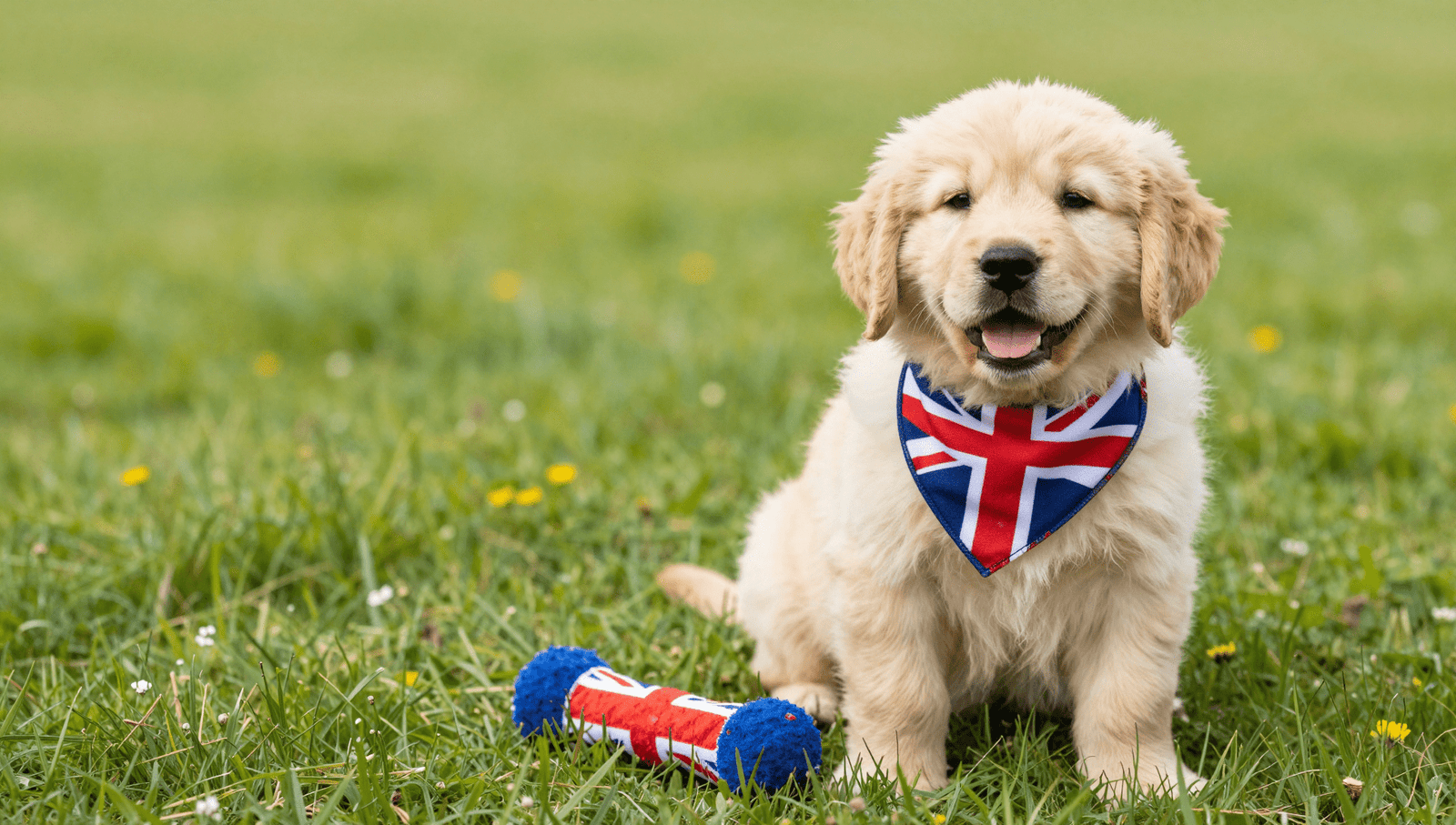
Every time you pet your Golden, you come away with a handful of fur. It’s in your car, your coffee, and probably woven into the fabric of your favourite jumper. But why? The reason lies in their magnificent double coat. As their name suggests, Retrievers were originally bred in the Scottish Highlands to retrieve waterfowl for hunters. The damp, chilly climate required a coat that could provide insulation and protection from the elements.
This is where the double coat comes in. It’s a brilliant piece of natural engineering:
- The Undercoat: This is the soft, dense, downy layer close to the skin. Its primary job is to trap air and insulate your dog, keeping them warm in the winter and surprisingly cool in the summer. This is the fluff that creates those infamous “fur-nadoes” during shedding season.
- The Outer Coat (or Guard Hairs): This is the longer, coarser layer you see. It’s water-repellent and protects the undercoat and skin from dirt, debris, and UV rays.
When people ask, “Do golden retrievers shed a lot?”, they’re usually experiencing the undercoat’s dramatic departure. This constant shedding is a natural process of replacing old, damaged hair with new, healthy growth. So, while it can feel overwhelming, it’s actually a sign that their coat system is working exactly as it should. It’s a small price to pay for a dog that’s always ready for a cuddle!
The “Fur-nado” Seasons: When Does the Worst Shedding Happen?
While Golden Retrievers are known as year-round shedders—a little hair here and there is just part of the deal—they have two major “blowouts” each year. These are affectionately known as shedding seasons, and it’s when you’ll seriously question if another dog has moved in without your permission.
These heavy shedding periods are triggered by changes in daylight and temperature, as your dog’s body prepares for the upcoming season.
- Spring Blowout: As the days get longer and warmer, your Golden will shed its thick, heavy winter undercoat to make way for a lighter summer coat. This is their way of “taking off their winter jumper.” You’ll find massive clumps of fluff seemingly detaching themselves from your dog’s body.
- Autumn Blowout: Conversely, as the weather turns cooler, they’ll shed their lighter summer coat to grow in that dense, insulating winter undercoat again. This helps them prepare for the colder months ahead.
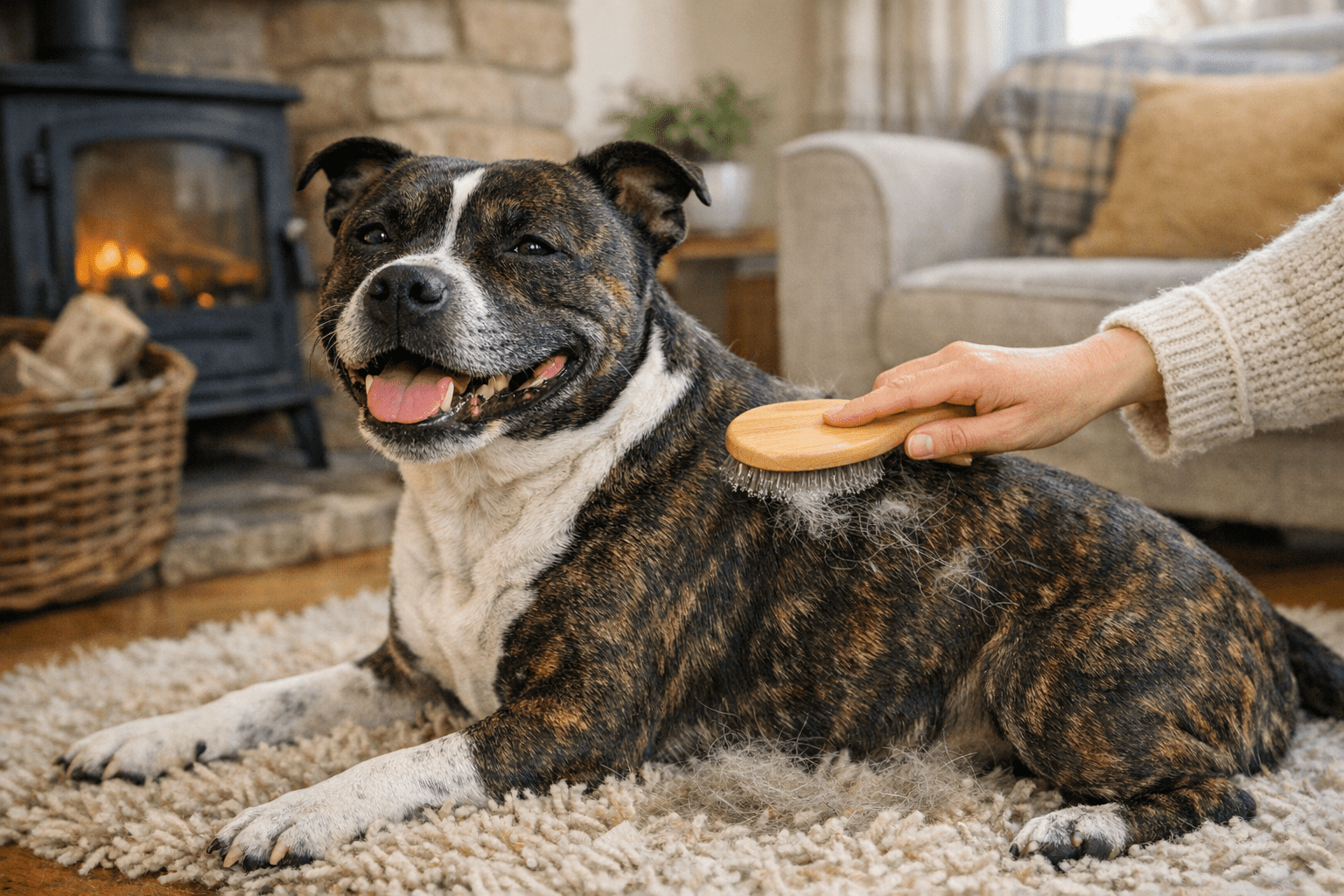
These seasonal events can last for a few weeks, and during this time, daily brushing is non-negotiable. If you’ve ever brushed out a Golden during a blowout, you’ll know you can pull off enough fur to build a small replica of your dog. It’s a messy, fluff-filled time, but it’s a temporary and necessary part of their biology.
Your Ultimate Guide to Managing Golden Retriever Shedding
Okay, so we’ve established that fluff is a feature, not a bug. So, what can you actually do about it? Managing a Golden’s shedding is less about a single magic trick and more about creating a consistent routine. Here’s my tried-and-tested battle plan for keeping the fur-pocalypse at bay.
- Brush Like You Mean It: This is your number one weapon. Daily brushing is the gold standard, but aim for a minimum of three to four times a week. This removes loose hair before it ends up on your sofa and distributes natural skin oils, which keeps the coat healthy. A good routine involves a slicker brush for the outer coat and an undercoat rake to get that dense fluff.
- Bathe… But Not Too Often: A bath helps loosen and remove dead fur. Use a gentle, dog-friendly shampoo (oatmeal is great for their skin) and make sure to rinse thoroughly. However, over-bathing can strip essential oils and dry out their skin, which can ironically lead to more shedding and irritation. Once every 4-8 weeks is usually plenty.
- Invest in the Right Tools: A cheap brush won’t cut it. A high-quality slicker brush, a sturdy undercoat rake, and a good pair of grooming gloves are worth their weight in gold. The right tools make the job easier for you and more comfortable for your dog.
- The Power of the Vacuum: Let’s be realistic—you can’t brush away every single hair. A powerful vacuum cleaner designed for pet hair is your best friend. Look for models with motorised brush heads and strong suction. Running it over carpets and upholstery daily will make a world of difference.
- Embrace the Lint Roller: Keep them everywhere. In your car, by the front door, at your office. They are a quick-fix lifesaver for those moments you realise you’re wearing a fur-coated outfit just as you’re heading into a meeting.
By integrating these habits into your weekly routine, you’ll spend less time cleaning and more time enjoying your wonderful companion.
The Golden Retriever’s Coat: A Deep Dive into Their Double Layer
Understanding the structure of a Golden Retriever’s coat is key to managing it correctly. Many new owners make the mistake of thinking of it as one uniform layer, but as we’ve discussed, it’s a sophisticated two-part system. This is also why you should never shave a Golden Retriever.
Shaving a double-coated dog doesn’t stop the shedding; it just sheds shorter hairs. More importantly, shaving removes their natural insulation and protection. The undercoat grows back faster than the guard hairs, which can permanently alter the texture of their coat, making it dense, matted, and less effective at regulating temperature. In the summer, a shaved coat exposes their skin to sunburn and heatstroke. In winter, they lose their primary source of warmth.
The correct approach is to manage the coat, not remove it. This means using the right tools to brush out the dead undercoat while preserving the integrity of the outer guard hairs. A professional groomer can be a fantastic ally, especially during shedding season. They have the tools and expertise to give your Golden a thorough de-shedding treatment that will leave their coat healthy and your home a little less… hairy.
Diet, Health, and That Shiny Coat Connection
A healthy coat starts from the inside out. You can brush until your arm is sore, but if your dog’s diet isn’t up to scratch, their coat will suffer, and shedding can become excessive. Think of it like human hair—we need good nutrition for strong, shiny locks, and so does your Golden.
Focus on a high-quality dog food that lists a real meat source (like chicken or salmon) as the first ingredient. Key nutrients for coat health include:
- Omega-3 and Omega-6 Fatty Acids: These are crucial for skin and coat health. They help reduce inflammation, keep the skin moisturised, and promote a shiny, strong coat. Look for foods that contain fish oil, flaxseed, or sunflower oil. You can also add a fish oil supplement to their meals, but always check with your vet first.
- High-Quality Protein: Hair is made of protein (keratin). A diet with easily digestible protein provides the building blocks for strong hair growth.
- Vitamins and Minerals: Vitamins A, E, and biotin all play a role in maintaining healthy skin and fur.
If your Golden’s coat suddenly becomes dull, brittle, or they start shedding much more than usual, their diet is a great place to start investigating. A simple change in food or the addition of a vet-approved supplement can sometimes make a dramatic difference.
Golden Retrievers vs. “Hypoallergenic” Breeds: A Fur-Filled Comparison
For allergy sufferers, the question of shedding is often a deal-breaker. Let’s be clear: no dog is 100% hypoallergenic. Allergies are primarily caused by proteins in a dog’s dander (dead skin cells), saliva, and urine, not just their fur. However, dogs that shed less tend to spread less dander around the home, making them a more suitable choice for some people.
Comparing a Golden Retriever to a breed often labelled as “hypoallergenic,” like a Poodle or Bichon Frise, highlights this difference perfectly.
| Feature | Golden Retriever | Poodle (Standard) |
|---|---|---|
| Coat Type | Thick double coat with a dense undercoat. | Single curly coat that is more like human hair. |
| Shedding Level | Very High. Year-round with two seasonal blowouts. | Very Low. Sheds minimally, hair gets trapped in curls. |
| Dander Production | High, due to constant shedding. | Low, as less hair and dander is released into the air. |
| Grooming Needs | High (daily brushing during sheds). | Very High (professional grooming every 4-6 weeks is a must). |
| Allergy-Friendly? | Generally not suitable for allergy sufferers. | Often a better choice for people with mild allergies. |
If allergies are your primary concern, a Golden Retriever is likely not the right breed for you. While their personality is second to none, the sheer volume of fur and dander they produce will be a constant challenge. It’s far better to choose a breed that fits your lifestyle and health needs from the start.
Does a Golden Retriever’s Shedding Bother You? Honest Pros and Cons
Let’s be brutally honest. Living with a Golden Retriever means accepting a certain level of “fluff.” Before you commit, it’s worth weighing up the good, the bad, and the hairy.
Pros of Owning a Golden Retriever (Despite the Fur):
- ✅ Incredible Temperament: They are famously gentle, patient, and friendly, making them one of the best family dogs in the world.
- ✅ Highly Trainable: Their intelligence and eagerness to please make them a joy to train for everything from basic obedience to advanced tricks.
- ✅ Unwavering Loyalty: They form incredibly strong bonds with their families and are true companions through and through.
- ✅ Active & Playful: They are always up for a walk, a game of fetch, or a swim, encouraging an active lifestyle for their owners.
Cons of Owning a Golden Retriever (The Fluff Factor):
- ❌ Constant Cleaning: Be prepared to vacuum, sweep, and lint-roll regularly. It becomes a part of your daily routine.
- ❌ Grooming is a Commitment: You need to dedicate time each week (and money for tools or professional grooming) to maintain their coat.
- ❌ Not Hypoallergenic: A definite no-go for anyone with significant dog allergies.
- ❌ “Golden Glitter”: You will find fur in places you never thought possible. It’s a part of the package.
For most Golden owners, myself included, the pros far outweigh the cons. The sheer joy and love they bring into your life make the endless battle with the fluff worthwhile.
When Shedding Becomes a Concern: Health Red Flags
While heavy shedding is normal for a Golden, there are times when it can signal an underlying health issue. It’s important to know the difference between normal seasonal shedding and something that requires a trip to the vet.
Keep an eye out for these red flags:
- Bald Patches or Thinning Fur: Shedding is even; hair loss in specific spots is not normal.
- Excessive Scratching, Licking, or Biting: This could point to allergies (environmental or food-related), fleas, or skin infections.
- Red, Inflamed, or Irritated Skin: Healthy skin should be pale pink, not red or angry-looking.
- Dry, Flaky Skin (Dandruff): This can be a sign of poor nutrition, dehydration, or a skin condition.
- A Sudden, Drastic Increase in Shedding: If your dog’s shedding pattern suddenly changes outside of their normal seasonal blowout, it’s worth investigating.
If you notice any of these signs, don’t hesitate to consult your veterinarian. Conditions like hypothyroidism, Cushing’s disease, and severe allergies can all manifest as excessive hair loss. A professional diagnosis is the first step to getting your furry friend feeling comfortable and healthy again.
Golden Retriever Shedding: Your Top Questions Answered (FAQ)
Do Golden Retrievers shed more than Labrador Retrievers?
That’s a tough one! Both are notorious shedders with double coats. Honestly, it’s probably a tie for the top spot in the shedding hall of fame. Labs have a shorter, denser coat, so their fur can feel more “prickly” when it’s woven into your clothes. Goldens have longer, silkier fur that tends to float and collect in fluffy tumbleweeds. Both require a similar level of grooming commitment.
How can I stop my Golden Retriever from shedding completely?
You can’t, and you shouldn’t try. Shedding is a natural, biological process essential for their coat health. The only dog that doesn’t shed is a bald one! The goal is not to stop it, but to manage it effectively through regular grooming, a proper diet, and a clean home environment.
Is it better to clip or shave a Golden Retriever to stop shedding?
Absolutely not. As I mentioned earlier, you should never shave a double-coated breed like a Golden Retriever. It damages their coat, removes their natural insulation against heat and cold, and exposes their skin to sunburn. It won’t stop the shedding, and it will harm your dog.
What is the best brush for a shedding Golden Retriever?
A two-tool approach is best. First, use a slicker brush to work through the topcoat and remove tangles. Then, follow up with an undercoat rake to gently pull out the dense, loose fur from the undercoat. This combination effectively removes dead hair without damaging the healthy topcoat.
How often should I bathe my Golden Retriever during shedding season?
During a heavy shedding season, you might be tempted to bathe them more often, but it’s best to stick to once a month at most. Over-bathing can dry out their skin. A bath followed by a thorough blow-dry and brushing session can help remove a lot of loose undercoat, but daily brushing is far more effective and less stressful for their skin.
Does a good diet really help with shedding?
Yes, 100%. A diet rich in high-quality protein and essential fatty acids like Omega-3 and Omega-6 is fundamental for healthy skin and a strong coat. A dog with poor nutrition will have dry skin and brittle hair, leading to excessive shedding. It’s one of the most effective long-term strategies for coat health.
Embracing the Glitter: A Final Word on Golden Retriever Fur
So, do golden retrievers shed a lot? You bet they do. But living with a Golden means embracing the fluff—it’s part of the deal. It’s the price of admission for a life filled with unconditional love, goofy grins, and a loyal companion who thinks you’re the greatest person on earth.
By understanding their double coat, committing to a consistent grooming routine, and providing them with excellent nutrition, you can manage the shedding and keep both your dog and your home in great shape. The “golden glitter” that covers your life is a small reminder of the wonderful, furry friend you get to share it with. And honestly, I wouldn’t have it any other way.