1. Introduction to Border Collie Training
When I started using a border collie training guide week by week, I quickly realised this breed is on a completely different level 😅. Border Collies aren’t just smart—they’re super smart. Sometimes I feel like my dog is silently judging my life choices 😂.
Understanding border collie training basics and intelligent dog training needs helped me avoid big mistakes early on. These dogs crave structure, routine, and challenges.
For example, I skipped one day of training and my dog immediately invented his own game… which involved stealing socks and hiding them 🧦.
So I learned that training isn’t optional—it’s essential.
Breaking things down week by week makes everything manageable. Instead of feeling overwhelmed, I focused on small wins each day.
Trust me, with this approach, you’ll not only train your dog—you’ll build an amazing bond too 🐾.
2. Week 1–2: Settling In and Basic Bonding
The first two weeks felt like bringing home a tiny tornado 😂.
I focused mainly on puppy bonding techniques and creating trust. This stage isn’t about strict rules—it’s about connection.
I used my dog’s name often and stuck to a simple house training routine. For example, after every meal, I’d take him outside—and yes, accidents still happened… a lot 😅.
Building comfort was my priority. I let him explore, play, and understand his new space.
Using new puppy adjustment tips, I kept things calm and consistent. Too much change at once can overwhelm them.
By the end of these weeks, my dog started recognising me as “his human”—which honestly felt like a big achievement ❤️.
3. Week 3–4: Teaching Basic Commands
This is when things start getting exciting 😄.
I introduced basic obedience training for puppies, focusing on commands like sit, stay, and come.
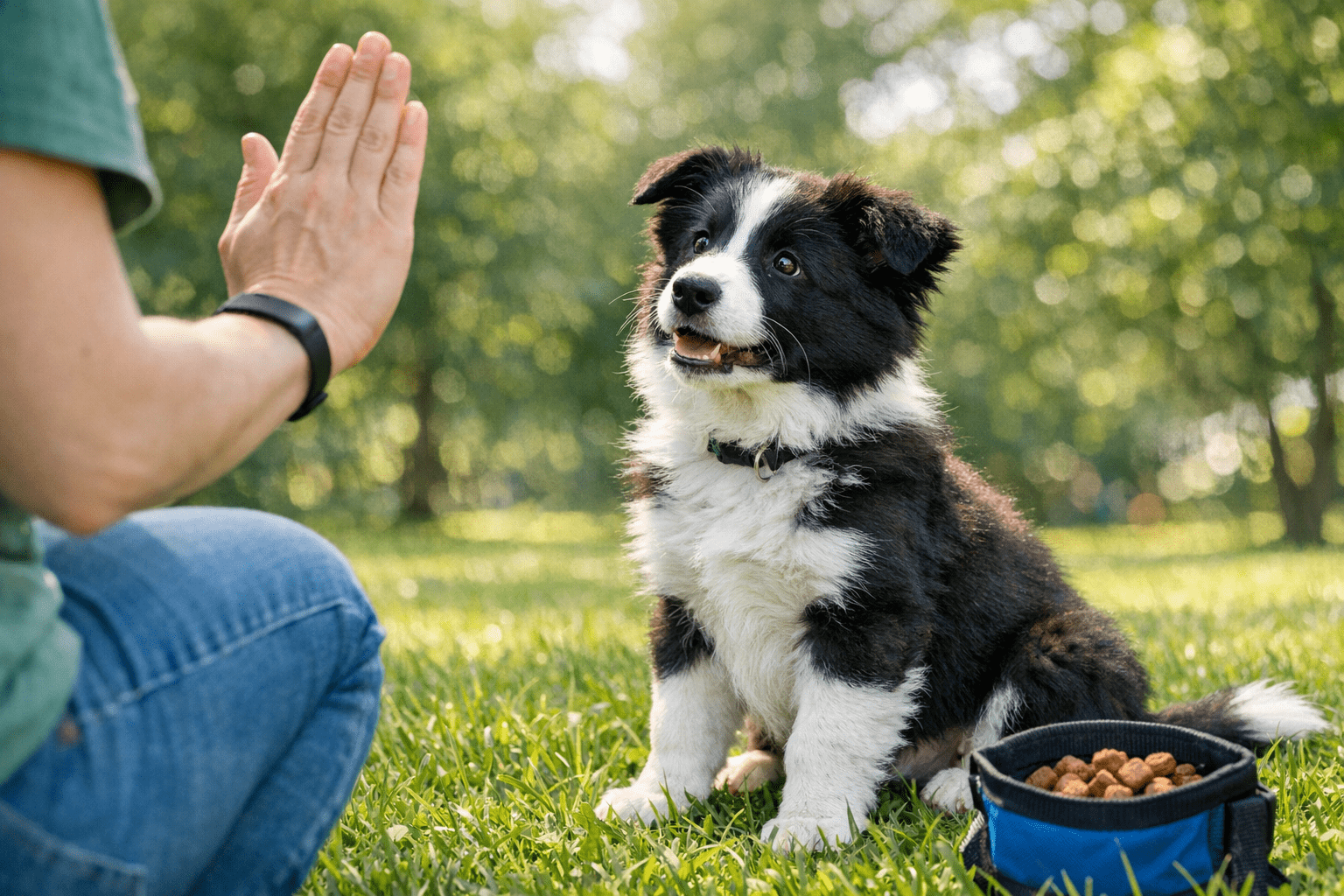
Using positive reinforcement dog training, I rewarded every correct action with treats or praise. Let’s be honest—food works wonders 😂.
For example, my dog learned “sit” in just a couple of days because treats were involved.
Short sessions worked best—around 5–10 minutes. Puppies get distracted quickly, especially with everything interesting around them.
I also kept my tone calm and encouraging. No shouting—just patience.
By the end of this stage, my dog was already responding to commands, and I felt like a proud teacher 🧑🏫🐶.
4. Week 5–6: Socialization and Exposure
This phase is super important—and honestly really fun too 🐾.
I focused on puppy socialization training, introducing my dog to new people, places, and sounds.
Using proper dog behavior development techniques, I made every experience positive.
For example, I took him to parks, busy streets, and even allowed friendly strangers to interact with him.
At first, he was unsure… but quickly became confident.
I also made sure to avoid overwhelming situations. Too much too soon can scare a puppy.
Gradual exposure worked best.
By the end of this stage, my dog felt comfortable in different environments, which made life much easier later on.
5. Week 7–8: Leash Training and Walking Skills
Ah yes… leash training 😅. The real test of patience.
I started working on leash training for border collies, and at first, it felt like my dog was taking me for a walk 😂.
Using loose leash walking techniques, I stopped moving whenever he pulled. Once he relaxed, we moved again.
For example, it took a few days, but suddenly he understood the concept—no pulling = more walking.
Short, consistent walks helped build habits.
I also used treats to reward calm walking behaviour.
Progress wasn’t instant, but with patience, things improved steadily.
Now walking feels more like teamwork instead of a tug-of-war 🐕.
6. Week 9–10: Advanced Obedience Training
This stage made me realise how smart Border Collies really are 😄.
I started advanced dog obedience training, introducing more challenging commands like longer stay, recall, and focus.
Using dog command reliability training, I added distractions during practice. This made training more realistic.
For example, practicing “come” in a quiet room is easy—but in a park? Totally different story 😂.
I increased difficulty gradually, keeping sessions fun and engaging.
My dog loved the challenge—it’s like giving them puzzles to solve.
This stage helped improve discipline and responsiveness in different situations.
7. Week 11–12: Mental Stimulation and Problem Solving
This is where I learned an important lesson—tired body ≠ tired mind 🧠.
Border Collies need mental stimulation for dogs, or they’ll create their own entertainment (and you won’t like it 😅).
I introduced puzzle toys, games, and dog problem solving activities.
For example, I hid treats around the house and let my dog sniff them out—it became his favourite game.
I also taught new commands to keep things interesting.
Using brain games for dogs, I noticed his behaviour improved a lot.
A mentally stimulated dog is calmer and happier.
So if your dog seems bored… challenge their brain!
8. Month 4–6: Strengthening Discipline and Routine
By this stage, things start feeling more structured 👍.
I focused on structured dog training routine, reinforcing commands daily.
Using dog discipline training techniques, I practiced:
- Commands before meals
- Waiting patiently
- Controlled behaviour
For example, my dog had to sit before getting food—no exceptions.
Consistency was key. The more I repeated behaviours, the stronger the habits became.
At this stage, training becomes part of daily life, not just sessions.
And honestly, routines made everything smoother—for both of us 😄.
9. Month 6–12: Advanced Skills and Behaviour Control
Now things get next-level 😎.
I introduced advanced border collie training, including off-leash work and agility-type activities.
Using dog behavior correction training, I fixed minor issues like jumping or barking.
For example, I trained my dog to greet guests calmly instead of jumping like a rocket 🚀.
Border Collies love learning, so keeping training fun was important.
I also tried games that mimicked herding instincts, which they naturally enjoy.
At this stage, your dog becomes more reliable and mature.
10. Final Tips for a Well-Trained Border Collie
After going through this whole journey, I can say one thing—consistency beats everything 😄.
Using long term dog training consistency helped me maintain good behaviour over time.
I made training part of daily routines instead of occasional sessions.
For example, even simple commands like “sit” before feeding reinforced discipline.
Combining this with proper active dog training lifestyle kept my dog happy and engaged.
Training doesn’t really end—it evolves as your dog grows.
In the end, following a border collie training guide week by week made everything easier, more structured, and far less overwhelming 🐾✨
Border Collie Training and Intelligence Guide
- Border collie training is essential to channel their high energy and intelligence into positive behaviors 🐶
- Training border collies requires consistency, patience, and plenty of mental stimulation for best results 🧠
- How to train a border collie involves using positive reinforcement techniques like treats, praise, and play 🎾
- Are border collies easy to train is often yes, as they are one of the most intelligent and eager-to-learn breeds 🏆
- Border collie training tips include keeping sessions short, engaging, and varied to prevent boredom ⏱️
- Border collie trainability is extremely high due to their strong work ethic and desire to please 🎯
- Training a border collie should start early to establish good habits and prevent unwanted behaviors 🐾
- Border collie obedience is usually excellent when proper training and guidance are provided 📋
- How to train border collie routines effectively involves regular practice and clear, consistent commands 🔁
- How to train a collie follows similar principles of positive reinforcement and mental engagement 🐕
- Border collie training methods often include reward-based learning and task-oriented exercises 🧩
- Are border collies hard to train can depend on the owner, but their intelligence actually makes training easier ✅
- Train border collie routines should include both physical exercise and problem-solving activities ⚡
- Border collies training must include mental challenges to keep them satisfied and well-behaved 🧠
- Border collie obedience training helps develop discipline and strengthens the bond between dog and owner 🤝
- How to train border collie puppy stages involves early socialization, basic commands, and gentle guidance 🐕🦺
- How to train border collies successfully means staying consistent, positive, and engaging throughout their life 🎓