Introduction
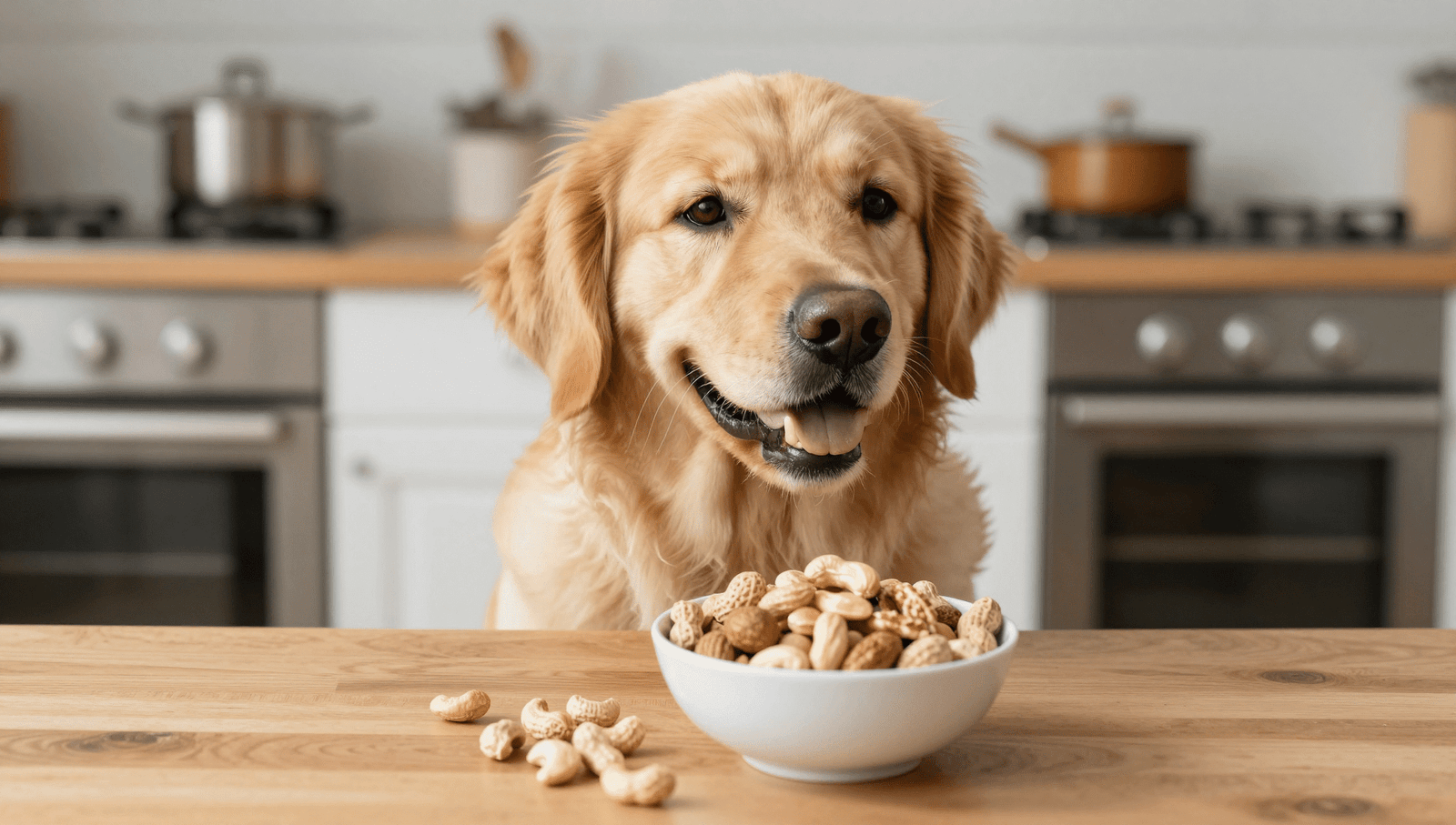
Let me paint you a picture. It’s a quiet Tuesday evening, I’m curled up on the sofa with a bowl of mixed nuts, and my golden retriever, Bailey, is giving me those puppy-dog eyes that could melt steel. You know the look – head tilted, ears perked, tail wagging like a metronome on caffeine. 🐾
I’ve been there, and honestly, most dog owners have. We’re snacking, our furry best friend is staring, and we think, “It’s just a nut. What’s the harm?” Well, as it turns out, plenty – if you don’t know what you’re doing.
After years of working with dogs and consulting with veterinarians, I’ve learned that the question “can dogs eat nuts safely?” isn’t as straightforward as a simple yes or no. It’s more like navigating a minefield, where one wrong nut could send your pup straight to the emergency vet.
In this comprehensive guide, I’m going to spill the beans (pun intended) on everything you need to know about feeding nuts to your dog. We’ll cover which nuts are safe, which are toxic, how many is too many, and what to do if your dog eats something they shouldn’t. By the time you finish reading, you’ll be a nut-safety expert – and your dog will thank you for it.
So grab a cuppa, get comfortable, and let’s crack open this topic together. 🥜🐶
Understanding the Basics: What Makes Nuts Safe or Dangerous for Dogs?
Before we dive into the nitty-gritty of specific nuts, let’s talk about what actually determines whether a nut is safe for your dog. It’s not just about the nut itself – it’s about the whole package.
Fat Content Matters – A Lot
Nuts are nature’s little fat bombs. I’m not saying that’s a bad thing – healthy fats are brilliant for humans and dogs alike. But here’s the kicker: dogs’ digestive systems aren’t designed to handle large amounts of fat in one sitting. When I say large amounts, I’m talking about more than a few nuts.
Dr. Sarah Mitchell, a veterinary nutritionist I work with, once told me: “The average dog’s pancreas struggles to process high-fat foods. Feed them too many nuts, and you’re looking at pancreatitis – a painful, potentially life-threatening condition.”
So when we ask “can dogs eat nuts safely?”, the answer always comes with a caveat: moderation is absolutely non-negotiable.
Size and Choking Hazards
Here’s something most people don’t think about – nuts are the perfect size to become a choking hazard. I’ve seen it happen. My friend’s Labrador once swallowed a whole almond and spent the next hour gagging. It was terrifying.
Pro tip from personal experience: Always crush or chop nuts into smaller pieces, especially for smaller breeds. A Chihuahua and a walnut are not a good combination.
Mould and Mycotoxins
This is where things get scary. Nuts, particularly those that aren’t fresh, can develop mould that produces mycotoxins. These little nasties can cause everything from tremors to seizures in dogs. I always tell my clients: if you wouldn’t eat it yourself, don’t feed it to your dog.
The Toxic Troublemakers: Nuts Your Dog Must Never Eat
Let’s get the bad news out of the way first. There are some nuts that should never, ever pass your dog’s lips. I’m going to be brutally honest here – ignoring this list could cost your dog their life.
Macadamia Nuts – The Silent Killer
If there’s one nut you remember from this article, make it this one. Macadamia nuts are the only nut that’s genuinely toxic to dogs. I’m not exaggerating when I say these little horrors can cause serious harm.
What happens if your dog eats macadamia nuts? Within 12 hours, you might see:
- Vomiting and diarrhoea
- Weakness, particularly in the hind legs (your dog might struggle to stand)
- Hyperthermia (elevated body temperature)
- Loss of coordination
- Tremors
I once had a client whose Beagle got into a bag of macadamia cookies. Within hours, the poor pup couldn’t walk properly. It was heartbreaking. Fortunately, with prompt veterinary care, most dogs recover, but it’s a terrifying experience you don’t want to repeat.
Walnuts – More Dangerous Than You Think
English walnuts are problematic for a few reasons. First, they’re huge – which makes them a choking hazard. Second, they’re exceptionally high in fat. But the real danger? Mould.
Walnuts are notorious for harbouring mould that produces mycotoxins. In the worst cases, I’ve heard of dogs developing seizures after eating mouldy walnuts. It’s simply not worth the risk.
Pecans and Pistachios – Double Trouble
Both of these nuts are high in fat and can cause gastrointestinal upset. But that’s not all. Pecans, like walnuts, can develop toxic mould. And pistachios? Their shells are a choking hazard, and they’re often salted or flavoured.
Honest truth: I never feed my dogs any of these nuts. Why would I, when there are safer alternatives?
The Safe Squad: Nuts Your Dog Can Enjoy (In Moderation)
Now for the good news! Yes, can dogs eat nuts safely? Absolutely – when you choose the right ones. Here’s my personal safe list, based on years of experience and veterinary advice.
Peanuts – The Gold Standard
Peanuts are the safest nut for dogs, and there’s a reason they’re so popular in dog treats. They’re relatively low in fat compared to other nuts, and most dogs absolutely love them.
Important caveat: We’re talking about plain, unsalted, shelled peanuts. Not dry-roasted, not honey-roasted, not salted. Just plain peanuts. And if you’re giving peanuts in their shells (monkey nuts), remove the shells first – they’re a choking hazard.
Cashews – Creamy and Safe
Cashews are another excellent option. They’re softer than many nuts, making them easier to digest. Plus, they contain magnesium and zinc, which are great for your dog’s immune system.
My personal tip: Break cashews into small pieces before feeding. They’re still big enough to cause problems if swallowed whole.
Pine Nuts – Tiny but Mighty
These little guys are a safe bet, and they’re packed with vitamin K. Just remember: they’re still nuts, meaning they’re high in fat. A sprinkle on your dog’s dinner is fine; a handful isn’t.
Hazelnuts – Underrated and Safe
Hazelnuts often get overlooked, but they’re perfectly safe for dogs when plain and unsalted. They’re a good source of vitamin E, which is brilliant for your dog’s skin and coat.
Here’s a comparison table to make things crystal clear:
| Nut Type | Safe for Dogs? | Fat Content | Key Risks | Recommended Serving |
|---|---|---|---|---|
| Peanuts | Yes ✅ | Moderate | Choking (shells) | 1-2 for small dogs, 3-5 for large |
| Cashews | Yes ✅ | Moderate | None significant | 1-2 small pieces |
| Pine Nuts | Yes ✅ | Moderate | None significant | Sprinkle on food |
| Hazelnuts | Yes ✅ | Moderate | Size | 1-2 pieces |
| Macadamia | No ❌ | High | Toxic | Zero |
| Walnuts | No ❌ | Very High | Mould, choking | Zero |
| Pecans | No ❌ | High | Mould, fat | Zero |
| Almonds | Avoid ⚠️ | High | Digestive issues | Zero recommended |
Portion Control: How Many Nuts Can Your Dog Eat?
This is where most people get it wrong. I’ve seen owners give their Labrador a whole handful of nuts and think nothing of it. But here’s the reality: nuts are calorie-dense, and those calories add up fast.
The Golden Rule of Nut Feeding
Small dogs (under 10kg): 1-2 small nuts or nut pieces per treat session Medium dogs (10-25kg): 2-3 small nuts or pieces Large dogs (over 25kg): Up to 5 small nuts or pieces
And by “treat session,” I mean once or twice a week, not daily. Your dog’s regular diet should provide all the nutrients they need – nuts are just a bonus.
Can Dogs Eat Nuts Safely Without Gaining Weight?
The short answer is yes, but only if you’re sensible about it. Think of nuts like chocolate for humans – a little bit is fine, but a whole bar is a problem.
Real-world example: My Bailey weighs 30kg. If I give him five peanuts three times a week, that’s an extra 60 calories per week. In a month, that’s 240 extra calories – roughly equivalent to an extra meal. Over a year? That’s almost a full day’s worth of calories.
The takeaway? Keep track of what you’re feeding. Your dog’s waistline will thank you.
Peanut Butter: The Tricky Treat
Let’s talk about the elephant in the room – peanut butter. Every dog owner has used it to hide a pill or stuff a Kong toy. But can dogs eat nuts safely in butter form?
The Xylitol Nightmare
Here’s the thing I wish every dog owner knew: some peanut butters contain xylitol, an artificial sweetener that’s toxic to dogs. It causes a rapid insulin release, leading to dangerously low blood sugar. In severe cases, it can cause liver failure.
I check every single jar I buy. If you’re using peanut butter for your dog, look for brands that are 100% peanuts with no added sugar, salt, or sweeteners. Organic is best.
The Serving Size Trap
Even safe peanut butter is high in fat. A tablespoon might not seem like much, but for a small dog, that’s a significant amount of calories and fat.
My recommendation: Use peanut butter sparingly – a teaspoon as a Kong filler or a tiny smear on a treat. And always, always read the label.
Signs Your Dog Has Eaten Something Wrong
Even with the best intentions, accidents happen. Your dog might snatch a nut off the coffee table or get into the bin while you’re not looking. Knowing the warning signs could save their life.
Immediate Symptoms to Watch For
If your dog has eaten a nut they shouldn’t have, look for:
- Vomiting or diarrhoea within 12 hours
- Excessive drooling
- Lethargy or weakness
- Loss of coordination (particularly hind leg weakness)
- Tremors or seizures
- Difficulty breathing
What to Do in an Emergency
Step 1: Stay calm. Your dog will pick up on your anxiety. Step 2: Call your vet immediately. Don’t wait to see if symptoms develop. Step 3: If possible, take a sample of the nuts your dog ate – this helps the vet identify the toxin. Step 4: Follow your vet’s instructions to the letter.
Important: Never induce vomiting unless your vet tells you to. Some nuts can cause more damage coming up than going down.
Alternatives to Nuts: Safe Crunchy Treats Your Dog Will Love
Sometimes, the safest option is to avoid nuts altogether. If you’re worried about can dogs eat nuts safely and want to play it safe, here are some brilliant alternatives:
Crunchy Vegetables That Hit the Spot
Carrots are my go-to. They’re crunchy, low-calorie, and packed with vitamin A. Plus, they help clean your dog’s teeth. I keep a bag of baby carrots in the fridge specifically for Bailey.
Apples (without seeds) are another fantastic option. They’re sweet, juicy, and full of fibre. Just avoid the core – apple seeds contain trace amounts of cyanide.
Commercial Treats Made for Dogs
If you want that nutty flavour without the risk, look for specially formulated dog treats. Brands like Pooch & Mutt make peanut butter treats that are designed with canine nutrition in mind. They’re safe, tasty, and your dog won’t know the difference.
Honest opinion: I’d rather feed my dog a specially formulated treat than risk the dangers of whole nuts. It’s just not worth the worry.
Frequently Asked Questions
Can dogs eat almonds safely?
No, I don’t recommend feeding almonds to dogs. While they aren’t toxic like macadamia nuts, almonds are very hard and difficult for dogs to digest. They can cause gastrointestinal blockages, especially in smaller breeds. If your dog accidentally eats a couple of plain almonds, they’ll probably be fine – but don’t make a habit of it. There are safer nut options available.
What should I do if my dog eats macadamia nuts?
Contact your vet immediately. Macadamia nuts are toxic to dogs, and symptoms can appear within 12 hours. Don’t wait for signs of poisoning. Take note of how many nuts your dog ate and take the packaging with you to the vet. With prompt treatment, most dogs make a full recovery, but time is critical.
Can puppies eat nuts?
No, I strongly advise against feeding nuts to puppies. Their digestive systems are still developing and are much more sensitive than adult dogs’. Nuts are high in fat and can cause gastrointestinal upset. Additionally, puppies are more prone to choking. Stick to puppy-specific treats and a balanced puppy food until they’re fully grown.
Are salted or flavoured nuts safe for dogs?
Absolutely not. Salted, dry-roasted, honey-roasted, or any flavoured nuts should never be given to dogs. The high sodium content can lead to salt poisoning, while artificial flavourings and sweeteners (especially xylitol) can be toxic. Always choose plain, unsalted nuts if you decide to feed them.
How many peanuts can I give my dog per day?
For small dogs, 1-2 plain, unsalted peanuts per treat session is sufficient. Medium dogs can have 2-3, and large dogs up to 5. However, I recommend limiting nut treats to once or twice a week, not daily. Remember, nuts are calorie-dense and high in fat – too many can lead to weight gain and pancreatitis.
Can dogs eat peanut butter every day?
Technically yes, but I wouldn’t recommend it. Even safe, xylitol-free peanut butter is high in fat and calories. A daily tablespoon could easily push your dog over their calorie needs, leading to weight gain over time. Use peanut butter as an occasional treat – a teaspoon in a Kong toy or to hide a pill is perfect.
Conclusion
So, can dogs eat nuts safely? The answer is yes – but with significant caveats. Stick to the safe list: peanuts, cashews, pine nuts, and hazelnuts – all plain, unsalted, and in strict moderation. Avoid macadamia nuts like the plague, and be cautious with almonds, walnuts, pecans, and pistachios.
Here’s what I want you to remember:
- Moderation is everything. A few nuts occasionally won’t hurt, but a handful regularly will.
- Read labels carefully. Especially with peanut butter – xylitol is a hidden danger.
- Know the symptoms. If your dog eats something they shouldn’t, act fast.
- When in doubt, leave it out. There are plenty of safe, delicious alternatives to nuts.
At the end of the day, your dog’s health is what matters most. I’ve learned through years of experience that being cautious with treats – especially something as potentially risky as nuts – is always the best policy. Your dog will love you just as much for a carrot or a specially formulated treat as they will for a nut.
And honestly? Seeing Bailey wag his tail over a crunchy carrot stick is just as rewarding as watching him go nuts for a peanut. 🥕🐶
Have you ever had a scary experience with your dog and nuts? Drop a comment below and share your story – we’re all in this together!