Introduction
Let me start with a confession: I’ve been there. Standing in a breeder’s living room, heart racing, watching a floppy-eared Cockapoo puppy tumble toward me like a furry marshmallow on legs. My nose was already tingling, but I didn’t care. I wanted that dog so badly I could taste it — literally.
If you’re reading this, chances are you’re in the same boat. You’ve heard the whispers: “Cockapoos are hypoallergenic!” “They don’t shed!” “Perfect for allergy sufferers!” And let me tell you, those whispers are tempting. But here’s the thing about whispers — they’re not always true.
After spending years around these delightful mutts (yes, I said mutts — more on that later), talking to breeders, and watching friends with allergies navigate the emotional rollercoaster of dog ownership, I’m here to spill the tea. The Cockapoos hypoallergenic truth isn’t as simple as those flashy ads make it seem.
In this article, I’ll break down everything you need to know — the science, the myths, the heartbreaking realities, and the practical steps you can take before bringing one of these adorable furballs home. Because let’s face it: the last thing anyone wants is to fall in love with a puppy, only to realize three months later that you’re sneezing your face off every time it walks into the room.
So grab a cup of coffee ☕, settle in, and let’s get real about Cockapoos and allergies.
Why Everyone Thinks Cockapoos Are Hypoallergenic
Walk into any pet store, scroll through Facebook Marketplace, or visit a breeder’s website, and you’ll see it plastered everywhere: “Hypoallergenic Cockapoo Puppies!” It’s the golden ticket for allergy sufferers, right? Not so fast.
Here’s how this misconception started: Poodles are famously low-shedding dogs. Their curly, single-layer coats trap dander (those pesky dead skin cells) against their bodies instead of releasing it into the air. Cocker Spaniels, on the other hand, have double coats that shed moderately. When you cross the two, breeders started marketing the result as “hypoallergenic” because the Poodle genes might dominate.
But here’s the kicker — and I learned this the hard way — genetics don’t work like a buffet where you pick and choose exactly what you want. When you mix a Poodle with a Cocker Spaniel, you’re rolling the dice. Your Cockapoo could inherit:
- The Poodle’s curly, non-shedding coat (lucky you!)
- The Cocker Spaniel’s wavy, shedding coat (uh-oh)
- Some funky hybrid coat that changes as they grow (surprise!)
My friend Sarah learned this the hard way. She bought an F1 Cockapoo puppy from a breeder who swore up and down the dog was hypoallergenic. Fast forward six months, and her “non-shedding” pup was leaving tufts of hair on the couch like a Christmas tree in January. She wasn’t mad at the dog — she was mad at the misinformation.
The Cockapoos hypoallergenic truth is that no dog breed is 100% hypoallergenic. Period. End of story. Some breeds are less likely to trigger allergies, but there’s no magic bullet. Even the American Kennel Club admits this.
What Actually Causes Dog Allergies?
Before we dive deeper into the Cockapoos hypoallergenic truth, let’s talk about what’s actually making you sneeze. Spoiler alert: it’s not the fur.
Most people think dog allergies are caused by hair. Makes sense, right? You see fur floating around, you start coughing. But the real culprit is dander — microscopic flakes of dead skin that dogs (and humans) shed constantly. These tiny particles attach to fur, float through the air, and land on your furniture, clothes, and unfortunately, your sinuses.
But wait — there’s more. Dog allergies can also be triggered by:
- Saliva — That slobbery kiss? It contains proteins that some people react to.
- Urine — Yes, really. Puppy accidents on the carpet can release allergens.
- Sebaceous glands — Oils from a dog’s skin can cause reactions.
Here’s where it gets interesting: even if your Cockapoo doesn’t shed much, they still produce dander, saliva, and all those other lovely allergens. A non-shedding coat just means the dander stays on the dog instead of floating around your home. That’s better, but it’s not perfect.
I remember visiting a friend who owned a gorgeous, non-shedding Cockapoo. Within 30 minutes, my eyes were red, my nose was running, and I looked like I’d been crying over a breakup. The dog hadn’t shed a single hair — but the dander was still there, hanging out on that cute curly coat like an uninvited party guest.
So the Cockapoos hypoallergenic truth boils down to this: a low-shedding coat reduces exposure to airborne allergens, but it doesn’t eliminate them entirely. If you’re allergic to dog saliva or dander itself, you might still have problems — even with a “hypoallergenic” breed.
The Genetics Lottery: Why No Two Cockapoos Are the Same
Let me paint you a picture. You’re at a breeder’s farm, looking at a litter of Cockapoo puppies. They’re all adorable, all wiggly, all smelling like puppy breath. But here’s the thing: each one has a different genetic cocktail.
Cockapoos are not a pure breed. They’re a crossbreed — a deliberate mix between a Cocker Spaniel and a Poodle. And because they’re not standardized like Labradors or Golden Retrievers, their traits vary wildly. This is why the Cockapoos hypoallergenic truth is so tricky.
Here’s what you need to know about the different generations:
| Generation | Parents | Typical Coat | Shedding Potential |
|---|---|---|---|
| F1 | 50% Poodle, 50% Cocker | Wavy, mixed texture | Moderate to Low |
| F1B | 75% Poodle, 25% Cocker | Curly, Poodle-like | Very Low |
| F2 | Both parents are F1 Cockapoos | Unpredictable | Variable |
| Multigen | Multiple generations | Usually curly | Low |
See the pattern? The more Poodle in the mix, the better your chances of a low-shedding coat. But even within the same litter, you’ll get variations. It’s like a box of chocolates — you never know what you’re gonna get.
I once met a breeder who told me about a litter where three puppies had tight Poodle curls and two had floppy Cocker Spaniel ears and wavy coats. Same parents, different genetics. The curly ones went to homes expecting hypoallergenic dogs. The wavy ones… well, let’s just say their owners got some surprises.
The Cockapoos hypoallergenic truth is that you can’t guarantee anything. Even F1B puppies (75% Poodle) can sometimes shed — it’s rare, but it happens. And if you’re severely allergic, that “rare” might be too risky.
Types of Allergies: It’s Not Just About Dander
Here’s something most articles don’t tell you: not all dog allergies are created equal. I learned this the hard way when my cousin — who’s allergic to cats — came over and had zero reaction to my Cockapoo. Meanwhile, my neighbor can’t even look at a dog without sneezing.
When we talk about the Cockapoos hypoallergenic truth, we need to understand what kind of allergy you have. Let’s break it down:
Dander Allergies (Most Common)
As I mentioned, dander is dead skin cells. If you’re allergic to these, a low-shedding dog like a Cockapoo might work — because the dander stays on the dog instead of floating around. But you’ll still have to wash your hands after petting them and avoid letting them sleep in your bed.
Saliva Allergies (Surprisingly Common)
Some people are allergic to proteins in dog saliva. This means that slobbery toy, that wet kiss, even the drool on your floor after they drink water — all potential triggers. And guess what? Even a non-shedding Cockapoo drools.
Fur Allergies (Less Common)
Believe it or not, some people are allergic to the fur itself. In this case, even hypoallergenic breeds can cause reactions. But this is rare — most fur allergies are actually dander allergies in disguise.
Combined Allergies (The Worst)
Some unlucky folks are allergic to everything — dander, saliva, urine, the works. For these people, any dog will cause symptoms. Even a hairless Chinese Crested would be problematic.
The Cockapoos hypoallergenic truth is that you need to know your specific allergy triggers. If you’re allergic to dander and your Cockapoo has a Poodle-like coat, you might be fine. But if you’re allergic to saliva, that cute puppy lick could send you to the pharmacy.
Before you buy, talk to your allergist. Get tested. Know exactly what you’re dealing with. It could save you thousands of dollars and a lot of heartache.
My Personal Experience with Cockapoos and Allergies
I’m not a doctor, and I’m not a breeder. But I am a dog owner who’s lived through the confusion, the sneezing fits, and the desperate Google searches at 2 AM. So let me share my story.
When I decided to get a Cockapoo, I did what everyone does: I Googled “are Cockapoos hypoallergenic?” The internet said yes. Breeders said yes. Friends said yes. So I bought a beautiful F1B Cockapoo puppy, brought her home, and waited.
For the first two weeks? Nothing. No sneezing, no itching, no red eyes. I was thrilled. I thought I’d beaten the system.
Then week three hit. My eyes started watering every time we cuddled. My nose ran when she licked my face. I woke up congested every morning. I was devastated. Had I made a terrible mistake?
Turns out, I was reacting to her saliva — something I never tested for. I went to my allergist, got tested, and discovered I’m allergic to dog saliva (and mildly to dander). My heart sank.
But here’s the good news: I didn’t rehome her. Instead, I adapted. I washed my hands after playing. I kept her off my pillows. I vacuumed twice a week with a HEPA filter. I even tried allergy shots. Within a few months, my symptoms were manageable.
The Cockapoos hypoallergenic truth from my experience? It’s not black and white. It’s gray. And messy. And completely individual.
Some people with mild allergies can own Cockapoos with zero issues. Others — even with the same breed — can’t. The only way to know is to spend time with the actual dog you’re considering buying.
Practical Steps to Test Your Allergy Before Buying
If you’re allergic to dogs but dreaming of a Cockapoo, don’t give up hope. But also don’t impulse-buy a puppy because it’s cute. Trust me — I’ve seen too many people rehome dogs because they didn’t do their homework.
Here’s a step-by-step plan based on what I’ve learned (and what the British Cockapoo Society recommends):
Step 1: Visit the Breeder Multiple Times
Don’t just show up once. Visit the breeder twice, three times, even four times if possible. Spend at least an hour each time. Play with the puppies. Cuddle them. Let them lick you. Observe how your body reacts over several hours.
Step 2: Spend Time with Adult Cockapoos
Puppies produce fewer allergens than adult dogs. If you only test with a puppy, you might get a false sense of security. Adults shed more dander and produce more saliva. Find someone who owns an adult Cockapoo and spend an afternoon at their house.
Step 3: Try a “Sleepover” Test
If you have a friend or family member with a Cockapoo, ask if you can dog-sit for a weekend. This is the ultimate test — you’ll experience sleeping in the same house, waking up with allergens, and dealing with real-life exposure.
Step 4: Vacuum First, React Later
Visit a home where Cockapoos live, but ask them to vacuum beforehand. This gives you a “clean baseline” to test your reaction. If you react even after vacuuming, that’s a red flag.
Step 5: Talk to Your Allergist
Before making any decisions, consult an allergist. They can test for specific dog allergens and recommend treatments like antihistamines, nasal sprays, or allergy shots (immunotherapy).
The Cockapoos hypoallergenic truth is that you can’t skip these steps. I know it’s tempting to bring home a puppy the moment you see those big brown eyes. But trust me — taking these steps could save you from the heartbreak of rehoming a dog you’ve grown to love.
Grooming Tips to Minimize Allergens at Home
So you’ve done your research, tested your allergies, and decided to bring a Cockapoo home. Congratulations! 🎉 But the journey doesn’t end there. If you want to keep your allergies in check, you need to manage your home environment carefully.
Here are the grooming and cleaning strategies that have worked for me:
Brush Outside, Not Inside
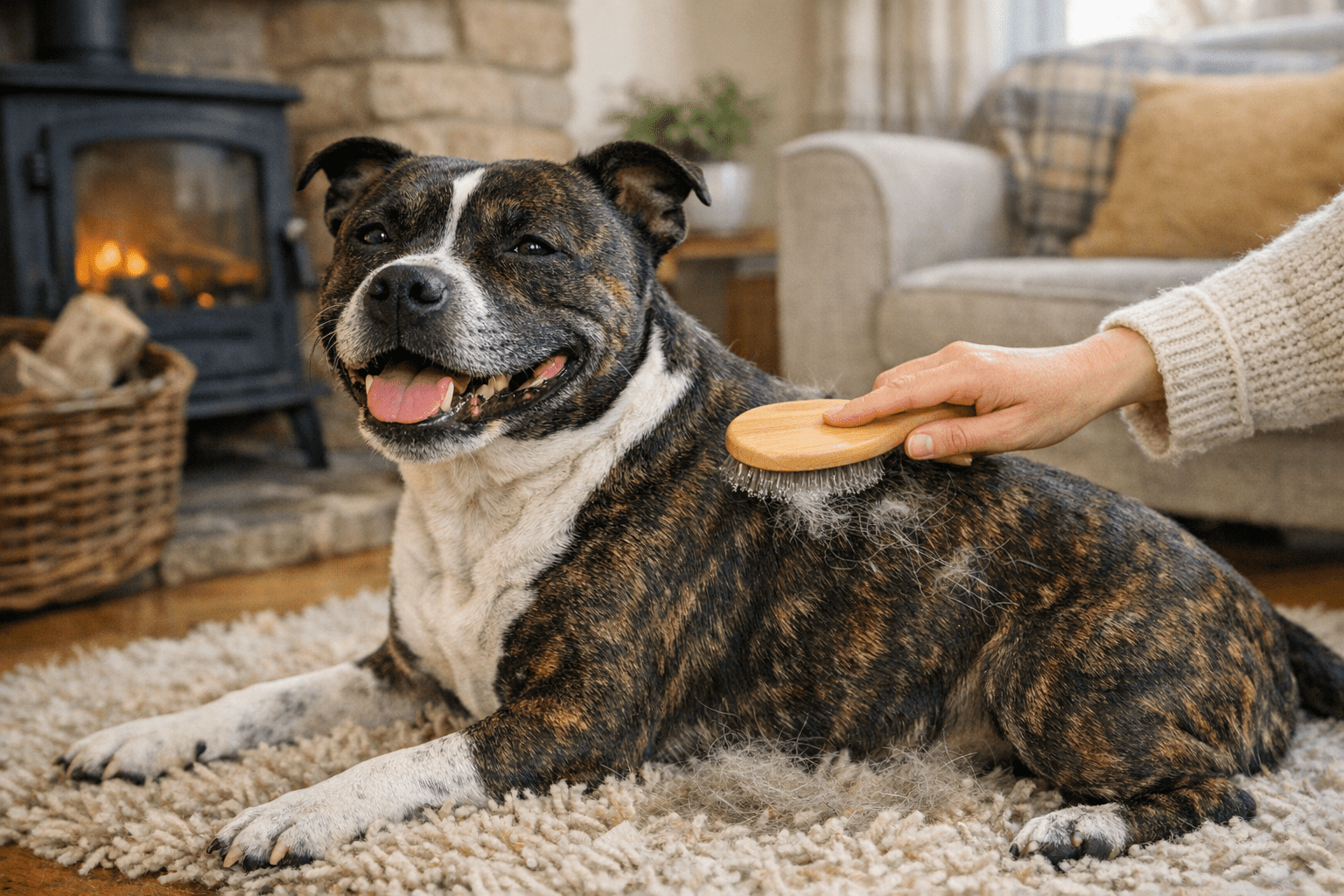
Cockapoos need regular brushing to prevent matting. But brushing inside releases dander into the air. Brush your dog outside whenever possible. If that’s not practical (hello, winter), do it in a room you can leave for a few hours afterward.
Bathe Your Cockapoo Regularly
Bathing removes dander and saliva from your dog’s coat. Aim for every 2–4 weeks. Use a gentle, hypoallergenic shampoo — nothing harsh that might irritate your dog’s skin (which would increase dander production).
Invest in a HEPA Vacuum
I cannot emphasize this enough. A regular vacuum just blows allergens back into the air. A HEPA vacuum traps them. Vacuum carpets, furniture, and dog beds at least twice a week.
Wash Dog Bedding Weekly
Your Cockapoo’s bed is a dander farm. Wash it in hot water weekly. If possible, use allergen-proof covers for pillows and mattresses in your bedroom.
Create “No Dog” Zones
Designate your bedroom as a dog-free zone. This gives your sinuses a break at night. I know it’s hard — those puppy eyes are powerful — but it makes a huge difference.
Use Air Purifiers
Place HEPA air purifiers in the rooms you spend the most time in. They’ll capture airborne dander and keep your air cleaner.
The Cockapoos hypoallergenic truth is that managing allergies is an ongoing commitment. But for most people, these steps make a huge difference. I went from waking up congested every day to hardly noticing my dog is there — allergy-wise, anyway. She still snores like a chainsaw, but I can’t blame allergens for that. 😂
Cockapoo Coat Types: Which One Suits Allergy Sufferers Best?
Not all Cockapoo coats are created equal, and the Cockapoos hypoallergenic truth is that coat type matters enormously. Let’s break down the three main coat types:
Curly Coat (Poodle-Like)
- Shedding: Minimal to none
- Dander: Stays on the coat
- Best for: Allergy sufferers looking for low-shedding
- Grooming: High maintenance — needs regular brushing and professional grooming
Wavy Coat (The “Teddy Bear” Look)
- Shedding: Low to moderate
- Dander: Some dander escapes
- Best for: Mild allergy sufferers who can tolerate some shedding
- Grooming: Moderate — brush weekly, groom every 6–8 weeks
Straight Coat (Cocker Spaniel-Like)
- Shedding: Moderate to high
- Dander: Escapes into the environment
- Best for: People with no allergies
- Grooming: Low — occasional brushing
When choosing a Cockapoo puppy, ask the breeder about the parents’ coats. If both parents have curly coats, there’s a higher chance your puppy will too. But remember — genetics are messy. My friend’s Cockapoo had tight curls as a puppy but grew into a wavy, shedding adult.
The Cockapoos hypoallergenic truth is that even breeders can’t predict exactly how a puppy’s coat will develop. The best approach is to spend time with the adult dogs in the breeding program. If they shed, your puppy might too.
Common Misconceptions About Hypoallergenic Dogs
Let me clear up some myths that drive me absolutely bonkers. I hear these from well-meaning friends, breeders, and even other dog owners:
Myth 1: “Hypoallergenic means no allergies at all”
This is the biggest lie in the dog world. “Hypoallergenic” means less likely to cause allergies — not impossible to cause allergies. Even the most non-shedding Poodle produces dander and saliva.
Myth 2: “Cockapoos don’t shed at all”
Some Cockapoos don’t shed. Others shed like a Cocker Spaniel. The Cockapoos hypoallergenic truth is that shedding varies by individual dog.
Myth 3: “If you’re allergic, just get an F1B”
More Poodle genes doesn’t mean zero allergies. I know people who reacted to F1B Cockapoos because they’re allergic to saliva, not dander.
Myth 4: “Hypoallergenic dogs don’t need baths”
Actually, they might need more baths because their dander stays trapped in their coat instead of falling off.
Myth 5: “Buying from a reputable breeder guarantees a hypoallergenic dog”
No responsible breeder will guarantee hypoallergenic. Anyone who does is either misinformed or trying to make a sale.
The Cockapoos hypoallergenic truth is that honesty is the best policy — both from breeders and from yourself. If you’re allergic, accept that there are no guarantees. Go in with open eyes.
Frequently Asked Questions
Is there any breed that’s 100% hypoallergenic?
No, there isn’t. No dog breed is completely hypoallergenic. Some breeds produce fewer allergens, but all dogs produce dander, saliva, and other potential triggers. The term “hypoallergenic” simply means less likely to cause an allergic reaction.
Can I build immunity to dog allergies over time?
Some people do experience reduced symptoms with prolonged exposure, but this isn’t guaranteed. Your body might adapt to a specific dog’s allergens, but you could still react to other dogs. Allergy shots (immunotherapy) are a more reliable option for building immunity.
Which generation of Cockapoo is best for allergies?
F1B Cockapoos (75% Poodle, 25% Cocker Spaniel) are generally considered the best for allergy sufferers because they have more Poodle-like coats. However, even F1B puppies can vary, so spending time with the individual dog is essential.
How much does grooming a Cockapoo cost?
Professional grooming for a Cockapoo typically costs between 50and100 per session, depending on your location and the groomer’s experience. You’ll need grooming every 6–8 weeks. If you learn to groom at home, you’ll save money but invest more time.
Can medications help me tolerate a Cockapoo better?
Yes. Antihistamines, nasal sprays, and eye drops can help manage symptoms. Some people also benefit from air purifiers and allergen-proof bedding. For severe allergies, consider allergy shots (immunotherapy), which can reduce your sensitivity over time.
What if I can’t keep my Cockapoo due to allergies?
If you’ve tried everything and your allergies are unmanageable, rehoming might be the kindest option — for both you and the dog. Work with a reputable rescue or breeder to find a loving home. It’s heartbreaking, but sometimes it’s the right choice.
Conclusion
So here’s the Cockapoos hypoallergenic truth, straight from someone who’s lived it: Cockapoos can be a great choice for some allergy sufferers, but they’re not a miracle cure.
The key takeaways are simple:
- No dog is 100% hypoallergenic — including Cockapoos
- Genetics are unpredictable — your puppy might shed or might not
- Allergies vary — you might be fine with dander but react to saliva
- Test before you buy — spend time with the actual dog you’re considering
- Manage your environment — grooming, cleaning, and air purifiers help
- Be honest with yourself — don’t buy on impulse if you have allergies
I love my Cockapoo. She’s my shadow, my snuggle buddy, my walking partner. But I won’t pretend she’s hypoallergenic. She’s a dog — a wonderful, messy, dander-producing, slobbery, loving dog. And for me, that’s worth every sneeze.
If you’re considering a Cockapoo, go in with your eyes open. Do the work. Test your allergies. Visit multiple times. And if you decide to bring one home, commit to managing your environment. Your nose will thank you — and your new best friend will too. 🐾