Introduction 🐾
Remember the day I brought my Cockapoo puppy home? He fit in the palm of my hand, weighed less than a bag of sugar, and looked like a tiny teddy bear with oversized paws. Fast forward eight months, and that same little fluffball now takes up half the couch and thinks he’s a lapdog (spoiler alert: he is, and I love every second of it).
If you’re reading this, chances are you’re either bringing home a Cockapoo puppy soon or you’ve already got one that seems to be growing faster than you can keep up with. Trust me, I’ve been there – standing in my kitchen at 2 AM, frantically Googling “is my Cockapoo too small for his age?” while my puppy snoozed peacefully, completely unaware of my panic.
Here’s the thing about Cockapoos: they’re wonderfully unpredictable. That’s both the joy and the occasional headache of owning this amazing crossbreed. One day they’re tiny, the next they’re stealing your pillow. But don’t worry – I’ve got your back. This Cockapoo growth stages & size chart guide will walk you through everything you need to know, from those wobbly first weeks to the moment your pup reaches their full-grown glory.
Let’s dive in, shall we? 🐶
What Makes the Cockapoo So Special?
The Cockapoo isn’t just another designer dog that popped up because someone thought “let’s mix two cute breeds together.” These clever little guys have been winning hearts since the 1950s – way before the whole doodle craze took over. And honestly? There’s a good reason for their lasting popularity.
The Perfect Blend of Two Amazing Breeds
When you cross a Cocker Spaniel with a Poodle, you get the best of both worlds. You’ve got the sweet, affectionate personality of the Cocker Spaniel (remember Lady from Lady and the Tramp? That’s the vibe) combined with the sharp intelligence of the Poodle. It’s like getting a cuddly genius who also happens to be pretty easy on the eyes.
What About Allergies?
One of the biggest selling points for Cockapoos is their low-shedding coats. Now, I need to be honest with you here – no dog is 100% hypoallergenic. But Cockapoos come pretty close. Their Poodle heritage gives them that wavy or curly coat that doesn’t shed nearly as much as other breeds. My own allergies have been perfectly fine with my Cockapoo, and I know plenty of other owners who’ve had the same experience.
The Size Mystery 🕵️
Here’s where things get interesting – and where our Cockapoo growth stages & size chart becomes your new best friend. Because Cockapoos can be bred from Toy, Miniature, or Standard Poodles, you never quite know what you’re going to get. Two puppies from the same litter can end up completely different sizes! It keeps things exciting, I’ll give them that.
Cockapoo Growth Stages & Size Chart: The Complete Breakdown
Alright, let’s get down to business. I’ve put together this Cockapoo growth stages & size chart based on my experience and what breeders and vets typically see. Remember though – these are averages. Your pup might be a little ahead or behind, and that’s usually totally fine.
| Age | Weight Range (lbs) | Height Range (inches) | What’s Happening |
|---|---|---|---|
| 8 weeks | 2 – 4 | 5 – 7 | Tiny, sleepy, mostly eat and play |
| 12 weeks | 4 – 7 | 7 – 9 | Starting to explore, getting bolder |
| 16 weeks | 6 – 10 | 8 – 11 | Puppy teeth falling out, chewing everything |
| 20 weeks | 8 – 12 | 9 – 12 | Adolescent phase beginning |
| 6 months | 10 – 15 | 10 – 13 | Growth spurt! Long legs everywhere |
| 9 months | 12 – 18 | 11 – 14 | Slowing down but still filling out |
| 12 months | 13 – 20 | 12 – 15 | Close to adult height, not done yet |
What This Chart Tells Us
When I first saw a Cockapoo growth stages & size chart like this one, I breathed a huge sigh of relief. Finally, something to reference instead of just guessing! But here’s what I learned the hard way: these numbers are guidelines, not gospel.
Some Cockapoos hit every milestone on the dot. Others take their sweet time. My friend adopted two Cockapoo siblings from the same litter, and one ended up at 15 pounds while the other hit 22 pounds. Same parents, same food, same everything – just different genes winning out.
How to Use This Chart Effectively
I recommend weighing your pup every two weeks during the first six months, then monthly after that. Use a regular bathroom scale – weigh yourself, then pick up your pup and subtract your weight. Easy peasy.
For height, measure from the floor to the top of their shoulder blades while they’re standing straight. Don’t try this when they’re bouncing off the walls after their evening zoomies (learned that one the hard way).
The 5 Key Development Stages Every Owner Needs to Know
Understanding your Cockapoo’s development stages helps you know what to expect – and trust me, knowing what’s coming makes life so much easier.
Stage 1: The Neonatal Period (0-2 Weeks)
This stage is pretty chill. Puppies sleep, eat, and need warmth. That’s about it. If you’re bringing home a puppy younger than 8 weeks, you shouldn’t be – reputable breeders keep pups with their moms until at least 8 weeks.
Stage 2: The Transitional Period (2-4 Weeks)
Things start getting interesting. Eyes open, ears start working, and those little legs begin to move. It’s adorable and messy all at once.
Stage 3: The Socialization Window (4-12 Weeks)
This is where the magic happens – and where you need to pay attention. During this stage, your Cockapoo is learning about the world. People, other dogs, new sounds, different surfaces – everything shapes how they’ll react as adults.
I cannot stress enough how important gentle, positive exposure is during this time. My biggest regret with my first Cockapoo was not socializing him enough with different types of people. He’s fine now, but he’s always been a bit nervous around men in hats. Weird, right?
Stage 4: The Juvenile Stage (3-6 Months)
Welcome to teething hell. Your Cockapoo will chew everything in sight, including your favorite shoes, the remote control, and possibly your sanity. Stock up on chew toys and hide your electronics.
Stage 5: The Adolescent Stage (6-12 Months)
Ah, the teenage years. Your Cockapoo will test boundaries, ignore commands they definitely know, and occasionally act like they’ve never met you before. Stay consistent with training, keep your sense of humor, and remember – this too shall pass.
Factors That Actually Affect Your Cockapoo’s Growth
Not all Cockapoos grow the same way, and understanding why can save you a lot of worry.
Genetics: The Biggest Factor
I mentioned this earlier, but it bears repeating. The size of the Poodle parent is the single biggest predictor of your Cockapoo’s adult size. Toy Poodle parent? Expect a smaller dog. Standard Poodle? You’re getting a bigger buddy.
But here’s the kicker – even knowing both parents’ sizes doesn’t guarantee anything. Genetics is a wild card, and sometimes the Cocker Spaniel genes dominate in unexpected ways.
Nutrition Matters More Than You Think
I used to think all puppy food was basically the same. Boy, was I wrong. Your Cockapoo needs the right balance of protein, fats, and nutrients to grow properly. Cheap food can lead to poor development and health issues down the road.
Look for food specifically formulated for small to medium breed puppies. Avoid anything with corn as the first ingredient – your pup deserves better than that.
Health Issues That Can Slow Growth
Parasites, chronic illnesses, and even undiagnosed allergies can impact your Cockapoo’s growth. If your puppy seems smaller or less energetic than expected, don’t just wait and hope – get them checked out.
I once had a scare when my Cockapoo wasn’t gaining weight like he should. Turned out he had a minor digestive issue that was easily fixed with a diet change. A quick vet visit saved me weeks of worry.
Environment and Exercise
Puppies raised in calm, stimulating environments tend to develop better than those in chaotic or neglected settings. Socialization isn’t just about behavior – it affects physical development too.
That said, don’t over-exercise a growing puppy. Too much running or jumping can damage developing joints. Stick to short, frequent play sessions rather than hour-long hikes.
Cockapoo Growth Stages & Size Chart: When Will They Stop Growing?
This is probably the question I get asked most often, and the answer might surprise you.
Full Height at One Year
Most Cockapoos reach their adult height around their first birthday. That’s when those long, awkward puppy legs finally look proportionate to the rest of their body.
But They Keep Filling Out
Here’s the part that catches a lot of owners off guard – your Cockapoo will continue to gain weight and muscle until about 18 months. Even after they stop growing taller, they’ll broaden out. Their chest gets deeper, their face loses that puppy roundness, and they start looking like a proper adult dog.
The Spay/Neuter Connection
I need to touch on something important here. When you spay or neuter your Cockapoo affects their growth. Early spay/neuter can delay the closure of growth plates, sometimes resulting in a slightly taller dog.
Talk to your vet about the best timing. There’s no one-size-fits-all answer, but waiting until your pup is closer to physical maturity (around 12 months for Cockapoos) is becoming more common.
Common Growth Concerns (And When to Actually Worry)
Let’s address the elephant – or should I say the puppy – in the room. When should you actually be concerned about your Cockapoo’s growth?
Is My Puppy Too Small?
If your Cockapoo is eating well, playing, and seems happy, they’re probably fine. Some pups are just naturally smaller than others. My neighbor’s Cockapoo barely hit 12 pounds as an adult, and she’s perfectly healthy.
Signs that warrant a vet visit:
- Your puppy isn’t gaining any weight for two weeks
- They seem lethargic or uninterested in food
- They have diarrhea or vomiting
- They look visibly emaciated (ribs showing, prominent spine)
Is My Puppy Too Big?
On the flip side, some Cockapoos are chunkier than others. If you can’t feel your puppy’s ribs easily, they might be overweight. Adjust their food portions and increase exercise.
Joint Problems During Growth Spurts
Larger Cockapoos, especially those from Standard Poodle parents, can develop joint issues during rapid growth phases. If your puppy starts limping or seems stiff after exercise, get them checked out. Early intervention makes a huge difference.
Feeding Your Growing Cockapoo: A Practical Guide
Getting nutrition right is crucial during the Cockapoo growth stages & size chart journey. Here’s what I’ve learned from experience.
Puppy Food vs Adult Food
Feed puppy food until your Cockapoo is about 12 months old. Puppy food has the right balance of nutrients for growing bones and muscles. Switching too early can cause developmental issues.
How Much to Feed
Follow the guidelines on your dog food bag, but adjust based on your puppy’s body condition. A general rule of thumb:
- 8-12 weeks: 3-4 small meals per day
- 3-6 months: 3 meals per day
- 6-12 months: 2 meals per day
Treats and Training
Treats are great for training, but they add up fast. Use low-calorie options or break treats into tiny pieces. My Cockapoo works for kibble just as enthusiastically as for expensive treats – saved me a fortune!
Training Your Cockapoo Through Each Growth Stage
Training needs change as your puppy grows. Here’s what to focus on at each stage.
Early Stage (8-16 Weeks)
Focus on potty training, crate training, and basic manners. Keep sessions short – 5 minutes max. Your puppy has the attention span of a gnat right now.
Juvenile Stage (3-6 Months)
This is prime time for obedience training. Sit, stay, come, down – nail these basics now. Your Cockapoo is smart and eager to please, so take advantage of it.
Adolescent Stage (6-12 Months)
Patience, my friend. Your Cockapoo will test every boundary you’ve set. Stay consistent, use positive reinforcement, and don’t give in to those puppy eyes. They’re manipulating you – I say that with love.
Grooming Needs Through the Growth Stages
Cockapoos have coats that require regular maintenance. Here’s what you need to know.
Puppy Coat vs Adult Coat
Your Cockapoo’s puppy coat is soft and fluffy. Around 6-9 months, they’ll start developing their adult coat, which is usually curlier and coarser.
Brushing Schedule
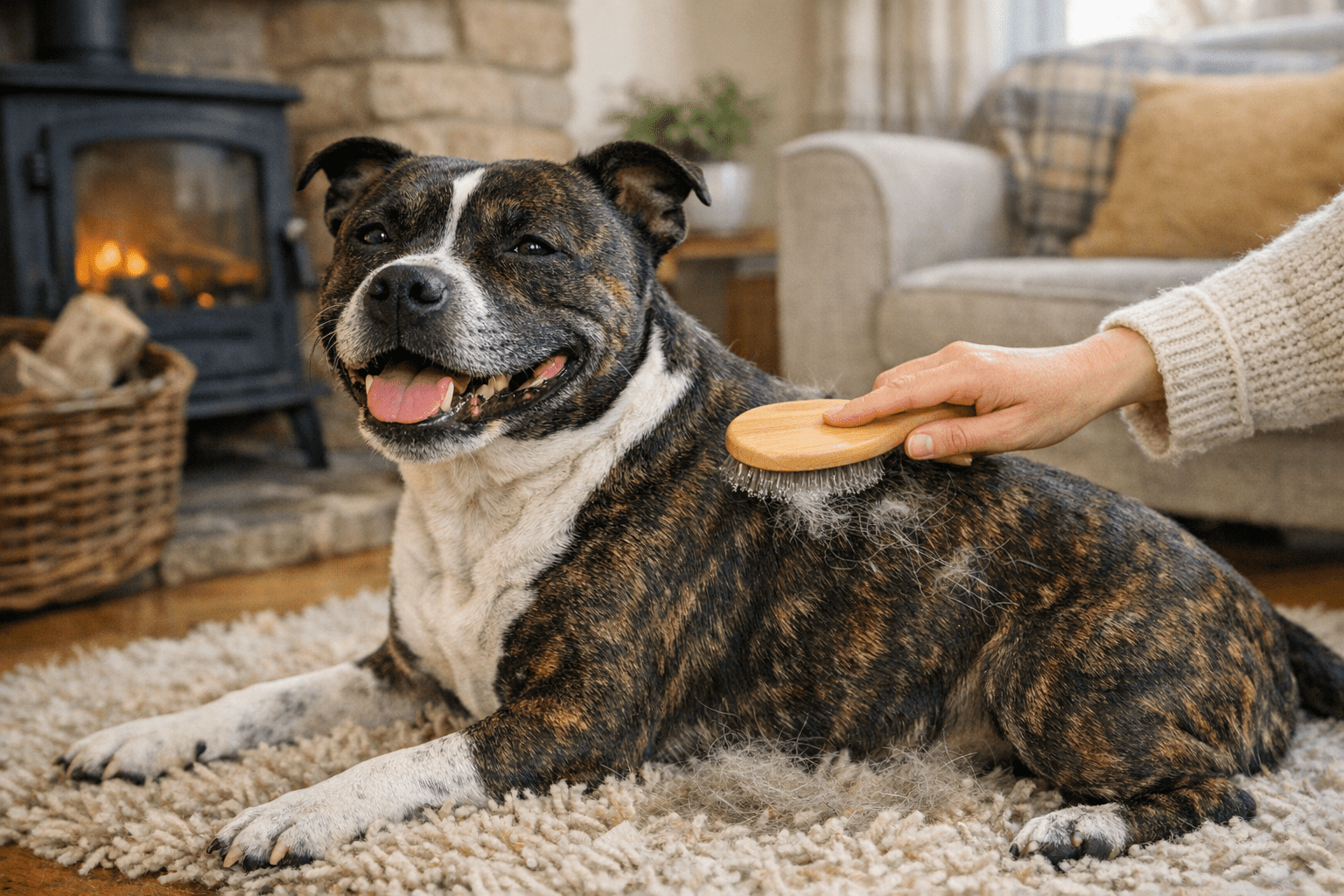
Brush your Cockapoo at least 3-4 times per week to prevent mats. Daily is better, especially if they have a curlier coat.
Professional Grooming
Plan on professional grooming every 6-8 weeks. Starting early helps your puppy get used to the process. My Cockapoo still gives me side-eye when I mention “groomer,” but he tolerates it.
Exercise Needs at Different Growth Stages
Exercise is important, but too much can harm developing joints.
Puppy Exercise Guidelines
A good rule: 5 minutes of structured exercise per month of age, twice a day. So a 4-month-old gets 20 minutes of walking, twice daily.
Off-Leash Play
Let your puppy set the pace during off-leash play. They naturally stop when tired. Don’t force them to keep going.
Adult Exercise Needs
Adult Cockapoos need about 30-60 minutes of exercise daily. They love walks, fetch, and mental stimulation games. A tired Cockapoo is a well-behaved Cockapoo!
Health Checklist for Growing Cockapoos
Regular vet visits are non-negotiable. Here’s what to watch for.
Vaccination Schedule
Puppies need multiple rounds of vaccines starting at 6-8 weeks. Keep a record and don’t miss boosters.
Common Health Issues
Cockapoos can be prone to:
- Ear infections (those floppy ears!)
- Eye problems (cataracts, progressive retinal atrophy)
- Hip dysplasia (especially in larger Cockapoos)
- Allergies (skin issues, food sensitivities)
When to Call the Vet
Trust your gut. If something seems off, get it checked. I’ve learned that catching problems early saves money and heartache.
Frequently Asked Questions
Will my Cockapoo’s size affect their personality?
Not really. Whether your Cockapoo ends up at 12 pounds or 25 pounds, they’ll likely have the same friendly, playful personality. Size doesn’t determine temperament in this breed.
Can I predict my Cockapoo’s adult size?
You can make an educated guess based on the parents’ sizes, but there are no guarantees. The Cockapoo growth stages & size chart gives you averages, not promises.
At what age do Cockapoos calm down?
Most Cockapoos start settling down around 2-3 years old. Some stay energetic longer. My 4-year-old still has puppy moments, but he’s much more chill than he was at 1.
How much should my Cockapoo weigh at 6 months?
A 6-month-old Cockapoo typically weighs between 10-15 pounds, depending on their parentage. Check the Cockapoo growth stages & size chart for more specific ranges.
Do Cockapoos grow after 12 months?
They’ll reach their full height by 12 months but continue filling out and gaining muscle until about 18 months. Don’t be surprised if they look a bit different at 2 years old.
Is my Cockapoo overweight?
You should be able to feel your Cockapoo’s ribs without pressing hard. If you can’t, they might need to shed a few pounds. Consult your vet for personalized advice.
Conclusion: Enjoy the Journey
Watching your Cockapoo grow from a tiny, wobbly puppy into a confident adult dog is one of the most rewarding experiences. Sure, there are challenges – the chewed shoes, the sleepless nights, the teenage rebellion phase – but it’s all worth it.
Use this Cockapoo growth stages & size chart as your guide, but don’t obsess over every pound and inch. Your pup is unique, and their growth journey will be too. Trust your vet, trust your instincts, and most importantly, enjoy every moment.
Before you know it, that puppy who fit in your hand will be sprawled across your entire bed, snoring like a freight train, and you’ll wonder how you ever lived without them. 🐾