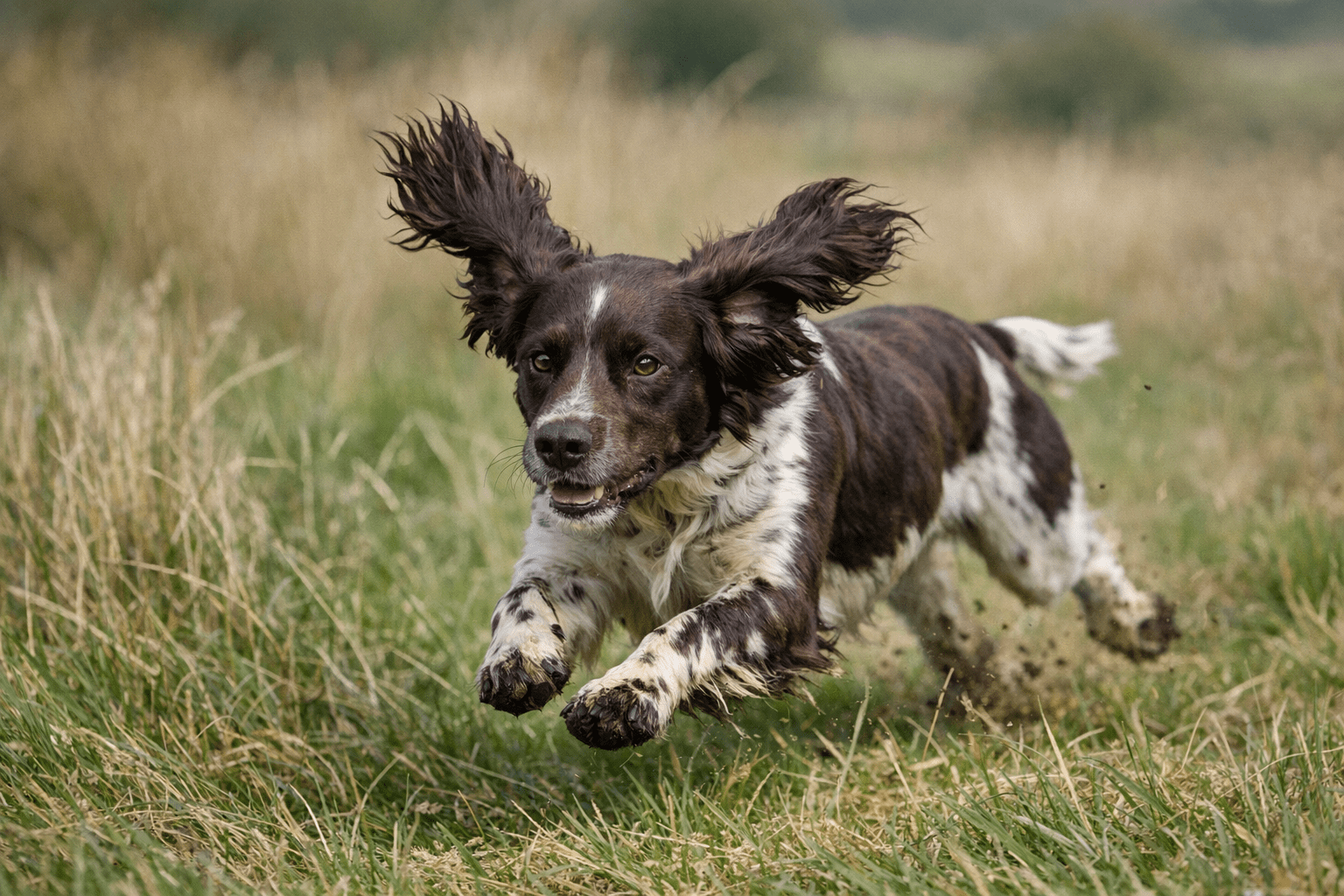
When I first heard about Cockapoo rage syndrome, I honestly thought it sounded like something dramatic from a movie 😅. In simple terms, it’s a rare condition where a dog suddenly becomes aggressive without any clear reason. One minute my dog could be cuddling, and the next—boom—unexpected snapping.
What makes it confusing is that it’s not the usual sudden aggression in dogs or unprovoked dog behavior we often hear about. There’s no obvious trigger like food, toys, or fear. It can happen out of nowhere, which makes it scary for owners like me.
But here’s the thing—many cases aren’t actually rage syndrome at all. They’re often linked to canine behavior issues like anxiety or poor training. So, before panicking, I remind myself that true cases are very rare.
🧠 2. Causes of Rage Syndrome in Cockapoos
When I started digging deeper, I realised there isn’t one single cause—it’s more like a puzzle 🧩. Experts often talk about genetic predisposition in dogs, especially because Cocker Spaniels are linked to this condition.
Related Posts

Some believe it’s neurological. That made me think about canine neurological disorders, where the brain might misfire, almost like a mini seizure. Scary, right?
Then there’s the environment. If a dog grows up without proper training, it can develop dog anxiety triggers or stress-related reactions. I’ve seen dogs react badly just because they felt overwhelmed.
Also, I can’t ignore medical issues. Things like thyroid imbalance in dogs or hidden pain can completely change behavior. So, whenever I see odd aggression, I always consider health first.
⚠️ 3. Cockapoo Rage Syndrome Symptoms
Recognising the signs early is something I take seriously 🧐. The symptoms are quite different from normal aggression.
For example, I might notice dog aggression signs like sudden biting without warning. There’s no growl, no signal—just instant reaction. That’s what makes it unusual.
Another thing I’ve read about is the “look.” Dogs may show glassy eyes in dogs or seem spaced out, almost like they’re not fully present.
After the episode, the shift is just as strange. My dog could suddenly go back to being calm and loving, which fits with sudden mood changes in dogs.
It’s this unpredictability that worries me most. It’s not a pattern I can easily manage like normal behavior problems—it feels random.
🐶 4. Cockapoo Rage Syndrome Toward Other Dogs
I always watch how my dog behaves around others 🐕. Sometimes, aggression toward other dogs can look similar but isn’t always the same thing.
With dog to dog aggression, there are usually triggers—like toys, territory, or fear. But in suspected rage syndrome, attacks can happen mid-play with no warning.
I once saw a case where a dog went from wagging its tail to snapping instantly. That kind of unpredictable dog aggression is what raises concern.
Still, I remind myself that many dogs simply struggle with poor dog socialization. Not every fight means something serious.
Understanding the difference is key. If I can spot triggers, it’s probably not rage syndrome—just a behavior issue I can work on.
📊 5. How Common Is Cockapoo Rage Syndrome?
Honestly, when I asked how common this is, the answer was reassuring 😊—it’s extremely rare.
Most Cockapoos are gentle, friendly, and love cuddles. Reports of rare dog aggression disorders like this are very limited.
In fact, cases are much more common in pure breeds than in crosses like Cockapoos. Even then, many are later reclassified as misdiagnosed dog aggression.
From what I’ve seen, the chances are tiny. Most aggressive behaviors come from common dog behavior problems, not this condition.
So, while it’s important to be aware, I try not to jump to conclusions. Odds are, it’s something manageable and not this rare issue.
📅 6. Cockapoo Rage Syndrome Age of Onset
Timing can tell us a lot ⏰. Most cases seem to appear when dogs are young adults.
That usually falls between 6 months and 3 years, which overlaps with dog adolescence behavior. This is when dogs test boundaries (just like teenagers 😄).
Hormonal changes can also play a role, which links to puppy development stages. I’ve noticed dogs can act quite differently during this phase.
If aggression appears very early or much later in life, it’s more likely tied to age related dog behavior changes rather than rage syndrome.
So, whenever something feels off, I always think about age. It’s often a big clue in figuring things out.
🩺 7. Diagnosing Rage Syndrome in Cockapoos
Diagnosis isn’t simple—I wish it were! 😅 It usually involves ruling everything else out first.
When I suspect something serious, I’d start with a vet visit. They’ll check for medical causes of dog aggression like pain or illness.
Tests might include blood work for dog health screening tests, especially for thyroid issues or infections.
Sometimes, a specialist might look into canine neurological evaluation to rule out seizures or brain-related problems.
In the end, it’s a process of elimination. Only after everything else is ruled out can vets consider rage syndrome.
💊 8. Cockapoo Rage Syndrome Treatment Options
Treatment really depends on the cause 💊. That’s why getting the diagnosis right matters so much.
If it’s medical, vets may prescribe dog behavior medication like anti-seizure drugs or mood stabilisers.
For behavior, I’d work with a trainer on canine behavior therapy. This includes techniques to reduce triggers and improve responses.
I’ve found that structured dog training routines help a lot too. Dogs feel more secure when they know what to expect.
In some cases, managing the environment—like avoiding stress—can make a big difference. It’s not always a quick fix, but progress is possible.
🧑⚕️ 9. When to Seek Professional Help
I always say—don’t wait too long 🚨. If something feels wrong, it probably is.
Signs like repeated aggression or dangerous dog behavior should never be ignored. Safety comes first.
If I notice sudden dog biting incidents without warning, I’d contact a vet immediately.
A professional dog behaviorist can also help identify patterns and offer solutions I might miss.
The sooner I act, the better the chances of managing the issue. Waiting can make things worse—for both me and my dog.
🐾 10. Prevention and Responsible Ownership
Prevention is something I focus on daily 🐾. While I can’t control everything, I can do a lot to reduce risks.
Early puppy socialization tips are key. Exposing dogs to people, sounds, and environments builds confidence.
I also stick to positive reinforcement training, rewarding good behavior instead of punishing mistakes.
Keeping a routine supports dog emotional stability, which reduces stress and confusion.
A happy, well-trained dog is far less likely to show serious aggression. And while learning about Cockapoo rage syndrome can feel overwhelming, I remind myself that with care, awareness, and love, most dogs grow into safe and wonderful companions ❤️.