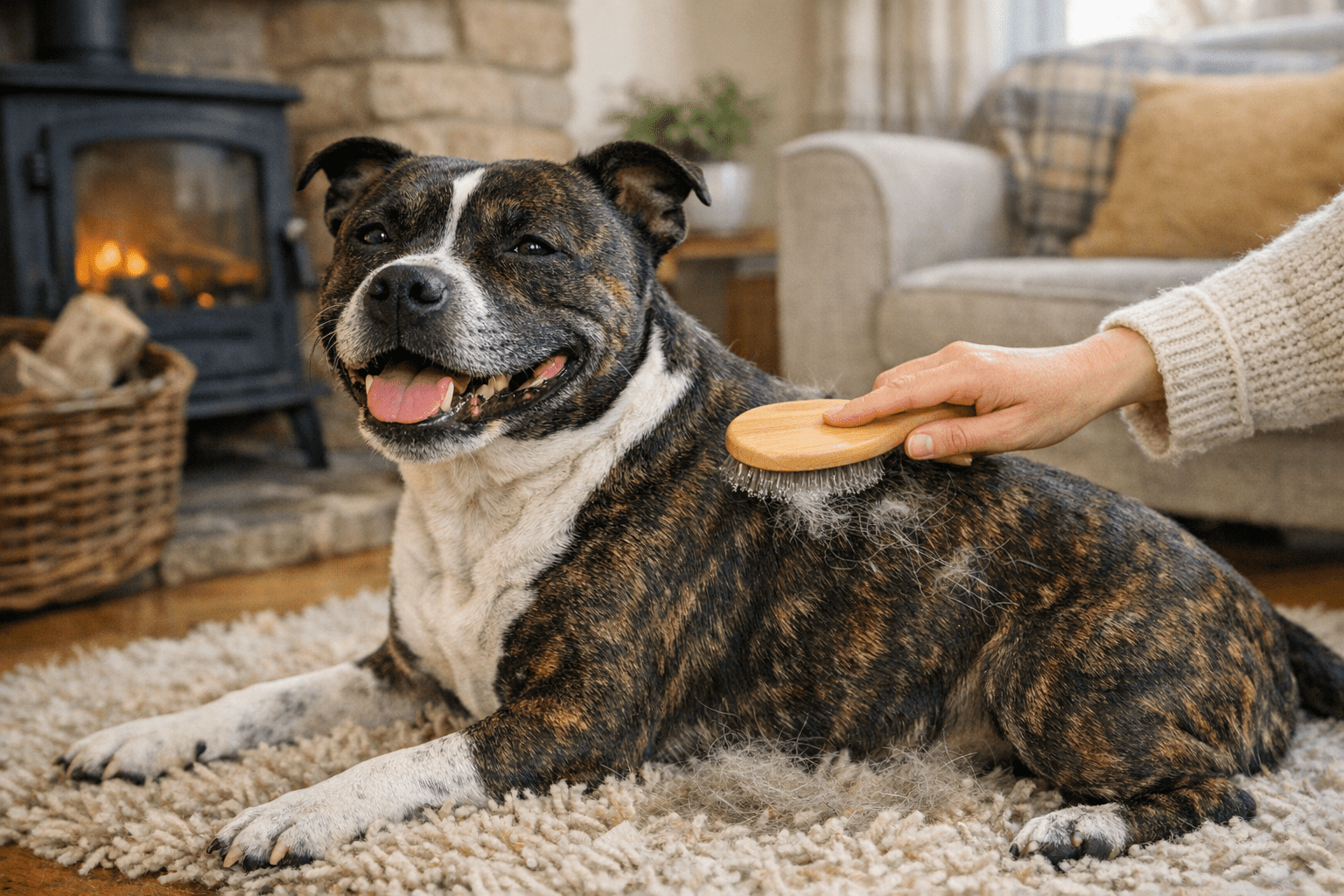
If you’ve ever watched a French Bulldog waddle across a park and thought, “Wait a minute — do French Bulldogs have a tail?” then you’re certainly not alone. It’s one of the most common questions I hear from new Frenchie owners and curious dog lovers alike. The answer is a resounding yes — French Bulldogs absolutely have tails! However, their tails are wonderfully unique, and understanding them is crucial for keeping your four-legged companion happy and healthy.
As someone who’s spent years around these charming, bat-eared bundles of joy, I can tell you that there’s far more to a French Bulldog’s tail than meets the eye. From tail types and wagging habits to health concerns like tail pocket infections, there’s a surprising amount to learn. In this comprehensive guide, I’ll walk you through everything you need to know about French Bulldog tails — so grab a cuppa, settle in, and let’s dive right into this tail-wagging topic! 🐶
Do French Bulldogs Have a Tail? — The Definitive Answer
Let’s get straight to the point: yes, every single French Bulldog is born with a tail. There’s a persistent myth floating around that Frenchies are born tailless or that breeders dock their tails shortly after birth, but neither is true. French Bulldogs are naturally born with short tails, and their tail length is entirely the result of genetics and selective breeding over many generations.
According to the French Bulldog Club of America and the American Kennel Club (AKC), the breed standard calls for a “straight or screwed” tail that is “short, hung low, with a thick root and fine tip.” In other words, those adorable little stubs are exactly how Mother Nature — with a helping hand from dedicated breeders — intended them to be.
If you’re comparing Frenchies to other breeds, it’s worth noting that their tails are significantly shorter than those of Labradors, Spaniels, or even Pugs. But short doesn’t mean absent. Think of it this way: your Frenchie has a tail the same way a cupcake has frosting — it’s there, it’s sweet, and it’s absolutely essential to the whole experience! 🧁
For UK owners, the Kennel Club breed standard aligns closely with the AKC’s description, specifying that the tail should be straight, never curly, and ideally no longer than the length of a finger’s breadth. So rest assured, your Frenchie’s tail is perfectly normal — and perfectly adorable.
Types of French Bulldog Tails: Straight vs Screw
Not all French Bulldog tails are created equal. In fact, there are two main tail types recognised in the breed standard, and each has its own distinct characteristics. Understanding which type your Frenchie has can help you provide better care.
Straight Tail The straight tail is the preferred type according to most breed standards, including the AKC. It extends outward from the body and typically points downward. It’s smooth, doesn’t have any kinks or curls, and sits low. Many breeders and show judges favour this tail type for its clean appearance and alignment with the breed standard.
Screw Tail (Screwed Tail) The screw tail has a visible curve or twist to it — think of a corkscrew, but much gentler. This tail type is also perfectly natural and accepted, though some breed standards note that it should not curl tightly over the back. Screw tails are quite common among Frenchies and are equally charming.
| Feature | Straight Tail | Screw Tail |
|---|---|---|
| Shape | Straight, pointing downward | Curved or twisted |
| AKC Preference | Preferred | Accepted |
| Common Health Issues | Fewer skin fold issues | May have deeper tail pocket |
| Cleaning Difficulty | Easy | Moderate |
| Typical Length | Very short | Slightly shorter |
Both tail types share common features: they’re thick at the root, taper to a finer tip, and are notably short. Neither type is better or worse in terms of your dog’s happiness — though if you’re planning to show your Frenchie, the straight tail may have a slight edge in competition. Either way, your pup’s tail is absolutely perfect. 😊
Why Are French Bulldog Tails So Short?
The story behind the French Bulldog’s short tail is genuinely fascinating. These charming dogs didn’t always sport their signature stubs. Centuries ago, their ancestors — a mix of English Bulldogs and smaller companion breeds — had longer, drooping tails much like many other breeds.
Through selective breeding over many generations, breeders gradually favoured shorter tails, which eventually became a defining characteristic of the breed. This wasn’t done for cosmetic reasons alone; shorter tails were also thought to reduce the risk of tail injuries in the small, compact dogs that were increasingly popular as urban companions.
Now, here’s a myth I want to squash once and for all: French Bulldogs were never fighting dogs, and their short tails have nothing to do with any supposed fighting history. This misconception appears on various websites, but it’s simply not accurate. French Bulldogs were bred primarily as companion animals, and their short tails are a result of aesthetic and practical breeding choices, not bloodsport.
In the UK, tail docking is actually illegal under the Animal Welfare Act 2006 (with very limited exceptions for certain working breeds). So if you see a French Bulldog with a short tail, rest assured — it’s completely natural. No docking, no cruelty, just good old-fashioned genetics doing their marvellous work. 🧬
Can French Bulldogs Wag Their Tails?
Here’s something that genuinely surprises many first-time Frenchie owners: yes, French Bulldogs can wag their tails! It’s just that their wags are a bit more… subtle. Where a Labrador might clear your coffee table with an enthusiastic tail sweep, a Frenchie’s wag is more of a gentle shimmy.
In fact, many French Bulldogs develop what I affectionately call the “wiggle butt” phenomenon. Because their tails are so short, the wagging motion often transfers to their entire backside, creating an adorable full-body wiggle that’s absolutely impossible to resist. If you’ve ever seen a Frenchie greet their owner after a long day, you’ll know exactly what I mean — it’s pure, unbridled joy expressed through their whole body. 🥰
Tail wagging in Frenchies communicates the same emotions as in other breeds:
- Happy/excited: Rapid, full-body wiggle
- Curious: Slow, tentative tail movement
- Nervous/anxious: Tail tucked slightly, minimal movement
- Relaxed: Tail in neutral position, gentle sway
Understanding your Frenchie’s body language, including their subtle tail movements, is key to building a strong bond. Pay attention to the wiggle — it tells you everything you need to know about how your furry friend is feeling!
The Tail Pocket: A Unique French Bulldog Feature
Now, here’s where things get particularly interesting — and where French Bulldog tail care becomes especially important. Many Frenchies develop what’s known as a tail pocket, which is a small fold or pocket of skin located just beneath the tail.
Not every French Bulldog develops a tail pocket, but a significant number do, typically between six and nine months of age. The pocket can range from barely noticeable to quite deep, and it requires regular attention to keep it clean and healthy.
Why does the tail pocket matter? The tail pocket is a warm, moist area — essentially the perfect breeding ground for bacteria and yeast. Without proper cleaning, it can become infected, leading to discomfort, redness, swelling, and a rather unpleasant smell. Trust me, if you’ve ever dealt with a tail pocket infection, you’ll never skip cleaning again! 😅
Signs of tail pocket problems:
- Redness or swelling around the tail area
- Your Frenchie frequently scooting or licking the area
- An unpleasant odour coming from beneath the tail
- Discharge or crusty skin in the pocket
- Visible discomfort when you touch the area
If you notice any of these symptoms, it’s important to see your vet promptly. Early treatment usually involves medicated wipes or creams, and most infections clear up quickly when caught early.
How to Care for Your French Bulldog’s Tail
Proper Frenchie tail care isn’t complicated, but it does require consistency. Here’s my tried-and-true routine for keeping your French Bulldog’s tail — and tail pocket — in tip-top condition.
Daily Checks Make it a habit to inspect your Frenchie’s tail area during your daily grooming routine. A quick visual check takes seconds and can help you catch potential problems before they escalate.
Regular Cleaning At least two to three times per week (daily if your Frenchie has a deep tail pocket), gently clean the area beneath and around the tail using:
- Unscented, dog-safe baby wipes
- Veterinarian-approved antiseptic wipes
- A soft, damp cloth with a mild, dog-friendly cleanser
Thorough Drying After cleaning or bathing, always dry the tail area thoroughly. Moisture trapped in the tail pocket is the number one cause of infections. Pat gently with a clean towel — never rub, as the skin in this area is quite sensitive.
Bathing Routine Bathing your Frenchie every four to six weeks with a gentle, hypoallergenic dog shampoo helps maintain overall skin health. Pay special attention to the tail area during bath time, and consider using a medicated shampoo if your vet recommends it.
What to Avoid:
- ❌ Human wipes or products with harsh chemicals
- ❌ Scented products near the tail pocket
- ❌ Neglecting the area because “it looks fine”
- ❌ Using cotton buds, which can cause irritation
A little preventive care goes a very long way. Your Frenchie may not thank you during cleaning time, but their tail will be healthier and happier for it! 🛁
Common French Bulldog Tail Health Issues
Beyond tail pocket infections, there are several other health concerns related to French Bulldog tails that every owner should be aware of. Being informed means you can act quickly and keep your Frenchie comfortable.
Tail Pocket Infections As we’ve discussed, these are the most common tail-related issue. They occur when bacteria or yeast build up in the skin fold beneath the tail. Regular cleaning is the best prevention, and most cases respond well to topical treatments prescribed by your vet.
Skin Allergies French Bulldogs are prone to skin allergies in general, and the tail area is no exception. Environmental allergens, food sensitivities, and contact irritants can all cause redness, itching, and discomfort around the tail. If your Frenchie is constantly licking or biting at their tail, allergy testing may be worthwhile.
Tail Deformities Occasionally, a French Bulldog may be born with a tail deformity such as a kinked or excessively twisted tail. While most deformities are purely cosmetic and don’t cause pain, severe cases can sometimes lead to spinal issues. Your vet can assess whether any intervention is needed.
Anal Gland Issues The area around the tail also houses your Frenchie’s anal glands. Impacted or infected anal glands can cause scooting, swelling, and discomfort that might initially appear to be a tail problem. Regular vet check-ups can help catch these issues early.
| Health Issue | Symptoms | Prevention |
|---|---|---|
| Tail Pocket Infection | Redness, swelling, odour | Regular cleaning, drying |
| Skin Allergies | Itching, licking, redness | Diet management, allergy testing |
| Tail Deformities | Visible kinks, pain | Veterinary assessment |
| Anal Gland Problems | Scooting, swelling | Regular vet check-ups |
French Bulldog Tail vs Other Breeds
One thing I find endlessly fascinating is how much tail variation exists across dog breeds. Putting the French Bulldog’s tail in context really highlights just how unique these little dogs are.
| Breed | Tail Type | Average Length | Wagging Ability |
|---|---|---|---|
| French Bulldog | Short, straight/screw | 2–5 cm | Subtle wiggle |
| Pug | Curled tight over back | Short | Moderate |
| English Bulldog | Short, straight/screw | 2–5 cm | Gentle sway |
| Labrador Retriever | Long, otter-like | 30–40 cm | Extremely vigorous |
| Corgi | Long, low-set | 25–30 cm | Enthusiastic |
| Boston Terrier | Short, straight | 5–10 cm | Moderate |
As you can see, Frenchies share their tail characteristics with their English Bulldog cousins, while Pugs take a different approach with their tightly curled tails. Each breed’s tail reflects its unique history and breeding purpose.
Pros and Cons of the French Bulldog’s Short Tail
Like everything in life, there are advantages and disadvantages to having a short tail. Here’s an honest breakdown:
Pros:
- ✅ Less likely to knock items off tables and shelves
- ✅ Reduced risk of “happy tail” injuries (a common problem in long-tailed breeds)
- ✅ Adorable wiggle-butt greeting behaviour
- ✅ No need for tail-specific grooming (like detangling long fur)
- ✅ Distinctive breed characteristic that’s instantly recognisable
Cons:
- ❌ Potential for tail pocket infections requiring regular cleaning
- ❌ Subtler tail wagging can make body language harder to read
- ❌ Some tail deformities may lead to spinal concerns
- ❌ The tail area requires specific, regular attention
- ❌ Not all vets are experienced with Frenchie-specific tail issues
Overall, the pros far outweigh the cons — especially when you stay on top of regular tail care. A few minutes of cleaning each week is a small price to pay for the endless joy these wonderful dogs bring into our lives. 💕
Frequently Asked Questions
Do French Bulldogs have a tail from birth?
Yes, every French Bulldog is born with a tail. Their tails are naturally short due to genetics and selective breeding — they are never docked or surgically shortened. The short tail is a defining breed characteristic that has been refined over many generations of breeding.
How long is a French Bulldog’s tail typically?
A French Bulldog’s tail is usually between 2 and 5 centimetres in length. It’s thick at the root and tapers to a finer point. Some tails may be slightly longer or shorter, but they’re all notably short compared to most other dog breeds.
What is a French Bulldog tail pocket?
A tail pocket is a small fold of skin located just beneath the tail. Not all French Bulldogs develop one, but many do, usually between six and nine months of age. The pocket requires regular cleaning to prevent bacterial or yeast infections.
Can French Bulldogs wag their tails?
Absolutely! French Bulldogs can and do wag their tails, though the movement is much more subtle than in long-tailed breeds. Many Frenchies express excitement through a full-body “wiggle butt” movement that’s utterly charming to witness.
Are French Bulldog tail infections serious?
Tail pocket infections can become serious if left untreated, potentially leading to chronic skin problems and significant discomfort. However, when caught early and treated properly — usually with medicated wipes or creams — they typically resolve quickly. Regular cleaning is the best prevention.
Is tail docking legal in the UK for French Bulldogs?
Tail docking is illegal in the UK under the Animal Welfare Act 2006, with very limited exceptions for certain working breeds. French Bulldogs are not exempt, and their short tails are entirely natural. No ethical breeder would dock a French Bulldog’s tail.
How often should I clean my French Bulldog’s tail area?
Ideally, you should inspect your Frenchie’s tail area daily and clean it at least two to three times per week. If your dog has a deeper tail pocket, daily cleaning may be necessary. Always use dog-safe, unscented products and dry the area thoroughly afterwards.
Do all French Bulldogs have the same type of tail?
No, French Bulldogs can have either a straight tail or a screw (slightly curved) tail. Both types are natural and accepted by breed standards. The straight tail is generally preferred in show settings, but both types are equally healthy and normal.
Conclusion: Embrace Your Frenchie’s Fabulous Tail! 🐾
So, do French Bulldogs have a tail? You bet they do — and it’s one of the most endearing features of this already irresistible breed. Those short, sweet stubs are completely natural, endlessly charming, and a testament to the fascinating history of selective breeding that gave us one of the world’s most beloved companion dogs.
The key takeaways from this guide are straightforward: Frenchies are born with short tails in two types (straight and screw), they can absolutely wag them (hello, wiggle butt!), and they require specific care to prevent tail pocket infections. A few minutes of regular cleaning and inspection each week will keep your Frenchie’s tail healthy and happy for years to come.
If you’re a new Frenchie owner, don’t be intimidated by tail care — it quickly becomes second nature. And if you’re a seasoned Frenchie parent, I hope this guide has given you some fresh insights into your dog’s adorable behind. After all, understanding every part of your French Bulldog — tail included — is what makes the bond between you and your furry companion so incredibly special. Now go give that wiggle butt a gentle scratch from me! 😄🐶