Introduction
There’s something undeniably special about a German Shepherd. I remember the first time I met one properly — a magnificent creature named Rex who belonged to my neighbour. He wasn’t just a dog; he was a four-legged superhero with a wagging tail. That encounter sparked my lifelong fascination with this incredible breed, and over the years, I’ve learned that understanding German Shepherd dog characteristics is absolutely essential before bringing one into your home.
Let’s be honest — these dogs aren’t for everyone. They’re not the kind of pet you can just feed twice a day and pat on the head occasionally. German Shepherds demand time, energy, and a whole lot of patience. But if you get it right, they’ll repay you with loyalty that borders on the supernatural.
In this guide, I’ll walk you through everything you need to know about German Shepherd dog characteristics — from their razor-sharp intelligence to their surprising soft side. Whether you’re thinking about adopting one or you’ve already got a furry tornado in your living room, I’ve got you covered. Let’s dive in! 🐾
The Physical Characteristics That Make German Shepherds Stand Out
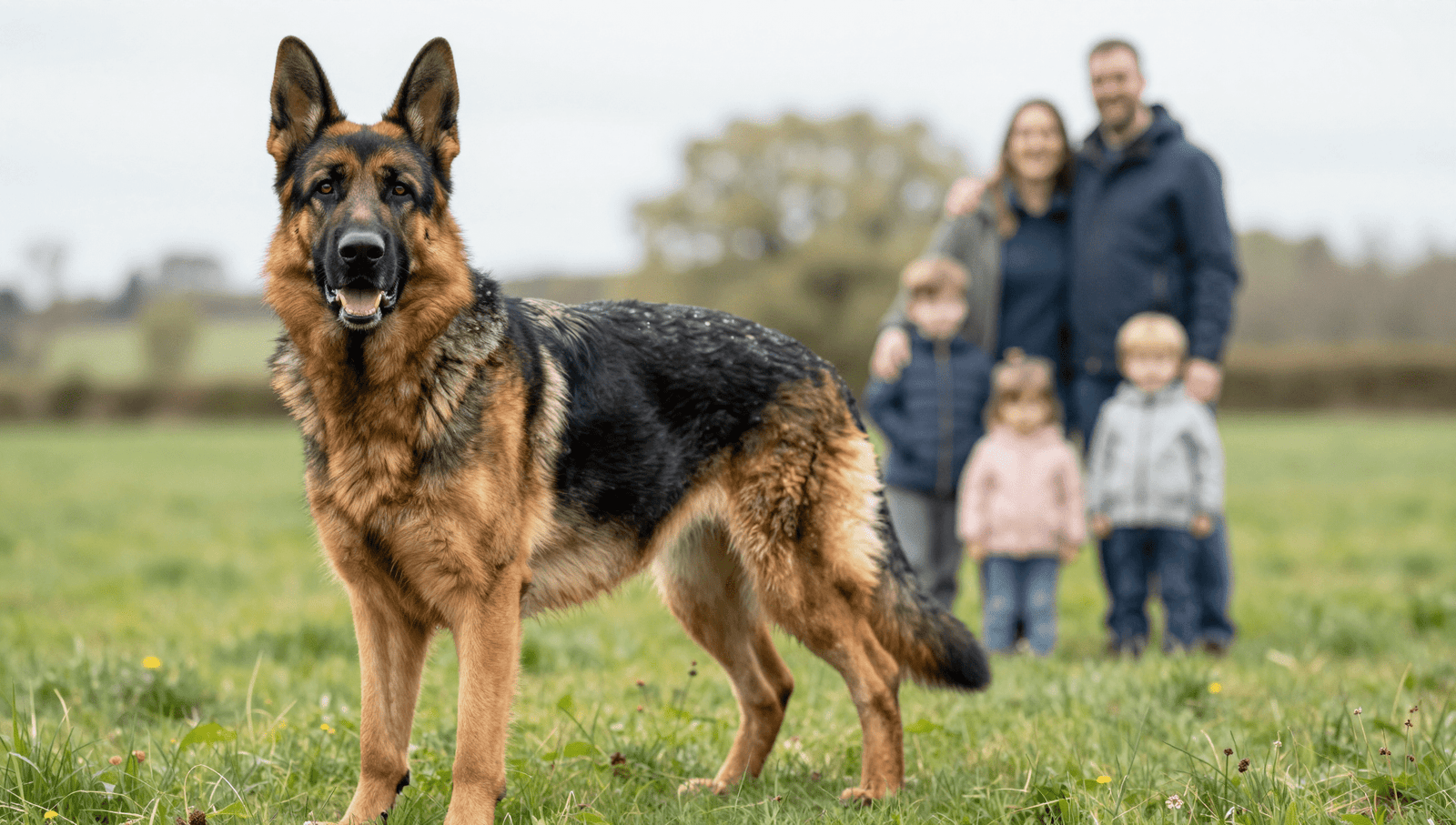
When people picture a German Shepherd, they usually imagine that iconic silhouette — those proud, pointed ears, that muscular build, and that confident stance. And honestly, they’re not wrong. The physical German Shepherd dog characteristics are some of the most recognisable in the canine world.
Size and Build
German Shepherds are large dogs, typically weighing between 22 and 40 kg. That’s roughly the weight of a small adult human, which explains why they can knock you over with enthusiasm if you’re not careful! They stand about 55 to 66 cm tall at the shoulder, making them solid, imposing animals.
Their bodies are built for action. These dogs have deep chests, strong hindquarters, and a long, sloping back that gives them that distinctive appearance. I’ve always thought they look like they’re ready for anything — a game of fetch, a long hike, or even chasing down a suspect if they’re working dogs.
Coat and Colours
One thing I absolutely love about German Shepherds is their stunning coat. It’s medium to long, dense, and weather-resistant — perfect for British weather, honestly. They come in a variety of colours, including:
- Black and tan (the classic look we all know)
- Sable (which looks like a wolf — incredibly striking)
- Red
- Blue
- Bi-colour
Now, here’s the thing you need to know: German Shepherds shed. A lot. And I mean a lot. If you’re someone who likes to wear dark clothes and stay lint-free, you might need to reconsider. I once had a friend who owned a cream-coloured sofa and a German Shepherd — within a week, her sofa looked like it had a furry second skin. 🐾
Ears and Expression
Those pointed ears aren’t just for show. They’re incredibly expressive, swivelling around to catch every sound. When your German Shepherd perks up their ears, you know they’re paying attention — and they’re always paying attention.
The Temperament: Loyal, Protective, and Surprisingly Goofy
Let me tell you about the personality side of German Shepherd dog characteristics. This is where things get really interesting.
Loyalty Beyond Measure
German Shepherds are famous for their loyalty. I’ve seen it firsthand — these dogs form bonds with their families that are almost unbreakable. They’ll follow you from room to room, they’ll check on you when you’re sad, and they’ll absolutely lose their minds with joy when you walk through the door after being gone for five minutes.
But here’s the catch: that loyalty comes with a protective instinct. German Shepherds are natural guard dogs. They were originally bred for herding and protecting sheep, and that instinct is still hardwired into them. They’ll be wary of strangers until they’ve had a proper introduction.
Intelligence That Can Outsmart You
German Shepherds are ranked third in canine intelligence (after Border Collies and Poodles). I’m not exaggerating when I say they can figure things out faster than some humans I know. They learn commands quickly, they anticipate your routines, and they can absolutely manipulate you for treats.
I’ve seen a German Shepherd learn to open cupboard doors. I’ve seen one pretend to be tired just to avoid going inside. They’re clever little rascals — and that’s part of why they’re so amazing.
The Goofy Side
Here’s something people don’t always expect: German Shepherds can be absolute clowns. They’ll zoom around the garden like maniacs, they’ll try to fit into laps despite being the size of a small horse, and they’ll make the most ridiculous noises when they’re excited.
One of my favourite German Shepherd dog characteristics is their sense of humour. They know when they’re being silly, and they love making you laugh.
Energy Levels: Why Your Couch Might Be in Danger
If you’re looking for a lap dog who’s happy with a ten-minute walk around the block, a German Shepherd is not your dog. The energy levels in this breed are genuinely impressive — and exhausting.
Exercise Requirements
Most adult German Shepherds need at least 90 minutes to two hours of high-intensity exercise every single day. That’s not just a gentle stroll — they need running, playing, and mental stimulation.
Here’s what a typical day might look like:
- Morning: 45-minute brisk walk or jog
- Afternoon: Off-lead playtime in a secure area
- Evening: Training session or interactive game
I always say: a tired German Shepherd is a happy German Shepherd. An exhausted German Shepherd? Even better.
Mental Stimulation Matters
Physical exercise alone won’t cut it. German Shepherds are working dogs, and they need jobs to do. Without mental stimulation, they’ll find their own entertainment — and trust me, you won’t like what they come up with.
Puzzle toys, training sessions, scent work, and agility courses are all excellent ways to keep their brains occupied. I’ve found that even fifteen minutes of focused training can be more tiring than an hour of running.
Training Your German Shepherd: Consistency is King
Training a German Shepherd is both incredibly rewarding and occasionally frustrating. These dogs are eager to please, but they’re also strong-willed individuals.
Start Early
Puppy training should begin the moment you bring your German Shepherd home. Socialisation is absolutely crucial — introducing them to different people, dogs, environments, and experiences during their critical development period (up to about 16 weeks) will set them up for success.
I cannot stress this enough: a poorly socialised German Shepherd can become anxious or aggressive. That protective instinct I mentioned earlier? Without proper socialisation, it can turn into reactivity.
Positive Reinforcement Works
German Shepherds respond brilliantly to positive reinforcement. Treats, praise, play — these dogs want to make you happy, so rewarding good behaviour is incredibly effective.
Avoid harsh training methods. These dogs are sensitive despite their tough exterior, and punishment-based training can damage your relationship with them.
Common Training Challenges
Even with the best approach, you might encounter some challenges:
- Pulling on the lead (they’re strong!)
- Jumping up (enthusiasm can be overwhelming)
- Guarding resources (food, toys, or even you)
- Barking (they have opinions and they share them)
Patience is your best friend here. And treats. Definitely treats.
Health and Lifespan: What Every Owner Should Know
The typical lifespan of a German Shepherd is nine to thirteen years. Like many purebred dogs, they’re prone to certain health conditions that you should be aware of.
Common Health Issues
Hip and Elbow Dysplasia This is probably the most well-known health concern in German Shepherds. Their hip and elbow joints can develop abnormally, leading to arthritis and mobility issues. Responsible breeders screen for this, so always ask for health certificates.
Back Problems Due to their sloping back, German Shepherds are prone to intervertebral disc disease (IVDD). This is a serious condition that can cause pain, weakness, or even paralysis.
Eye Conditions Cataracts and progressive retinal atrophy can affect German Shepherds. Regular vet check-ups are essential.
How to Keep Your German Shepherd Healthy
Prevention is better than cure. Here’s what I recommend:
- Feed a high-quality, balanced diet suitable for large breeds
- Maintain a healthy weight (extra pounds put strain on joints)
- Regular veterinary check-ups (at least annually)
- Joint supplements (speak to your vet)
- Don’t over-exercise puppies (their growing bones need care)
Grooming: Prepare for Fluff
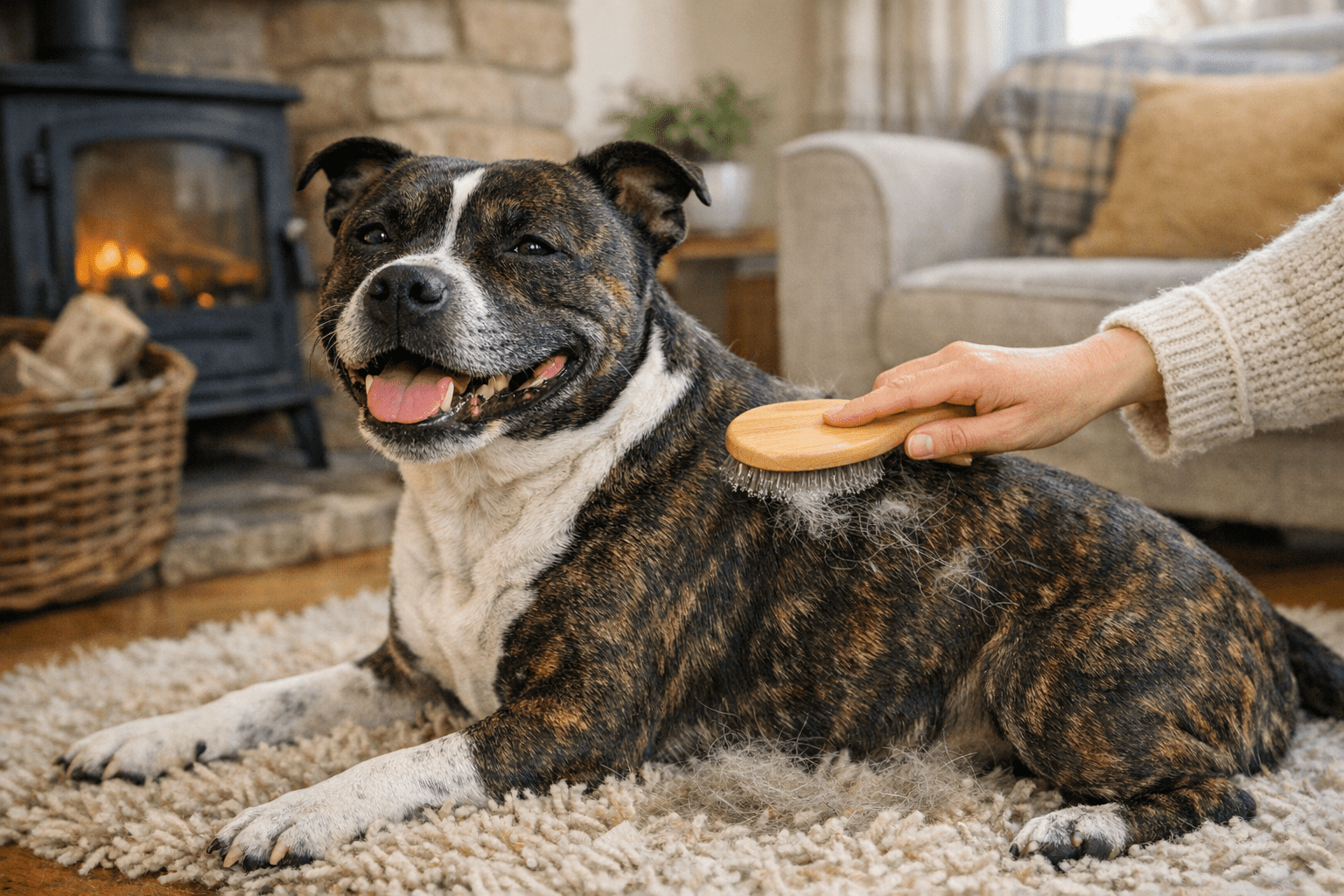
I’m not going to sugar-coat this: German Shepherds shed. A lot. They blow their coat twice a year (spring and autumn), and during those periods, you’ll be finding dog hair in places you didn’t even know existed.
Grooming Routine
- Brush every two to three days (daily during shedding season)
- Use an undercoat rake to remove loose fur
- Bathe only when necessary (over-washing strips natural oils)
- Check nails monthly and trim as needed
- Clean ears weekly to prevent infections
I’ve learned that investing in a good vacuum cleaner is not optional — it’s survival equipment.
Are German Shepherds Good Family Dogs?
This is probably the most common question I get asked, and the answer is: it depends.
The Good
German Shepherds can be absolutely wonderful family dogs. They’re protective of children, they’re patient (usually), and they’re incredibly devoted. They’ll play with kids, guard them, and snuggle with them.
The Challenges
- They’re large and energetic, which can be overwhelming for small children
- They need plenty of space (apartment living is difficult)
- They require experienced owners who can provide firm, consistent leadership
- They may not be suitable for homes with other pets (though early socialisation can help)
If you’ve got a busy household, plenty of space, and time to dedicate to training, a German Shepherd can be an outstanding family companion.
German Shepherd Dog Characteristics: The Complete Breakdown
Let me give you a straightforward summary of German Shepherd dog characteristics in an easy-to-reference table:
| Characteristic | Details |
|---|---|
| Size | Large (22–40 kg) |
| Lifespan | 9–13 years |
| Temperament | Loyal, intelligent, protective |
| Exercise Needs | High (90+ minutes daily) |
| Trainability | Excellent (but needs consistency) |
| Shedding | High (be prepared!) |
| Good with Kids | Yes, with proper supervision |
| Good with Other Pets | Possible with early socialisation |
| Suitable for First-Time Owners | Generally not recommended |
These German Shepherd dog characteristics make them best suited for experienced owners who have plenty of time and energy to devote to their canine companion.
Pros and Cons of Owning a German Shepherd
Let’s be balanced about this.
Pros 🌟
- Incredibly loyal and devoted
- Highly intelligent and trainable
- Excellent guard dogs
- Great for active lifestyles
- Wonderful family pets when properly trained
- Versatile (can excel in many activities)
Cons ⚠️
- Very high exercise requirements
- Heavy shedding
- Can be wary of strangers
- Prone to certain health issues
- Need experienced handling
- Can develop separation anxiety
- Not ideal for small homes or apartments
Frequently Asked Questions
How much exercise does a German Shepherd need daily?
Adult German Shepherds need at least 90 minutes to two hours of exercise every day. This should include both physical activity (walking, running, playing) and mental stimulation (training, puzzle toys, scent work). Without adequate exercise, they can become destructive or develop behavioural problems.
Are German Shepherds good with children?
Yes, German Shepherds can be excellent with children when properly trained and socialised from puppyhood. They’re protective and patient, but they’re also large and energetic, so supervision is essential, especially with younger children. Teach your children how to interact respectfully with the dog.
Do German Shepherds get along with other dogs?
German Shepherds can get along with other dogs, particularly if they’re socialised early and consistently. However, they can be dominant or same-sex aggressive, especially with unfamiliar dogs. Proper introductions and ongoing socialisation are crucial for multi-dog households.
How long do German Shepherds live?
The typical lifespan of a German Shepherd is nine to thirteen years. Providing a healthy diet, regular exercise, routine veterinary care, and a loving home can help them live a long, happy life. Some German Shepherds live even longer with excellent care.
Are German Shepherds easy to train?
German Shepherds are highly intelligent and eager to please, making them one of the easier breeds to train. However, they can be strong-willed, so consistency and positive reinforcement are essential. They excel in obedience training and enjoy learning new skills.
Do German Shepherds shed a lot?
Yes, German Shepherds shed heavily, especially during spring and autumn when they blow their coat. Regular brushing (every two to three days, or daily during shedding season) helps manage the loose hair. Invest in a good vacuum cleaner — trust me on this one!
Conclusion: Is a German Shepherd Right for You?
Understanding German Shepherd dog characteristics is the first step in deciding whether this magnificent breed is the right fit for your lifestyle. These dogs are intelligent, loyal, energetic, and protective — they’re also demanding, sheddy, and not for the faint of heart.
I’ve seen German Shepherds transform lives. I’ve watched them become devoted family members, incredible working partners, and four-legged best friends who would literally give their lives for their humans. But I’ve also seen them end up in rescue centres because their owners underestimated what they needed.
If you can provide the exercise, training, stimulation, and love that a German Shepherd requires, you’ll have a companion unlike any other. They’re not just pets — they’re partners. They’re not just dogs — they’re family.
So ask yourself honestly: do you have the time? The energy? The space? And most importantly, the commitment to be the leader this incredible breed deserves?
If the answer is yes, get ready for the most rewarding adventure of your life. 🐾
Got questions about German Shepherd care? Drop them in the comments below — I’d love to help!