Thinking about bringing home a Shollie dog breed? This German Shepherd Border Collie mix is brilliant, energetic, and absolutely not for the faint of heart. Here’s everything you need to know before saying yes to this incredible hybrid.
Introduction
I’ll never forget the day I met my first Shollie. I was at a local dog park, watching a stunning black-and-tan dog with piercing eyes absolutely dominate an agility course. The owner called her “Luna,” and it took me a full minute to realize she wasn’t a purebred anything. That dog was a German Shepherd Border Collie mix – a Shollie – and I was hooked.
If you’re researching the Shollie dog breed, you’re probably drawn to the idea of owning one of the smartest, most loyal, and most hardworking dogs on the planet. But here’s the thing: this crossbreed comes with a serious warning label. They’re not a casual pet. They’re a lifestyle.
In this guide, I’ll walk you through everything I’ve learned about the Shollie dog breed – from temperament and training to grooming and health. Whether you’re considering adoption or just curious, I’ve got you covered.
What Exactly Is a Shollie Dog Breed?
Let’s start with the basics. The Shollie dog breed is a deliberate cross between a German Shepherd and a Border Collie. These two parent breeds are widely considered the most intelligent dogs in the world, so you’re getting a double dose of brainpower.
But here’s where it gets interesting. The Shollie isn’t a purebred – it’s a designer hybrid. That means you won’t find official breed standards from the American Kennel Club (AKC). Instead, you’re looking at a mix that can vary quite a bit depending on which parent’s genes dominate.
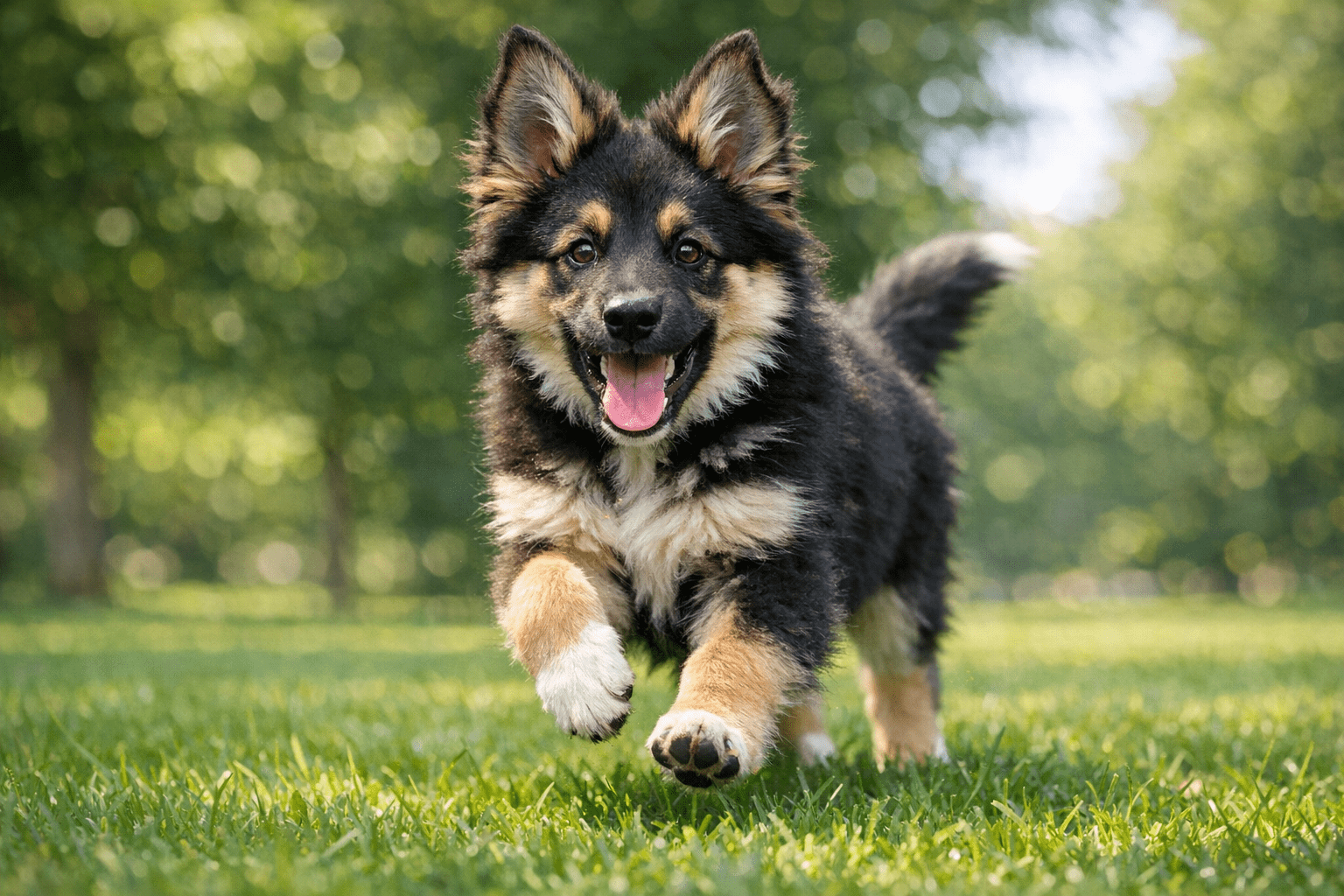
From my experience, most Shollies fall somewhere in the middle. They typically weigh between 45 and 75 pounds and stand about 21 to 24 inches tall. Their coats are dense and double-layered, usually featuring the classic black-and-tan German Shepherd coloring with white markings from the Border Collie side.
What really sets the Shollie apart is their energy level. These dogs are wired for action. I’ve met Shollies that could run for hours and still want more. If you’re looking for a couch potato, keep scrolling. But if you want a workout partner, a hiking buddy, and a dog that will make you smarter, the Shollie might be your perfect match.
Understanding the Shollie Temperament
Let me be brutally honest: the Shollie temperament is intense. These dogs have a brain that never shuts off. They’re constantly thinking, watching, and planning their next move.
The Border Collie side brings an obsessive work ethic and herding instincts. Meanwhile, the German Shepherd side adds loyalty, protectiveness, and a deep desire to please. Put them together, and you’ve got a dog that needs a job – and I mean needs it.
I remember talking to a Shollie owner who told me his dog learned to open doors within the first month. Another friend’s Shollie figured out how to unzip backpacks to steal treats. These dogs are escape artists, problem solvers, and occasionally little genius troublemakers.
On the plus side, Shollies are incredibly affectionate with their families. They bond deeply and want to be with you every moment. But that same intensity can lead to separation anxiety if you leave them alone too long.
The herding instinct is also strong. Don’t be surprised if your Shollie starts nipping at children’s heels or trying to circle family members. This isn’t aggression – it’s instinct. But you need to redirect it early through training and structured activities.
Shollie Exercise Requirements – Yes, It’s That Much
If there’s one thing I want every potential owner to understand, it’s this: the Shollie exercise needs are no joke.
A healthy adult Shollie requires at least 90 minutes to two hours of intense, focused exercise every single day. That’s not a leisurely walk around the block. I’m talking about running, hiking, playing fetch, swimming – activities that get that heart pumping and those legs moving.
But here’s the catch: physical exercise alone won’t cut it. These dogs have brilliant minds, and you need to tire out their brains too. I’ve seen owners who run their Shollies for miles only to come home to a bored dog that’s still full of energy. That’s when the trouble starts.
A bored Shollie will find their own entertainment, and trust me, you won’t like their choices. Chewed furniture, dug-up gardens, and shredded pillows are common complaints.
My recommendation? Mix it up. One day go for a long trail run. The next day focus on training games and puzzle toys. Use snuffle mats, treat-dispensing balls, and hide-and-seek games. The more you challenge their mind, the calmer they’ll be at home.
I always tell new owners: “A tired Shollie is a good Shollie – but a mentally tired Shollie is a perfect Shollie.”
Grooming the Shollie – Prepare for Fur Everywhere
Let’s talk about shedding. If you’re someone who likes a clean house, stop reading now. The Shollie grooming routine is no joke.
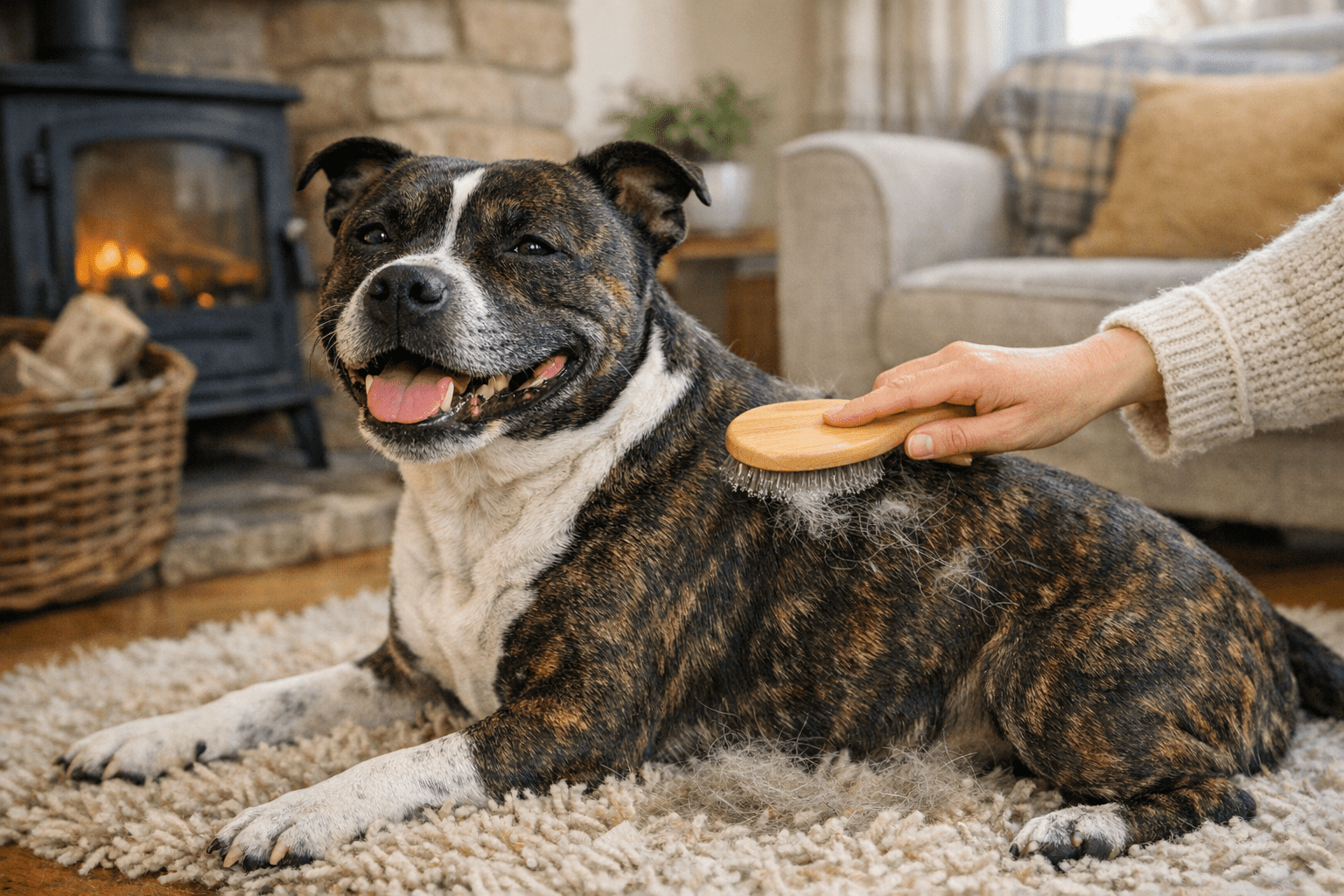
Both the German Shepherd and the Border Collie have thick double coats designed to handle harsh weather. Your Shollie will inherit that dense undercoat, and it sheds like crazy. I’m talking tumbleweeds of fur drifting across your floor every single day.
You’ll need to brush your Shollie at least three to four times a week. During seasonal shedding periods – usually spring and fall – you’ll need to brush daily. I recommend investing in a high-quality undercoat rake and a slicker brush.
Please, please, please never shave a Shollie. I’ve seen owners make this mistake, thinking it’ll help with shedding. Shaving a double-coated dog damages the guard hairs permanently, ruins their temperature regulation, and increases sunburn risk. It’s a disaster.
Instead, focus on regular brushing and occasional baths. Check those ears weekly for dirt or infection. Trim nails every few weeks. And don’t forget dental care – brushing those teeth can save you expensive vet bills later.
Training a Shollie – The Smartest Dog You’ll Ever Own
Training a Shollie is both a joy and a challenge. These dogs learn so fast that you’ll run out of things to teach them. But that speed comes with a price – they also learn bad habits just as quickly.
I always start with basic obedience: sit, stay, come, down, and heel. But don’t stop there. Shollies thrive on advanced training. Teach them tricks, puzzle games, and even dog sports. Agility, obedience trials, and herding tests are perfect outlets for their energy.
One thing I’ve learned the hard way: Shollies need consistency. If you let them jump on the couch just once, they’ll consider it a permanent invitation. Set clear rules and stick to them.
Positive reinforcement works best. Shollies are sensitive and eager to please, so harsh methods can backfire. Use treats, praise, and play as rewards. Keep training sessions short – 10 to 15 minutes – but do them multiple times a day.
And whatever you do, don’t rely on physical exercise alone to calm them. A tired body with a bored mind is a recipe for disaster. Use mental challenges like scent work, food puzzles, and hide-and-seek games.
Shollie Health Concerns – What to Watch For
The Shollie dog breed is generally healthy, but both parent breeds carry genetic predispositions you need to know about. Being proactive can save you heartache and money.
Hip and elbow dysplasia is the biggest concern. German Shepherds are notorious for hip issues, and Border Collies aren’t far behind. Keep your Shollie at a healthy weight, avoid excessive jumping or running on hard surfaces until they’re fully grown (around 18 months), and consider joint supplements as they age.
Collie Eye Anomaly (CEA) is another risk inherited from the Border Collie side. This is a genetic condition that affects the eyes. Responsible breeders screen for it, so always ask for health clearances.
Epilepsy appears in German Shepherd lines. If you’re buying a puppy, ask about the parents’ medical history. Seizures can be managed with medication, but it’s good to know what you’re facing.
Other common issues include bloat (gastric dilation-volvulus), allergies, and progressive retinal atrophy (PRA). Regular vet checkups, a high-quality diet, and proper exercise can go a long way.
Pro tip: Pet insurance is worth considering for Shollies. These dogs are active and adventurous, which means they’re more prone to injuries. Having insurance can save you thousands in emergency vet bills.
Shollie Diet and Nutrition
Feeding a high-energy dog like the Shollie requires careful planning. These dogs burn through calories like crazy, but they also need balanced nutrition to support their active lifestyle.
I recommend a high-quality kibble or fresh food diet with at least 25% protein and moderate fat content. Look for foods with real meat as the first ingredient – chicken, beef, lamb, or fish.
Portion control matters. It’s easy to overfeed an active dog, especially when they’re begging after a long run. Measure your Shollie’s food and adjust based on their activity level and body condition. You should be able to feel their ribs without seeing them.
Avoid giving too many treats. Yes, Shollies are treat-motivated, but empty calories add up. Use healthy options like carrots, green beans, apple slices, or freeze-dried liver.
And please, don’t feed your Shollie table scraps. Human food can cause digestive issues, obesity, and even pancreatitis. Stick to a consistent feeding schedule – two meals a day for adults, three for puppies.
Shollie Pros and Cons – The Honest Truth
Every dog breed has strengths and weaknesses. Here’s my honest breakdown of the Shollie experience:
Pros ✅
- Extremely intelligent – Training is fast and rewarding
- Loyal and protective – Natural guard dogs
- Great exercise partners – Perfect for active owners
- Highly trainable – Excel at advanced obedience and dog sports
- Affectionate with family – Velcro dogs that bond deeply
Cons ❌
- High energy – Needs 2+ hours of daily exercise
- Heavy shedding – Fur is a constant companion
- Can be destructive – Boredom leads to trouble
- Herding instincts – May nip at children or pets
- Separation anxiety – Doesn’t do well alone for long hours
- Not for beginners – Requires experienced owners
Is the Shollie Right for Your Family?
This is the million-dollar question. The Shollie dog breed can be an incredible family dog, but only under the right circumstances.
If you have an active lifestyle, plenty of time for training, and experience with intelligent dogs, the Shollie can be your best friend. They’re amazing with children when properly socialized, though supervision is needed around very young kids due to herding instincts.
But if you work long hours, live in a small apartment, or want a low-maintenance pet, this isn’t the dog for you. Shollies need space, exercise, and mental stimulation. Without it, they’ll drive you crazy.
I always tell potential owners: “Don’t get a Shollie because you want a dog. Get a Shollie because you want a partner in crime, a workout buddy, and a friend who will challenge you every single day.”
Frequently Asked Questions
How big do Shollies get?
Most Shollies weigh between 45 and 75 pounds and stand 21 to 24 inches tall at the shoulder. Males tend to be larger than females.
Are Shollies good with children?
Yes, when properly socialized. However, their herding instincts may cause them to nip at children’s heels. Always supervise interactions with young kids.
Do Shollies shed a lot?
Absolutely. The Shollie has a thick double coat that sheds year-round, with heavy shedding during seasonal changes. Daily brushing is recommended.
How long do Shollies live?
The average lifespan is 10 to 14 years. With proper care, diet, and regular vet checkups, some Shollies live even longer.
Are Shollies easy to train?
Yes and no. They learn commands quickly due to their high intelligence, but they also test boundaries. Consistent, positive reinforcement training is essential.
Can Shollies live in apartments?
It’s not recommended. Shollies need space to run and play. A house with a fenced yard is ideal.
Do Shollies get along with other dogs?
When properly socialized, yes. However, their herding instincts can lead to chasing behaviors. Early socialization is key.
Are Shollies aggressive?
No, Shollies are not naturally aggressive. However, lack of exercise and mental stimulation can lead to reactive or neurotic behaviors.
Conclusion
The Shollie dog breed – that German Shepherd Border Collie mix – is truly one of the most remarkable dogs I’ve ever encountered. They’re brilliant, loyal, and endlessly entertaining. But they’re also demanding, stubborn, and absolutely committed to keeping you on your toes.
If you’re ready for the challenge, the rewards are incredible. You’ll have a dog that understands your every word, pushes you to be more active, and loves you with every fiber of their being. But if you’re looking for an easy, low-maintenance pet, this isn’t the right choice.
Do your research. Talk to breeders and owners. Spend time with a Shollie before committing. And if you decide to bring one home, prepare for an adventure you’ll never forget.
Now, if you’ll excuse me, I have a Shollie staring at me with those intense eyes. Time for our daily run. 🐾