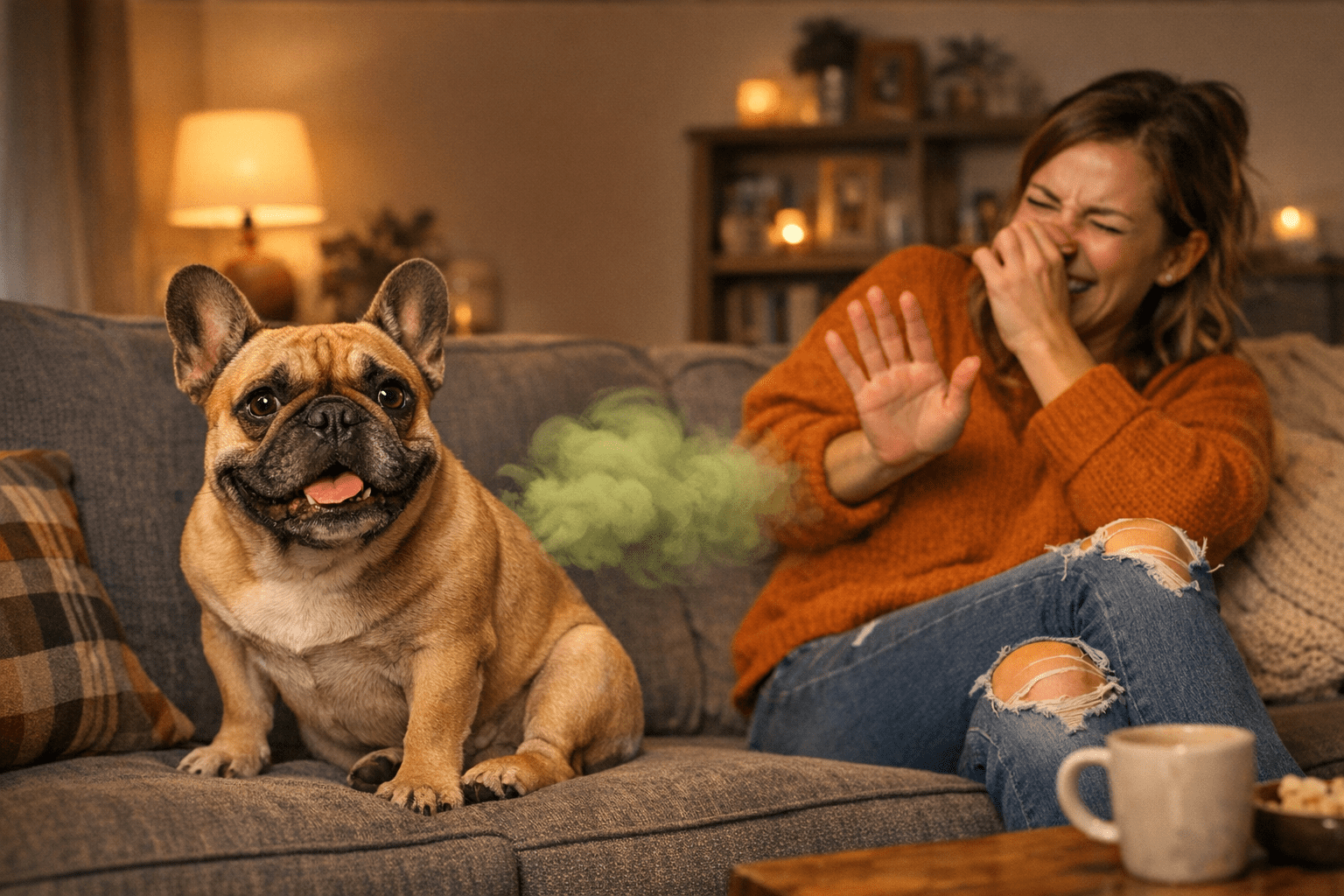
If you’ve ever been cuddled up on the sofa with your beloved Frenchie only to be violently assaulted by a smell that could peel paint off the walls, you aren’t alone. It is a universal truth among owners: Why French Bulldogs fart so much is one of life’s great mysteries, rivalled only by where odd socks go in the washing machine. 🧦
I remember the first time my own French Bulldog, let’s call him Sir Stinks-a-Lot, cleared the living room during a family movie night. It was silent, deadly, and frankly impressive for a dog weighing under 12 kilograms. While it’s easy to laugh it off (or gasp for fresh air), there is actually solid science behind this gassy phenomenon. It isn’t just your dog being rude; it’s a mix of biology, anatomy, and diet.
In this guide, we are going to dive deep into the bottom of this bottom-related issue. We will explore the structural reasons these adorable potatoes struggle with digestion, what you’re feeding them that might be making it worse, and most importantly, how to restore fresh air to your home. From their squashed faces to their sensitive stomachs, we are covering it all. So, light a candle, open a window, and let’s get into the nitty-gritty of French Bulldog flatulence.
The Anatomy of a Squashed Face
To understand the root cause, we have to look at the breed standard. French Bulldogs are what we call brachycephalic. It’s a big word that essentially means “short-headed.” While that squashed face is undeniably cute and gives them their unique character, it comes with a host of physiological challenges, particularly regarding air intake.
Because of their shorter airways and compressed skulls, Frenchies physically struggle to breathe as efficiently as a Labrador or a Collie. This difficulty means they often breathe through their mouths, especially when excited, exercising, or eating. The result? They swallow a tremendous amount of air—a condition known as aerophagia. This isn’t just a little puff; it’s a balloon’s worth of air entering their digestive tract.
Once that air hits the stomach and intestines, it has to go somewhere. It can come back up as a burp (charming, I know) or travel down the gastrointestinal tract to exit as flatulence. This anatomical quirk is the primary biological driver behind the gas. Even if you fed your Frenchie the world’s most perfect diet, they would still pass gas simply because of the air they ingest while panting. It’s a structural issue, meaning a certain level of “tooting” is completely unavoidable with the breed.
Gut Health and the Sensitive Stomach
Beyond the face, the French Bulldog is notorious for having a highly sensitive digestive system. These dogs often suffer from what I call “glass stomach”—it seems like almost anything can set it off. They are prone to allergies, intolerances, and general gastrointestinal upset, which directly impacts the amount of gas they produce.
When a dog’s gut isn’t happy, food ferments incorrectly. Instead of being broken down efficiently, nutrients sit in the intestines and produce hydrogen sulfide—that lovely rotten egg smell. Many Frenchies suffer from undiagnosed food sensitivities. Common culprits include grains like wheat and corn, but even proteins like chicken or beef can trigger a reaction in some dogs.
Furthermore, an imbalance in their gut microbiome—the community of bacteria living in their intestines—can lead to chronic flatulence. If the “bad” bacteria outweigh the “good,” digestion slows down, and gas production increases. This is why many owners find success with probiotics or foods designed for sensitive digestion. Keeping that gut flora balanced is crucial. If your Frenchie has loose stools alongside the gas, it’s a massive red flag that their tummy is in turmoil and needs dietary intervention.
Eating Habits: The Vacuum Cleaner Effect
Have you ever watched a French Bulldog eat? It’s less like eating and more like inhaling. Many Frenchies are incredibly fast eaters, treating their dinner bowl like a race they absolutely must win. This behaviour, often called “bolting,” is a huge contributor to the gas problem.
When a dog eats at breakneck speed, they aren’t just swallowing food; they are gulping down massive pockets of air with every mouthful. This air mixes with the food in the stomach, causing it to expand and bloat, eventually leading to significant flatulence. It’s a simple equation: More speed equals more air equals more stink.
To combat this, we need to slow them down. A standard bowl is essentially a buffet invitation for a greedy Frenchie. Instead, you should look into slow feeder bowls or puzzle feeders. These have ridges and bumps that force the dog to navigate around obstacles to get their kibble, physically preventing them from gobbling it down in seconds. Alternatively, you can scatter their food on a snuffle mat or even on a clean patch of grass in the garden. This not only reduces the air intake but also provides mental stimulation, tiring them out before they’ve even finished digesting.
Dietary Nightmares: What’s on the Menu?
You are what you eat, and in the French Bulldog’s case, they are often what they fart. Diet is arguably the most controllable factor in managing flatulence. Many commercial dog foods are packed with cheap fillers—corn, soy, wheat, and artificial additives—that are incredibly hard for a Frenchie to break down.
When these ingredients aren’t digested properly, they move to the large intestine where bacteria ferment them, creating excessive amounts of gas. High-fibre foods, while usually healthy, can also be a trigger if the fibre source is poor quality. Think of it like a human eating a tin of baked beans; the result is predictable. 🫘
Here is a quick look at common gas-inducing ingredients you might want to limit:
| Ingredient Type | Why It Causes Gas | Alternative |
|---|---|---|
| Soy & Corn | Cheap fillers, hard to digest | Sweet potato or pumpkin |
| Dairy (Cheese/Yoghurt) | Many dogs are lactose intolerant | Goat’s milk or dairy-free treats |
| Peas & Legumes | High fibre fermentation | Green beans (in moderation) |
| Fatty Scraps | Slows digestion significantly | Lean turkey or white fish |
Switching to a high-quality, grain-free or limited-ingredient diet often works wonders. Look for foods where a single source of animal protein is the first ingredient, and avoid anything with “meal” or “by-products” if your dog has a particularly sensitive tummy.
Are Human Foods and Treats the Villain?
Let’s be honest: we love spoiling our dogs. But those puppy-dog eyes looking up at you while you’re eating a cheese sandwich are a trap! 🧀 Feeding your Frenchie table scraps or inappropriate human foods is a fast track to Gas City.
Our food is seasoned, fatty, and often contains ingredients that are toxic or indigestible for dogs. Onions, garlic, rich gravies, and spicy leftovers can wreak havoc on a dog’s digestive system. Even “healthy” human foods can be problematic. Broccoli, cauliflower, and cabbage are notorious for causing gas in humans, and they do the exact same thing to dogs.
Even dog treats can be an issue. Cheap, processed treats filled with sugar and artificial colours can upset the stomach balance. I always recommend sticking to single-ingredient treats—dried liver, chicken breast, or sweet potato chews. If you are training your puppy, remember that these treats count towards their daily calorie intake. Overfeeding leads to obesity, which puts pressure on the abdomen and further complicates digestion and breathing.
Medical Red Flags: When to See the Vet
While most French Bulldog farts are harmless (if eye-watering), sometimes they signal a deeper medical problem. If the flatulence is accompanied by other symptoms, you need to book an appointment with your vet immediately.
Here are some warning signs that the gas might be more than just dietary:
- Persistent Diarrhea or Vomiting: This suggests the digestive system is rejecting food or fighting an infection.
- Lethargy: If your usually bouncy Frenchie is sleeping all day and ignoring their toys, something is wrong.
- Weight Loss: Unexplained weight loss alongside gas could indicate malabsorption issues or parasites.
- Excessive Licking: Dogs often lick the air or their lips when they have acid reflux or nausea.
- Bloated Tummy: If their stomach feels hard or looks distended, this is an emergency.
Conditions like Inflammatory Bowel Disease (IBD), intestinal worms, or even Pancreatitis can all manifest as excessive gas. Don’t just blame the breed; trust your instincts. If the “vibe” is off, a vet check is always the best course of action.
Practical Solutions to Stop the Stink
Okay, enough doom and gloom. What can we actually do about it? If you are tired of blaming the dog every time the room clears, here is a step-by-step action plan to help reduce that French Bulldog gas.
- Switch to a Slow Feeder: As mentioned, this is non-negotiable. Slowing down mealtime reduces aerophagia instantly.
- Add Digestive Supplements: A sprinkle of pumpkin puree (not pie filling!) is great for digestion. You can also add a high-quality probiotic supplement to their food to boost gut health.
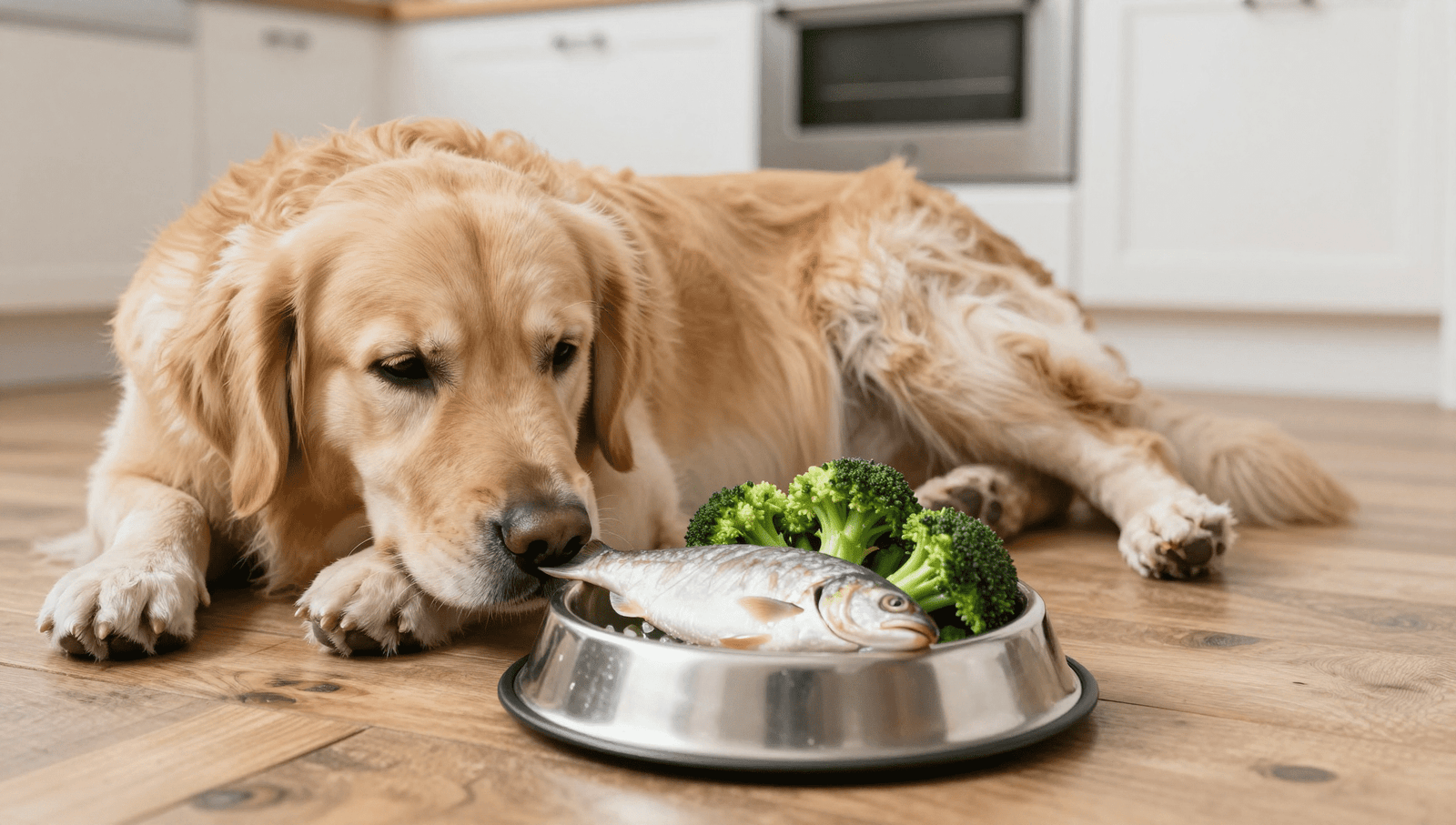
- Rule Out Allergies: Try an elimination diet. Feed them a simple protein (like fish) and a simple carb (like rice) for 8 weeks and see if the gas clears up.
- Smaller, More Frequent Meals: Instead of two big meals, try three or four smaller ones. This puts less strain on the digestive system at any one time.
- Daily Exercise: Movement keeps the bowels moving. A sedentary dog suffers from slower digestion, leading to more fermentation and gas. Get them out for walks!
It’s about management, not a total cure. You own a French Bulldog; you will always have some gas. But by following these steps, you can turn a “Code Red” situation into a minor “Code Yellow.”
Frequently Asked Questions
Why does my Frenchie fart when they get up? This is usually due to the change in body position helping to move trapped air through the intestines. When they stand up, they compress their abdomen slightly, which helps release the gas that built up while they were lying down. It’s perfectly normal physiology!
Is it normal for French Bulldogs to fart a lot? Yes, it is incredibly normal for the breed. Due to their brachycephalic skulls, they swallow a lot of air, and they are genetically prone to sensitive stomachs. A certain amount of daily gas is expected, but it shouldn’t smell like sulphur constantly.
Can I give my Frenchie yoghurt for gas? This is a double-edged sword. While yoghurt contains probiotics which are good for the gut, many dogs are lactose intolerant. If your Frenchie is intolerant, dairy will actually make the gas much worse. It is safer to use a non-dairy probiotic supplement specifically designed for dogs.
Do French Bulldogs grow out of the gassy phase? Unfortunately, not really. Puppies might be slightly gassier as their gut microbiome develops, but adult Frenchies maintain their reputation for flatulence throughout their lives. However, as you learn what foods trigger them, you can manage it better as they age.
Does the colour of my Frenchie’s food affect their gas? No, the colour doesn’t matter, but the ingredients do. Artificial dyes and colours often found in cheaper dog foods can irritate the stomach lining, so opting for naturally coloured food is better.
Why do French Bulldogs fart so much more than other breeds? It boils down to anatomy and genetics. Other breeds don’t have the same air-swallowing issues due to their long snouts, and they often have hardier stomachs. Frenchies are a combination of high air intake and low digestive tolerance—a perfect storm for flatulence.
Conclusion
Owning a French Bulldog is a joy unlike any other, but it comes with a pungent price tag. Understanding why French Bulldogs fart so much is the first step to regaining control of your home’s air quality. Whether it’s the air they swallow due to their squashed faces, a diet full of cheap fillers, or simply a case of eating too fast, the causes are identifiable and manageable.
Remember, your Frenchie isn’t doing it on purpose—they’re just built that way! By investing in a slow feeder, cleaning up their diet, and keeping an eye on their overall health, you can significantly reduce the frequency and “fragrance” of their output. Keep up with regular vet visits, trust your gut (pun intended) about their diet, and maybe keep a can of air freshener handy just in case. 🐾