🐾 1. What Are Anti Inflammatory Foods for Dogs?
When I first started reading about anti inflammatory foods for dogs, I honestly thought it was just another fancy pet trend 😅—you know, like those “superfoods” people talk about all the time. But once I looked into it properly, I realised it actually makes a lot of sense.
Anti inflammatory foods are simply ingredients that help reduce internal inflammation in a dog’s body. A proper anti inflammatory dog diet focuses on natural, nutrient-rich foods instead of heavily processed ones. These foods contain things like omega-3 fatty acids and antioxidants, which help calm the body.
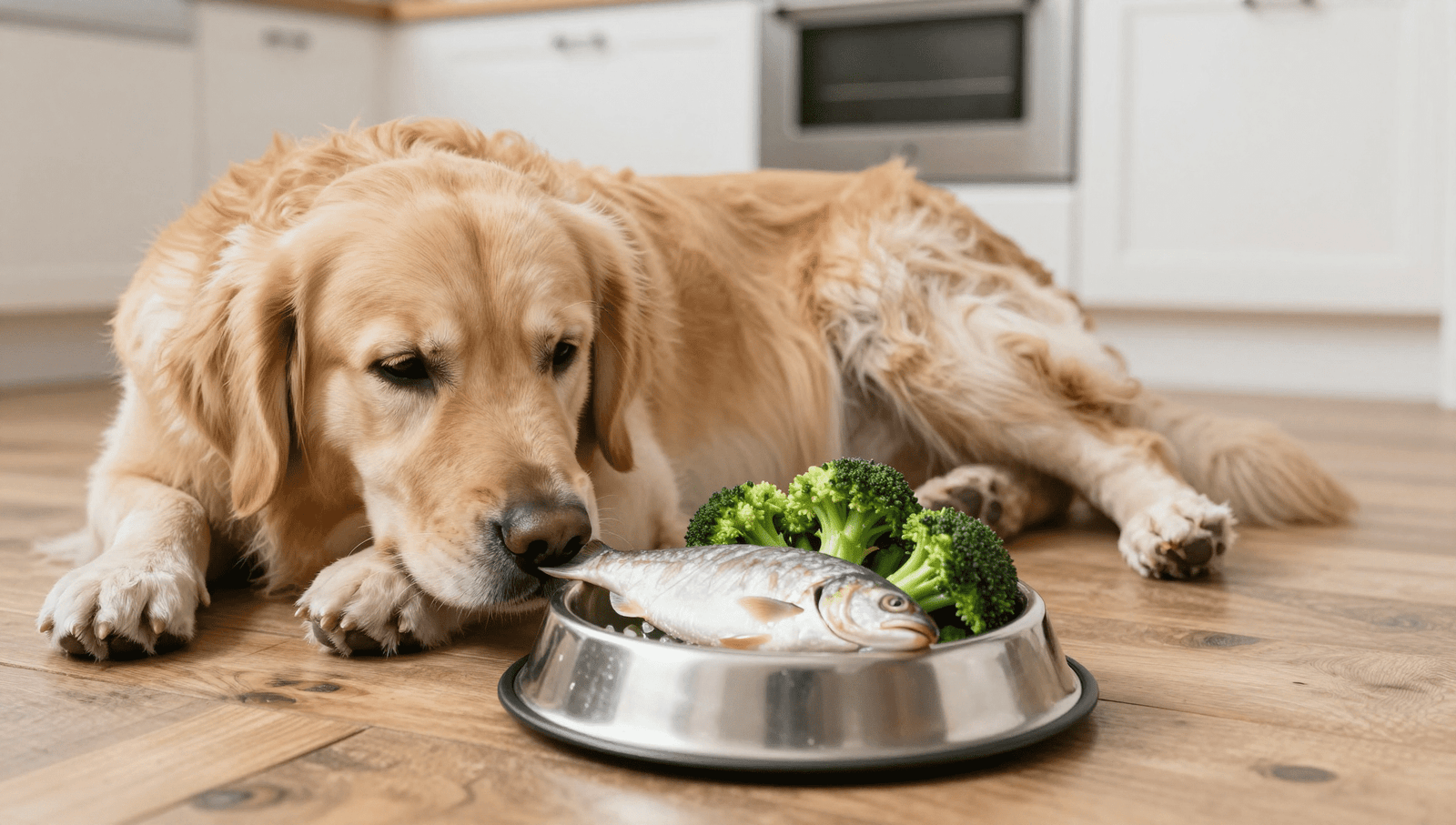
For example, when my dog started moving a bit stiffly after walks, I decided to tweak his diet slightly. Instead of changing everything at once, I added small amounts of fish and vegetables.
I like to think of anti inflammatory foods for dogs as “supportive nutrition” rather than medicine. They don’t replace vet care, but they definitely help improve overall wellbeing 🐶.
⚖️ 2. Why Dogs Need Anti Inflammatory Diets
Before I started using anti inflammatory foods for dogs, I never really thought about inflammation—it sounded like something humans deal with, not dogs! But I quickly realised dogs experience it just as much.
A good anti inflammatory dog diet is helpful because inflammation can affect:
- Joints
- Skin
- Digestion
For example, my dog used to take ages to get up after lying down, like a retired grandad 😂. That’s when I suspected something wasn’t right.
Switching his food and adding anti inflammatory foods for dogs made a difference over time. It wasn’t instant, but after a few weeks, he seemed more comfortable.
Dogs, especially older ones, benefit from this type of diet because it helps reduce strain on their bodies.
So for me, it’s not just about feeding—it’s about supporting long-term health. A little change in the bowl can lead to big improvements 🐾.
🧬 3. Common Causes of Inflammation in Dogs
When I began looking into anti inflammatory foods for dogs, I realised I also needed to understand what actually causes inflammation.
A few common causes include:
- Poor diet
- Too many treats
- Lack of exercise
- Allergies
For example, I used to give my dog bits of whatever I was eating—crisps, leftovers, you name it 😅. Not ideal!
Over time, these habits can lead to internal inflammation. That’s when switching to an anti inflammatory dog diet plan becomes really helpful.
Even things like being overweight can increase stress on joints, leading to inflammation.
Now, I try to keep things simple and balanced. Less processed food, more natural options.
Understanding the cause helped me take better control of the situation. Because once I knew what was triggering the problem, I could actually fix it—without guesswork 🐶.
🥗 4. Top Anti Inflammatory Foods for Dogs
When I started adding anti inflammatory foods for dogs, I was surprised at how simple the options were.
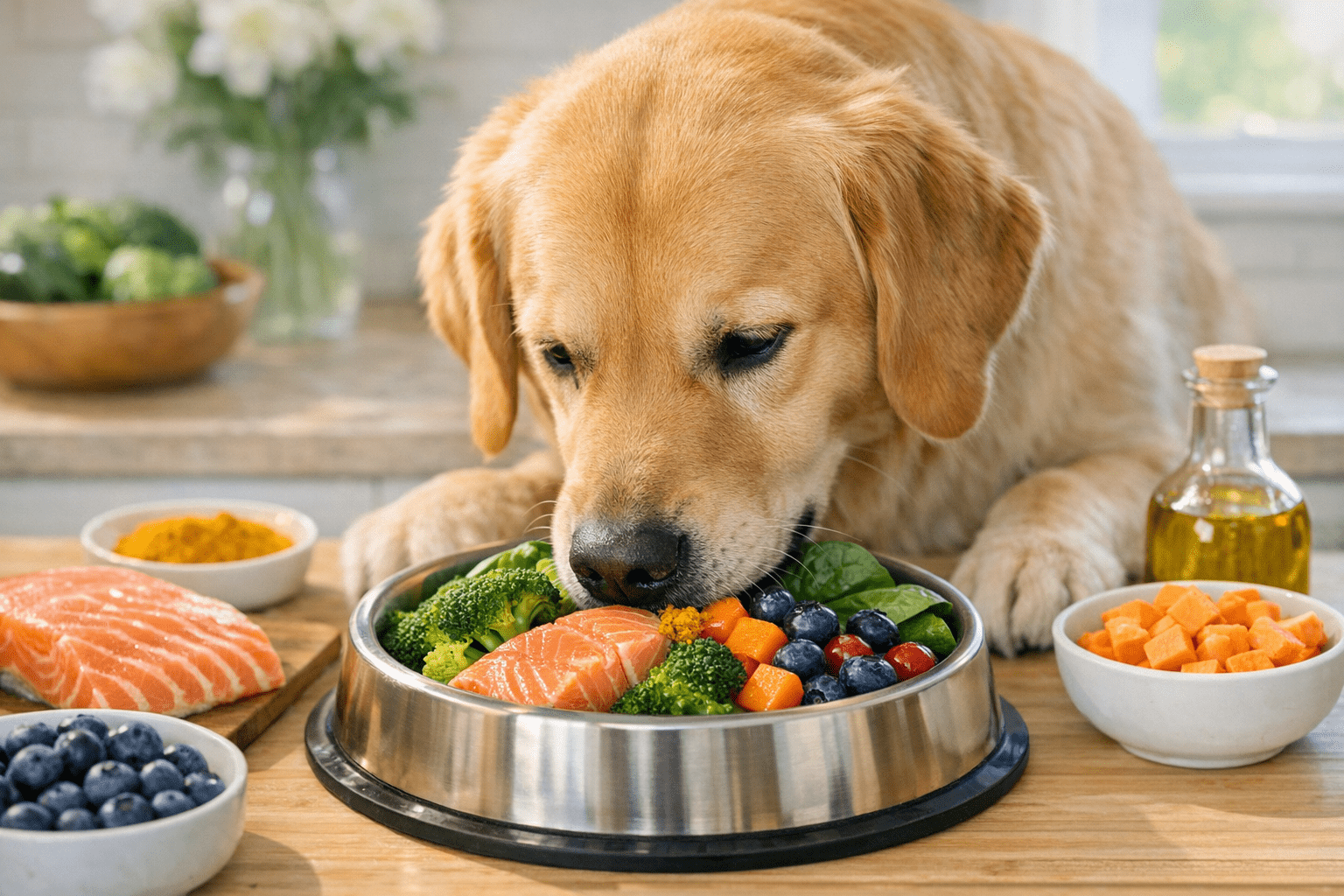
Some of my go-to foods include:
- Salmon 🐟
- Blueberries 🫐
- Carrots 🥕
- Sweet potatoes 🍠
These are all part of a good natural anti inflammatory dog diet, and they’re easy to find here in the UK.
For example, I sometimes mix a bit of cooked salmon into my dog’s meal. He absolutely loves it—tail wagging non-stop 😂.
Blueberries are another favourite. I give them as treats instead of biscuits.
Of course, I don’t go overboard. Small amounts are key.
The best part? These foods don’t just help with inflammation—they improve overall health too.
So honestly, adding anti inflammatory foods for dogs felt less like a chore and more like an upgrade to his daily meals 🐾.
🦴 5. Foods That Reduce Joint Pain in Dogs
Joint pain is actually what pushed me to explore anti inflammatory foods for dogs in the first place.
Some foods are particularly helpful for joints:
- Fish oil
- Turmeric
- Green-lipped mussels
These are often included in a joint-supporting anti inflammatory dog diet.
For example, adding fish oil to my dog’s food made a noticeable difference. He became less stiff after walks, which was a huge relief.
Turmeric is another option, but I use it carefully and in small amounts.
It’s not magic—it takes time—but consistency really helps.
I see it as ongoing care rather than a quick fix.
So if your dog struggles with movement, anti inflammatory foods for dogs can make a real difference over time 🐶.
🌿 6. Natural Supplements with Anti Inflammatory Benefits
Alongside regular food, I also explored supplements as part of anti inflammatory foods for dogs.
Some popular ones include:
- Omega-3 capsules
- Glucosamine
- Turmeric supplements
These support a complete anti inflammatory dog diet and can boost results.
For example, I tried an omega-3 supplement, and after a few weeks, my dog’s coat looked shinier and healthier.
But I’ll be honest—I always check with the vet before adding anything new. Better safe than sorry!
Supplements can be helpful, but they’re not a replacement for proper food.
So I treat them as an extra boost rather than the main solution.
A balanced approach works best—good food plus the right supplements 🐾.
❌ 7. Foods to Avoid That Cause Inflammation
While adding anti inflammatory foods for dogs, I also had to cut out a few things.
Some foods can actually increase inflammation:
- Fried foods 🍟
- Processed treats
- Sugary snacks
I used to give my dog bits of toast and leftovers… but I had to stop 😅.
A proper anti inflammatory dog diet plan means being consistent with what I don’t feed as well.
For example, even small amounts of junk food can undo all the good work.
So now I stick to cleaner options.
It’s not always easy—especially when those puppy eyes appear 😂—but it’s worth it.
Because avoiding the wrong foods is just as important as adding the right ones.
🥄 8. How to Introduce Anti Inflammatory Foods
When I switched to anti inflammatory foods for dogs, I made sure not to rush it.
I started slowly:
- Added one food at a time
- Watched for reactions
- Kept portions small
For example, I introduced salmon first before adding anything else.
A gradual approach is key in an anti inflammatory dog feeding routine because sudden changes can upset the stomach.
Dogs don’t like sudden surprises—especially in their food bowl 😅.
So I kept things gradual and steady.
Within a couple of weeks, everything settled nicely.
This method helps avoid problems while still improving the diet.
🍲 9. Homemade vs Commercial Diet Options
When choosing anti inflammatory foods for dogs, I had to decide between homemade meals and shop-bought food.
Homemade food gives me full control, which I like. I can create a proper anti inflammatory dog meal plan using fresh ingredients.
But let’s be honest—it takes time 😅.
Commercial food is much easier. Many UK brands now offer anti inflammatory options with balanced nutrition.
For example, I sometimes combine both—home-cooked meals on weekends and kibble during busy days.
This balanced approach works well for me.
So there’s no “one correct way”—it depends on your lifestyle.
✅ 10. Final Thoughts and Best Practices
After everything I’ve learned about anti inflammatory foods for dogs, I can honestly say it’s one of the best changes I’ve made.
It helps with:
- Movement
- Comfort
- Overall health
A well-balanced anti inflammatory dog diet doesn’t have to be complicated—just consistent.
For me, it’s about small changes:
- Better ingredients
- Fewer processed foods
- Regular feeding routine
And of course… lots of love 🐶❤️
At the end of the day, I want my dog to feel good, stay active, and enjoy life.
And if something as simple as food can help with that—it’s definitely worth it 👍