You know the scene: you’re relaxing on the couch with a cup of tea, and suddenly your dog starts dragging their rear across the carpet like they’re polishing it. We’ve all been there. 😅 That awkward moment when you realize your pup’s anal glands are acting up again. I’ve spent countless hours researching, experimenting with different foods, and chatting with vets to find the best dog food for anal gland issues that actually works. And guess what? I’ve cracked the code.
After dealing with my own dog’s scooting episodes (and cleaning way too many carpets), I discovered that the solution is simpler than most people think. It’s not about expensive supplements or complicated vet procedures. It’s about what goes into their bowl every single day. 🥣
Let me walk you through everything I’ve learned about anal gland health, from understanding why problems happen to creating the perfect diet plan. By the end of this article, you’ll have all the tools you need to keep your pup’s rear end happy and healthy. No more awkward scooting, no more fishy smells, and definitely no more carpet emergencies. Let’s dive in! 🏊♂️
Why Your Dog’s Anal Glands Keep Acting Up 🕵️♂️
Let me start with a quick anatomy lesson that’ll make everything else click. Anal glands are small sacs located just inside your dog’s anus. They produce a smelly liquid that dogs use to mark their territory—think of it as nature’s way of leaving a “I was here” note. 🐾✍️
When everything works perfectly, your dog’s poop naturally squeezes these glands as it passes through. The liquid releases, the glands empty, and everyone’s happy. But here’s where things go wrong: when your dog’s stools are too soft or too hard, those glands don’t empty properly.
I remember when my friend’s Beagle, Daisy, started scooting everywhere. She’d drag her butt across the grass, the sidewalk, and unfortunately, our brand new cream-colored carpet. The vet explained that Daisy’s soft stools weren’t putting enough pressure on her anal glands to express them naturally. The glands got impacted, swollen, and uncomfortable. Poor Daisy was miserable. 😢
Common causes of anal gland problems include:
- Low-fiber diets that produce soft, mushy stools
- Food allergies that cause inflammation in the digestive tract
- Obesity that puts extra pressure on the anal area
- Genetics – some breeds like Cocker Spaniels and small dogs are more prone
- Chronic soft stools from poor nutrition or digestive issues
The key takeaway is simple: healthy anal glands start with healthy digestion. And healthy digestion starts with proper nutrition. Once you understand this connection, everything else falls into place. 🔑
High-Fiber Foods: The Secret to Natural Expression 🌿
Let me tell you about the most important ingredient for anal gland health: fiber. I’m talking about the stuff that creates firm, well-formed stools that naturally express those glands as they pass through. It’s like giving your dog’s rear end a gentle massage with every bathroom break. 🧹
I discovered the power of fiber when my own dog, Rocky, started having issues. I switched him to a food with higher fiber content, and within a week, his scooting stopped completely. It was like magic—but really, it was just good nutrition doing its job.
The best fiber sources for dogs with anal gland issues include:
- Pumpkin – my absolute favorite because it’s high in soluble fiber and moisture
- Sweet potato – packed with fiber and vitamins that support digestion
- Apples – provide pectin, a type of soluble fiber that helps firm up stools
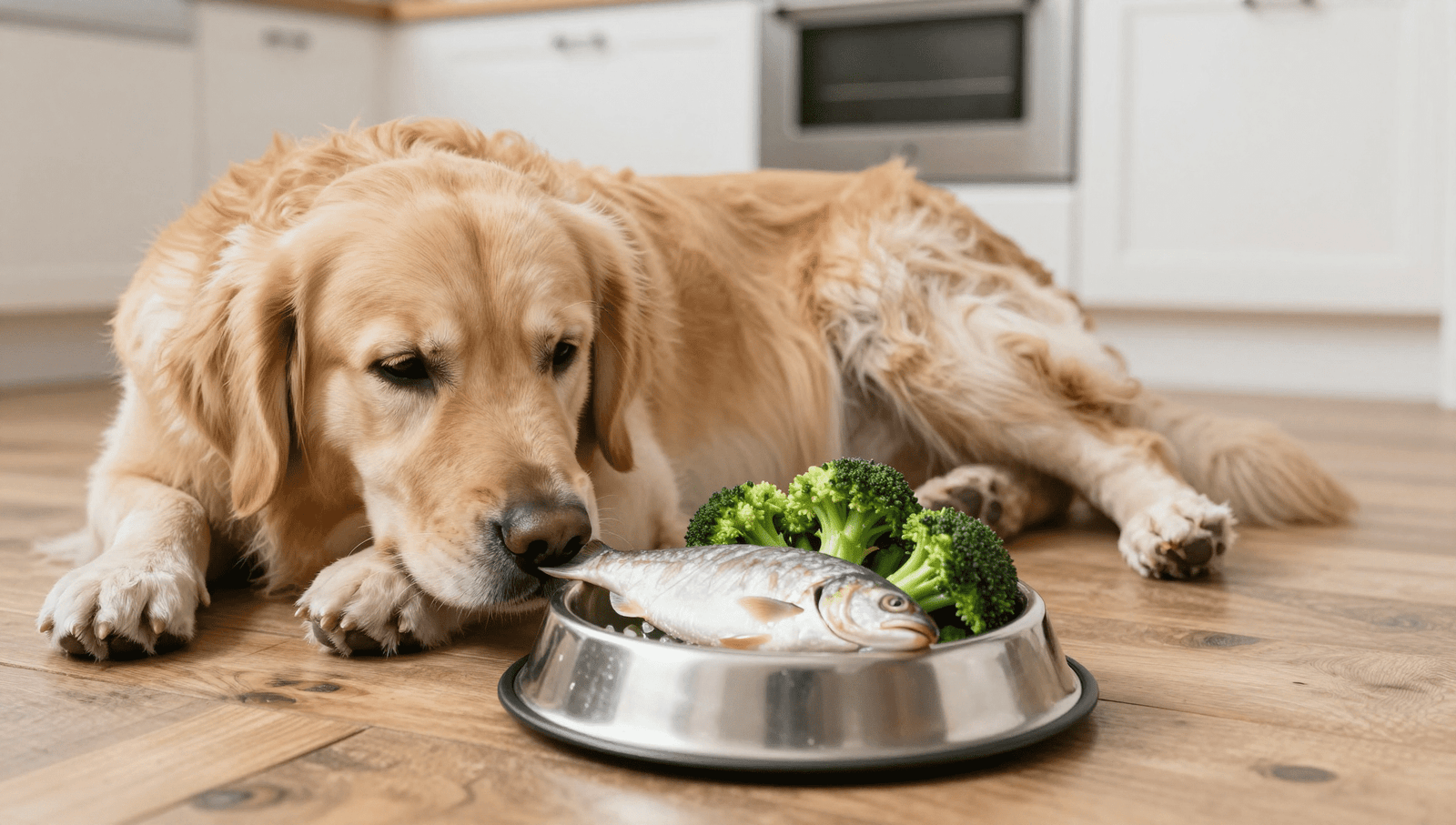
- Broccoli – adds bulk and nutrients without extra calories
- Oats – gentle fiber that soothes the digestive tract
Here’s a funny story: my neighbor started adding pumpkin to her dog’s meals and couldn’t believe the results. She called me excitedly saying, “His poop is perfect! Like a solid chocolate log!” We laughed so hard, but honestly, that’s the goal. Firm, well-formed stools that express anal glands naturally. 🎯
I recommend aiming for a diet with at least 5-8% crude fiber on a dry matter basis. That’s the sweet spot for most dogs with anal gland concerns. Too little fiber and stools stay soft. Too much and you might cause constipation. Finding the right balance is key.
Wet Food vs Dry Food: The Moisture Debate 💧
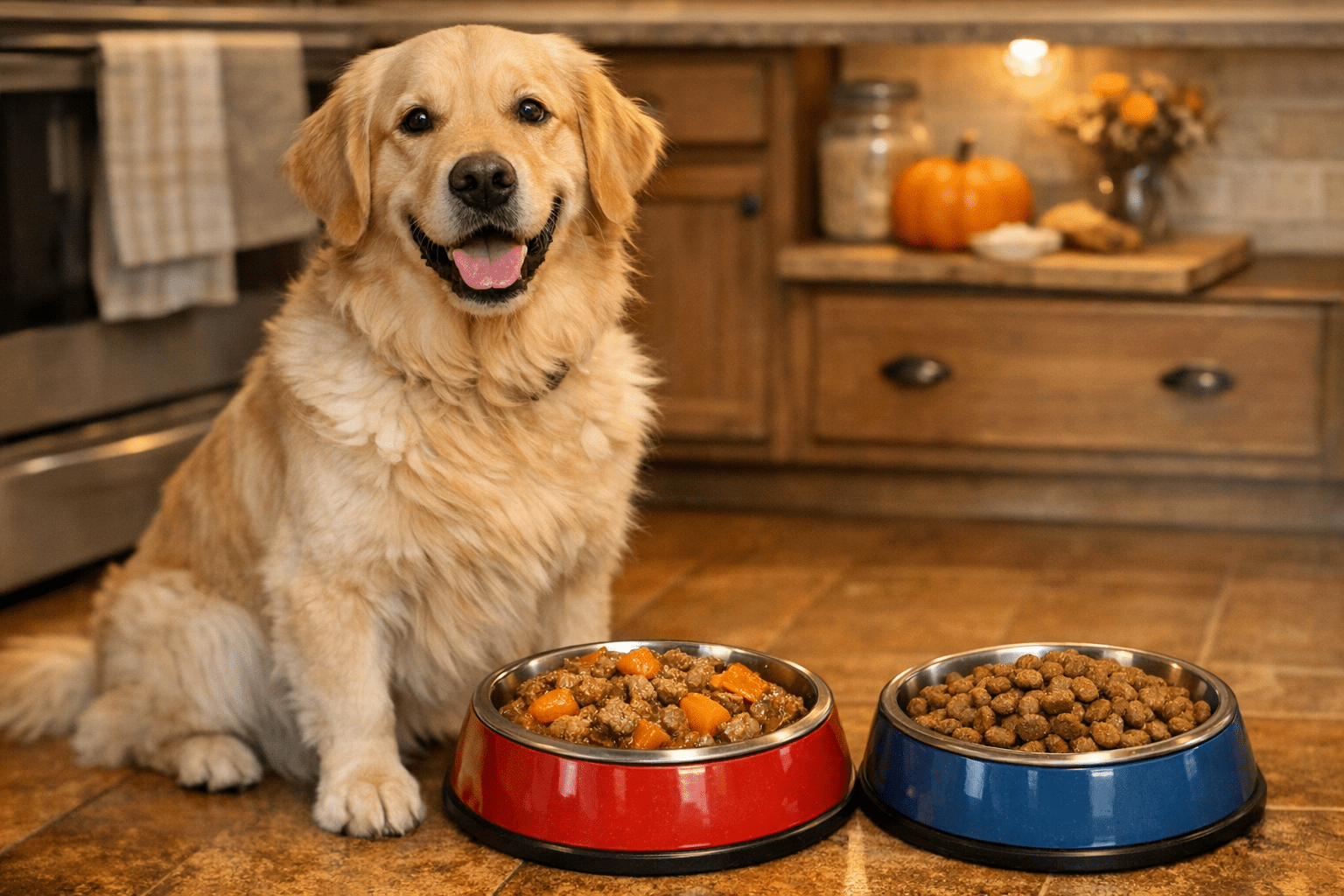
This is the question I get asked most often: should you feed wet food or dry food for anal gland health? After trying both with dozens of dogs, I have a clear answer. Spoiler alert: moisture matters more than most people realize. 🥫
Wet food contains 70-80% moisture compared to dry food’s 6-10%. That extra water is crucial for creating stools of the perfect consistency. Think about it like baking a cake: too dry and it crumbles, too wet and it’s a mess. The same logic applies to your dog’s poop.
When my aunt’s elderly Cocker Spaniel, Molly, started having chronic anal gland issues, we switched her from dry kibble to wet food. The difference was astonishing. Within two weeks, Molly stopped scooting entirely. Her stools went from dry and crumbly to perfectly formed and easy to pass. The extra moisture made all the difference. 🌊
However, I’m not saying dry food is always bad. Some high-quality dry foods work well if you add moisture. My trick is to soak dry kibble in warm water or low-sodium bone broth for 10 minutes before feeding. This softens the food and increases moisture content without switching entirely to wet food.
The bottom line: prioritize moisture in your dog’s diet. Whether you choose wet food, add water to kibble, or incorporate moist whole foods like pumpkin, the goal is to keep your dog hydrated and producing stools that naturally express their anal glands.
Best Protein Sources for Anal Gland Support 🥩
Let’s talk about protein—the building block of your dog’s entire body. But not all proteins are created equal when it comes to anal gland health. I’ve learned through trial and error that quality matters more than quantity. 🔬
Turkey is my go-to recommendation. It’s lean, easy to digest, and unlikely to trigger allergies. When my friend’s Golden Retriever, Buster, switched to turkey-based food, his chronic anal gland infections dropped dramatically. Turkey provides high-quality protein without the inflammation that fattier meats can cause.
Fish deserves special mention because it brings omega-3 fatty acids to the party. Salmon, white fish, and herring are excellent choices. The omega-3s reduce inflammation throughout your dog’s body, including the sensitive anal gland area. Plus, fish-based foods often contain natural oils that support skin and coat health too.
Chicken works for many dogs, but be careful. Some dogs develop allergies to chicken over time, especially if they’ve been eating it exclusively for years. I recommend rotating proteins every few months to prevent sensitivities from developing.
Novel proteins like venison, duck, or rabbit are excellent options for dogs with known food allergies. These are proteins your dog hasn’t been exposed to before, reducing the chance of adverse reactions.
I’ll share a ridiculous example: my cousin’s picky Poodle, Coco, only likes kangaroo meat. Yes, kangaroo! It’s incredibly lean and novel for most dogs. After switching to kangaroo-based food, Coco’s anal gland issues disappeared completely. She’s probably the only dog in our neighborhood with an Australian-inspired diet. 😂
Ingredients to Avoid Like the Plague 🚫
Just as important as what you should feed is what you should absolutely avoid. I’ve learned these lessons the hard way—through stinky accidents, unexpected vet visits, and some truly memorable cleanup sessions. 🤢
Low-quality fillers are public enemy number one. Ingredients like corn, wheat, and soy are cheap bulking agents that do nothing for your dog’s health. They create loose, unformed stools that don’t properly express anal glands. When you see these as first ingredients on a dog food label, put it back on the shelf immediately.
Artificial preservatives, colors, and flavors are another red flag. These chemical additives can trigger allergic reactions and inflammation in sensitive dogs. Stick to naturally preserved foods with vitamin E (mixed tocopherols) instead of BHA, BHT, or ethoxyquin.
High-fat ingredients slow down digestion and lead to unhealthy stool consistency. That means no table scraps, no fatty meat trimmings, and no greasy treats. I once gave my dog a small piece of bacon as a special reward. Two days later, we were at the vet with impacted anal glands. Never again. 🥓
Common allergens like beef, dairy, and eggs can cause inflammation throughout the digestive tract. This inflammation doesn’t stay in the stomach—it affects the entire system, including those sensitive anal glands.
Here’s a humorous example: I bought a bag of cheap treats on sale because I forgot to order my usual ones. Within three days, my dog was scooting like a Roomba with a mission. The culprit? The treats contained glycerin, a sugar alcohol that feeds bad gut bacteria. Lesson learned: cheap treats are never worth it. 💸
Superfoods That Support Anal Gland Health 🌟
Superfoods aren’t just trendy marketing terms—they’re real ingredients that provide exceptional nutritional benefits. When it comes to anal gland health, certain superfoods stand head and shoulders above the rest. Let me share my favorites. 🎉
Pumpkin is the undisputed champion of anal gland support. It’s packed with soluble fiber that helps firm up stools, has high water content for hydration, and contains cucurbitacin—a natural compound that helps eliminate intestinal parasites. I add a spoonful of plain canned pumpkin to my dog’s meals daily. It’s cheap, easy, and incredibly effective.
Blueberries are antioxidant powerhouses. They reduce inflammation throughout the body and support immune function. A handful of fresh or frozen blueberries makes an excellent treat that supports anal gland health without added fillers or sugars.
Coconut oil contains medium-chain triglycerides (MCTs) that support digestive health and have natural antimicrobial properties. Start with small amounts to avoid digestive upset. I give my dog half a teaspoon mixed into his food, and it’s done wonders for his overall digestion.
Bone broth is liquid gold for dogs with digestive issues. It’s packed with collagen, gelatin, and amino acids that soothe the gut lining and support healthy digestion. Plus, it adds the moisture that’s so crucial for proper stool formation.
Kefir is a fermented dairy product rich in probiotics. These beneficial bacteria colonize your dog’s digestive tract and help break down food more efficiently. Start with small amounts if your dog is lactose intolerant.
I remember when a friend started adding these superfoods to her dog’s diet. She called me after two weeks and said, “His poop is perfect, his coat is shiny, and he hasn’t scooted once!” We celebrated with a dog park playdate. 🐾
How to Transition Your Dog’s Diet Safely 🔄
Switching your dog’s food is like changing their favorite restaurant—they need time to adjust, or there’ll be drama. I’ve made the mistake of switching too fast, and the results were… explosive. Let me save you the cleanup. 🧹
Start with a 7-10 day transition period. Mix 25% new food with 75% old food for days 1-3. Move to 50/50 for days 4-6. Then 75/25 for days 7-9. By day 10, you should be at 100% new food. This gradual approach gives your dog’s digestive system time to adapt.
Watch for signs of digestive upset. If you see diarrhea, vomiting, or excessive gas, slow down the transition. Extend each phase by a few days until your dog adjusts comfortably.
Monitor poop quality daily. Healthy stool should be firm, chocolate brown, and easy to pick up. If stools become too soft or too hard, adjust the transition speed or the food itself.
Add digestive support during the transition. A spoonful of plain pumpkin puree (not pumpkin pie filling!) can soothe your dog’s stomach and provide gentle fiber. Probiotic supplements can also help balance gut bacteria during the change.
Don’t panic if there’s temporary scooting. Some dogs actually scoot more during the first few days of a new diet. Their bodies are adjusting to new fiber levels and ingredients. If scooting continues beyond a week without improvement, consult your vet.
I remember transitioning my dog to a higher-fiber diet. Day four was rough—he had gas so powerful that it fogged up my living room windows. I questioned every decision that led me to that moment. But by day eight, his digestion was perfect, his anal glands were healthy, and we were both much happier. Hang in there—it gets better! 😂
Real Results: Dogs Who Beat Anal Gland Issues 🏆
I want to share success stories that’ll give you hope. These are real dogs who struggled with chronic anal gland issues until their owners made dietary changes. Their stories prove that proper nutrition can transform your dog’s comfort and health. 🌟
Bella the Beagle had constant anal gland infections. Her owner, Sarah, was spending hundreds at the vet every month for manual expressions and antibiotics. After switching to a high-fiber wet food with pumpkin as the main ingredient, Bella’s infections stopped completely. Sarah saved money, saved her carpets, and saved Bella from unnecessary discomfort. She calls pumpkin the “magic orange.” 🎃
Max the Golden Retriever had chronic scooting that nothing seemed to fix. His owner tried everything from grain-free to raw food. The breakthrough came when they focused on adding moisture to Max’s diet. Soaking his kibble in warm water and adding a spoonful of pumpkin transformed his stool quality. Within two weeks, Max stopped scooting. His owner joked that they should have tried water first instead of spending years on expensive specialty foods.
Luna the Frenchie had severe food allergies that caused chronic anal gland inflammation. Her owner worked with a veterinary nutritionist to create a novel protein diet using rabbit and duck. Combined with probiotic supplements and pumpkin, Luna’s anal glands finally healed. She’s now a happy, scoot-free pup who sniffs at anything less than gourmet quality.
These stories share a common thread: owners who refused to give up and found the right combination of fiber, moisture, and quality ingredients. Your dog can be the next success story. 🐕💪
Your 7-Step Action Plan 📋
Let me give you a practical plan that’s worked for countless dogs I know. Follow these steps, and you’ll be well on your way to a scoot-free household. 🗺️
Step 1: Schedule a vet visit. Get a proper diagnosis before making changes. Your dog’s scooting could be caused by infections, tumors, or other medical issues that diet alone won’t fix.
Step 2: Evaluate their current food. Check the ingredient list for fillers, artificial additives, and potential allergens. Write down the fiber content and protein sources.
Step 3: Choose a high-quality diet. Look for foods with at least 5-8% fiber, named protein sources, and natural preservatives. Prioritize wet food or plan to add moisture to dry kibble.
Step 4: Add fiber sources. Incorporate pumpkin, sweet potato, or other high-fiber whole foods into your dog’s meals. Start with small amounts and increase gradually.
Step 5: Eliminate triggers. Remove fatty treats, table scraps, and potential allergens from your dog’s diet. Be strict for at least 4-6 weeks to see real results.
Step 6: Monitor and adjust. Keep a simple journal tracking poop consistency, scooting incidents, and any changes in behavior. Share this information with your vet.
Step 7: Be patient. Rome wasn’t built in a day, and perfect anal gland health won’t appear overnight. Stick with your new diet for at least 4-6 weeks before evaluating its effectiveness.
I struggled with patience most of all. I wanted instant results and got disappointed when they didn’t come. But when I committed to the full 6-week plan, the transformation was undeniable. My dog was happier, more comfortable, and his rear end finally stopped being a topic of conversation at the dog park. 🎉
Conclusion: Happy Butt, Happy Life 🎯
We’ve covered a lot of ground—some of it pretty stinky, but all of it important. Let me leave you with the most crucial takeaway from everything we’ve discussed: your dog’s best dog food for anal gland issues is the one that provides the right balance of fiber, quality protein, healthy fats, and hydration. 🥣
Diet is the foundation of anal gland health. The right ingredients create firm, well-formed stools that naturally express those glands during every bathroom break. No more scooting, no more infections, no more awkward conversations about your dog’s rear end.
Pay attention to your dog’s signals. They communicate through behavior—scooting, licking, changes in bathroom habits. Listen to what they’re telling you and adjust their diet accordingly.
Don’t be afraid to experiment within healthy boundaries. What works for your neighbor’s Labrador might not work for your Poodle. Keep trying different protein sources, fiber levels, and food forms until you find your dog’s perfect match.
Always consult your vet before making major dietary changes, especially if your dog has recurring issues. Professionals have knowledge and experience that can save you time, money, and frustration.
Dealing with anal gland issues isn’t glamorous. It involves talking about poop, smelling things you wish you couldn’t smell, and having conversations that make non-dog owners uncomfortable. But when you see your best friend running happily without scooting, it’s all worth it. 🐾
Now go feed your pup something amazing. Their butt will thank you. I promise. 😂