Introduction
Let me set the scene. It was a rainy Tuesday afternoon in Manchester, and I was on my hands and knees scrubbing yet another puddle out of my beige carpet. My Jack Russell, Pip, was sitting in the corner looking utterly unrepentant. I had tried everything: crate training, scheduled walks, even bribery with cheese. Nothing worked. Then a fellow dog owner at the park mentioned a potty training spray for dogs. I rolled my eyes. Honestly, it sounded like snake oil. But desperate times call for desperate measures. I ordered a bottle, and what happened next genuinely surprised me. In this article, I am sharing my full experience, the good, the bad, and the slightly smelly, so you can decide if this product is right for your four-legged friend.
What Is a Potty Training Spray for Dogs and How Does It Work?
Let’s start with the basics. A potty training spray for dogs is a liquid attractant designed to encourage your dog to urinate or defecate in a specific spot. It works using scent-based conditioning. The spray contains pheromones or natural extracts that mimic the smell of dog urine. When your dog sniffs that familiar aroma, their instinct tells them, “This is the right place to go.”
I was sceptical at first. I mean, how can a spray trick a dog’s nose? But after reading up on canine olfaction, I learned that a dog’s sense of smell is about 10,000 to 100,000 times more sensitive than ours. If you can fool that nose, you can influence behaviour. The spray creates a chemical signal that says “toilet zone.” It is not magic; it is biology.
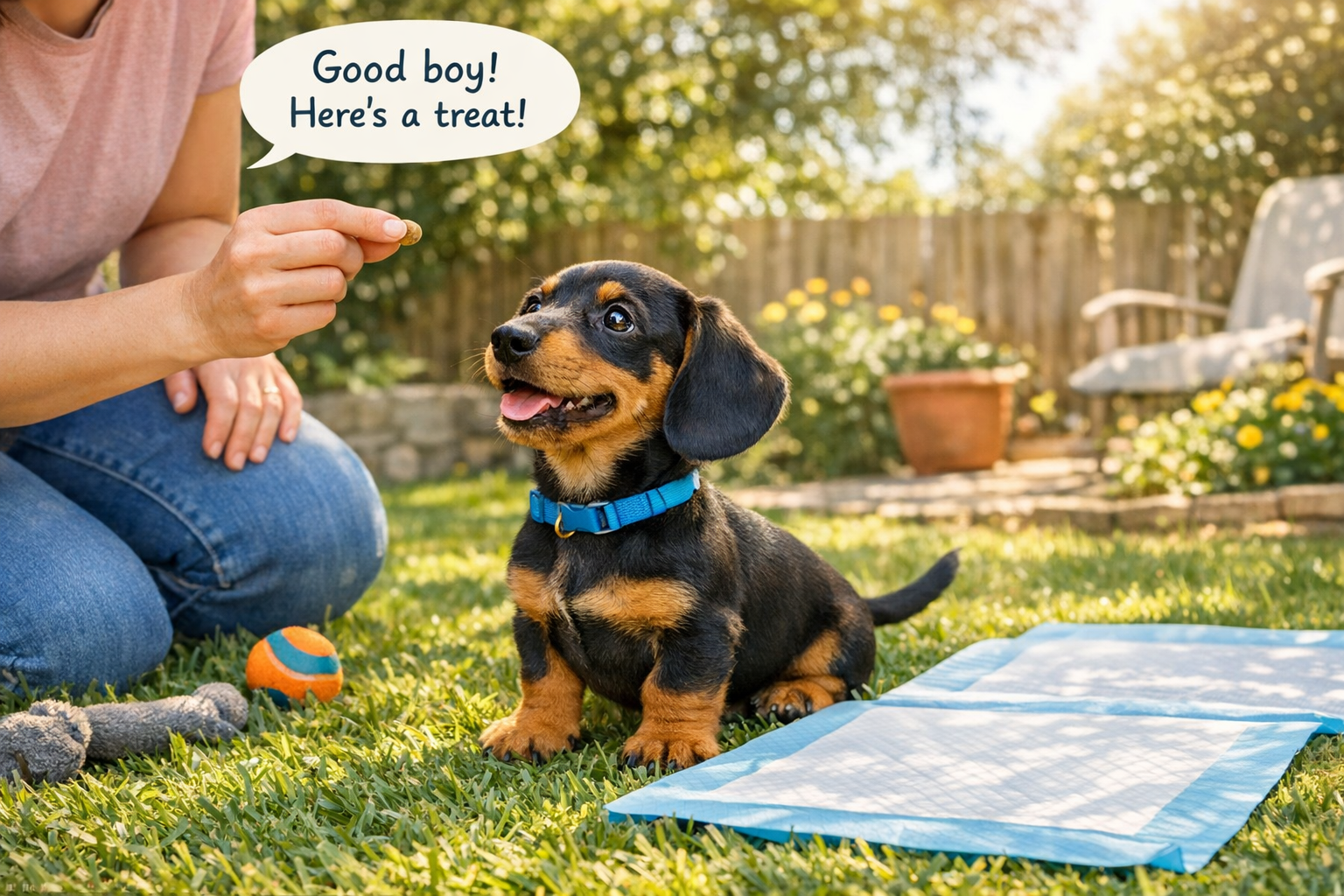
The application is straightforward. You spray the product on a puppy pad, artificial grass mat, or a patch of outdoor gravel. Then you lead your dog to the spot, let them sniff, and wait. When they go, you praise them like they just won the lottery. The goal is to build a strong association between the scent and the act of elimination.
Related Posts
But here is the catch: the scent does not last forever. Most sprays start fading after about an hour. That means you need to reapply frequently, especially early in training. I learned this the hard way when I sprayed once in the morning and wondered why Pip ignored it by lunchtime.
How I Tested Potty Training Spray for Dogs on My Stubborn Terrier
I want to be completely honest with you. My dog Pip is not an easy student. He is clever, stubborn, and has a mind of his own. When I first introduced the spray, he sniffed it, sneezed, and walked away. I nearly gave up on day one.
But I decided to follow the instructions to the letter. I sprayed a generous amount on his pad every hour. I led him to it after meals, after naps, and every time he started circling. I also made sure to clean any accident spots with an enzymatic cleaner so there was no competing smell.
The breakthrough came on day four. Pip was sniffing around the kitchen, and I saw him head towards the pad. He sniffed the sprayed area, circled twice, and squatted. I held my breath. Then he peed right on the pad. I nearly shouted the house down. I gave him a jackpot of treats and made a huge fuss.
From that moment, things improved steadily. By week two, he was using the pad about 70% of the time. By week four, we were at 90%. Was it perfect? No. He still had the odd accident, especially if I forgot to reapply the spray. But compared to where we started, it was a miracle.
Would it work for every dog? Probably not. Some dogs are more scent-driven than others. But for Pip, it was a game-changer.
The Science Behind the Smell: Why Dogs Respond to Attractant Sprays
I am not a biologist, but I have done my homework. Dogs experience the world through their noses. When a dog urinates, they leave behind a chemical signature made of proteins and pheromones. That signature tells other dogs, “This spot is taken” or “This is a good place to go.”
A potty training spray for dogs contains synthetic or natural compounds that mimic those chemical signatures. When your dog smells the spray, their brain processes it as a pre-existing toilet area. It is like seeing a public toilet sign; you know what it means.
The effectiveness of the spray depends partly on your dog’s breed. Scent hounds like Beagles, Bloodhounds, and Basset Hounds have exceptional olfactory abilities and may respond more quickly. Brachycephalic breeds like Pugs, French Bulldogs, and Shih Tzus have shorter nasal passages and a less acute sense of smell, so the spray may need to be stronger or applied more frequently.
Pip is a Jack Russell, which is a terrier. Terriers were bred to hunt vermin using their noses, so his scent drive is high. That probably worked in my favour. If you have a breed with a weaker sense of smell, do not despair. It might just take a little longer.
Step-by-Step Guide to Using Potty Training Spray for Dogs
If you are ready to try this product, here is my step-by-step method based on what actually worked for me.
Step 1: Choose a consistent spot. Pick one location and stick with it. For indoors, use a puppy pad or artificial grass mat. For outdoors, choose a quiet corner of the garden.
Step 2: Spray generously. Do not be stingy. Give the surface five or six sprays so it is lightly damp. The stronger the scent, the clearer the message.
Step 3: Reapply every hour. Set a timer if you need to. The scent fades, so refresh it before each potty break.
Step 4: Lead your dog to the spot. Gently guide them to the sprayed area. Let them sniff. Do not force them to stay.
Step 5: Wait and watch. If they start circling or sniffing intently, they are about to go. Be ready with treats and praise.
Step 6: Celebrate like crazy. The moment they eliminate on the spot, give enthusiastic praise and a high-value treat. Make it a party.
Step 7: Clean accidents properly. If your dog has an accident elsewhere, clean it with an enzymatic cleaner. Never punish them; just clean up and try again.
Step 8: Be patient. It can take two to four weeks for the habit to stick. Do not give up after a few days.
Potty Training Spray vs. Other Training Methods: A Comparison
I have tried several methods over the years, so let me give you a blunt comparison.
| Method | Time to Results | Effort Required | Success Rate | Best For |
|---|---|---|---|---|
| Potty Training Spray | 2-4 weeks | Moderate | 70-90% | Puppies and adult dogs in new homes |
| Crate Training | 1-2 weeks | High | 80-95% | Puppies with consistent schedules |
| Paper/Pad Training | 2-6 weeks | Low | 50-70% | Flat dwellers without gardens |
| Outdoor-Only Training | 4-8 weeks | Very High | 90%+ | Owners with gardens and flexible time |
| Belly Bands (for males) | Immediate (symptom) | Low | 60% | Marking behaviour in adult males |
For me, a combination of crate training at night and potty training spray during the day worked best. The crate taught Pip to hold his bladder, while the spray taught him where to go when he was loose.
Common Mistakes People Make (And How to Avoid Them)
I made plenty of mistakes, so you do not have to. Here are the biggest ones.
Mistake 1: Spraying once and expecting instant results. This is the most common error. The spray is a training aid, not a magic wand. You need to reapply and reinforce consistently.
Mistake 2: Using it on dirty surfaces. If the pad or grass is already soiled, the spray mixes with old smells and confuses your dog. Always start with a clean surface.
Mistake 3: Not supervising enough. You cannot spray and walk away. You need to be present to guide your dog and reward them when they succeed.
Mistake 4: Using it too sparingly. A quick spritz is not enough. The scent needs to be strong enough for your dog to notice. Be generous.
Mistake 5: Switching brands too quickly. If you try a spray for three days and it does not work, do not assume all sprays are useless. Different formulas work for different dogs. Stick with one for at least two weeks.
Mistake 6: Forgetting to clean old accident spots. If your dog has peed on the carpet and you clean it with regular cleaner, they can still smell the residue. They will keep returning to that spot. Use an enzymatic cleaner to break down the urine proteins.
How to Choose the Best Potty Training Spray for Dogs
Not all sprays are created equal. Here is what to look for.
Natural ingredients. Avoid sprays with harsh chemicals or artificial fragrances. Look for plant-based attractants or pheromone blends.
Good reviews from real users. Check Amazon and pet forums. Look for patterns in feedback. If many users say the scent fades quickly, budget for frequent reapplication.
Size and value for money. A 32 oz bottle typically lasts 4-6 weeks with regular use. Calculate the cost per use before buying.
Safe for surfaces. Make sure the spray is safe for carpets, grass, artificial turf, and puppy pads. Most are, but always check the label.
Made in reputable facilities. Some brands manufacture in FDA-audited, cGMP-compliant facilities. This is a good sign of quality control.
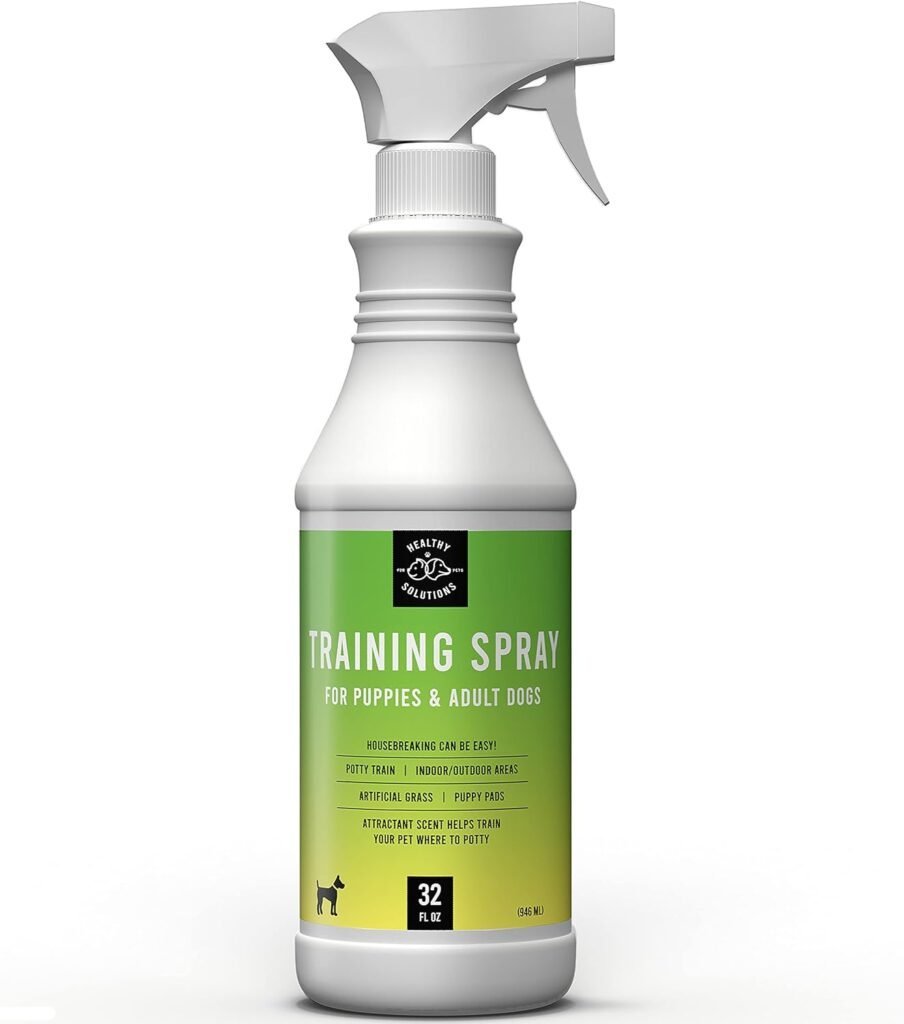
I personally used a spray made in the USA from a brand called Healthy. It had mixed reviews, but it worked for Pip. Your mileage may vary.
Diet and Health: The Overlooked Factor in Potty Training
Nobody warns you about this, but your dog’s diet directly affects potty training success. If your dog eats low-quality food with lots of fillers, they will produce more urine and looser stools. That means more accidents and less control.
When I switched Pip to a high-protein, grain-free kibble from a UK brand, his bathroom schedule became more predictable. He pooped twice a day instead of four times, and his urine output decreased. That made it easier to time his potty breaks.
Also, watch for health issues. Urinary tract infections, diabetes, or kidney problems can cause frequent urination. If your dog seems to need to pee constantly despite training, consult your vet. The spray cannot override a medical problem.
Hydration matters too. Do not restrict water to reduce accidents. That is cruel and can cause dehydration. Instead, manage water intake strategically: offer water after meals and walks, then remove it 30 minutes before bedtime.
Frequently Asked Questions
How long does it take for a potty training spray to work?
It varies by dog, but most owners see improvement within one to three weeks. Some dogs respond within days, while others take a month. Consistency is the key factor.
Can I use potty training spray outdoors in my garden?
Absolutely. Spray it on the specific patch of grass or gravel where you want your dog to go. Be aware that rain can wash the scent away, so reapply after wet weather.
Is potty training spray safe for puppies?
Yes, most sprays are made from non-toxic, natural ingredients and are safe for puppies over eight weeks old. Always check the label and consult your vet if you have concerns.
Will the spray attract other dogs to my garden?
It might. The scent mimics dog urine, so neighbourhood dogs may come to investigate. If you have a shared or open garden, use it sparingly or choose a less potent formula.
My dog ignores the spray completely. What should I do?
First, check your application. Are you using enough? Are you reapplying frequently? Second, try a different brand. Some dogs respond better to certain formulas. Third, ensure you are pairing the spray with high-value treats and enthusiastic praise.
Does potty training spray work for older dogs?
It can, but it is harder. Older dogs have established habits that take longer to break. The spray can help redirect them, but you will need more patience and repetition. Start by thoroughly cleaning old accident spots.
Conclusion: Is Potty Training Spray for Dogs Worth It?
After weeks of testing, I can honestly say that a potty training spray for dogs is a valuable tool, but it is not a miracle cure. It worked for Pip, and it saved my carpets from further destruction. But it required effort, consistency, and patience on my part.
If you are struggling with house training, I recommend giving it a try. Follow the steps I outlined, be generous with the spray, and pair it with positive reinforcement. Give it at least two to four weeks before deciding if it is right for you.
And remember, every dog is different. What worked for my stubborn Jack Russell might not work for your gentle Golden Retriever. But if you are at your wit’s end, it is worth a shot. Your carpets will thank you. 🐾