It started with a subtle waddle. My beloved Springer Spaniel, Bertie, wasn’t bouncing off the walls anymore. He was… rolling off them. One afternoon, I caught a side profile of him in the garden and thought, “Blimey, my dog is getting fat — what do I do?” If you’re reading this with a similar sinking feeling, take a deep breath. You’re not alone, and you’re already doing the right thing by seeking advice.
According to the PDSA’s Animal Wellbeing (PAW) Report, nearly half of all dogs in the UK are estimated to be overweight or obese. That’s a staggering number, and it means millions of us are facing this exact challenge. The good news? Canine obesity is almost entirely preventable and reversible. Your dog doesn’t need a personal trainer or a fad diet — they need you to make a few simple, sustainable changes.
In this guide, I’ll walk you through everything I’ve learned from vets, canine nutritionists, and my own experience helping Bertie get back to a healthy shape. We’ll cover how to tell if your dog is truly overweight, the hidden causes of weight gain, the serious health risks involved, and — most importantly — a step-by-step plan to help them shed those extra pounds safely. Let’s get started! 🐾
How to Tell If Your Dog Is Overweight
Before you panic, let’s establish whether your dog genuinely needs to lose weight. Fluffy coats can be deceiving — my neighbour’s Pomeranian looks like a walking cloud, but underneath she’s surprisingly lean! The most reliable method used by vets is called the Body Condition Score (BCS), a simple hands-on assessment you can do at home.
Related Posts
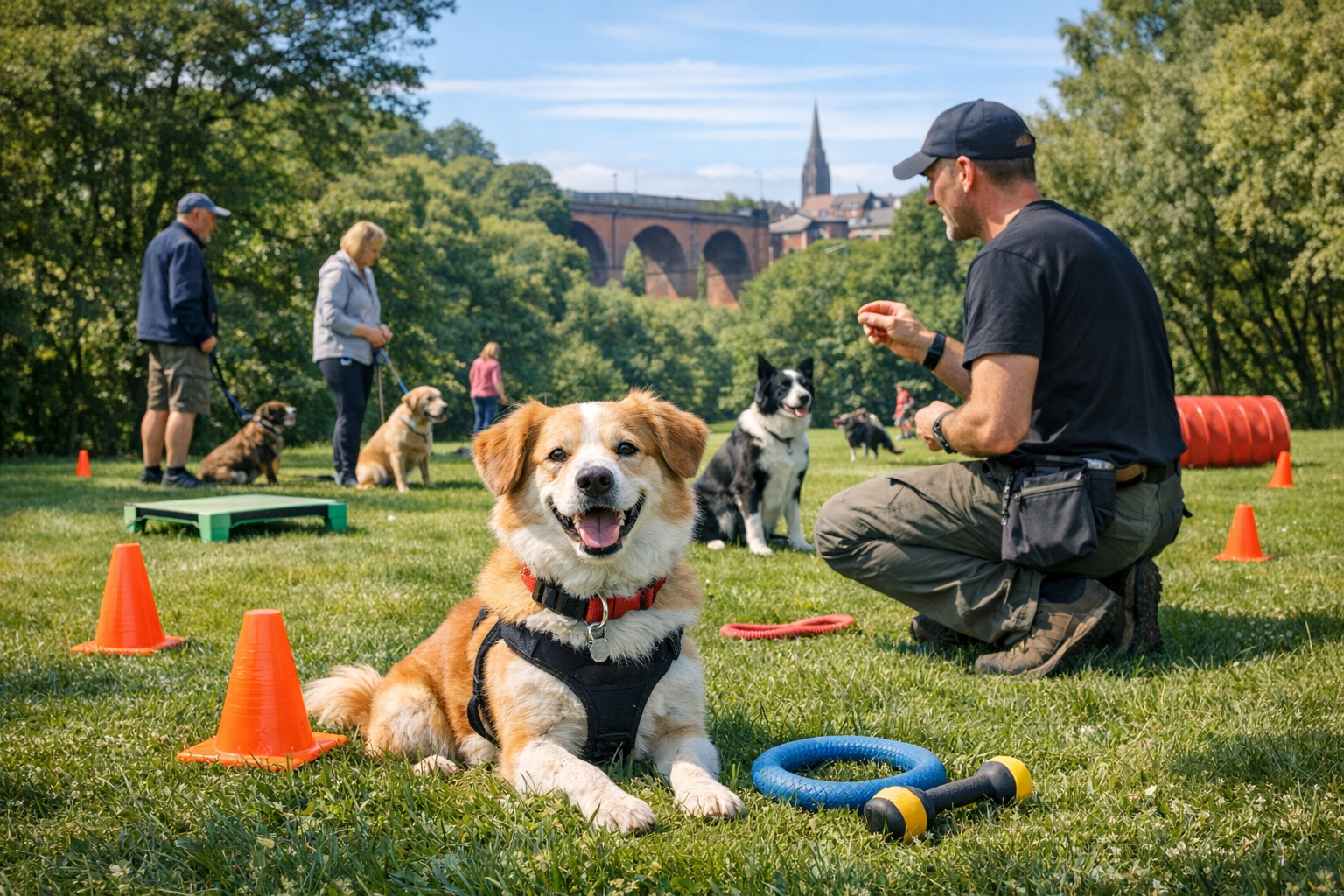
Here’s how to check your dog’s body condition:
- Feel the ribs: Place your hands on either side of your dog’s chest. You should be able to feel each rib easily with light pressure, similar to running your fingers over the back of your hand. If you have to press hard, there’s too much fat covering them.
- Look from above: Stand over your dog and look down. You should see a clear waistline — an inward curve behind the ribs. If their body looks like a rectangle or oval, they’re carrying extra weight.
- Check the side profile: View your dog from the side. Their belly should tuck up towards their hind legs, not hang straight down or sag.
- Base of the tail: There shouldn’t be a noticeable fat pad covering the base of the tail.
Vets use a 1–9 scale for BCS, where 4–5 is ideal. If your dog scores 6 or above, they’re overweight. Don’t feel bad — it happens to the best of us! The important thing is recognising it and taking action.
Why Is My Dog Getting Fat? Common Causes of Canine Weight Gain
Understanding why your dog is gaining weight is crucial for fixing the problem. In most cases, it boils down to a simple equation: more calories going in than energy going out. But the reasons behind that imbalance can be surprisingly varied.
Overfeeding and Portion Distortion This is the number one culprit. Many of us eyeball our dog’s food rather than measuring it precisely. A “heaped scoop” instead of a level one can add 20–30% more calories per meal. Over weeks and months, those extra calories add up significantly.
Too Many Treats and Table Scraps Let’s be honest — we’ve all slipped our dog a chip under the table or given them a biscuit when they’ve given us those irresistible puppy eyes. But treats should account for no more than 10% of your dog’s daily calorie intake. A single piece of cheese for a small dog is the equivalent of us eating a burger!
Insufficient Exercise A sedentary lifestyle is a major contributor to canine obesity. Short, infrequent walks simply aren’t enough for most breeds. If your dog’s daily exercise consists of a 10-minute lead walk around the block, they’re likely not burning enough energy.
Neutering and Hormonal Changes Neutering doesn’t directly cause weight gain, but it does alter your dog’s metabolism and can increase their appetite. After neutering, dogs may need 20–30% fewer calories, but many owners don’t adjust their feeding accordingly.
Age and Breed Predisposition Older dogs are less active and have slower metabolisms. Certain breeds — particularly Labradors, Golden Retrievers, Cocker Spaniels, Beagles, and Pugs — are genetically more prone to weight gain due to variations in genes that regulate appetite and satiety.
Underlying Health Conditions In rarer cases, medical issues like hypothyroidism (an underactive thyroid) or Cushing’s disease can cause weight gain. If your dog is gaining weight despite a controlled diet and adequate exercise, it’s worth a vet visit to rule these out.
The Serious Health Risks of Canine Obesity
This is where things get real. An overweight dog isn’t just a “cuddlier” dog — they’re a dog at significantly higher risk of serious, painful, and potentially life-threatening health conditions. The PDSA highlights numerous risks associated with canine obesity:
| Health Risk | How Obesity Contributes |
|---|---|
| Arthritis | Extra weight puts immense strain on joints, accelerating cartilage breakdown |
| Diabetes mellitus | Excess fat causes insulin resistance, increasing blood sugar levels |
| Heart disease | The heart works harder to pump blood through a larger body |
| Breathing problems | Fat deposits around the chest restrict lung expansion |
| Cruciate ligament rupture | Increased load on knee joints raises injury risk dramatically |
| Reduced lifespan | Studies show overweight dogs live up to 2.5 years less than lean dogs |
| Complications under anaesthetic | Excess fat makes surgery and recovery more dangerous |
| Heatstroke | Overweight dogs struggle to regulate body temperature |
I’ll never forget when Bertie started struggling on our usual hill walk. He lagged behind, panting heavily, and eventually just sat down and refused to move. That was my wake-up call. No loving owner wants to see their dog in discomfort, and the truth is, most obesity-related suffering is entirely avoidable.
My Dog Is Getting Fat What Do I Do: Your Step-by-Step Weight Loss Plan
Right, here’s the actionable bit — the part you’ve been waiting for. If you’re wondering, “my dog is getting fat, what do I do?”, here is a structured, vet-approved plan to help your dog lose weight safely and sustainably.
Step 1: Book a Vet Check-Up Before making any changes, get your dog weighed and checked by a vet. They’ll rule out medical causes, establish an ideal target weight, and may recommend a specific prescription diet. Many UK vet practices offer free weight clinics run by veterinary nurses — absolutely brilliant resources.
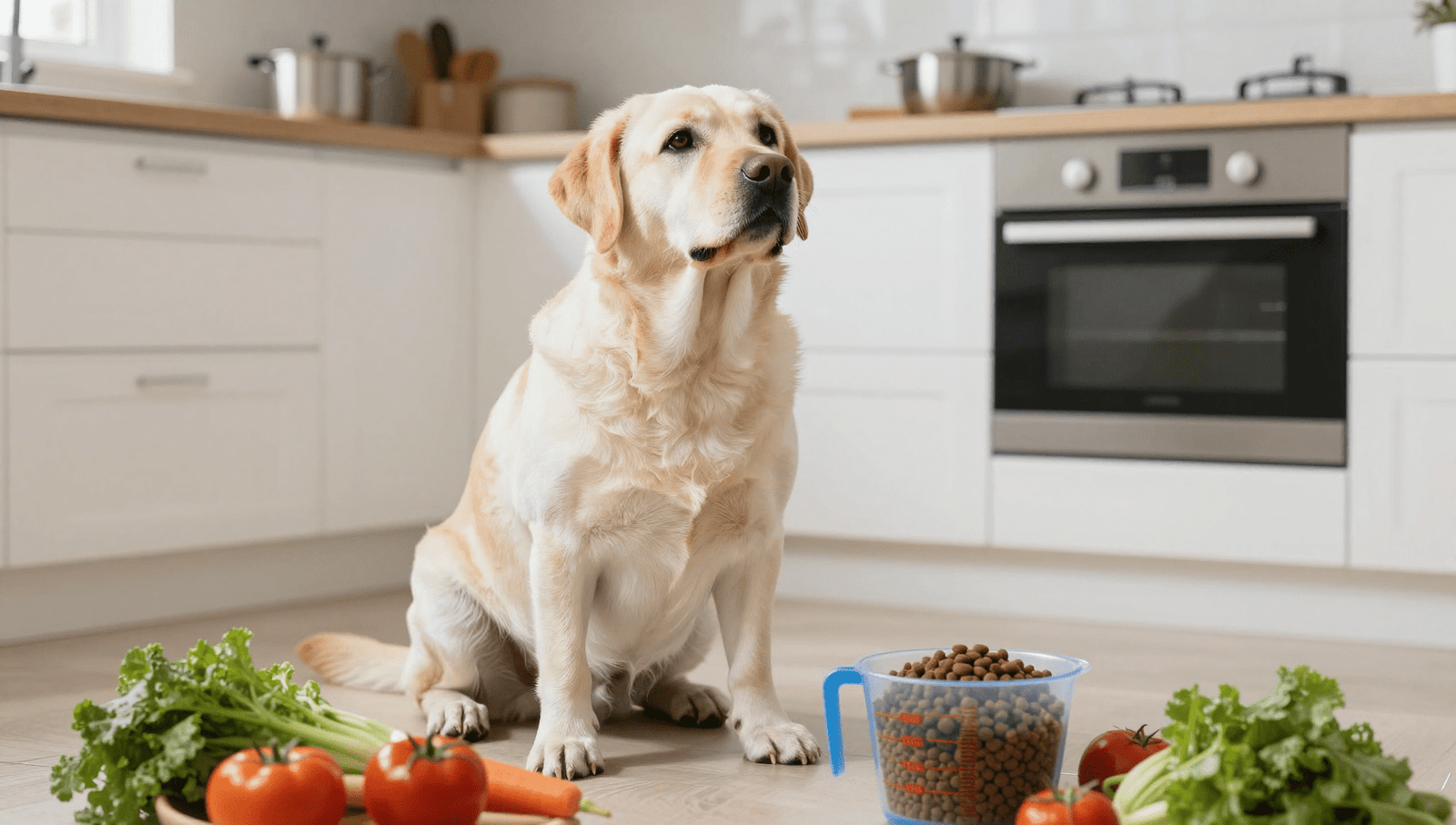
Step 2: Calculate and Measure Everything Use kitchen scales or a proper measuring cup to portion your dog’s food accurately. Follow the feeding guidelines on the packet as a starting point, but remember these are often generous — your vet may recommend slightly less.
Step 3: Switch to a Weight Management Food Consider transitioning to a high-quality “light” or “weight management” dog food. These are formulated with lower fat and calories but higher fibre and protein to keep your dog feeling full and satisfied.
Step 4: Cut the Extras Eliminate table scraps entirely. Replace high-calorie shop-bought treats with healthier alternatives: carrot sticks, green beans, blueberries, or small pieces of apple (no pips!). Remember the 10% rule.
Step 5: Increase Exercise Gradually Don’t suddenly take your overweight dog on a 10-mile hike — that risks injury and puts them off entirely. Start with slightly longer or more frequent walks, and build up over several weeks. Aim for at least 30–60 minutes daily for most adult breeds, adjusted for age and breed.
Step 6: Enrich Their Environment Use puzzle feeders and snuffle mats to slow down mealtimes and provide mental stimulation. A Kong stuffed with a portion of their daily food allowance can keep them entertained for ages while making meals last longer.
Step 7: Monitor and Adjust Weigh your dog every two weeks. Healthy weight loss is approximately 1–2% of body weight per week. If the scales aren’t budging after a fortnight, speak to your vet about adjusting the plan.
Best Low-Calorie Dog Treats for Weight Management
Treats are an essential part of dog training and bonding — we’re not monsters! But when your dog needs to shed pounds, swapping calorie-dense snacks for healthier options is a game-changer.
Here are some brilliant low-calorie alternatives:
| Treat | Calories (approx.) | Benefits |
|---|---|---|
| Carrot sticks | 4 kcal per stick | Crunchy, great for teeth, full of fibre |
| Green beans | 3 kcal per bean | Filling, dogs love the crunch |
| Blueberries | 1 kcal each | Antioxidant-rich, perfect for training |
| Apple slices (no pips) | 5 kcal per slice | Sweet, hydrating, good fibre source |
| Cucumber slices | 1 kcal per slice | Low calorie, refreshing in summer |
| Watermelon (seedless) | 5 kcal per cube | Hydrating and naturally sweet |
Pro tip: Freeze blueberries or small banana slices for a refreshing summer treat that takes longer to eat, giving your dog more enjoyment per calorie! 🫐
Dog Exercise Routines to Help Your Pup Slim Down
Exercise is the other half of the weight loss equation, and honestly, it’s the fun part! Finding activities your dog genuinely enjoys makes the whole process feel less like a chore and more like quality bonding time.
Walking Variations Mix up your routine. Explore new trails, visit different parks, or try a dog-friendly beach if you’re near the coast. New smells and scenery provide mental enrichment as well as physical exercise.
Fetch and Retrieval Games A 15-minute game of energetic fetch can burn more calories than a 30-minute lead walk. Use a ball launcher to really get those distances up — most dogs will sprint themselves happy.
Swimming If your dog enjoys water, swimming is phenomenal exercise. It’s low-impact, making it ideal for overweight dogs or those with joint problems. Check for local dog hydrotherapy centres if you don’t have access to safe open water.
Brain Games Mental stimulation is surprisingly tiring for dogs. Hide treats around the house or garden and let them sniff them out. Ten minutes of scent work can be as exhausting as a 30-minute walk.
Structured Play Dates If your dog is sociable, arrange play dates with a friend’s dog. Chasing and wrestling burns calories while providing invaluable socialisation.
Frequently Asked Questions
How long will it take for my dog to lose weight? Healthy, sustainable weight loss in dogs typically occurs at a rate of 1–2% of their total body weight per week. For a 30kg dog, that’s roughly 300–600g per week. Depending on how much they need to lose, the full journey might take anywhere from a couple of months to over a year. Patience and consistency are key — crash diets are just as dangerous for dogs as they are for humans.
Are some dog breeds naturally more prone to obesity? Yes, absolutely. Labradors are perhaps the most well-known example — research has identified a gene mutation (POMC) common in the breed that affects feelings of fullness. Golden Retrievers, Beagles, Cocker Spaniels, Cavalier King Charles Spaniels, Dachshunds, and Pugs are also genetically predisposed to weight gain. If you own one of these breeds, you’ll need to be extra vigilant with portion control and exercise.
Will neutering definitely make my dog fat? Neutering itself doesn’t cause obesity, but it does trigger hormonal changes that can reduce your dog’s metabolic rate by 20–30% and increase their appetite. The key is to proactively reduce their food intake and maintain their exercise routine after the procedure. Speak to your vet about adjusting their diet post-neutering.
Can I just feed my dog less of their regular food? You can reduce portions slightly, but simply cutting back significantly on a standard food may leave your dog deficient in essential vitamins, minerals, and protein. A purpose-formulated weight management food is specifically designed to be lower in calories while maintaining complete, balanced nutrition. It’s the safer and more effective approach.
My dog begs constantly and it breaks my heart. How do I cope? I completely understand — Bertie’s puppy eyes could win an Oscar. The trick is to redirect the behaviour. When your dog begs, ask them to perform a trick or command (like “sit” or “down”) and reward them with a tiny piece of carrot instead of a high-calorie treat. Puzzle feeders and stuffed Kongs also help keep them occupied and satisfied between meals.
When should I take my overweight dog to the vet? Ideally, before you start any weight loss plan. Your vet can provide a target weight, rule out medical causes like hypothyroidism, and recommend an appropriate diet. You should also return to the vet if your dog isn’t losing weight despite your efforts, or if they develop any new symptoms like excessive thirst, lethargy, or skin problems.
Conclusion: Small Changes, Big Impact
If you’ve been lying awake wondering, “my dog is getting fat, what do I do?”, I hope this guide has given you both reassurance and a clear path forward. Canine obesity is incredibly common in the UK, but the solution is well within your reach.
Here are the key takeaways:
- Assess honestly using the Body Condition Score — hands and eyes, not just scales
- Identify the cause — usually overfeeding, too many treats, and insufficient exercise
- Visit your vet for a professional assessment, target weight, and tailored advice
- Measure every meal accurately and consider switching to a weight management formula
- Swap treats for low-calorie alternatives like carrots, green beans, and blueberries
- Increase exercise gradually — walk more, play more, and add mental enrichment
- Monitor progress with fortnightly weigh-ins and adjust as needed
- Be patient — healthy weight loss takes time, but every gram lost adds quality years to your dog’s life
Remember, helping your dog achieve a healthy weight is one of the most loving things you can do for them. It’s not about deprivation — it’s about giving them the best possible chance at a long, comfortable, and joyful life by your side. You’ve got this! 🐶❤️