There is nothing quite as heartbreaking as watching your four-legged best friend suffer through a bout of acid reflux. I remember the first time I witnessed it with my own dog—a mix of frantic lip-licking, painful swallowing, and that awful gurgling sound from their stomach. It’s enough to make any pet parent feel helpless. If you are currently typing “What Should I Feed My Dog with Acid Reflux?” into a search engine at 2 AM, take a deep breath. You are in the right place.
Acid reflux, formally known as Gastroesophageal Reflux Disease (GERD), is surprisingly common in our canine companions. It occurs when the gastric juices and stomach contents flow backward into the oesophagus, causing irritation and pain. While it can look dramatic—and trust me, the “roaching” posture where they arch their backs is a sure sign of tummy trouble—it is manageable.
In this comprehensive guide, I am going to walk you through everything you need to know about managing this condition through diet. We will cover the best foods to soothe the burn, what to avoid like the plague, and how to structure your dog’s meals for maximum comfort. Let’s get your pup’s tail wagging again! 🐶
Understanding Acid Reflux in Dogs: More Than Just an Upset Tummy
Before we dive into the menu, we need to understand the beast we are fighting. Many owners assume that if a dog is bringing up acid, they have too much stomach acid. It sounds logical, right? Wrong! 🤯
Related Posts



In many cases, acid reflux is actually caused by low stomach acid (hypochlorhydria). When the stomach acid isn’t strong enough or plentiful enough, the pyloric sphincter (the valve at the bottom of the stomach) doesn’t open properly to let food move to the intestines. Consequently, the food sits in the stomach, ferments, and creates gas pressure that pushes the acidic contents back up into the oesophagus. This mixture of stomach acid, bile, and salts is called chyme, and it is absolutely corrosive to the delicate lining of the oesophagus.
Symptoms to watch out for include:
- Lip smacking and gulping: A classic sign of nausea.
- The “Roach”: Arching the back significantly, often with the neck extended.
- Burping and regurgitation.
- Lethargy and lack of appetite.
- Wheezing or dry coughing (sometimes mistaken for kennel cough).
It is vital to rule out other issues first. If your dog is vomiting projectile or has blood in their stool, get to the vet immediately. But if it’s chronic GERD, dietary management is your golden ticket.
The Golden Rule: Why Fresh is Best for Acid Reflux
If you are currently feeding a highly processed kibble, this might be the most important section you read today. Highly processed foods are naturally inflammatory. Inflammation is the arch-nemesis of a healthy gut.
When a dog eats dry kibble, the body has to pull water from the body to rehydrate the food in the stomach before digestion can even begin. This puts added stress on the digestive system. For a dog with acid reflux, we want to make digestion as easy as possible.
Cooked vs. Raw: While raw feeding is fantastic for many dogs, those with acid reflux often struggle with it. Why? Because raw food takes longer to break down in the stomach. If your dog has low stomach acid (as mentioned above), raw meat can sit there for too long, increasing the risk of regurgitation.
Lightly cooked food is often the hero here. Cooking breaks down the protein structures, making them much easier to digest and allowing the stomach to empty faster. This reduces the window of opportunity for that nasty chyme to splash back up.
What Should I Feed My Dog with Acid Reflux? Safe Proteins
Now we get to the meat of the matter (pun intended 🥩). When asking “What Should I Feed My Dog with Acid Reflux?”, the answer starts with protein selection.
Fatty meats are a nightmare for reflux. Fat slows down gastric emptying. If food sits in the stomach too long, acid production increases, and the risk of reflux skyrockets.
Best Protein Choices:
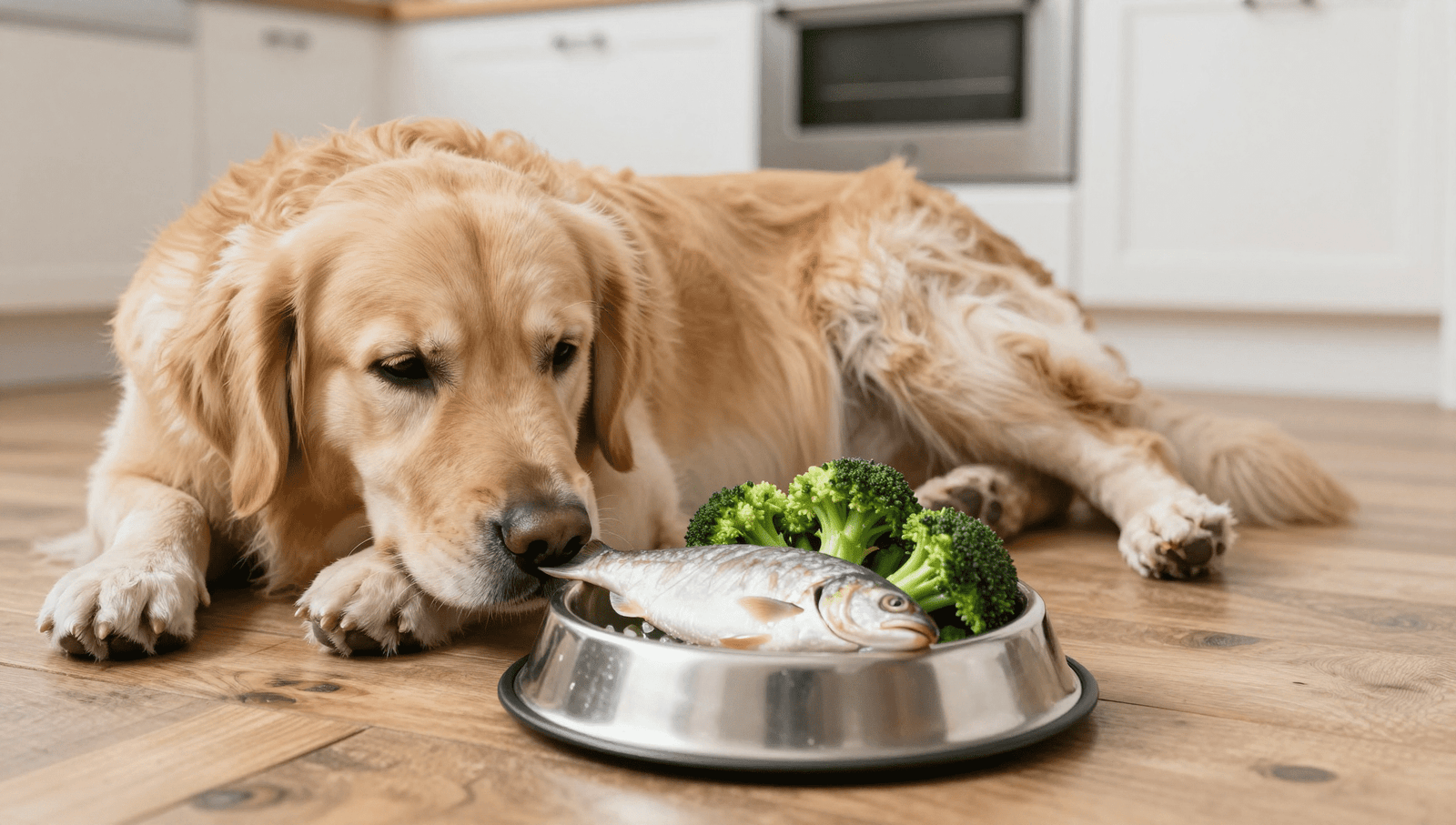
- White Fish: This is the gold standard. Fish like cod, haddock, pollock, or tilapia are incredibly lean and easy to digest. They are also high in Omega-3s, which are anti-inflammatory.
- Turkey: Leaner than chicken, turkey is a great option for sensitive stomachs.
- Rabbit or Venison: These are novel proteins. If your dog’s reflux is allergy-driven (a common cause), switching to a protein they haven’t eaten before can stop the immune reaction causing the inflammation.
Comparison of Proteins for Reflux:
| Protein Type | Fat Content | Digestibility | Recommendation |
|---|---|---|---|
| White Fish | Very Low | Excellent | Highly Recommended 🌟 |
| Turkey | Low | High | Recommended |
| Chicken | Medium | Moderate | Use with caution (common allergen) |
| Beef | High | Low | Avoid |
| Lamb | High | Low | Avoid |
The Power of Fibre: Gut Motility is Key
You might not think of fibre as a stomach soother, but it is essential for acid reflux management. Specifically, we are talking about insoluble fibre.
Unlike soluble fibre (which dissolves into a gel), insoluble fibre doesn’t break down. It adds bulk to the stool and acts like a broom, sweeping the digestive tract and keeping things moving. This is critical because increased gut motility means the stomach empties faster.
Top Fibre Sources:
- Broccoli: Lightly steamed, this is a superfood for reflux dogs.
- Cauliflower and Carrots: Great for adding bulk.
- Leafy Greens: Spinach and kale (in small amounts).
- Berries: Blueberries are great antioxidants.
A word of caution: introduce fibre slowly. Too much, too fast will give your dog terrible gas, which is the last thing you want when they have a sensitive tummy! 😅
Essential Supplements for Canine GERD
Sometimes, diet alone isn’t enough to calm the storm. This is where supplements come in. My Pet Nutritionist suggests looking into specific ingredients that coat and heal the gut lining.
Mucilage Herbs
Herbs like Slippery Elm and Marshmallow Root are game-changers. They are “mucilaginous,” meaning they become slick and gel-like when mixed with water. When ingested, they coat the oesophagus and stomach lining with a protective barrier, soothing the burn of the acid. It’s like a natural bandage for the gut!
Digestive Enzymes
If your dog isn’t digesting food well, they need help. Supplementing with enzymes like Pepsin and Trypsin can help break down food faster, ensuring the stomach empties efficiently and reducing the chance of reflux.
Probiotics
A healthy microbiome is a happy tummy. Probiotics help crowd out bad bacteria and support the immune system, which is often the root cause of the inflammation leading to reflux.
Perfecting the Feeding Routine
It’s not just what you feed, but how you feed. You could be feeding the best white fish and broccoli stew in the world, but if your dog inhales it in 10 seconds flat, they are swallowing air. Swallowing air increases gastric pressure (bloating), which forces acid upwards.
My Top Routine Tips:
- Smaller, More Frequent Meals: Instead of one big dinner, split their daily allowance into 3 or 4 smaller meals. This ensures the stomach is never overly full.
- Use a Slow Feeder: These bowls have ridges and mazes that force the dog to eat slower.
- Elevated Bowls: This uses gravity to help keep food down (though consult your vet first, as this can be a risk factor for bloat in deep-chested breeds).
- No Late Dinners: Don’t feed your dog right before bedtime. Try to leave at least 2–3 hours between their last meal and lights out.
Foods to Avoid: The Danger List ⚠️
If you want to keep your dog comfortable, these items should be permanently banned from their bowl:
- Fatty Scraps: Bacon, sausages, and the skin off your roast chicken. Fat triggers reflux.
- Highly Spiced Foods: Anything with garlic or onion powder is toxic anyway, but spices irritate the stomach lining.
- Dairy: Many dogs are lactose intolerant. Milk and cheese can cause gas and bloating.
- Starchy Carbs (in excess): Potatoes and sweet potatoes are fine in moderation, but too much starch can ferment in the gut.
Conclusion
Managing acid reflux in dogs requires patience, observation, and a willingness to ditch the processed kibble. By answering the question “What Should I Feed My Dog with Acid Reflux?” with fresh, lean, cooked proteins and plenty of insoluble fibre, you are setting your dog up for success. Remember to feed smaller meals, use slow feeders, and consider gut-healing supplements like Slippery Elm. Always consult with your vet or a canine nutritionist to tailor the plan to your specific pup. Here’s to quiet tummies and happy tails! 🎉
Frequently Asked Questions
Is chicken good for a dog with acid reflux?
Chicken is a lean meat, but it is also one of the most common food allergens in dogs. If your dog’s reflux is being caused by an undiagnosed allergy, chicken might actually be the trigger. I usually recommend sticking to white fish or turkey initially to rule out allergies.
Can I give my dog Gaviscon for acid reflux?
While some human antacids are safe for dogs in specific doses, you must never give medication without asking your vet first. Some contain ingredients like Xylitol (toxic to dogs) or high sodium levels. Natural alternatives like Slippery Elm are often safer first steps.
Why does my dog keep swallowing and licking his lips?
This is a classic sign of nausea and acid reflux. When acid hits the oesophagus, it causes a burning sensation (heartburn). Dogs lick their lips to generate saliva, which helps neutralise the acid and soothe the throat.
Should I feed my dog raw or cooked food for reflux?
Generally, cooked food is better for reflux. Raw food stays in the stomach longer because it requires more acid and enzymes to break down. Cooking pre-digests some of the protein, making it easier on a sensitive stomach.
Does drinking water help dog acid reflux?
Yes, staying hydrated is important, but avoid letting your dog gulp huge amounts of water immediately after eating, as this can fill up the stomach and increase pressure. Offer small sips throughout the day.
How long does it take for acid reflux to heal in dogs?
It depends on the underlying cause. If it’s dietary, you might see improvement within a week of switching foods. If it’s caused by a structural issue or severe inflammation, it could take several weeks of strict management and medication.