If you’ve ever been sat on the sofa, sneezing your head off while your mate’s Labrador gives you a sympathetic (but very hairy) look, you know the struggle of loving dogs while battling allergies. It’s a cruel trick of nature, isn’t it? We adore them, but our immune systems often have other ideas. This leads many prospective owners—myself included, years ago—to hunt for the Holy Grail of pets: a hypoallergenic dog.
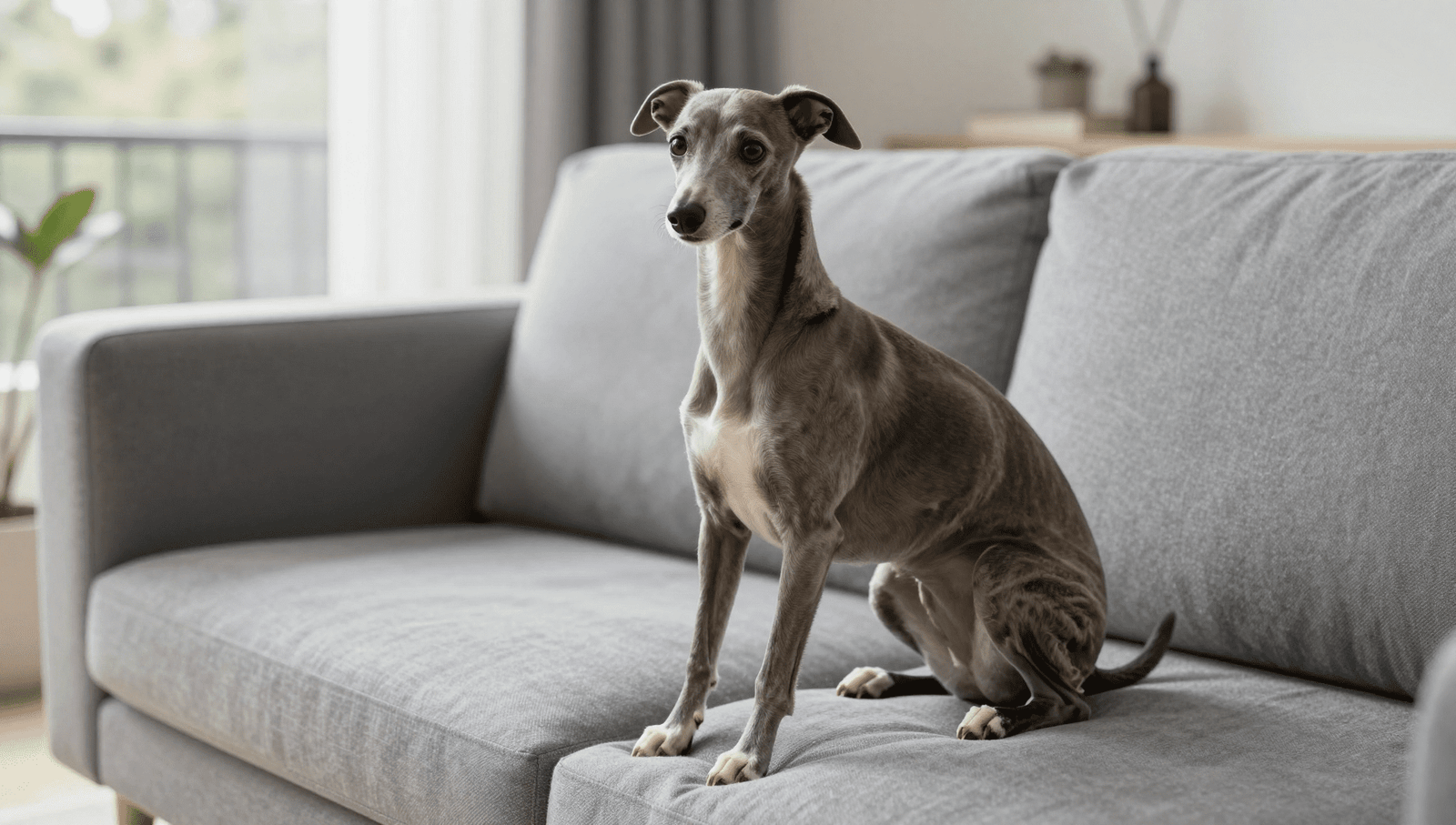
Enter the Italian Greyhound (or “Iggy,” as we affectionately call them). With their aerodynamic snouts, trembling legs, and coats smoother than a fresh jar of Skippy, they look like they’d be a safe bet for a runny nose. But are Italian Greyhounds hypoallergenic really? Or is it just marketing fluff?
I’ve lived with these quirky, high-speed couch potatoes for years, and I’ve done the digging (and the sneezing) so you don’t have to. In this guide, we’ll get to the bottom of the allergy myth, look at their shedding habits, and explore everything you need to know before bringing one of these delicate dynamos into your UK home.
Table of Contents
| Section | Topic | Description |
|---|---|---|
| 1 | The Big Question: Are Italian Greyhounds Hypoallergenic? | Defining “hypoallergenic” and what it actually means for dog owners. |
| 2 | Why the Iggy Coat is a Game-Changer | A look at their unique short hair and shedding cycles. |
| 3 | Beyond the Fur: Saliva and Dander | Why the coat isn’t the only thing you need to worry about. |
| 4 | The “Naked Truth” vs. The Onesie Obsession | How clothing affects dander and shedding management. |
| 5 | Pros and Cons for Allergy Sufferers | A balanced look at the benefits and drawbacks. |
| 6 | Grooming: Less Brushing, More Cuddling? | Low-maintenance grooming tips for the Iggy owner. |
| 7 | Health and Lifespan: The Long Game | Common health issues that may affect allergy management. |
| 8 | Diet and Nutrition for a Healthy Coat | How what they eat impacts what they shed. |
| 9 | Temperament and Training | Getting to know the Iggy personality. |
| 10 | Finding Your Italian Greyhound in the UK | Tips for sourcing a puppy responsibly. |
| 11 | FAQs | Answering your most common questions. |
| 12 | Conclusion | Final verdict and key takeaways. |
The Big Question: Are Italian Greyhounds Hypoallergenic?
Let’s cut straight to the chase: technically, no dog is 100% hypoallergenic. If a breeder or a dodgy internet ad tells you otherwise, they’re pulling your leg. The term “hypoallergenic” simply means “relatively unlikely to cause an allergic reaction.” It’s about lowering the risk, not eliminating it entirely.
Related Posts
However, if we are comparing them to, say, a Golden Retriever or a Husky (which I lovingly call “fur factories”), the Italian Greyhound is miles ahead in the allergy-friendly stakes. The reason? It’s not actually dog hair that makes most people sneeze; it’s a protein called Can f 1, found in a dog’s skin cells (dander), saliva, and urine.
Because the Italian Greyhound has such a fine, short coat, they shed significantly less dander into the environment. Their skin isn’t hidden under layers of thick undercoat, so it doesn’t flake off as aggressively. In my experience, visiting a house full of Iggy owners feels vastly different to visiting a home with a pack of Huskies. The air is cleaner, and my eyes don’t water. So, while they aren’t “allergy-proof,” they are widely considered one of the best breeds for people with sensitivities.
Why the Iggy Coat is a Game-Changer
The Italian Greyhound’s coat is their superpower. It is a single-layer coat—none of that dense, woolly undercoat you see on breeds like the Poodle or the German Shepherd. It lies flat against the skin, is incredibly fine, and feels almost like velvet.
This single-layer design means there is simply less hair to shed. You won’t find tumbleweeds of fur rolling across your hardwood floors, nor will you need to invest in industrial-strength lint rollers just to leave the house. I’ve found that a quick wipe-down with a damp cloth is often enough to remove any loose dander before a cuddle session.
Furthermore, these dogs are famously odourless. If you’ve ever owned a Basset Hound or a Spaniel, you know that “dog smell” that permeates the sofa. You don’t get that with an Italian Greyhound. They tend to be fastidiously clean animals, often grooming themselves much like a cat. This low odour and low shedding combination is a massive win for anyone who loves a clean home but also loves having a canine companion.
Beyond the Fur: Saliva and Dander
While the coat is excellent, we have to talk about the “slurp factor.” Italian Greyhounds are sighthounds, and they love a good lick. Whether it’s your face, your hands, or their own paws, they are an expressive breed. Now, remember that protein Can f 1? It’s highly concentrated in dog saliva.
For some allergy sufferers, the fur isn’t the problem—it’s the spit. If an Iggy licks your bare skin and you break out in hives, you might be reacting to the saliva rather than the dander.
Dander is the other piece of the puzzle. Even though they shed less, they still produce skin flakes. Because Iggys love to burrow and get under blankets (more on that in a moment), that dander can accumulate in bedding. If you have severe allergies, you’ll need to establish a “dog-free zone”—ideally your bedroom—so you have a sanctuary where you can breathe easy. Using a HEPA air purifier in the room where your dog sleeps is also a game-changer; I run one 24/7, and it makes a noticeable difference to the air quality.
The “Naked Truth” vs. The Onesie Obsession
Here’s a funny quirk about owning an Italian Greyhound in the UK: the weather. Our damp, chilly climate isn’t exactly designed for a dog with zero body fat and thin skin. Consequently, Italian Greyhounds live in clothes.
If you walk into an Iggy owner’s home, you’ll likely find a wardrobe that rivals a small boutique—knitted jumpers, waterproof macs, and fleecy onesies. This is adorable, obviously, but it’s also brilliant for allergy management!
When your dog is wearing a full-body onesie or jumper, the majority of the loose dander and hair is trapped inside the clothing rather than floating around your house. When you take the clothes off for a wash (usually at 60°C to kill dust mites), you are effectively removing a massive amount of allergens in one go. It’s a win-win: the dog stays warm, and your sinuses stay clear.
Pros and Cons for Allergy Sufferers
No dog is perfect. Before you rush out to buy an Italian Greyhound, you need to weigh up the good with the bad.
Pros:
- Low Shedding: You won’t be vacuuming fur every day.
- No Undercoat: Reduces the amount of dander released into the environment.
- Odourless: They don’t carry that heavy “wet dog” smell.
- Clothing Habit: Onesies trap dander effectively.
Cons:
- Saliva: They love to lick, which can trigger reactions for some.
- Attachment: They are “Velcro dogs” and want to be touching you all the time. This increases exposure to allergens.
- Cold Sensitivity: You have to be prepared to buy and manage dog clothing.
- Fragile Nature: If you sneeze violently and bump into them, they are delicate creatures! (Okay, that’s a joke, but they are prone to leg fractures).
Grooming: Less Brushing, More Cuddling?
You won’t need to book regular trips to the groomers for a “lion cut” with this breed. Their grooming routine is beautifully simple. A weekly wipe-down with a damp cloth or a grooming mitt will remove any loose flakes and keep their coat shiny.
However, you do need to pay attention to their dental hygiene. Italian Greyhounds are notorious for having bad teeth. If their oral health declines, the bacteria can cause gum disease, which adds to the bad breath and drool—bad news for allergy sufferers sensitive to saliva proteins. Brushing their teeth daily (or at least a few times a week) is non-negotiable in my book.
Their nails also grow fast and need clipping regularly. If you hear them “click-clacking” on the kitchen floor, it’s time for a trim. Keeping their nails short protects their delicate “hare feet” and keeps them comfortable, reducing stress—which can sometimes exacerbate skin issues and shedding.
Health and Lifespan: The Long Game
The good news is that Italian Greyhounds are generally a healthy breed with a long lifespan, often living between 12 and 15 years. This means you have a long-term companion, but it also means a long-term commitment to managing your allergy symptoms.
The main health concerns in the breed are:
- Dental Issues: As mentioned, very common.
- Leg Fractures: Their legs are thin and fragile, especially when they are puppies. A bad jump off the sofa can lead to a break.
- Progressive Retinal Atrophy (PRA): An eye condition.
If your dog becomes unwell or stressed, their skin condition can worsen, leading to increased flaking. Keeping your Iggy healthy with regular vet checks (a good rule of thumb is twice a year) ensures their skin remains in top condition, keeping those allergens at bay.
Diet and Nutrition for a Healthy Coat
You are what you eat, and the same goes for dogs. A poor diet leads to dry, flaky skin—which is a nightmare for allergy sufferers. To keep your Iggy’s coat healthy and dander production low, you need to focus on high-quality nutrition.
I always look for foods rich in Omega-3 and Omega-6 fatty acids. These are excellent for skin health and coat shine. Fish-based kibbles are often a great choice, or you can add a pump of salmon oil to their dinner bowl.
Avoid fillers like corn, wheat, and soy, which can sometimes trigger sensitivities in sighthounds. Fresh food options, like those from subscription services popular in the UK (such as Butternut Box or Different Dog), can be brilliant because they are gently cooked and retain more nutrients. A well-fed dog is a happy dog with a healthy coat, meaning less shedding and happier owners.
Temperament and Training
If you want a dog that fetches your slippers and listens to your every command, an Italian Greyhound might drive you mad. They are affectionate and bond deeply with their owners, but they have a stubborn streak a mile wide.
Housetraining is famously difficult. Because they hate the cold and rain (see: UK weather), they often refuse to go outside to do their business. This can be a nightmare, but it’s manageable with patience, indoor litter trays (yes, really), or a covered outdoor area.
They are sensitive souls. Shouting or harsh corrections will simply make them tremble and hide. Positive reinforcement is the only way. They are intelligent but independent. When training an Iggy, I find that “high-value” treats work wonders—tiny pieces of chicken or cheese. They respond well to routine. Once you understand that they are not trying to be naughty, just a bit diva-ish, you’ll find them incredibly easy to live with.
Finding Your Italian Greyhound in the UK
If you’ve decided that the low-shedding, high-fashion lifestyle of the Iggy is for you, where do you look?
Breeders: Always go through the Kennel Club Assured Breeders scheme. Italian Greyhounds have specific health tests, including for PRA and autoimmune thyroiditis. A good breeder will let you meet the parents and won’t pressure you into a sale. Expect to pay anywhere from £1,000 to £1,500 or more for a healthy puppy.
Rescue: There are breed-specific rescues like The Italian Greyhound Rescue that do amazing work. Don’t rule out a rescue dog; they often come housetrained and are a brilliant option if you don’t want the puppy stage.
The Meet-and-Greet: If your allergies are severe, I strongly advise you to arrange a visit to a breeder or owner before you commit. Spend an hour or two with the dogs. See how your body reacts. This “test drive” can save you heartbreak later on.
Conclusion
So, are Italian Greyhounds hypoallergenic? In the strictest scientific sense, no. But in the practical, real-world sense of “will I be able to breathe while owning this dog?”, they are one of the best options out there. Their minimal shedding, lack of undercoat, and relatively low dander production make them a top contender for allergy sufferers who refuse to live a life without canine love.
They are quirky, funny, and endlessly entertaining little characters. They will steal your heart, your sofa, and probably the warmest spot in your bed (preferably under the duvet). If you manage the saliva, keep up with their dental hygiene, and invest in a good vacuum cleaner for the occasional speck of dust they do shed, you can absolutely enjoy a sneeze-free life with an Italian Greyhound.
Do your research, talk to breeders, and maybe meet one in person. You might just find that your new best friend doesn’t trigger your allergies at all.
FAQs
How much do Italian Greyhounds shed?
Italian Greyhounds are considered very low shedders. They have a single-layer coat without a thick undercoat, so you won’t see large amounts of hair on your furniture. However, they do shed a small amount year-round, just like humans do.
Can I be allergic to an Italian Greyhound’s saliva?
Yes, absolutely. Many people are allergic to the proteins in dog saliva rather than their fur. If your Iggy licks you and your skin becomes red or itchy, this is a sign of a saliva allergy. Regularly wiping their mouth and discouraging face-licking can help manage this.
Are Italian Greyhounds good family dogs?
They can be, but they are very fragile. They are generally better with older children who understand how delicate they are. Rough play can easily lead to injuries, so supervision is always required with younger kids.
Do Italian Greyhounds smell bad?
No, they are known for being one of the least smelly dog breeds. They are naturally clean dogs that require very few baths—unless they’ve rolled in something unpleasant on a walk in the countryside!
How often should I bathe my Italian Greyhound?
You only need to bathe them once every few months, or when they are visibly dirty. Over-bathing can strip the natural oils from their skin, leading to dryness and increased dander. A wipe-down with a damp cloth is usually sufficient to keep them fresh.
Are Italian Greyhounds easy to train?
They are intelligent but can be very stubborn, especially when it comes to house training. They are sensitive dogs that respond best to positive reinforcement. Patience and consistency are key, and crate training is often recommended to help with housebreaking.