When I first started learning how to potty train a Dachshund in an apartment, I honestly underestimated the challenge 😅. I thought a few walks and some patience would do the trick. Instead, I got carpets under attack and a dog who acted like nothing happened. Over time, I figured out what works—and now I’m sharing everything in simple terms so you don’t suffer like I did 😂.
1. Understanding Dachshund Behavior in Apartments 🐾
I quickly realised my dog wasn’t being difficult—he was just being a Dachshund. Their Dachshund temperament is naturally independent. For example, when I called him to go outside, he sometimes just stared at me like, “You go, I’ll stay here” 😆.
This comes from their independent dog mindset, where they prefer making their own choices. In an apartment, this becomes more obvious because there’s limited space to correct mistakes.
They are also very sensitive. Loud apartment noises affected his dog emotional behavior, which sometimes caused accidents out of stress.
Once I understood this, I stopped expecting instant obedience. Instead, I focused on working with his personality.
That change alone made training feel easier and less frustrating.
Read more How to Potty Train a Dachshund Dog Fast Guide
2. Why Apartment Potty Training Is Challenging 😬
Living in an apartment adds extra difficulty. The biggest issue for me was limited outdoor access. By the time I grabbed the leash and got downstairs—too late 🙃.
Another challenge is their small dog bladder capacity. My Dachshund needed frequent breaks, sometimes every 1–2 hours.
Then there’s weather. Because of weather-sensitive dogs, mine refused to go out in rain. He would literally look at me and say “nope” with his eyes 😂.
Also, apartments make dog scent marking behavior worse. One accident indoors quickly turned into a “favorite spot.”
I learned that apartment training isn’t harder—it just needs better timing and planning.
3. Preparing Your Apartment for Training 🏡
I realised early that my home needed structure. Too much freedom led to surprises in random corners 😅.
Using house training space control, I blocked areas with baby gates. This kept things manageable.
I also created a fixed potty spot, which helped build dog routine learning habits.
One big mistake I made was not cleaning properly. Because of dog odor training issues, my dog kept returning to the same place.
Once I started using enzymatic cleaners, that stopped.
Having a clean, organised setup made training much smoother—and saved my carpet too!
4. Choosing Between Indoor vs Outdoor Potty Methods 🚽
At first, I was confused about whether to go outside or use pads. Both options have pros.
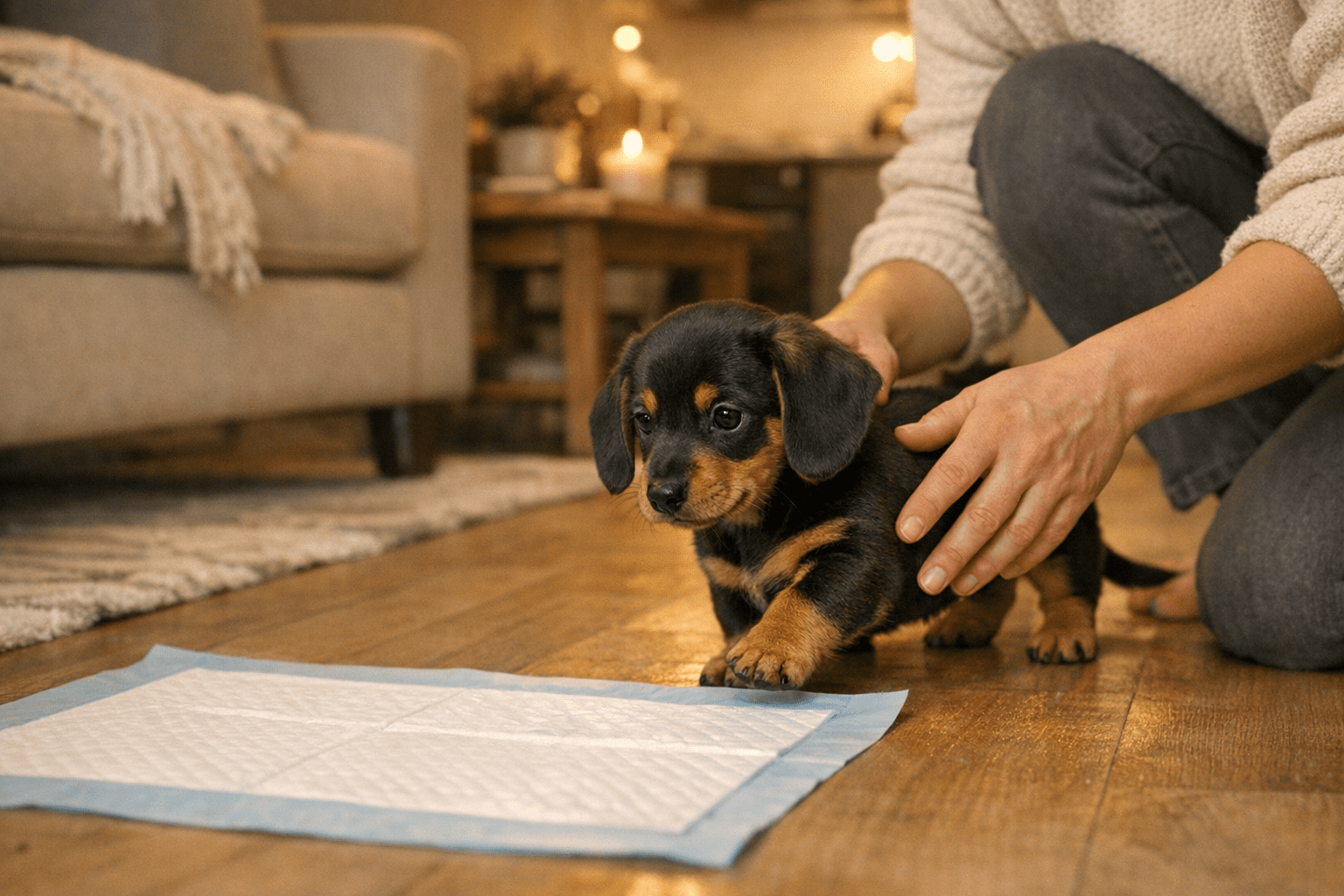
Using indoor potty training systems, like pee pads, helped during bad weather.
But I noticed dog training consistency problems when I switched between indoor and outdoor methods. My dog got confused.
For example, one day he used the pad, the next day the carpet—not ideal 😂.
Eventually, I picked one method and stuck with it.
That consistency made a huge difference. Lesson learned: your dog needs clarity, not options.
5. Creating a Consistent Daily Routine ⏰
Routine became my best friend. Without it, things fell apart quickly.
Using dog potty schedule training, I took him out at fixed times every day.
This built strong puppy habit formation, and he started expecting those breaks.
One day, I missed the schedule—and boom, accident. Instant reminder 😅.
Now, I treat the schedule seriously:
- Morning
- After meals
- After naps
Following a routine reduced accidents dramatically.
Honestly, consistency here is like magic ✨.
6. Crate Training in a Small Space 🐕
I wasn’t sure about crates at first, but they really helped.
With crate training for small dogs, my Dachshund learned to hold his bladder better.
This works because of natural dog instincts—they don’t like soiling their sleeping space.
At one point, I left him too long inside (my mistake 🙈), and it backfired.
So I adjusted: shorter periods, more breaks.
Now, the crate is his safe, comfy spot.
In apartments, this also prevents unsupervised messes—which is a huge win!
7. Using Positive Reinforcement Effectively 🎉
This is where things finally clicked for me.
Using positive reinforcement dog training, I rewarded every success.
Whenever he did the right thing, I:
- Praised him
- Gave treats
- Acted over-happy 😂
This helped build reward-based learning habits quickly.
One time, I delayed the treat—and he didn’t connect it. Timing matters!
Now, I reward instantly, and he understands perfectly.
Treats became my secret weapon. Honestly, food motivation is powerful 💯.
8. Managing Accidents in an Apartment 🚫
Accidents are part of the process, no matter what.
At first, I reacted badly—but that didn’t help.
Using better dog training discipline methods, I stayed calm instead.
Getting angry triggered a negative dog emotional response, making things worse.
When I caught him mid-accident, I gently moved him outside.
And cleaning properly? Very important.
Otherwise, because of scent, he returned to the same place again and again 😅.
Now, I focus on patience—and it works much better.
9. Dealing with Weather, Time, and Accessibility 🌧️
Apartment life adds extra challenges.
Cold and rain were major issues because of weather-sensitive dog behavior. My Dachshund hated both 😂.
I solved this with a small coat and quick trips. That helped a lot.
Another challenge was timing. With apartment access delays, even a few extra minutes mattered.
One time, I waited for the elevator—and yeah… too late 🙃.
So I started planning trips better and acting faster.
If outdoor access isn’t quick, having indoor backup options can really save the day.
10. Long-Term Success and Maintenance ✅
Training doesn’t end—it just improves over time.
I kept building long-term dog training habits, staying consistent every day.
When things improved, I slowly gave him more freedom—but carefully.
Sometimes, changes caused setbacks due to dog routine disruption. For example, when I travelled, accidents came back 😑.
But I didn’t panic. I went back to basics—and it worked again.
Patience is everything here. Progress takes time.
Now, I finally feel confident about how to potty train a dachshund in an apartment—and trust me, it’s totally worth it 🐶✨
Dachshund Potty and House Training Guide
- How to potty train a dachshund in an apartment requires consistency, frequent bathroom breaks, and using the same potty spot to build a routine 🐶
- House training a dachshund takes patience, positive reinforcement, and a predictable schedule to reduce accidents 🏡
- House training dachshund puppy should begin early with crate training and regular trips outside after meals and naps 🐾
- Potty training a dachshund puppy works best when you reward success immediately and closely supervise them indoors 🎯