Have you ever watched a Whippet curl up like a pretzel and wondered, can a Greyhound sit? If you’ve recently welcomed one of these elegant racers into your home, you’ve likely encountered the rumour that these dogs simply aren’t built for it. It’s one of the most persistent myths in the dog care world! I hear it all the time at the park: “Oh, they don’t sit; their hips are too narrow.” 🐶
Well, today we are going to bust that myth wide open. As a professional with years of experience in dog behaviour and welfare, I can tell you that while they might look like fine art sculptures designed solely for speed, they are incredibly versatile athletes. They have a unique anatomy, yes, but that doesn’t mean they are doomed to a life of permanent standing or lying down.
In this comprehensive guide, we will dive deep into greyhound anatomy, the best training methods to encourage this behaviour, and why teaching your dog to sit is about much more than just good manners—it’s about building a deeper bond. So, grab a cuppa and a packet of treats, and let’s get to the bottom of this exciting question. 🐾
Understanding Greyhound Anatomy and the Sitting Myth
To understand the hesitation, we need to look at how these dogs are built. Greyhounds are the supercars of the dog world. They possess a deep chest, a flexible spine, and a “double suspension gallop” that allows them to reach blistering speeds of up to 45 mph. Their muscles are fast-twitch, designed for explosive power rather than endurance. Because of this distinct physiology, many people assume their bodies aren’t compatible with a classic sit position.
Related Posts
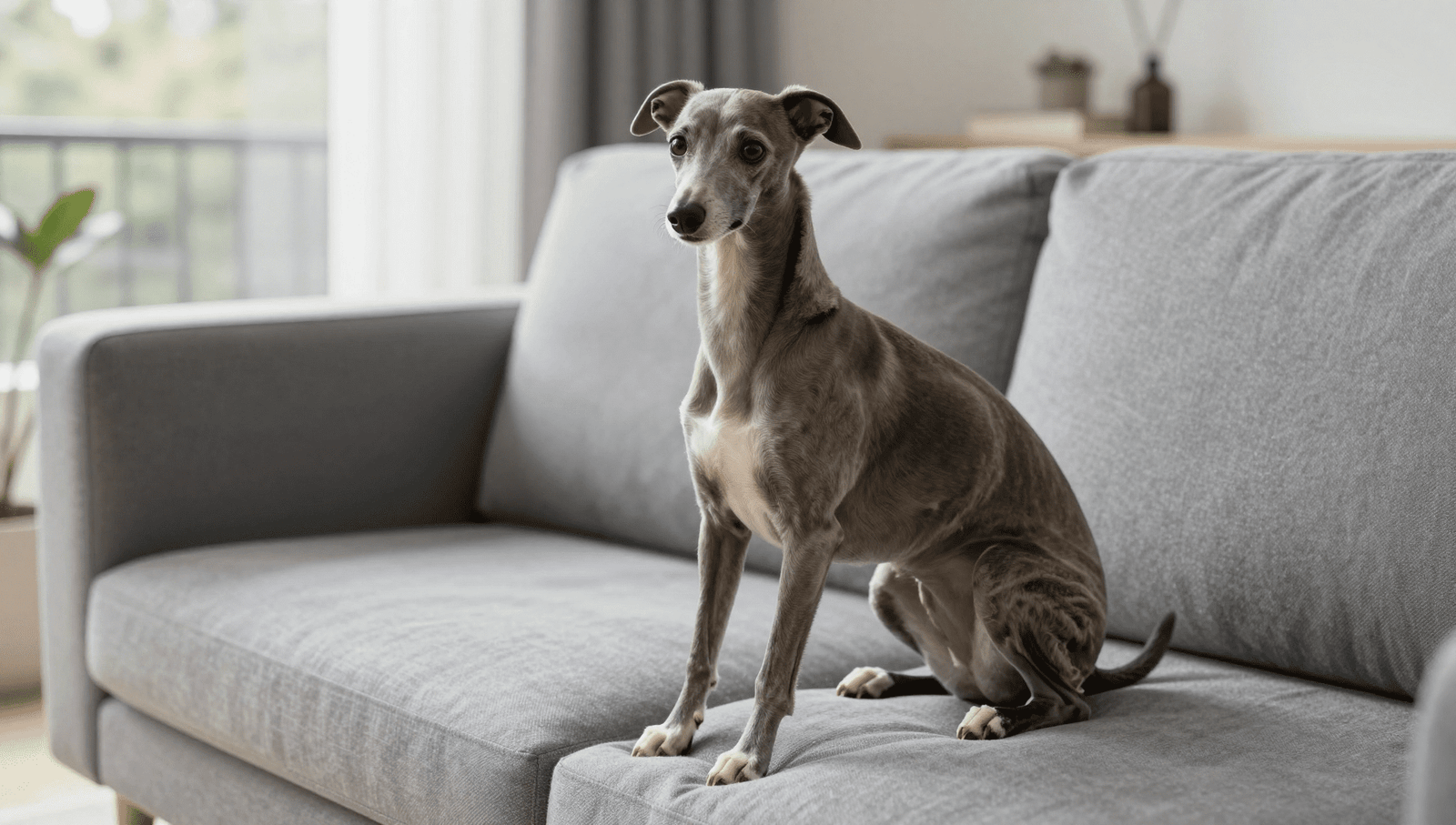
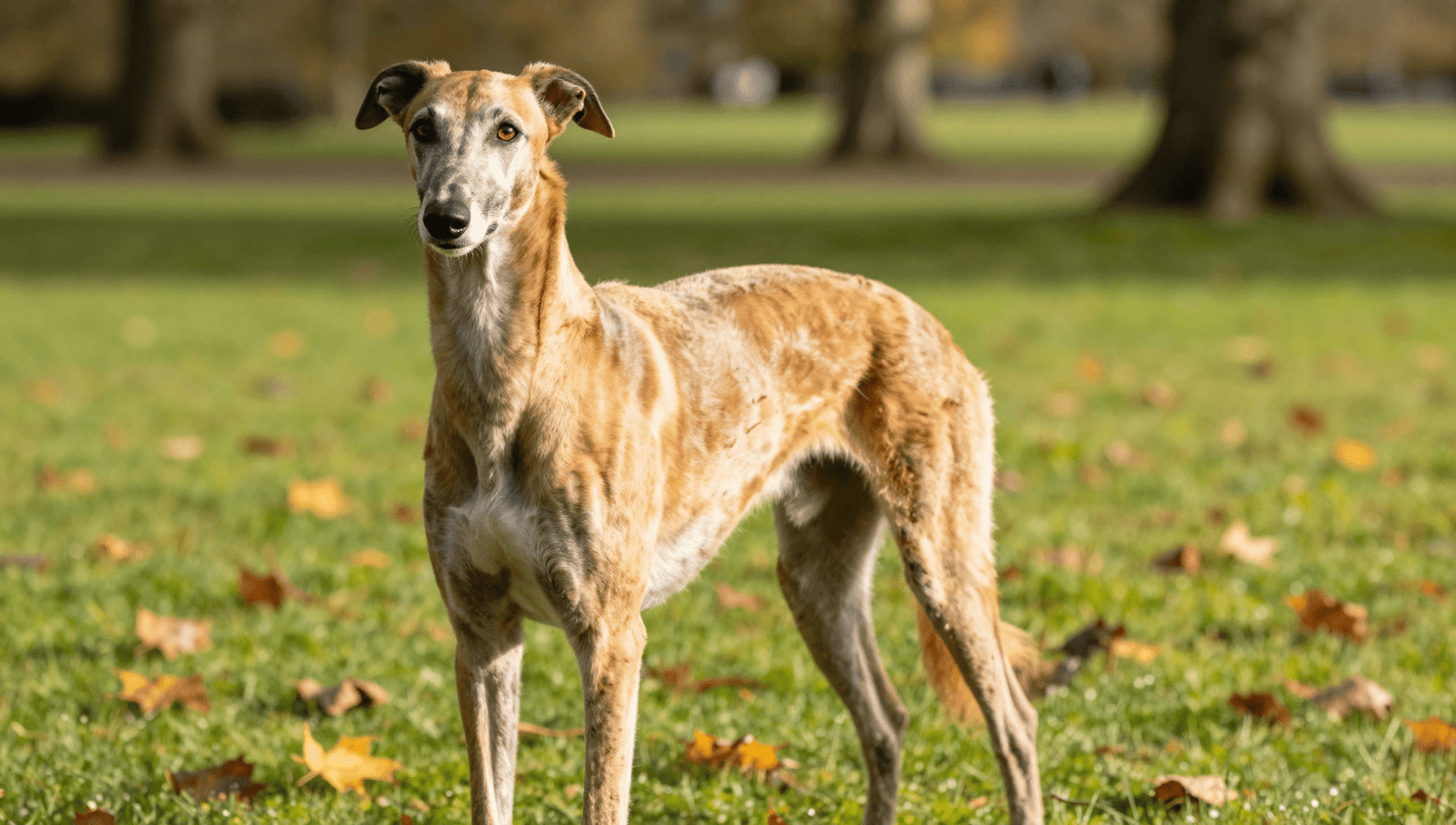
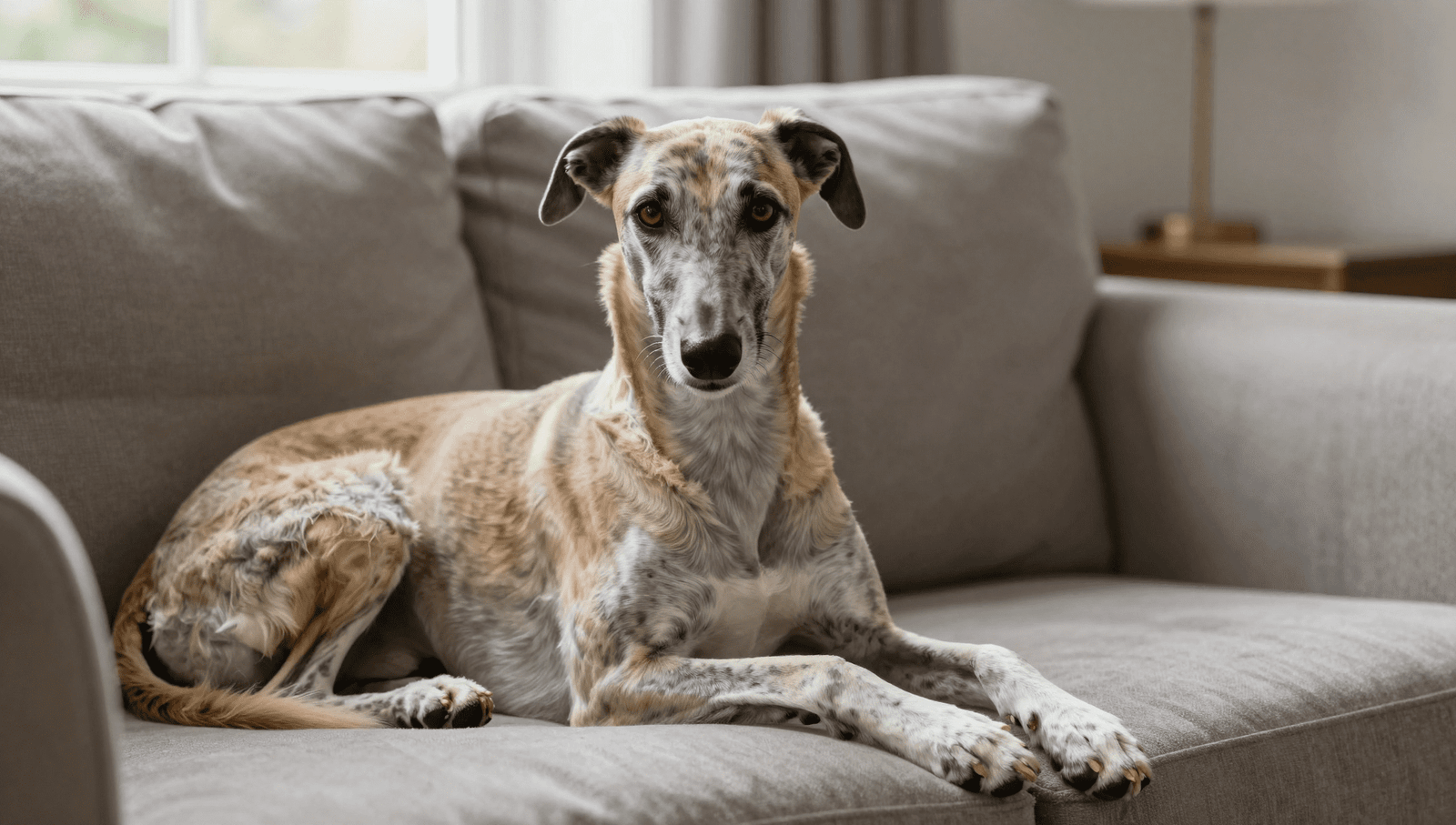
The myth stems largely from the racing industry and early dog shows. When you see a greyhound in a stack (the show pose), they are standing tall and long. However, claiming they cannot sit because of their narrow hips is like saying a gymnast can’t touch their toes because they are muscular. In my experience, a healthy greyhound has a full range of motion. The issue usually isn’t physical inability; it’s simply that they haven’t been taught, or they find the position slightly less comfortable than sprawling out on the sofa.
Some dogs do have a “side sit” or a “sloppy sit,” where their legs slide out to one side. This is perfectly normal and often just a comfort choice. Unless your vet diagnoses a specific orthopedic issue like arthritis, there is absolutely no physical barrier preventing a greyhound from mastering this essential command. It’s a case of old wives’ tales versus biological reality. 🐕
Positive Reinforcement: The Best Way to Train
If you want to teach a sensitive breed like a greyhound, you have to throw dominance theory out the window. These dogs are gentle souls who shut down if you are harsh. The golden rule of greyhound training is: never force it. Do not physically push their rear end onto the floor. This can cause fear and resistance.
Instead, we rely on positive reinforcement and luring. You want the dog to want to sit. Think of it as a negotiation. You have the currency (treats), and they have the goods (the behaviour). 🥓
Here is a step-by-step method I use:
- High-Value Rewards: Kibble won’t cut it here. You need roast chicken, cheese, or liver cake.
- The Lure: Stand in front of your dog. Hold the treat near their nose so they can smell it, but don’t let them eat it yet.
- The Motion: Slowly move the treat up and slightly back over their head. As their head goes up and back, their bottom naturally has to go down to maintain balance.
- The Mark: The second their bottom touches the floor, say “Yes!” or click a clicker, and give them the treat immediately.
It might take a few tries. Some dogs will back up instead of sit. If that happens, try training in a corner so they can’t reverse. Keep sessions short—two minutes maximum. We want training to be a fun game, not a chore.
The “Catch” Method: Rewarding Natural Behaviour
Sometimes, the best way to teach a dog to do something is to simply wait for them to do it on their own. This is often called “capturing” or the “catch method,” and it is incredibly effective for independent thinkers like greyhounds. 🐾
Watch your dog throughout the day. Does he ever sit randomly while waiting for his dinner? Does he plop his bottom down on the grass during a garden break? If so, you have a training opportunity!
The moment you see the behaviour, immediately mark it with a cheerful “Yes!” and toss them a treat. You aren’t asking for the behaviour yet; you are simply “catching” them in the act and labelling it. Over time, they realise that sitting is a money-making activity. This method works wonders because it shows the dog that they have agency. They figure out that offering this specific behaviour results in rewards. It turns training into a partnership rather than a lecture.
Creating the Perfect Training Environment
Environment plays a massive role in how quickly a dog learns. If you ask a greyhound to sit on a slippery laminate floor, they might hesitate because they don’t want to slide. If you ask them to sit on gravel, it might be uncomfortable.
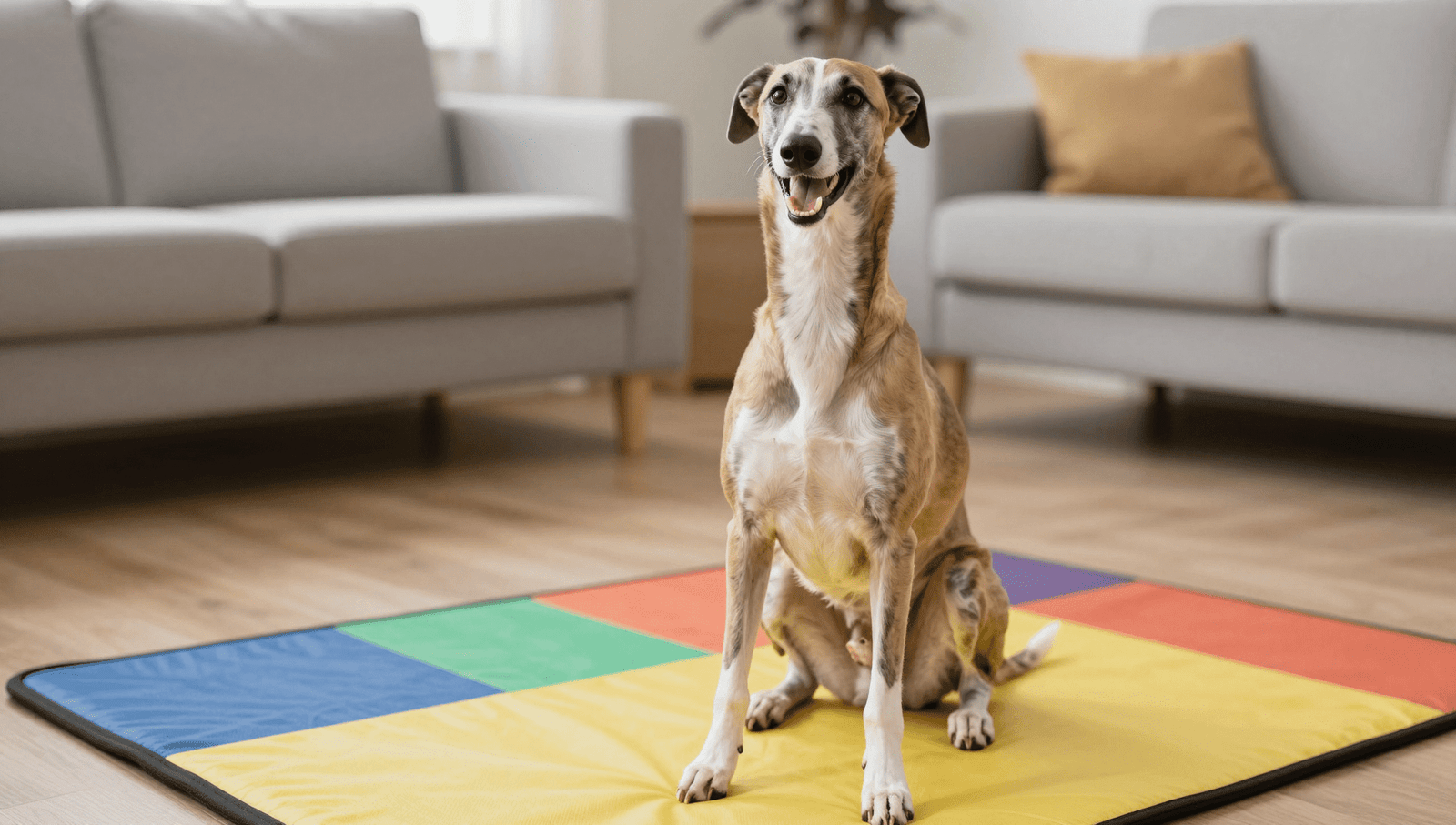
To set your dog up for success, start training on a surface with good traction. This is where a training mat comes in handy. Having a designated mat creates a psychological boundary for the dog. They learn that when they are on this mat, it’s time to work and earn treats.
This mat can then be a portable “safe zone.” If you go to a pub or a friend’s house, bringing the mat helps the dog settle. It’s a familiar object that anchors the behaviour. Ensure the environment is distraction-free at first. Don’t try to teach the sit while the neighbour’s cat is walking past the window or while the postman is at the door. Once they master it in the quiet living room, you can gradually move to the garden, and then to the park.
Medical Reasons Why a Greyhound Might Not Sit
While we are debunking the myth, we must be responsible owners and acknowledge that sometimes, a dog doesn’t sit because it hurts. It is vital to distinguish between a dog that doesn’t understand the command and a dog that is in pain. 🩺
If your greyhound hesitates, whines, or seems stiff when attempting to sit, it is time to visit the vet. Common issues in ex-racers or senior dogs include:
- Arthritis: Just like humans, dogs get stiff joints as they age.
- Hip Dysplasia: Though less common in sighthounds than in German Shepherds, it can occur.
- Spinal Issues: Injuries from their racing days can flare up.
- Osteosarcoma: A bone cancer that is unfortunately more prevalent in the breed. Limping or reluctance to bear weight is a key sign.
Never force a dog with medical conditions to sit. You know your dog best. If they look uncomfortable, respect their body. However, for a healthy, young greyhound, the “bad hips” excuse is usually just a myth.
Why “Sit” Is Essential for Communication
Why do we care so much about this pose? It’s not just for show. Teaching your greyhound to sit establishes a communication channel. 🗣️
In my house, “sit” is the “please” and “thank you” of dog manners. If a dog wants the door opened, they sit. If they want a bite of my sandwich, they sit. It replaces jumping up, barking, or pawing at my leg. For an ex-racer who might be overwhelmed by the big wide world, having a “default” behaviour is incredibly reassuring. It gives them something to do when they are unsure.
It is also a fantastic tool for impulse control. A greyhound that can hold a sit while you prepare their dinner is a dog that is thinking, not just reacting to instinct. This focus translates to better recall on walks and better behaviour around other dogs. It bridges the gap between their “wild” prey drive and domestic pet life.
Managing Energy Levels and Exercise
A tired dog is a happy dog, but a greyhound is rarely truly tired in the way a Labrador gets tired. They are sprinters. They go from 0 to 60 and back to 0 in five minutes. However, before you begin a training session, ensure they have had a light walk or a chance to run in a secure field. 🏃♂️
Trying to train a dog that is buzzing with pent-up energy is like trying to teach a toddler who’s had too much sugar. It’s futile. Conversely, don’t train them when they are exhausted from a massive hike; they won’t have the brain power to focus.
Aim for that sweet spot: calm but alert. Five minutes of brain training (like learning to sit or doing scent work) can tire a dog out as much as a thirty-minute walk. Mental enrichment is just as important as physical exercise for keeping your greyhound happy.
Diet and Nutrition for Healthy Joints
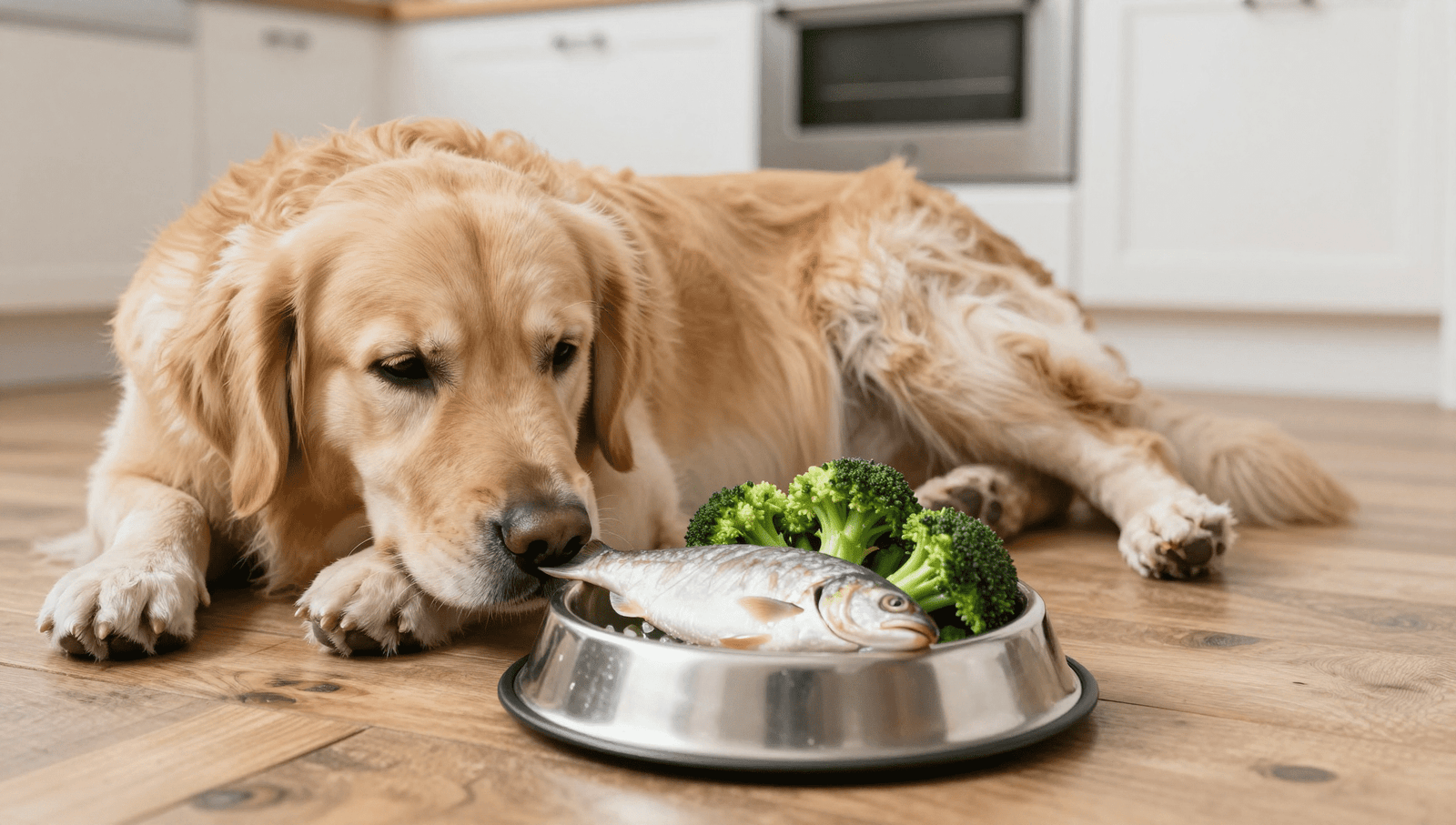
Since we are asking our dogs to use their bodies in new ways, we need to make sure their fuel is high-quality. A dog with joint issues will find sitting harder. A good diet is the foundation of dog care. 🥩
Ensure your greyhound is on a high-protein diet, but keep an eye on their weight. You should be able to see the last two ribs easily. Excess weight puts massive strain on the joints.
Consider adding supplements like Glucosamine and Chondroitin to their diet, especially for older dogs or ex-racers. Omega-3 fatty acids (found in fish oil) are also fantastic for reducing inflammation and keeping joints supple. A healthy diet supports their athletic frame, making movements like sitting, jumping, and running comfortable and pain-free.
Grooming and Health Checks
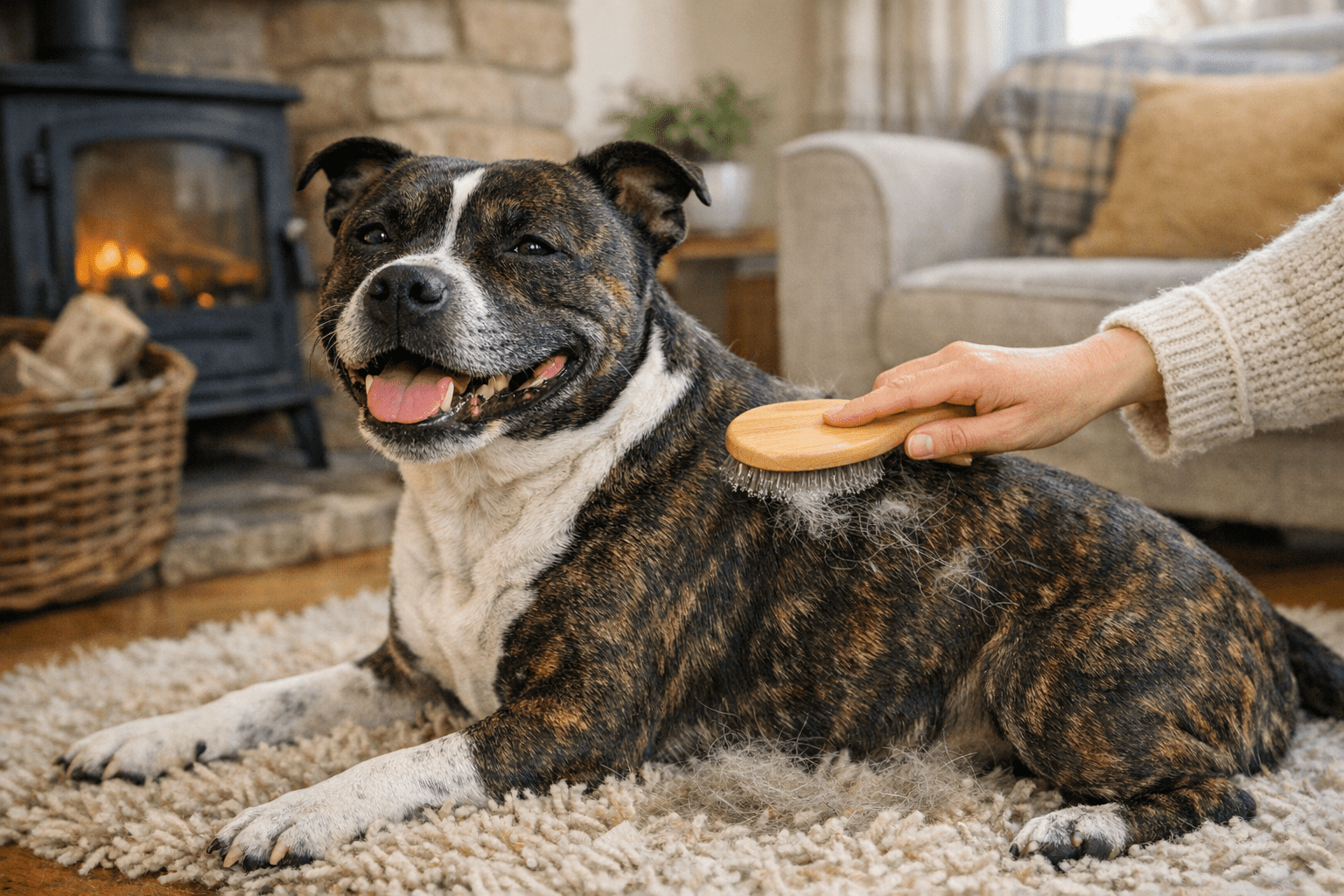
Regular grooming isn’t just about keeping them pretty; it’s a health check. Greyhounds have very thin skin and no fat padding, so they are prone to nicks and scrapes.
When you are grooming your greyhound, run your hands over their hips and down their legs. Feel for any lumps, swelling, or sensitivity. If they flinch when you touch their back end, it could indicate why they are reluctant to sit.
Regular handling also gets them used to being touched, which makes vet visits much easier. A dog that is comfortable being handled is generally more relaxed and open to training. Keep their nails trimmed too; overly long nails can alter their gait and make sitting uncomfortable.
Comparing Training Methods
To make things clear, let’s look at the different approaches to training this behaviour.
| Method | Description | Pros | Cons |
|---|---|---|---|
| Luring | Using a treat to guide the dog into position. | Fast results; easy for beginners. | Dog may only do it for the visible treat. |
| Capturing | Rewarding the dog when they do it naturally. | Builds initiative; great for independent dogs. | Takes longer; requires patience. |
| Shaping | Rewarding small steps toward the final behaviour. | Builds complex skills; highly engaging. | Can be confusing for first-time owners. |
| Physical Push | Physically pushing the dog’s rear down. | None. | AVOID. Creates fear and damages trust. |
For the question “Can a Greyhound Sit?”, I recommend a mix of Luring and Capturing. Use luring to show them what you want, and capturing to reinforce it when you aren’t asking.
Common Mistakes to Avoid
We all make mistakes, but here are the big ones to dodge:
- Training for too long: Greyhounds get bored easily. Keep it under 5 minutes.
- Using low-value treats: Dry biscuits won’t motivate a dog to do something slightly awkward.
- Inconsistency: If you let them jump up sometimes but demand a sit other times, you are confusing them.
- Getting Frustrated: If you get angry, the dog shuts down. Take a break.
Frequently Asked Questions
Is it physically impossible for a Greyhound to sit? Absolutely not. This is one of the biggest myths in the dog world. While their anatomy is different from a Bulldog, they have a full range of motion in their hips. Most healthy greyhounds can sit perfectly well, though some may prefer a slightly angled or “lazy” sit. If your dog refuses and shows signs of pain, consult a vet to rule out injury.
Why does my Greyhound sit sideways? A sideways sit, often called a “sloppy sit” or “side sit,” is very common in sighthounds. It is usually just a comfort thing. Because their legs are long and their bodies are lean, sitting squarely takes more core muscle effort. Flopping to one side is their version of slouching on the sofa. It is generally harmless unless you notice limping or stiffness at other times.
How long does it take to teach an ex-racer to sit? It varies wildly! Some get it in five minutes; others take weeks. Ex-racers are used to a specific routine. Introducing new concepts takes patience. Use high-value rewards (like chicken or cheese) and keep sessions short and positive. Never force them, and they will eventually understand what you are asking.
Can I train a senior Greyhound to sit? Yes, but proceed with caution. Older dogs may have arthritis or joint stiffness. Check with your vet first. You might need to use a supportive bed or mat and only ask for very short sits. The goal is mental engagement, not physical perfection. Always prioritise their comfort.
What is the best reward for Greyhound training? Food. It’s as simple as that! Greyhounds are generally very food-motivated. Find what your dog goes absolutely bonkers for—roast chicken, sausage, cheese, or liver treats. Save these “super high-value” treats specifically for training sessions to keep their interest high.
Why is my Greyhound ignoring me when I ask him to sit? There are a few possibilities. He might not actually know the command yet (hearing the word and understanding it are different things). He might be distracted by something more interesting (a squirrel, a smell). Or, he might just not be motivated enough. Go back to basics with a high-value lure in a quiet room to rebuild the association.
Conclusion
So, can a Greyhound sit? You bet they can! While they might not look like a Cocker Spaniel doing it, and while they might prefer to slide into a side-sit or a sphinx pose, sitting is well within their capabilities.
Training your greyhound to sit is more than just a party trick. It’s a vital part of dog care that enhances communication, improves impulse control, and strengthens the bond between you and your pet. By using positive reinforcement, respecting their unique anatomy, and ensuring they are healthy and happy, you can teach this beautiful breed almost anything. 🐕🦺
So next time someone at the dog park tells you, “Greyhounds can’t sit,” you can smile, pull out a piece of chicken, and show them just how wrong they are. Happy training! 🎉